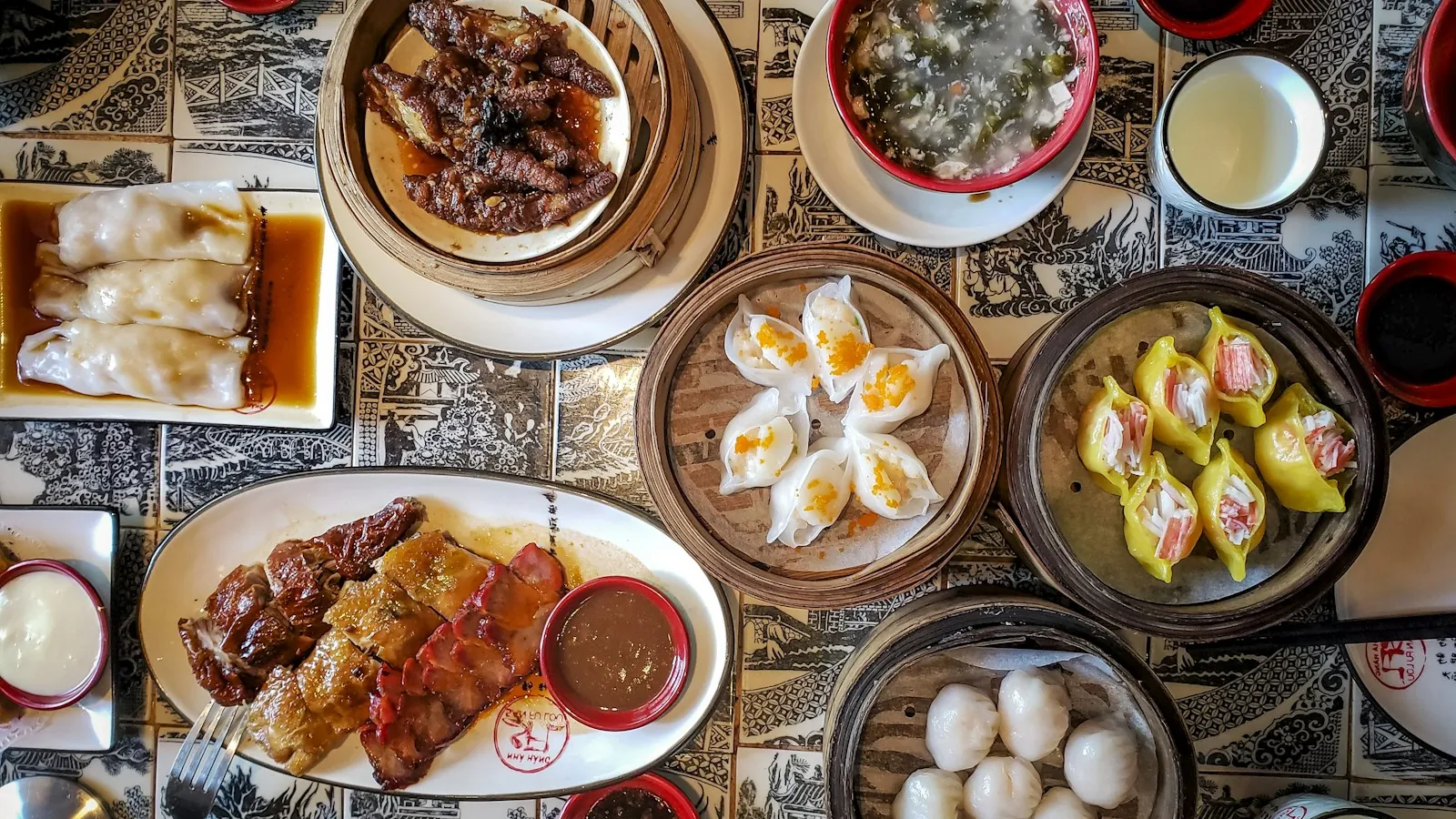
Ordering Chinese food for a group is the one part of the meal people reliably get wrong — usually by over-ordering by a wide margin, occasionally by leaving someone hungry. The fix is a simple rule you can do in your head.
Order one main dish per two people, plus one extra dish for the table. Add one rice or noodle dish for every two to three people, and one appetizer per person. For six people that is three mains, two rice or noodle dishes and about six appetizer pieces — not six mains.
Why people over-order
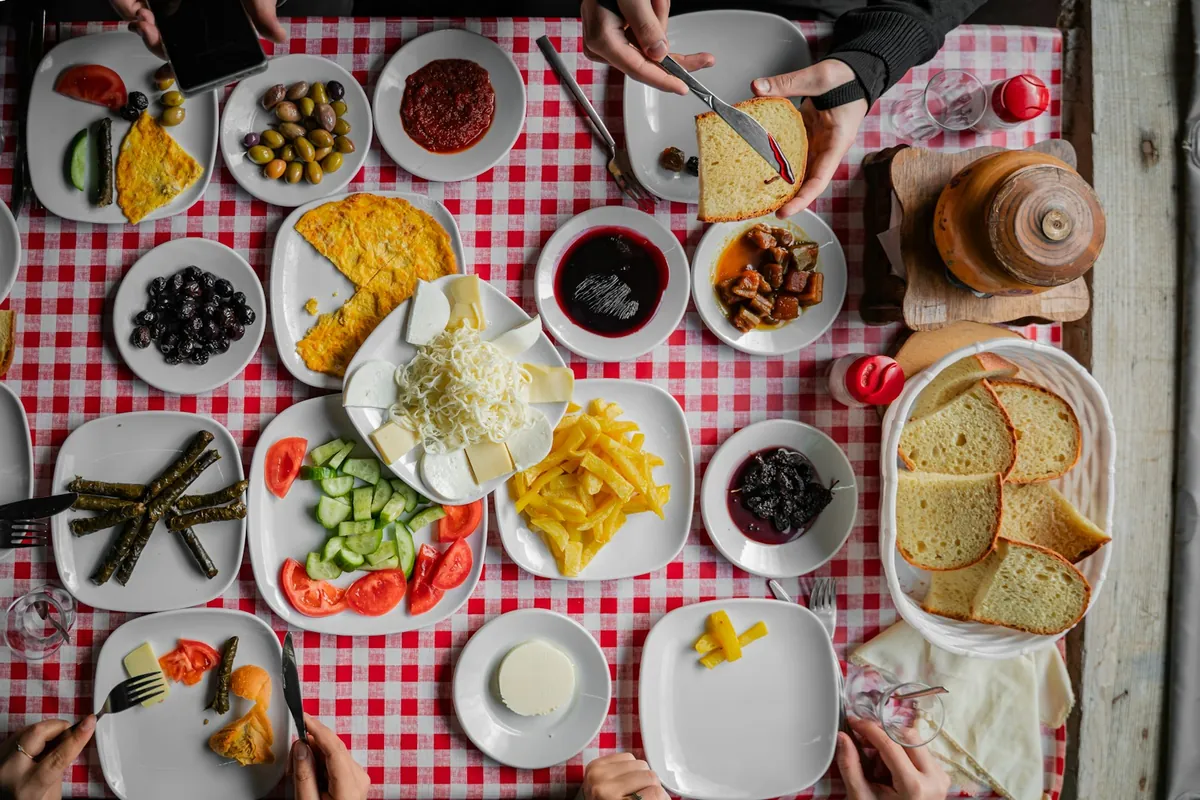
Chinese restaurant portions are built for sharing. A single entree is not a single serving in the way a burger is; it is a dish meant to sit in the middle of a table alongside others. If everyone orders “their own” main, you will end up with roughly twice the food you need.
The other reason is the menu itself. Long menus encourage picking one of everything, and appetizers are easy to add without noticing how much they contribute.
The framework, by group size
These are starting points for a mixed group of adults with average appetites. Adjust up for teenagers and big eaters, down if you are also serving soup or ordering combination plates.
| People | Main dishes | Rice or noodle dishes | Appetizer pieces |
|---|---|---|---|
| 2 | 1–2 | 1 | 2 |
| 4 | 3 | 1–2 | 4 |
| 6 | 3–4 | 2 | 6 |
| 8 | 5 | 2–3 | 8 |
| 10 | 6 | 3 | 10–12 |
| 12 | 7 | 3–4 | 12–14 |
The pattern is roughly half a main per person plus one, which keeps working as the group grows. Large groups need proportionally less, because more dishes means more variety and people take smaller amounts of each.
Balance matters more than quantity
A table with four sauced brown-sauce dishes feels monotonous no matter how much of it there is. When you are choosing which mains to order, vary them along three lines.
- Cooking method — something fried, something stir-fried, something steamed or in a light sauce.
- Protein — do not order three chicken dishes. Mix chicken with beef, pork, shrimp or vegetables.
- Flavor — one sweet, one savory, one with some heat if the table likes it. Avoid two dishes in the same sweet-and-sour register.
Getting this right matters more than the exact number of containers. Six well-chosen dishes beat eight that all taste similar.
Rice and noodles are not the same job
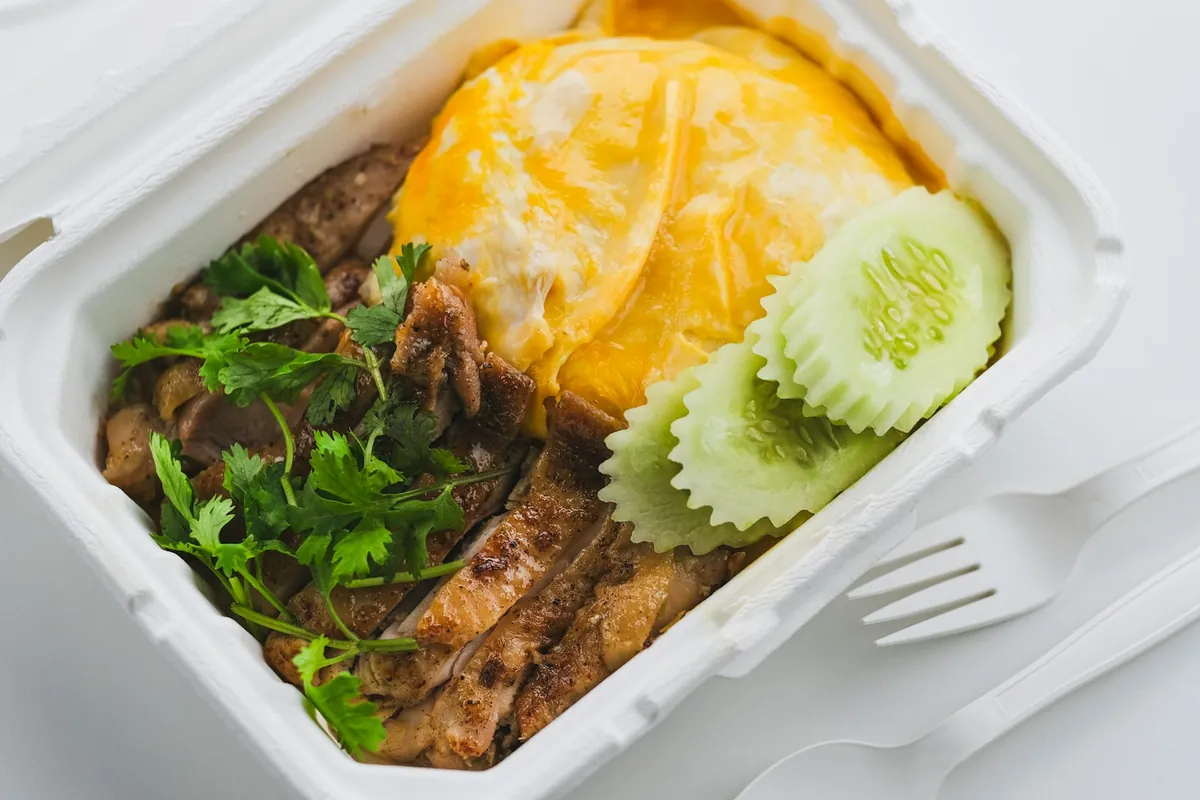
Plain steamed rice is a base: it soaks up sauce and stretches the meal. Fried rice and lo mein are dishes in their own right, and they fill people up quickly.
If you are ordering several sauced mains, get plain rice rather than fried rice, or you end up with two starches competing. If you want the noodles as a feature, count them as one of your mains rather than as a side.
Combination plates change the maths
A combination plate typically bundles an entree with rice and sometimes an appetizer into one portion sized for one person. That makes them the simplest option when everyone wants their own meal rather than a shared table, and it is a completely different way of ordering.
Use combination plates when people are eating at different times, taking food to work, or when the group has strong individual preferences. Use shared dishes when everyone is eating together and you want variety.
Ordering for a family at home
For a household of four, the sweet spot is usually three mains, one rice or noodle dish and one appetizer round. That leaves a modest amount over, which is often the point — many Chinese dishes reheat well the next day.
If you do plan on leftovers, choose them deliberately. Lo mein, fried rice, and dishes in a thicker sauce keep better than anything fried in a light batter, which loses its texture within the hour.
Refrigerate leftovers promptly rather than leaving containers out while you finish eating, and follow standard food-safety guidance on storing and reheating cooked food from a source such as the USDA’s food safety information center.
A worked example
Say you are ordering for six adults who want a shared meal.
- Appetizers: six pieces total — a mixed platter, or egg rolls plus one other item.
- Mains: four, chosen across different proteins and cooking styles.
- Starch: two — one plain rice and one lo mein, so there is both a base and a noodle dish.
- Optional: one soup if the group likes to start with something warm.
That is twelve or thirteen items rather than the eighteen you might otherwise reach for, and it will comfortably feed six with a little left over.
Frequently asked questions
How many Chinese entrees do I need for 10 people?
About six main dishes plus three rice or noodle dishes, and roughly ten to twelve appetizer pieces. That follows the half-a-main-per-person-plus-one rule and leaves room for people to try several things without a large amount going to waste.
How much does one Chinese entree feed?
As part of a shared meal with other dishes, a single entree generally serves two people. Eaten on its own with rice it is closer to one generous portion. Sizes vary between restaurants and between dishes, so ask if you are planning precisely.
Should I order fried rice or plain rice for a group?
Order plain rice if your mains are sauced, because it acts as a base and lets the dishes stand out. Order fried rice if you want it as a dish in its own right, and in that case count it towards your main-dish total rather than as a side.
How many appetizers should I order?
Roughly one piece per person is enough before a full meal. Appetizers are more filling than people expect, and over-ordering at the start is the most common reason mains go uneaten.
What if some of the group are children?
Count two younger children as one adult for portioning, and include at least one mild, familiar dish such as a plain noodle or a simple chicken dish. Combination plates also work well for children because the portion is already sized.
The short version
Half a main per person plus one extra, a rice or noodle for every two to three people, one appetizer each. Vary the proteins and the cooking methods, and pick your leftovers on purpose.
Get the balance right and you will order less food and enjoy it more.
Ordering for a group in Fayetteville?
China King has family packs, combination plates and a full menu of shareable dishes on Walter Reed Road.
Sources
- USDA National Agricultural Library: human nutrition and food safety — cited above on storing and reheating cooked food.