Search this question and you get recipe collections — twenty things to cook alongside a homemade fried rice. That is not usually the question. The real question is that you are ordering from a Chinese restaurant, you have chosen a rice or a noodle, and you need to know what else belongs on the order.
Pair a starch with something that contrasts it. Fried rice is dry and seasoned, so it takes a sauced dish well. Lo mein is already soft and sauced, so it wants something crisp or sharp beside it rather than a second sauce. Then add one thing from a different part of the menu — a soup or a starter — and you have a complete meal.
What goes with fried rice
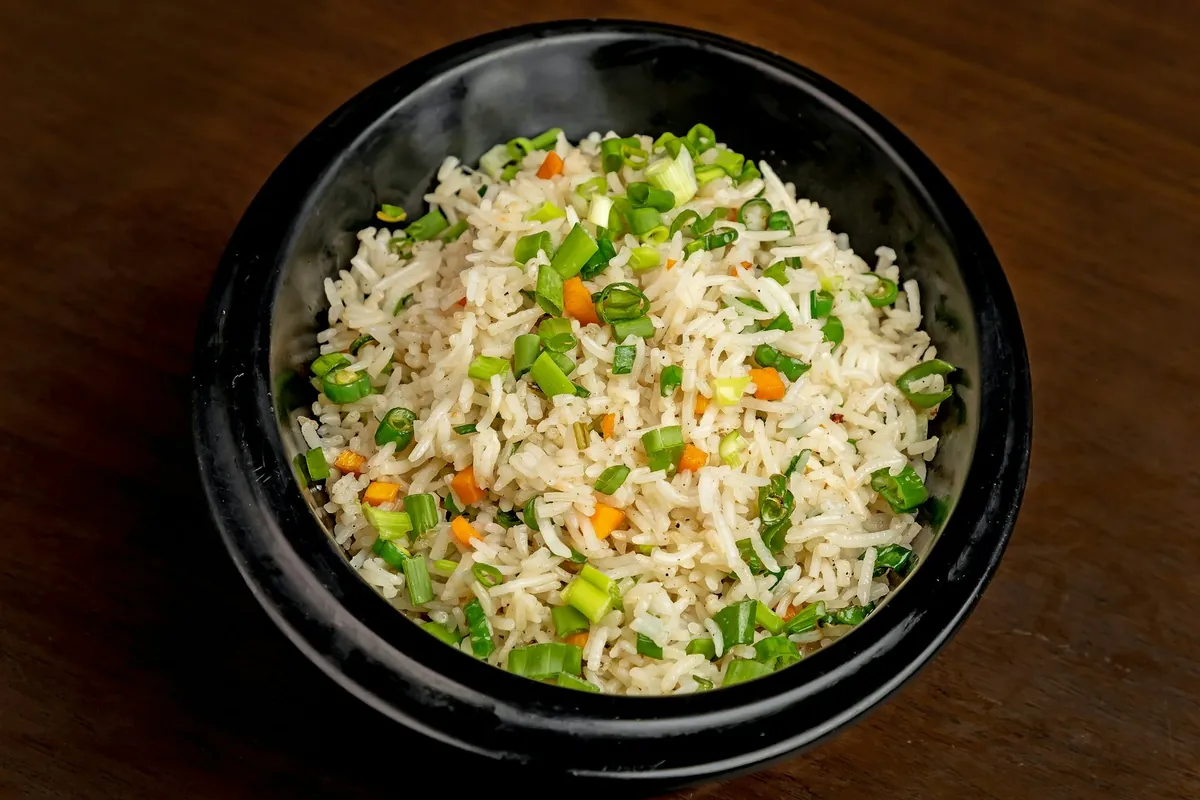
Fried rice is the most accommodating thing on the menu. It is dry, lightly seasoned and has no sauce of its own, which means it can sit under almost anything.
- Any sauced entree. Beef with broccoli, chicken with garlic sauce, shrimp with mushrooms — the rice catches what runs off the dish, which is exactly what you want.
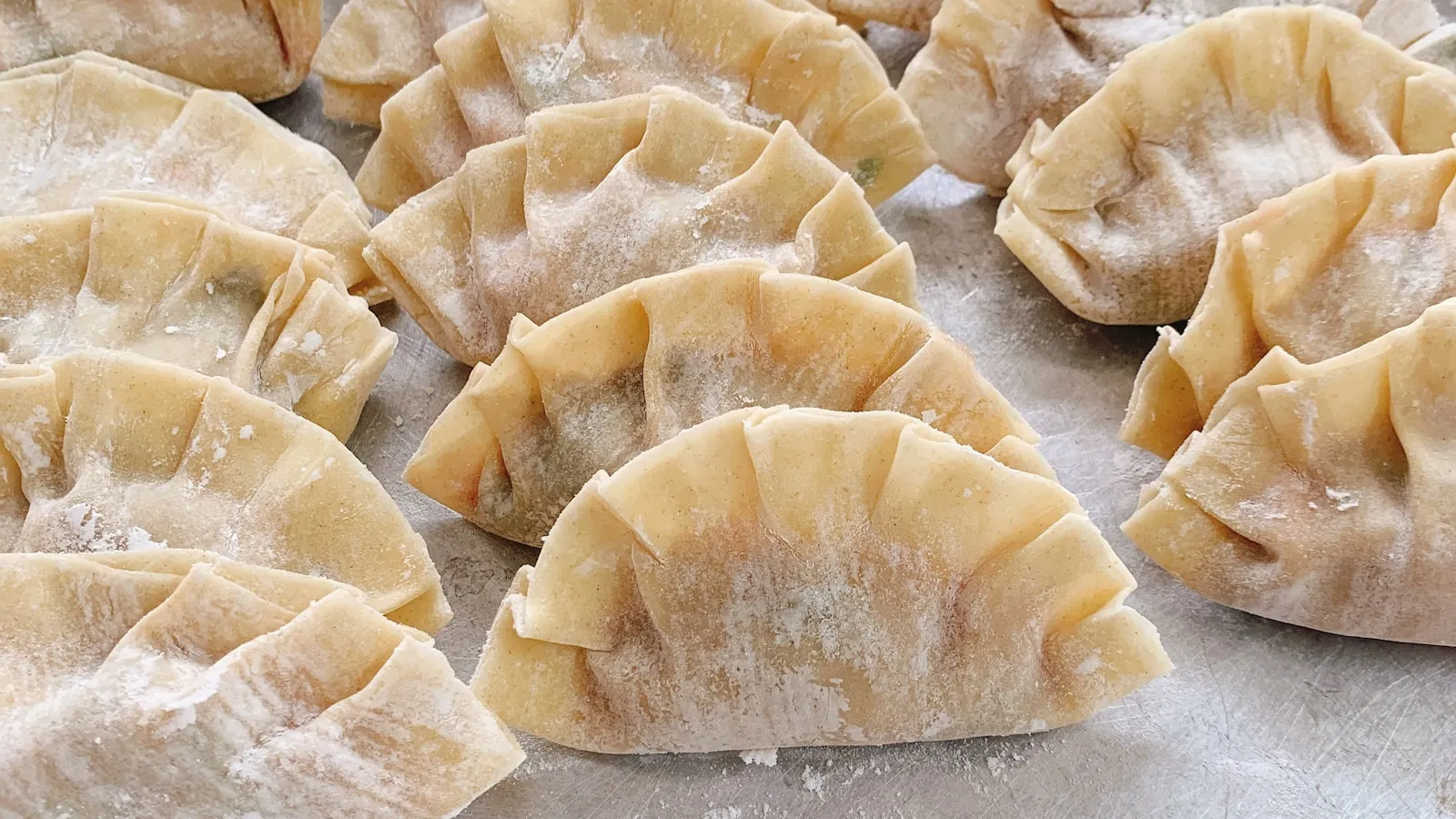
- Something crisp. Boneless ribs, wings or an egg roll add texture the rice does not have.
- A soup. Egg drop or wonton opens the meal without competing.
What works less well: a second rice-based dish, or a very sweet entree if the fried rice is already well-seasoned. Two seasoned starches on one table is the most common mistake.
What goes with lo mein
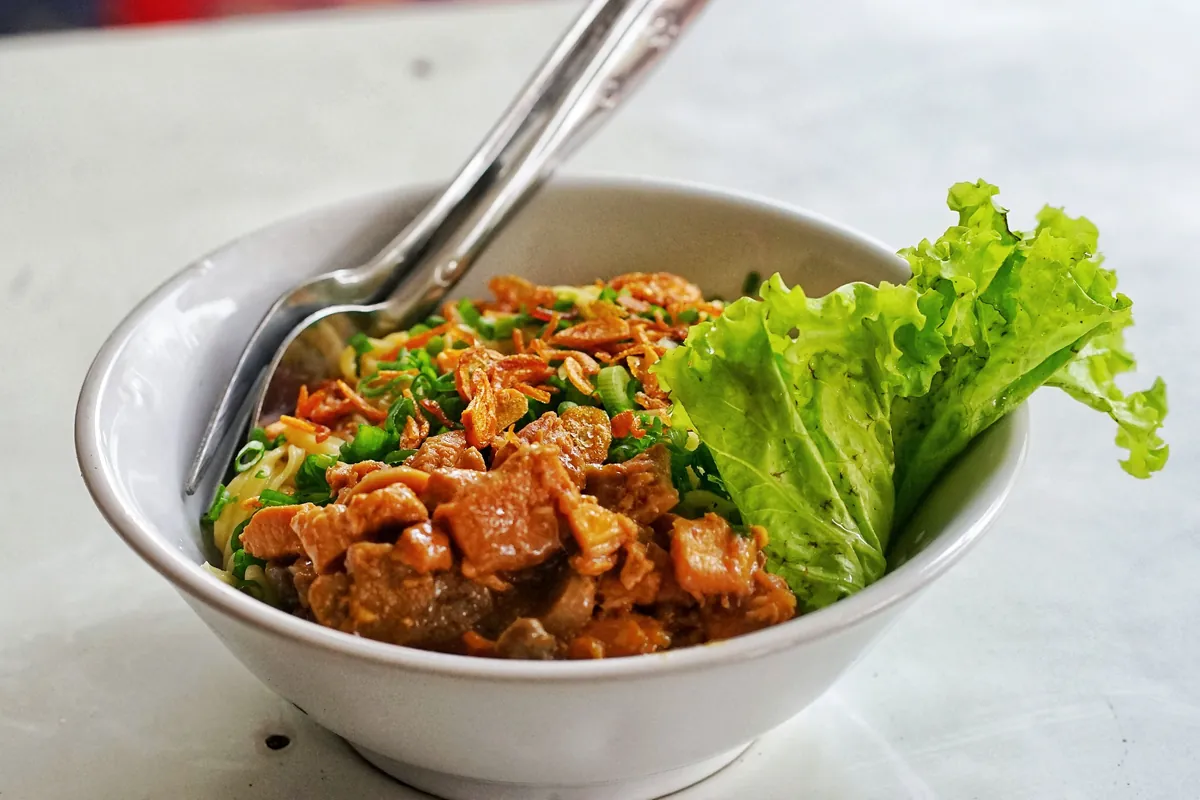
Lo mein is the opposite problem. It arrives soft, glossy and already sauced, so the thing you put beside it needs to bring contrast rather than more of the same.
- Something fried and crisp. This is the natural partner — boneless ribs, crab rangoon, fried wontons or a sweet crispy chicken dish.
- Something sharp. A sweet and sour dish, with its vinegar edge, cuts through the noodles well.
- A vegetable dish. Steamed or lightly sauced vegetables lighten a noodle-heavy meal.
What works less well: a heavily sauced brown-sauce entree on top of lo mein. Both are soft, both are sauced, and the plate ends up tasting like one thing.
The pairing table
| Your starch | Pairs well with | Also add | Avoid alongside |
|---|---|---|---|
| Fried rice | Any sauced entree | Something crisp, or a soup | A second seasoned starch |
| Lo mein | Crisp fried dishes, sweet and sour | A vegetable dish | Another sauced, soft dish |
| Chow mein | Sauced entrees | A soup | Another crisp fried item |
| Chow mei fun | Almost anything; it is light | A richer entree | A second noodle dish |
| Plain white rice | Anything sauced — it is a base | Two entrees rather than one | Nothing; it never clashes |
Build it in three moves
If you want a method rather than a list, this works for any group size.
- Pick one starch. Rice if your entrees are sauced, noodles if the noodles are the point. One, not two, unless you are feeding four or more.
- Pick entrees that contrast it. Sauced against dry rice; crisp or sharp against soft noodles. Vary the protein while you are at it.
- Add one thing from elsewhere on the menu. A soup or a starter, not a second entree. This is the step people skip, and it is what makes a takeout order feel like a meal.
What about two starches?
Worth being direct about, because it is the most common over-order. For one or two people, one starch is enough — a large lo mein alone will feed two people who are also having an entree.
For four or more, one of each genuinely helps, because it gives people a choice and stops the table tasting uniform. Our guide to fried rice vs lo mein covers that decision, and how much Chinese food to order per person covers the quantities.
Pairings that always work
Two people, one order
- Fried rice + a sauced chicken or beef dish + an egg roll each
- Lo mein + boneless ribs + a small soup
- Plain rice + two contrasting entrees
- Chow mei fun + one richer entree
Four or more
- One fried rice + one lo mein + three entrees
- One large soup to open, shared
- One appetizer piece per person
- Vary sweet, savory and one with heat
The one addition most orders are missing
If there is a single change worth making to a typical Chinese takeout order, it is adding a vegetable dish. Most orders are a starch plus one or two protein dishes, all of them sauced, and nothing on the table resets the palate between mouthfuls.
A vegetable dish — mixed vegetables, broccoli in a light sauce, or a steamed option — costs less than an entree and does more for the meal than a second protein would. It is also the dish most likely to get eaten the next day, since vegetables in a light sauce reheat better than anything battered.
The drink and the leftovers
Two small things that improve a Chinese order and cost almost nothing to think about.
Something cold and not sweet works better alongside a sauced, salty meal than another sweet drink does. And if you want leftovers, choose them deliberately: fried rice and lo mein both reheat well, while anything battered is best eaten the same evening.
Frequently asked questions
What goes best with fried rice?
A sauced entree, because fried rice is dry and catches whatever runs off the dish. Add something crisp such as an egg roll or ribs for texture, and a soup if you want a complete meal rather than a single plate.
What should I order with lo mein?
Something crisp or sharp rather than another sauced dish. Boneless ribs, crab rangoon or a sweet and sour dish all contrast well with soft, glossy noodles, where a second brown-sauce entree would blur into them.
Should I order both fried rice and lo mein?
For four or more people, yes — the contrast is useful. For one or two it is normally too much starch, and the entrees end up uneaten. Pick one and put the money into a better entree instead.
Does lo mein come with rice?
No. Lo mein is a noodle dish and a complete dish in itself, so rice is not included and does not normally need adding. If you want rice as well, treat it as a second starch and plan the rest of the order accordingly.
What is the most balanced Chinese order for two?
One starch, one or two entrees that contrast it, and one item from elsewhere on the menu such as a soup or an appetizer. That gives variety and texture without over-ordering.
The short version
Dry rice takes sauce; sauced noodles want crunch. Pick one starch, choose entrees that contrast it, and add one soup or starter from elsewhere on the menu.
Do that and a takeout order stops being two containers of similar food and starts being a meal.
Build your order
China King’s full menu covers rice, noodles, appetizers, soups and specials on Walter Reed Road in Fayetteville.
Sources
- Lo mein — on the dish and how it is served.
- Encyclopaedia Britannica: Chinese cuisine — on the shared-plate structure these menus assume.