Almost every Chinese menu has a section of combination plates, usually near the back, and they are the most misunderstood part of the menu. People either ignore them entirely or order them without realising they are a different kind of purchase.
A combination plate is one entree served with rice, and often an appetizer, portioned for one person and priced as a single item. It is not a smaller version of an entree — it is a complete meal, which makes it the simplest way to order for yourself rather than for a table to share.
What is actually on the plate
The exact contents vary by restaurant, but the structure is consistent.
- One entree — usually a slightly smaller portion than the standalone version.
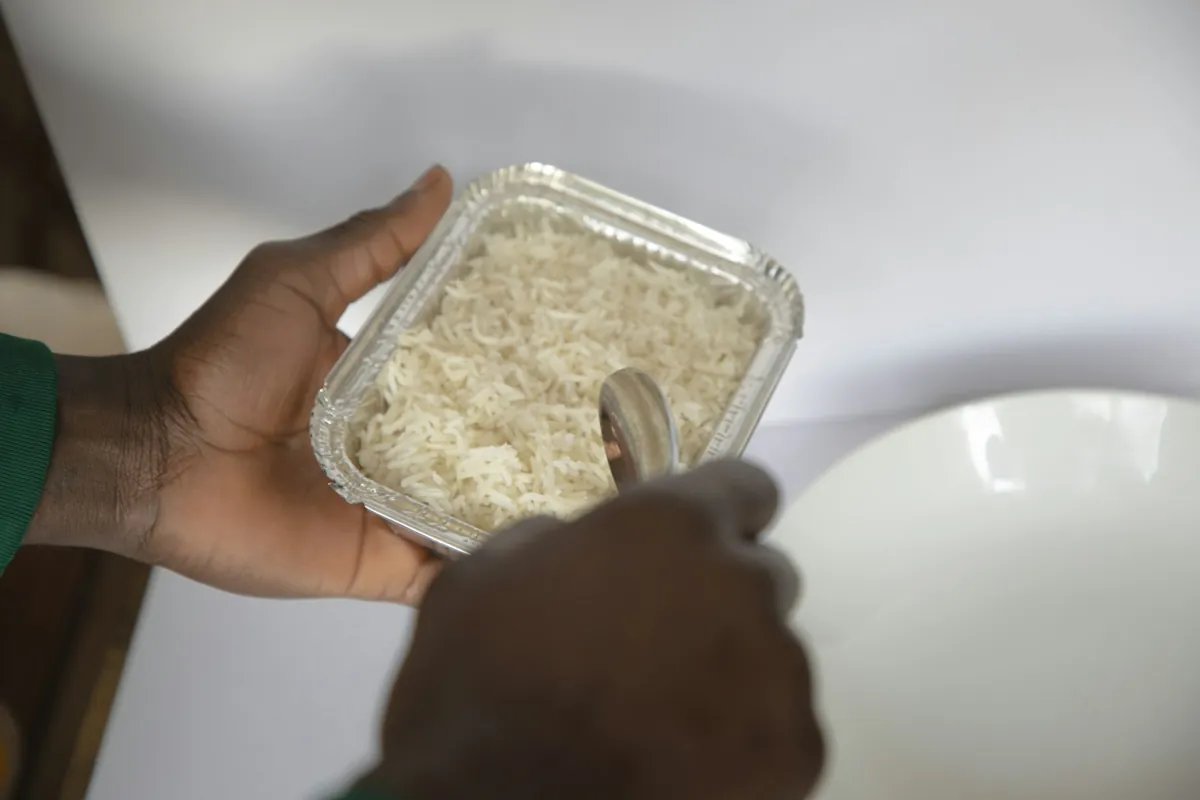
- Rice — commonly fried rice, sometimes with plain rice as an option.
- An appetizer — often an egg roll, at many restaurants but not all.
That last item is the one worth checking when you order, because it is the difference between a two-part and a three-part plate, and menus are not always explicit about it.
Why they exist
Chinese restaurant menus are built around sharing. Entrees are portioned for a table, rice is ordered separately, and the assumption is that several dishes will arrive at once and everyone will take from each.
That structure works badly for one person. Ordering a full entree plus a rice for yourself gives you too much food and two containers. The combination plate solves it by pre-assembling a single meal at a single price — which is why it is the busiest section of most menus at lunchtime.

Combination plate or entree?
| Feature | Combination Plate | Entree ordered separately |
|---|---|---|
| Portioned for | One person | Sharing, usually two |
| Rice | Included | Ordered separately |
| Appetizer | Often included | No |
| Containers | One | Two or more |
| Choice of dish | Limited to the combo list | The whole menu |
| Best for | Eating alone, lunch, children | A shared table |
| Value per person | Usually better for one | Better across two or more |
The decision is genuinely about who is eating, not about which is better. For one person a combination plate almost always wins. For three people, three combination plates is worse value and less variety than two entrees, a noodle dish and a rice to share.
When a combination plate is the right call
Order a combo plate if
- You are eating alone
- You are taking lunch to work or eating at a desk
- You are ordering for children, who do better with their own plate
- People in your group are eating at different times
- You want one container rather than several
Order separately if
- Two or more of you are eating together
- You want a dish that is not on the combo list
- You want plain rice rather than fried
- You want a full-size portion for leftovers
- You want variety across the table
How to choose from the combo list
The combination section is not a random subset of the menu — it is usually the dishes that hold up best as a single portion with rice. A few things to know when picking.
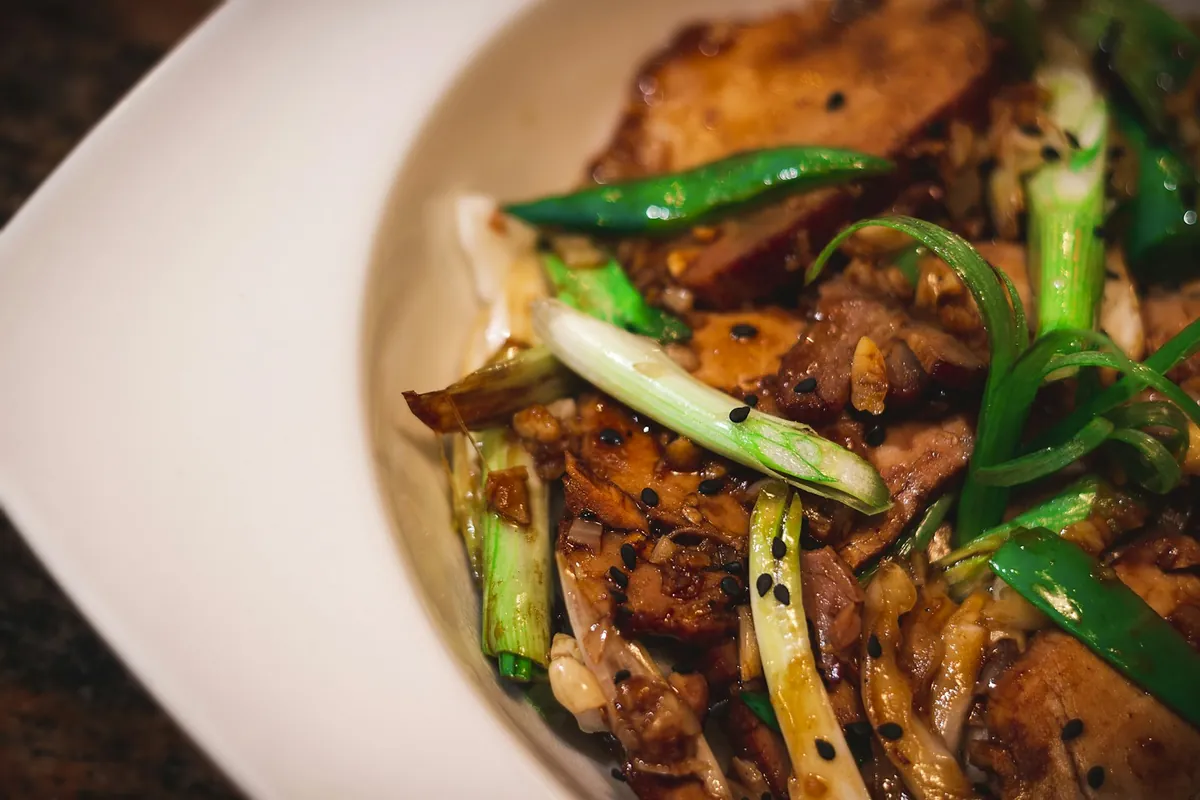
- Sauced stir-fries work best. The sauce carries into the rice, which is exactly what you want on a one-plate meal.
- Battered sweet dishes work least well. Sitting on hot rice in a closed container is the fastest way to lose a crisp coating.
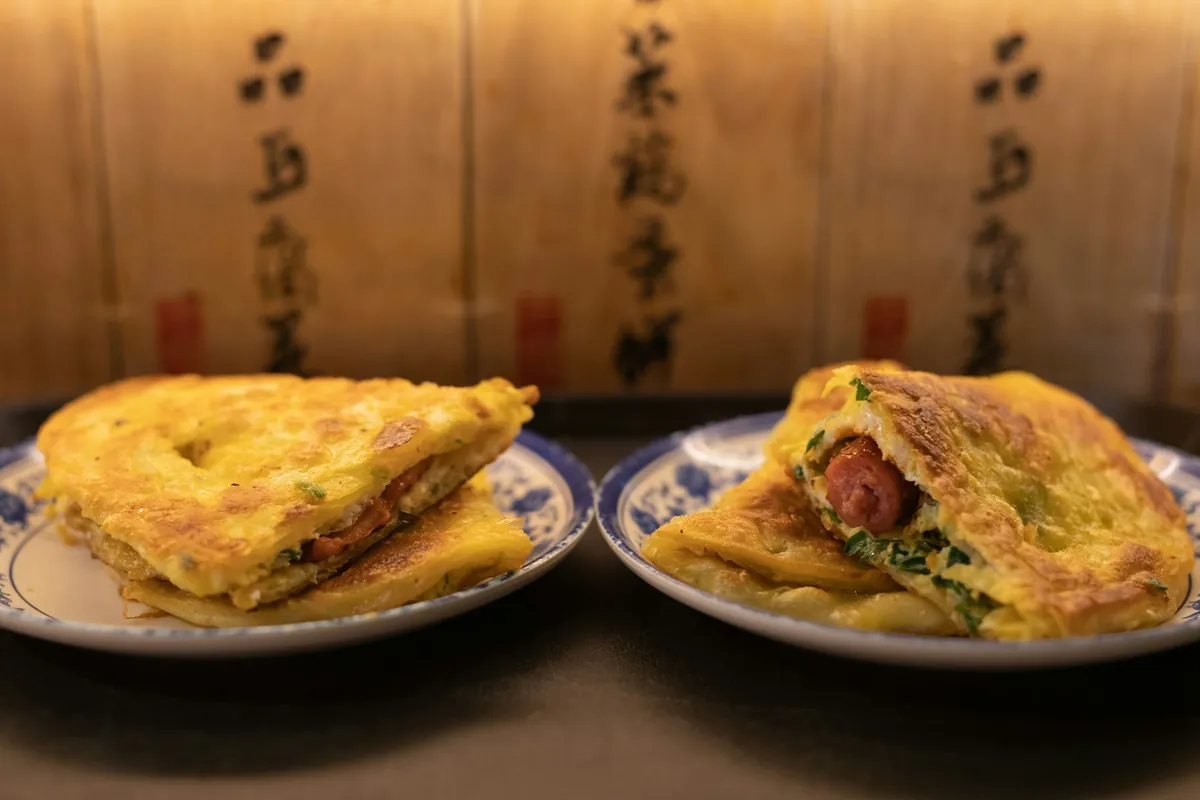
- Egg foo young is a strong combo choice because the gravy and the rice are natural partners.
- Ask about plain rice if the sauce is heavy. Fried rice plus a sauced entree is two seasoned things competing.
The lunch question
Combination plates are most popular at lunch for obvious reasons: one person, limited time, a single container, a fixed price. Many restaurants run a separate lunch menu with its own list and its own hours, which is usually a shorter selection at a lower price.
If you are ordering at lunchtime it is worth asking whether a lunch list is running, because the same dish can appear on both the lunch menu and the regular combination section at different prices and portions.
Ordering combination plates for a group
There is one situation where several combination plates beat sharing: when the group does not want to share. Families with children who each want their own thing, offices where people eat at different times, or a household where one person is eating now and another in an hour — in all of those, individual plates are simply more practical.
Just know what you are trading. You get convenience and portion control; you give up variety and the per-head value that comes from a shared table. Our guide to how much Chinese food to order per person covers the shared-table maths if you are weighing it up.

Frequently asked questions
What comes with a Chinese combination plate?
Typically one entree and rice, and at many restaurants an appetizer such as an egg roll. The exact contents vary between restaurants, so it is worth asking when you order rather than assuming an appetizer is included.
Is a combination plate cheaper than ordering separately?
For one person, usually yes, because you would otherwise pay separately for an entree and a rice. For two or more people sharing, ordering entrees and one rice between you generally works out better per head and gives more variety.
Is a combination plate smaller than an entree?
The entree portion is usually slightly smaller than the standalone version, but the plate as a whole is a complete meal because rice is included. It is designed to feed one person rather than to be shared.
Can I choose plain rice instead of fried rice?
Often yes, but it depends on the restaurant. It is worth asking, especially if your entree is heavily sauced, because plain rice carries a sauce better than an already-seasoned fried rice does.
Which dishes work best as a combination plate?
Sauced stir-fries and egg foo young work well, because the sauce and the rice suit each other. Battered, crisp-fried dishes work least well, since the coating softens sitting on hot rice in a closed container.
The short version
A combination plate is a complete single-person meal: entree, rice, often an appetizer, one price, one container. It is the right choice when you are eating alone or when nobody wants to share, and the wrong choice when two or more of you want variety across a table.
Ask what is included and whether plain rice is an option, and pick a sauced dish rather than a battered one.
Combination plates in Fayetteville
China King lists over forty combination plates on Walter Reed Road, plus family options for sharing.
Sources
- American Chinese cuisine — on how these menus and their combination formats developed.