China King · Food guides
Chinese Food Guides
Explainers on popular Chinese restaurant dishes - what they are and how they are served.
80 guides
Start here
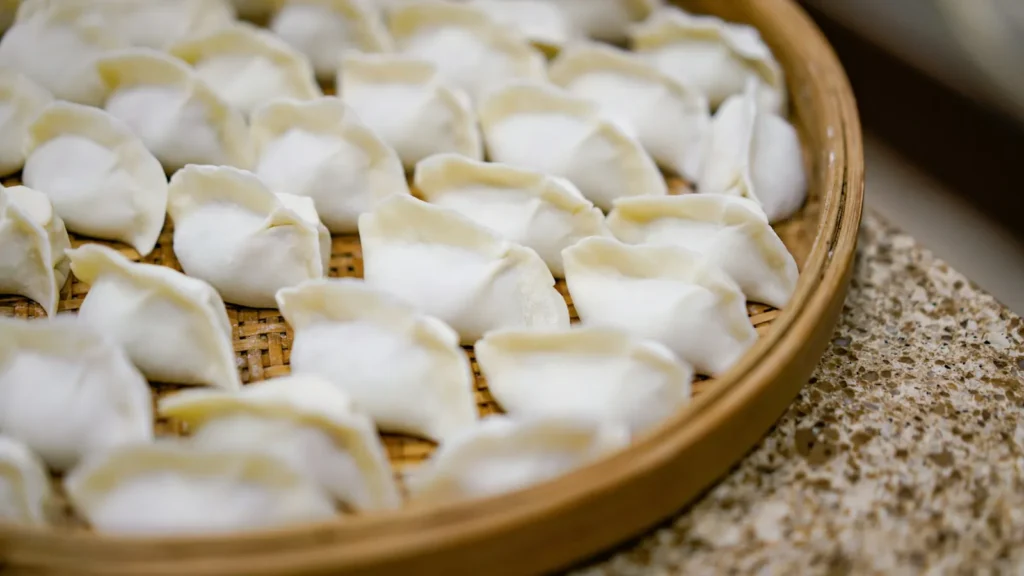
Popular Chinese Takeout Dishes Explained
A section-by-section reference to the Chinese takeout menu: noodles, rice, protein dishes, sweet and spicy plates, and what each one actually is.
Read the guideNo guide matches that. Try a shorter word — rice, pork, sauce — or .
-
01
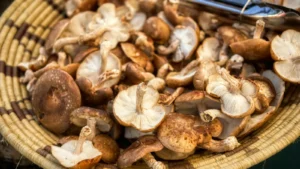
Dried Shiitake and Wood Ear: Two Ingredients Worth Owning
Dried shiitake is more savory than fresh, and the soaking water is stock. Wood ear tastes of nothing and is there for the texture. Both cost almost nothing.
-
02
Why Chinese Restaurants Hang Ducks in the Window
Hanging keeps the skin crisp - it is a method, not a display. What is on a siu mei counter, how to order, and which item reached American takeout menus.
-
03
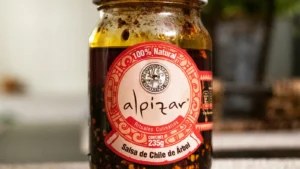
XO Sauce: Expensive for a Reason, and Named After Nothing
Dried scallop and shrimp fried with ham, chili and shallot. Why it costs what it does, why the cognac name means nothing, and the shellfish warning.
-
04
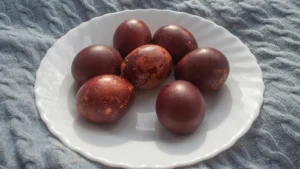
The Century Egg Is Not Rotten and Not a Century Old
An egg cured in alkali until the white sets to amber jelly and the yolk turns creamy. What the process does, what it tastes like, and the lead question.
-
05
Gai Lan, Bok Choy and Choy Sum: Which Green to Buy
Three greens that look similar and are not interchangeable. What each tastes like, why stems go in before leaves, and why takeout uses Western broccoli.
-
06
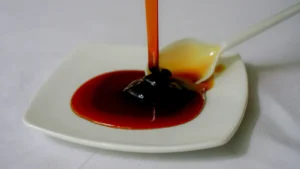
Chinese Black Vinegar: Sour Without Being Sharp
Chinkiang black vinegar is malty, smoky and lightly sweet rather than acidic. What it is, where it turns up, and why white vinegar is not a substitute.
-
07
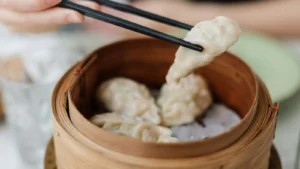
Soup Dumplings: How the Broth Gets Inside
The soup goes in as chilled jelly and melts while steaming. How xiao long bao work, how to eat one, and why takeout cannot carry them.
-
08
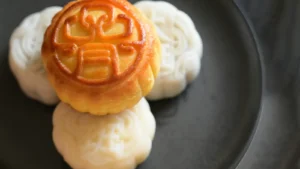
What Is a Mooncake? And Why You Should Not Eat a Whole One
A dense pastry of lotus paste around a salted egg yolk, eaten at the Mid-Autumn Festival. Cut it into wedges and share it - eating one whole is the mistake.
-
09
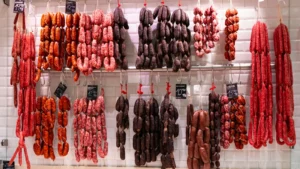
Chinese Sausage (Lap Cheong): Sweet, Fatty and Not Ready to Eat
Lap cheong is cured but raw, distinctly sweet, and deliberately fatty. Sliced over steaming rice the fat renders through and makes the meal.
-
10
Chinese Cooking Wine: What It Does and What Is Left In
Shaoxing wine softens off-notes and adds depth without tasting of itself. Cooking reduces the alcohol but does not reliably remove it - so ask.

-
11
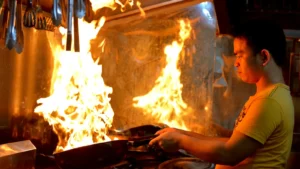
Wok Hei: The Flavor Your Home Stove Cannot Make
The seared, faintly smoky aroma of good stir-fry has a name. What produces it, why domestic burners cannot, and why it fades before takeout reaches home.
-
12
What Is Hoisin Sauce? (There Is No Seafood In It)
Fermented soybean paste with sugar, vinegar and spice - thick, dark and sweet-savory. Why the name says seafood, and how it differs from oyster sauce.
-
13
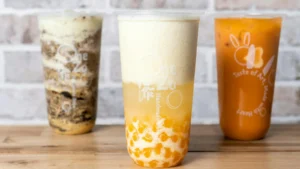
What Is Bubble Tea? (It Is Taiwanese, Not Chinese)
Shaken sweet milk tea over chewy tapioca pearls, invented in 1980s Taiwan. What the pearls are, why the sugar level matters, and why Chinese menus skip it.
-
14
What Is Congee? The Most Eaten Chinese Dish You Have Not Tried
Rice simmered until it becomes savory porridge, finished at the table with ginger, scallion and fried dough. Why no takeout kitchen carries it.
-
15
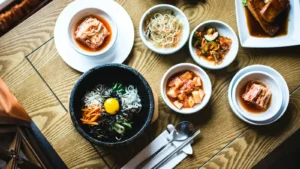
Chinese, Thai and Japanese Takeout Are Not the Same Thing
Chinese layers savory depth, Thai balances sweet, sour, salty and hot at once, Japanese takes things away. What each does best, and when to order it.
-
16
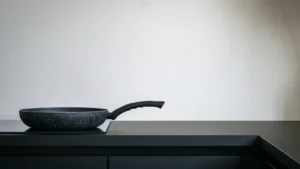
Do You Need a Wok? Probably Not
A wok needs heat most home stoves cannot supply, so a heavy flat pan beats it. The two purchases actually worth making are a cleaver and a steamer.
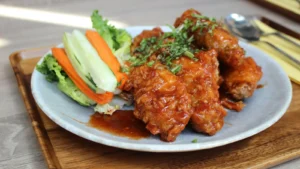
-
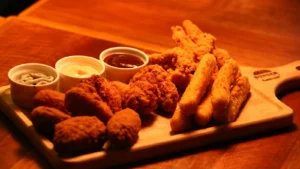
17
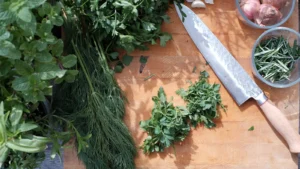
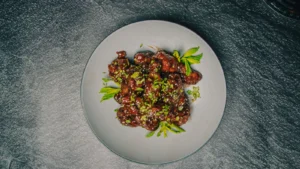
Ginger, Garlic and Scallion: The Base of Every Chinese Dish
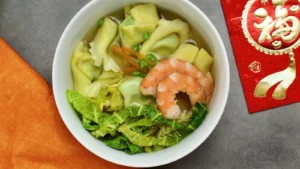
Three ingredients start almost every savory Chinese dish and appear in none of the names. Why they cook for seconds, and why burnt garlic ruins everything.
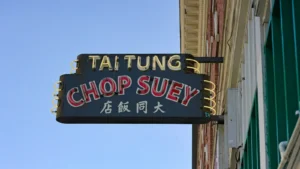
-
18
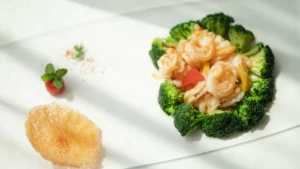
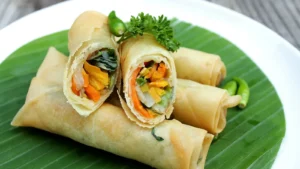
How Chinese Restaurants Cook Rice (and Why Yours Is Different)
Long-grain jasmine, rinsed and rested, cooked in bulk. And fried rice needs cooled day-old rice, which is why home versions turn to paste.
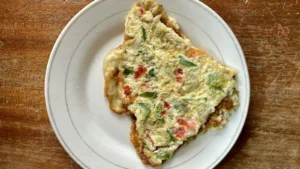
-
19
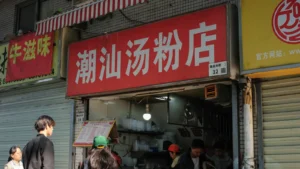
How to Tell If a Chinese Restaurant Is Any Good
Turnover, specificity and consistency are the real signals. Why the popular folk wisdom about run-down rooms and long menus tells you nothing.
-
20
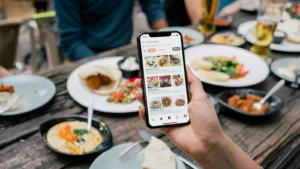
Delivery Apps vs Ordering Direct: What It Actually Costs
Apps are good at discovery and tracking. They add fees for you and commonly 15-30% commission for the restaurant. When each one makes sense.
-
21
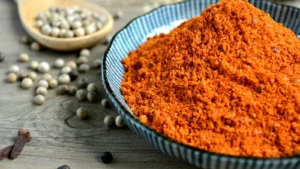
What Is Chinese Five Spice? (And Why It Is Not Spicy)
Star anise, cinnamon, cloves, fennel and Sichuan peppercorn. Why star anise dominates, why the blend is not hot, and which dishes actually use it.
-
22
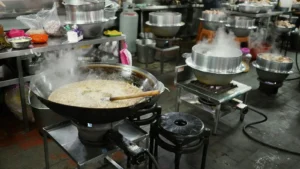
What Oil Is Used in Chinese Cooking (and Why Not Sesame)
The cooking oil is neutral and high-heat because its job is moving heat, not flavor. Sesame oil is a finishing seasoning that must never see a hot pan.
-
23
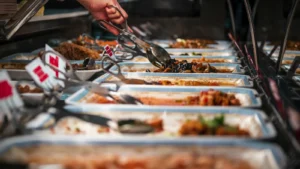
Chinese Buffet vs Takeout: One Variable Explains It
Buffet food is held; takeout is cooked to order. That single difference explains the softened coatings, the fixed price and which dishes to pick where.
-
24
What Is Peking Duck? And Why No Takeout Place Has It
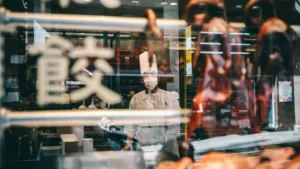
A whole duck, days of air-drying and a hanging oven, served as an assembly kit with pancakes. Why the skin is the dish and why takeout cannot do it.
-
25
What Is Chinese Hot Pot? The Meal You Cook Yourself
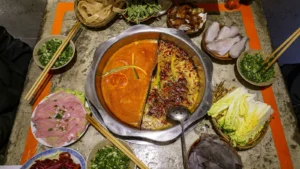
A simmering pot of broth, plates of raw ingredients, and two hours of cooking your own dinner. Why hot pot is the one format that cannot be takeout.
-
26
What the Numbers on a Chinese Menu Actually Mean
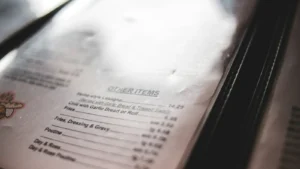
The letter is the section, the number is the position. Why ordering by code beats ordering by name, and why the missing numbers are never reused.
-
27
What Are Water Chestnuts, Bamboo Shoots and Baby Corn?
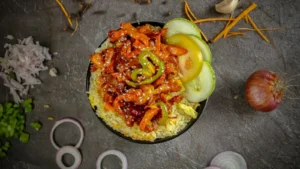
Water chestnuts are not chestnuts, bamboo shoots must be boiled first, and baby corn is real corn picked early. The vegetables nobody can identify.
-
28
Soy Sauce: Light, Dark, and Why Most of It Has Wheat In It
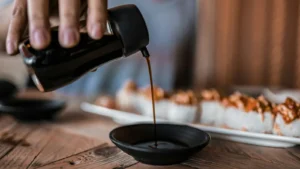
Soy sauce is brewed for months from soybeans, wheat and salt. Light is the salty one, dark is for color - and most of it contains wheat.
-
29
What to Drink With Chinese Food
Tea works because it is hot, unsweetened and astringent - exactly what fried and sweet food needs. Why takeout menus sell soda instead, and what pairs.
-
30
The Chinese Zodiac Placemat Is Probably Wrong About You
The zodiac cycle turns at Lunar New Year, not January 1st, so placemats give January birthdays the wrong animal. The twelve animals explained.

-
31
How to Ask for Changes to a Chinese Takeout Order
Changes to what goes into the wok are easy; changes to how a dish is finished often are not. Which requests work, how to ask, and when to phone.

-
32
Lunar New Year Foods and the Puns Behind Them
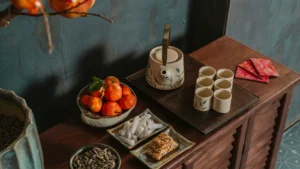
Dumplings for money, whole fish for surplus, uncut noodles for long life. What is eaten at Lunar New Year, why, and which dishes reach a takeout menu.
-
33
What Is Dim Sum? And Why It Is Not on a Takeout Menu
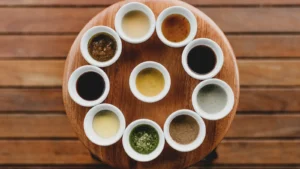
Dim sum is small steamed plates eaten with tea in the late morning. Why a takeout kitchen cannot do it, and which dishes are its genuine relatives.
-
34
Why Chinese Restaurants Are Open on Christmas
Open because the holiday carries no obligation, busy because everything else is shut - and traditional because two immigrant communities were neighbors.
-
35
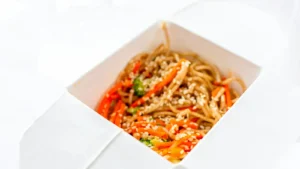
The Chinese Takeout Box Was Invented for Oysters
That white folded box is an oyster pail from the 1890s. Why Chinese restaurants adopted it, what replaced it, and whether it really unfolds into a plate.
-
36
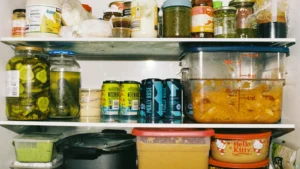
Chinese Food Leftovers: Storing and Reheating Them Properly
Three to four days in the fridge, reheated to 165F. Why a pan beats the microwave for fried rice, and why battered dishes need an oven.
-
37
How American Chinese Food Came to Be
Cantonese cooking from one province, adapted to American produce and tastes under laws that left few other trades open. A 150-year-old cuisine of its own.

-
38
MSG in Chinese Food: What the Evidence Actually Says
MSG is a salt of an amino acid found in tomatoes and parmesan. The FDA calls it safe, and the syndrome named after Chinese restaurants has not held up.
-
39
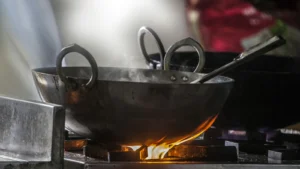
How a Chinese Takeout Kitchen Turns Out Five Dishes in Ten Minutes
The menu is a grid of about twenty components, not two hundred recipes. Why prep happens before service, and what a wok station actually does.
-
40
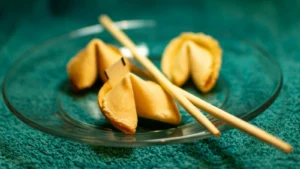
Are Fortune Cookies Chinese? Not Even Slightly
Fortune cookies came from Japanese-American bakeries in California, not China. How they reached Chinese restaurants, and what is actually in them.
-
41
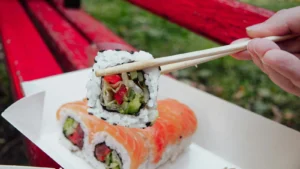
How to Use Chopsticks (and When to Use a Fork)
The bottom chopstick never moves - that is most of the skill. Plus what to practice on, the one convention that matters, and when a fork is better.
-
42
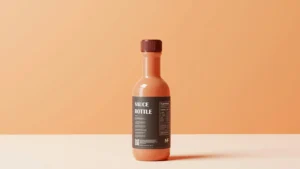
Duck Sauce and Hot Mustard: What Is In the Packets
Duck sauce is fruit, vinegar and sugar with no duck in it. Hot mustard is powder and water, which is why it is so sharp and fades so fast.
-
43
Chinese Menu Words Decoded: Chow, Lo, Ding, Subgum
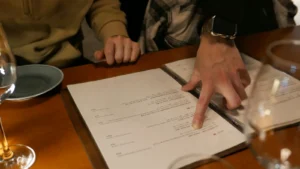
Chow means fried, lo means tossed, ding means diced, subgum means assorted. The dozen words that make most Chinese menu names read straight through.
-
44
Happy Family, Triple Delight and the Mixed Platters
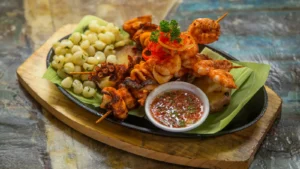
Happy Family, Triple Delight, Dragon and Phoenix: all mixed-protein platters for a table that cannot agree. What each contains and when they are worth it.
-
45
Cashew Dishes and Nuts on a Chinese Menu
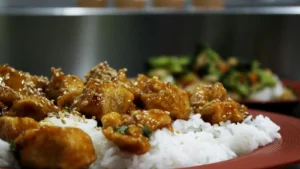
Chicken with cashew nuts is mild and textural by design. Which dishes conventionally contain nuts - including Kung Pao, which does not say so.
-
46
Chinese Chicken Fingers: Battered, Not Breaded
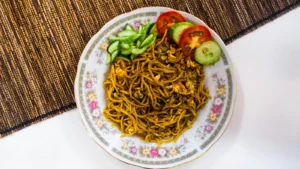
Chinese chicken fingers use a light wet batter instead of breadcrumbs, which is why they are smoother, milder and come fifteen to an order.
-
47
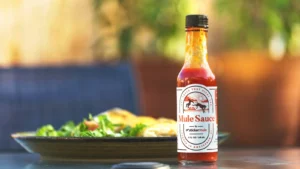
Teriyaki on a Chinese Menu: What It Is and Why It Is There
Teriyaki is a Japanese glaze-grilling method that lives on Chinese takeout menus as beef or chicken skewers. Sweet, grilled not fried, five to an order.
-
48
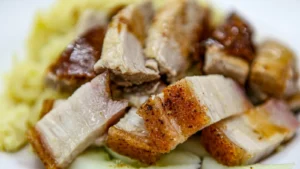
What Is Mongolian Beef? (It Is Not From Mongolia)
Mongolian beef is sliced beef and scallions in a thick sweet dark sauce. Not Mongolian, rarely spicy, and richer than pepper steak or beef with broccoli.
-
49
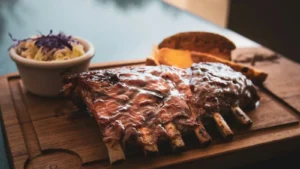
What Is Bourbon Chicken? And Does It Contain Bourbon?
Bourbon chicken is fried chicken in a sweet, dark, sticky soy and brown sugar sauce. Most versions contain no alcohol - and the name is probably a street.
-
50
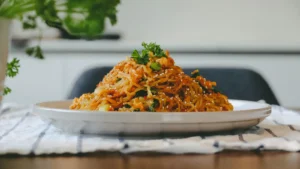
What Is a Chinese Donut? Two Answers, Both Correct
A Chinese donut is fried dough - either small sugared balls or the longer, barely sweet youtiao. Why it sits on the appetizer page, and what to ask.
-
51
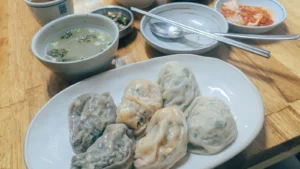
Dumplings vs Wontons: The Wrapper Is the Difference
Wonton wrappers are thin and square, dumpling wrappers thick and round - and that changes everything. Fried, boiled and soup versions compared.
-
52
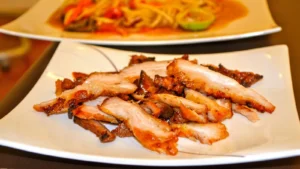
Chinese Roast Pork: The Menu Ingredient Nobody Orders
Almost all the pork on a Chinese menu is the same sliced roast pork. The six pork dishes compared, and why it turns up in every other section.
-
53
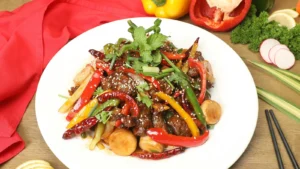
Chinese Pepper Steak: Why the Name Misleads
Pepper steak is beef with sweet bell peppers and onion in a brown sauce - not spicy at all. How it compares to beef with broccoli, and why it reheats well.
-
54
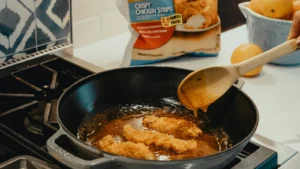
What Is Moo Goo Gai Pan? The Name Explains the Dish
Moo goo gai pan is sliced chicken with button mushrooms in a light white sauce. The Cantonese name is literal, and the dish is the mildest on the menu.
-
55
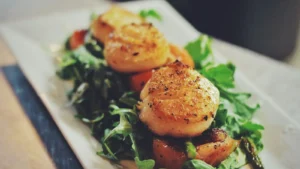
Chinese Scallop Dishes: Fried, Stir-Fried and Steamed
Fried scallops are a cheap battered snack; specials scallops are stir-fried mains. Why the same shellfish sits at both ends of one menu.
-
56
Which Garlic Sauce Dish Should You Order?
Garlic sauce appears on eight dishes across a Chinese menu. The sauce never changes - so choose by protein. Chicken, beef, shrimp and broccoli compared.
-
57
Pickup or Delivery? Ordering Chinese Food So It Arrives Right
Sauced dishes and noodles travel well; battered food does not. Which dishes to collect, when to order online, and why venting the lid matters.
-
58
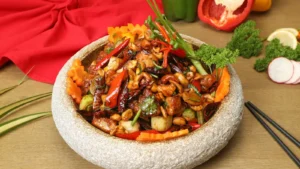
Chef’s Specials on a Chinese Menu: How to Read the Section
Chef's specials are made individually, not assembled from the menu's shared parts. The four kinds of dish, how names decode, and when to order one.
-
59
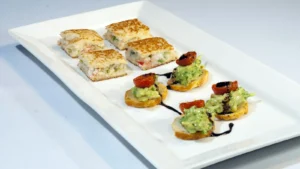
What Is a Pu Pu Platter? The Shared Tray Explained
A pu pu platter is a shared tray of fried appetizers with a Hawaiian name. What is usually on it, whether it is worth it, and what to ask.
-
60
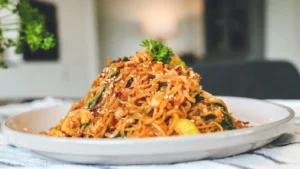
Crab Rangoon and Fried Crab Sticks: What Is Really In Them
Crab rangoon is mostly cream cheese, and the crab is usually imitation crab made from fish. What both dishes contain, and what to ask.
-
61
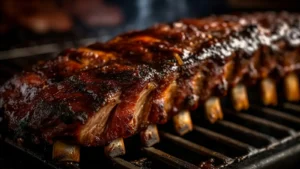
Spare Ribs, Boneless Ribs and Rib Tips: What Is the Difference?
Three rib dishes, three different orders. Bone-in spare ribs, sweeter boneless strips and cartilage-heavy fried rib tips compared.
-
62
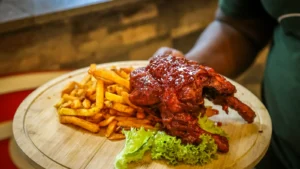
Chinese Takeout Chicken Wings: The Four Styles Explained
Chinese restaurant wings are fried with the seasoning in the coating, not a sauce. Plain, honey, hot and garlic sauce compared.
-
63
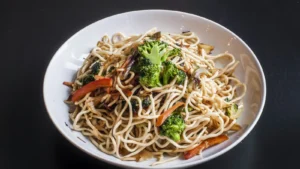
What Is Coconut Chicken? A Chinese Menu Guide
Coconut chicken is fried chicken in a sweet coconut sauce, usually with shredded coconut. How it compares to sweet and sour, and what varies.
-
64
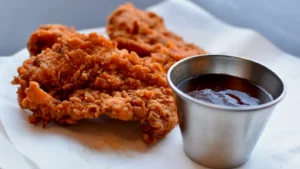
Chinese Chicken Dishes Explained: The Section You Skip
The chicken section is sliced chicken with a vegetable or sauce - savory, not sweet. What moo goo gai pan is, and how it differs from General Tso’s.
-
65
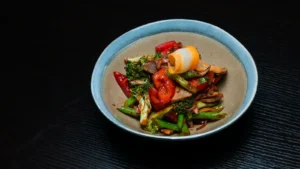
Beef, Chicken or Shrimp with Broccoli: Which to Order
The broccoli dishes are one preparation with four proteins. Beef is richest, chicken mildest, shrimp lightest - how to pick between them.
-
66
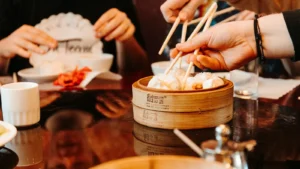
Steamed Chinese Dishes Explained
Steamed dishes are cooked without batter or oil, with the sauce served separately. What is in the section, when to order it, and what to pair it with.
-
67
Chinese Vegetable and Tofu Dishes Explained
Mixed vegetables, Buddhist Delight, bean curd and sesame tofu - what each is, how they differ, and why the section is not automatically vegetarian.

-
68
Sweet and Sour Explained: Pork, Chicken or Shrimp
Sweet and sour is battered meat with a sugar-and-vinegar sauce, often served on the side. How it differs from General Tso’s and which protein to pick.
-
69
Chinese Shrimp and Seafood Dishes Explained
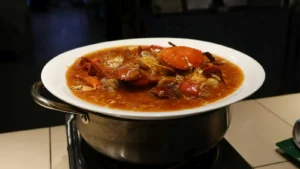
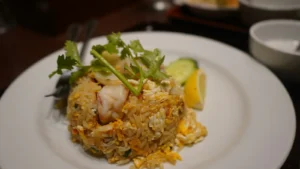
Stir-fried, battered or steamed - the three ways Chinese restaurants cook shrimp and seafood, plus why lobster sauce contains no lobster.
-
70
Chinese Beef Dishes Explained: What to Order and Why
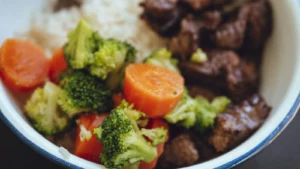
Chinese restaurant beef is thinly sliced and cooked fast. How broccoli, pepper steak, oyster sauce, garlic sauce and Mongolian beef actually differ.
-
71
Chinese Sauces Explained: Brown, Garlic, Oyster and Lobster
Brown, garlic, oyster, lobster, curry and black bean sauce - what each one tastes like, which dishes use it, and why lobster sauce has no lobster.
-
72
Szechuan vs Hunan vs Kung Pao: Spicy Chinese Dishes Compared
Szechuan brings a numbing tingle, Hunan a direct burn, and Kung Pao is a sweet-tangy dish with nuts. How to pick the right spicy dish to order.
-
73
Chinese Appetizers: What to Order to Start
Egg rolls, dumplings, crab rangoon, wings or a pu pu platter? What each Chinese appetizer is, how filling it is, and how many to order.
-
74
General Tso’s vs Sesame vs Orange Chicken: Which to Order
General Tso's is sweet with chili heat, sesame chicken is sweeter and nutty, orange chicken is sweet and citrusy. How to pick between them.
-
75
Chinese Soups Explained: Wonton, Egg Drop and Hot & Sour
Wonton, egg drop, hot and sour or vegetable? What is in each Chinese restaurant soup, how they differ, and which one to order with your meal.
-
76
What Is Chop Suey? The Chinese Menu Classic Explained
Chop suey is a mild stir-fry of meat and mixed vegetables in a light sauce, served over rice. What is in it, and how it differs from chow mein.
-
77
Egg Roll vs Spring Roll: What Is the Difference?
Egg rolls have a thick, bubbly fried wrapper; spring rolls are thinner and lighter. A clear comparison of fillings, texture and which to order.
-
78
What Is Egg Foo Young? A Simple Guide
Egg foo young is a Chinese egg patty filled with vegetables and meat, served with brown gravy. Learn what is in it, how to order it, and what to pair it with.
-
79
What Is Moo Shu? The Chinese Restaurant Dish Explained
Moo shu is a shredded stir-fry served with thin pancakes and hoisin sauce. Learn what is in it, how to roll it, and how to order it at a Chinese restaurant.