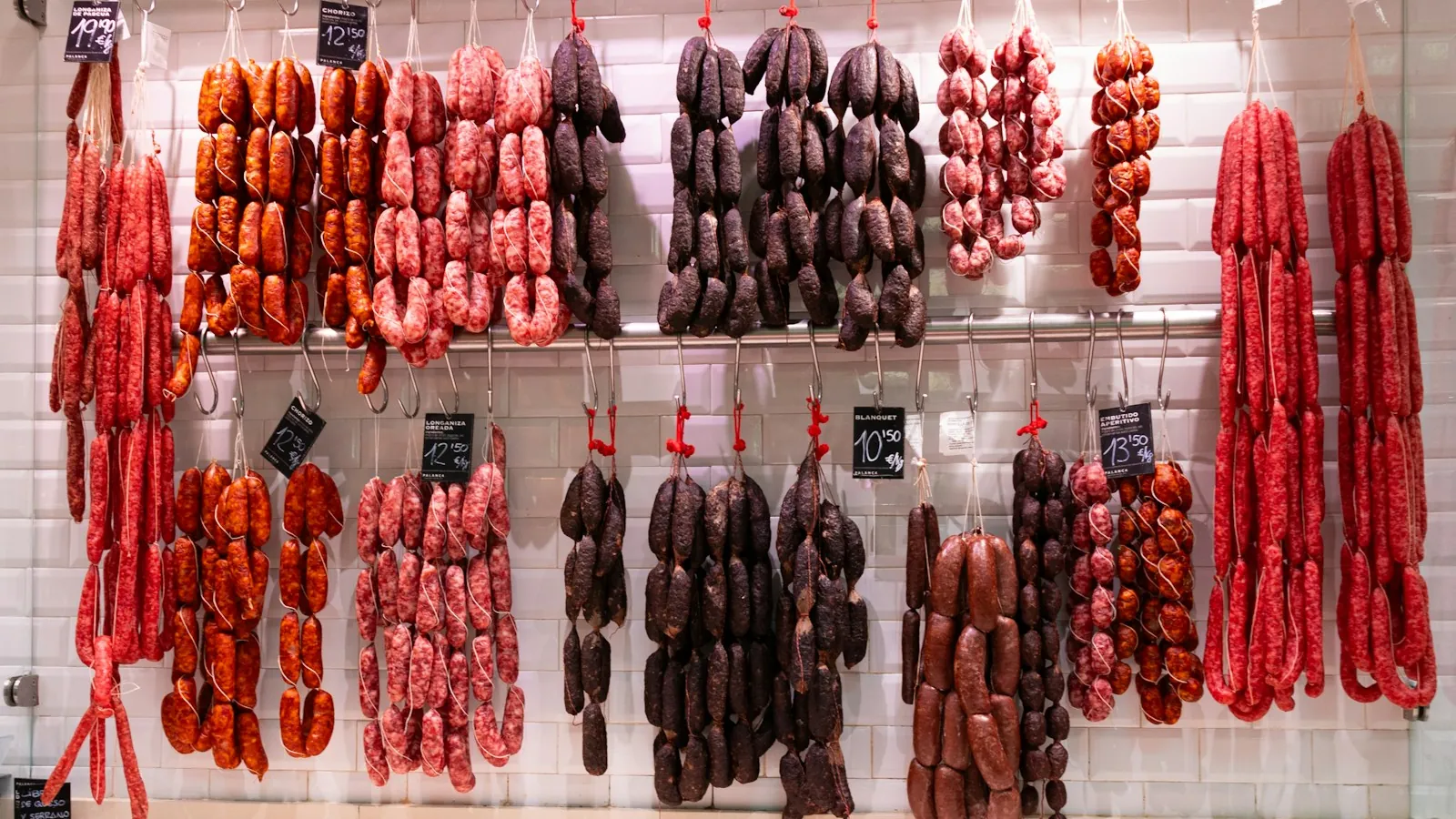
In the refrigerated aisle of any Asian grocery there are links of dark red, oddly rigid sausage hanging in vacuum packs. They look like salami and behave nothing like it, and they are one of the most useful ingredients you can keep in a domestic kitchen.
Chinese sausage — lap cheong in Cantonese — is a dried, cured pork sausage, sweetened and usually flavored with rice wine and soy. It is not ready to eat: it is cured but raw, and it must be cooked. Sliced thin and steamed or fried, it transforms plain rice.

What it is, and what it is not
Pork and pork fat, seasoned, stuffed into a casing and air-dried. That much sounds like a European cured sausage, and the resemblance ends there.
The seasoning is the first difference. Chinese sausage is distinctly sweet — sugar is a primary ingredient, not a background one — and it is typically flavored with rice wine and soy sauce. Our guide to Chinese cooking wine covers the wine that goes into it.
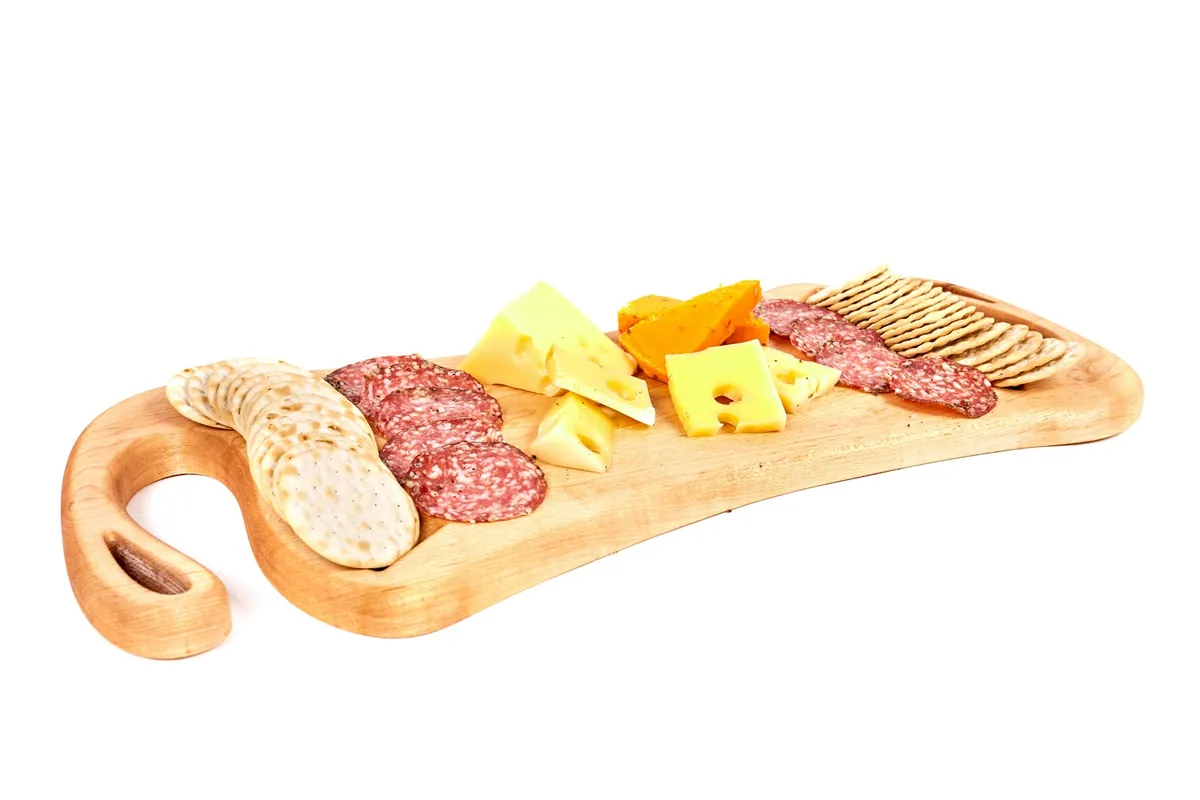
The second difference matters more: it is not a ready-to-eat product. Unlike salami or chorizo, which are fermented and cured to be eaten as they are, lap cheong is dried but raw and must be cooked before eating. Slicing it onto a board like charcuterie is a genuine mistake rather than an unconventional choice.
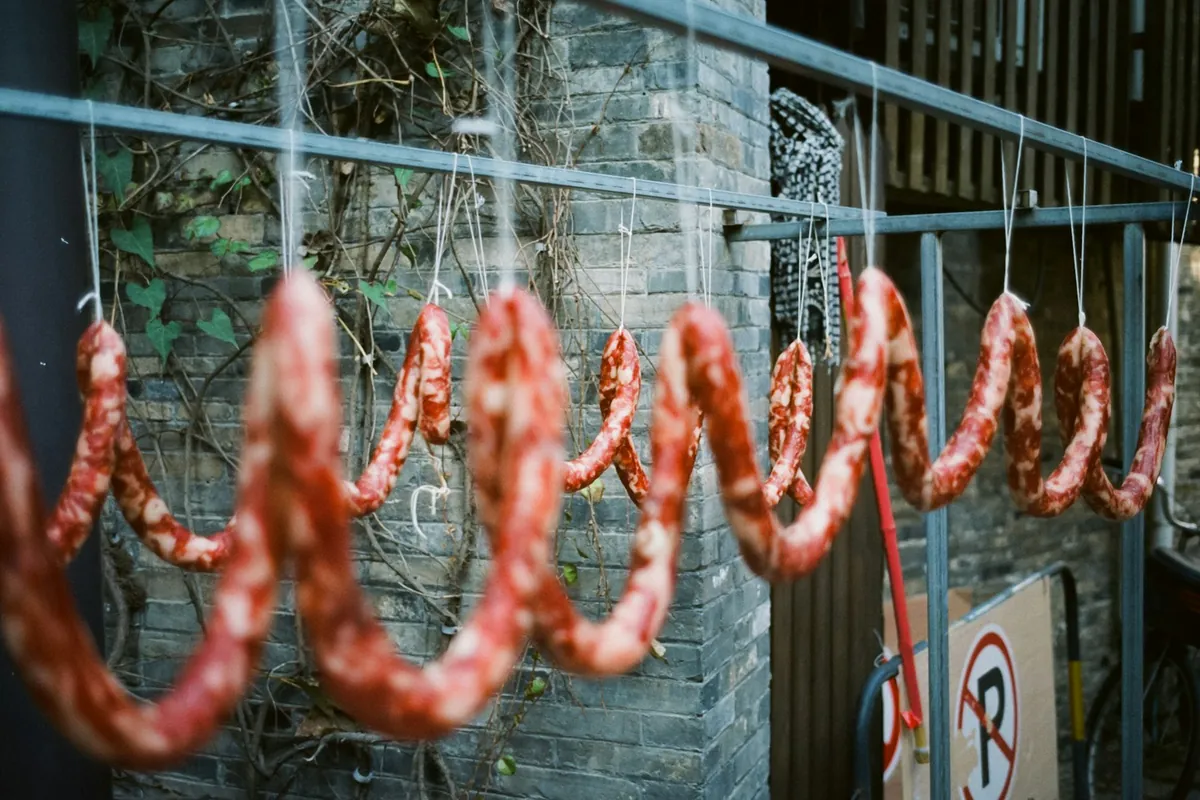
You can see it in the texture. Uncooked, it is hard and waxy rather than yielding, and the fat is opaque white rather than translucent. Cooked, the fat renders and the whole thing becomes soft, glossy and fragrant.
What it tastes like
Sweet first, then salty, then unmistakably porky, with a slight winey warmth behind it. The sweetness surprises people who expect something closer to pepperoni.
The fat is the point. Chinese sausage is deliberately fatty, and when it heats, that fat renders out and carries the sweetness and seasoning into whatever it is cooking with. A few slices flavor a whole pan of rice.
There are variations worth knowing. The standard is pork. A darker, softer version made with duck liver — often labelled liver sausage — is richer and more intense, and is worth trying once you like the plain kind. Some versions are spiced or smoked.
How it is used
| Dish | How it is used | What it adds |
|---|---|---|
| Clay pot rice | Sliced over rice as it steams | Fat and sweetness through every grain |
| Fried rice | Diced, fried early | Flavors the oil before anything else goes in |
| Sticky rice dishes | Chopped through the filling | Richness against plain glutinous rice |
| Steamed with rice | Laid on top, whole or sliced | The simplest possible use; a full meal |
| Stir-fried greens | A few slices, rendered first | Turns a plain vegetable into a dish |
The steamed-over-rice version is the one to try first, because it requires no skill at all. Slice it thin, lay it on top of rice in the last ten minutes of cooking, and the fat renders down into the grains. That is the whole recipe, and it is genuinely one of the better things you can eat — our guide to how restaurants cook rice covers the base.
Buying and keeping it
What to look for
- Firm, dry links with visible fat
- Deep red rather than dull brown
- Vacuum-packed, from a refrigerated case
- A pork version for a first purchase
Handling
- Refrigerate after opening; it freezes well
- Slice thin, on a diagonal
- Always cook before eating
- Render it early, so the fat flavors the pan
It keeps for a long time refrigerated and effectively indefinitely frozen, which is what makes it such a practical thing to own. A pack in the freezer turns plain rice into dinner on any evening you cannot face cooking properly.
Slicing on a diagonal is not fussiness — it gives more surface area for the fat to render from, which is the whole mechanism by which the sausage does its work.
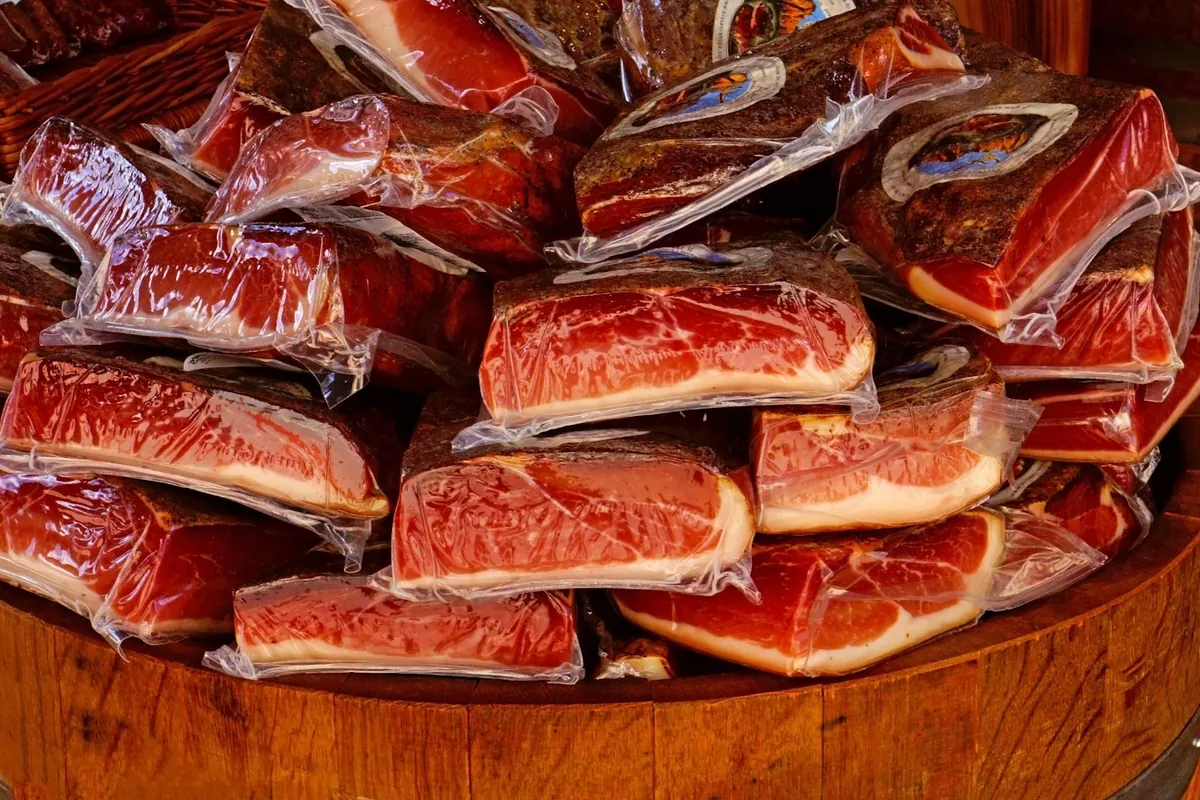
Why it is not on takeout menus
Two reasons, and neither is about the ingredient being obscure.
The flavor is unfamiliar. A sweet pork sausage in fried rice is a normal thing across southern China and a surprising one to an American palate. American Chinese menus were shaped by what sold, and the protein options that survived were chicken, beef, roast pork and shrimp — our guide to how American Chinese food came to be covers that selection.
Roast pork already does the job. A takeout kitchen already keeps sliced roast pork ready for every section of the menu, and it is sweet-edged, savory and pre-cooked — our guide to roast pork covers how far it travels across a menu. Adding a second cured pork product would duplicate that without adding much.
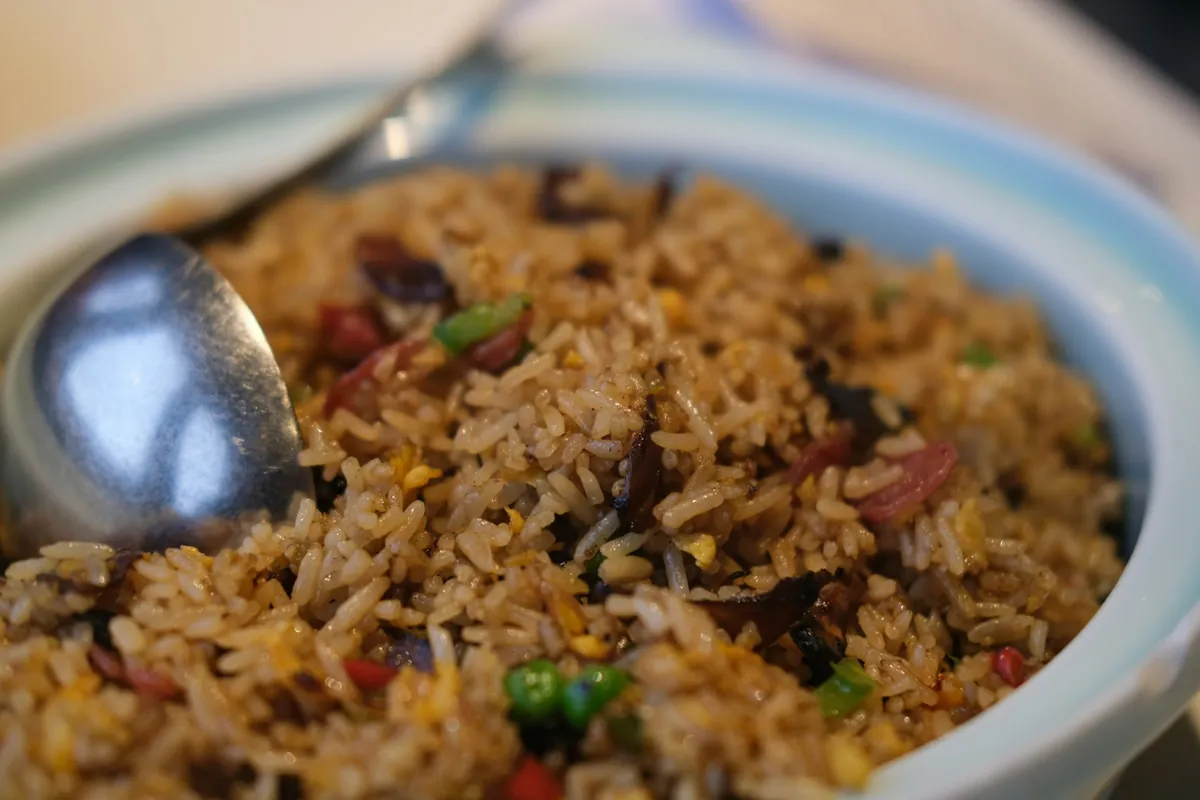
Where you will find it: Cantonese restaurants with clay pot rice, dim sum houses serving sticky rice, and every Asian grocery in the country.
Frequently asked questions
What is Chinese sausage?
A dried, cured pork sausage known as lap cheong in Cantonese, seasoned distinctly sweet and usually flavored with rice wine and soy sauce. It is deliberately fatty, and the rendered fat is how it flavors whatever it cooks with.
Can you eat Chinese sausage raw?
No. Unlike salami or chorizo, lap cheong is dried but raw and must be cooked before eating. Uncooked it is hard and waxy with opaque white fat; cooked, the fat renders and it becomes soft and fragrant.
Is Chinese sausage sweet?
Yes, noticeably. Sugar is a primary seasoning rather than a background one, which surprises people expecting something like pepperoni. It reads sweet first, then salty, then porky, with a slight warmth from the rice wine.
What is the easiest way to cook it?
Slice it thin on a diagonal and lay it over rice for the last ten minutes of cooking. The fat renders down into the grains and that is the entire recipe. Diagonal slicing gives more surface for the fat to render from.
Why is Chinese sausage not on takeout menus?
A sweet pork sausage in fried rice is unfamiliar to most American customers, and takeout kitchens already keep sliced roast pork ready for every section of the menu. A second cured pork product would duplicate that without adding much.
The short version
Sweet, fatty, air-dried pork sausage that is cured but raw and must be cooked. Sliced thin over steaming rice, the fat renders through and turns a plain bowl into a meal.
Not on takeout menus because roast pork already covers that ground. Worth keeping in your own freezer.
Order from China King
Roast pork is the sweet-savory cured pork on our menu, across eight sections.
Sources
- Chinese sausage — on lap cheong, its variations and its uses.
- FDA: Safe food handling — on cooking and storing raw meat products safely.