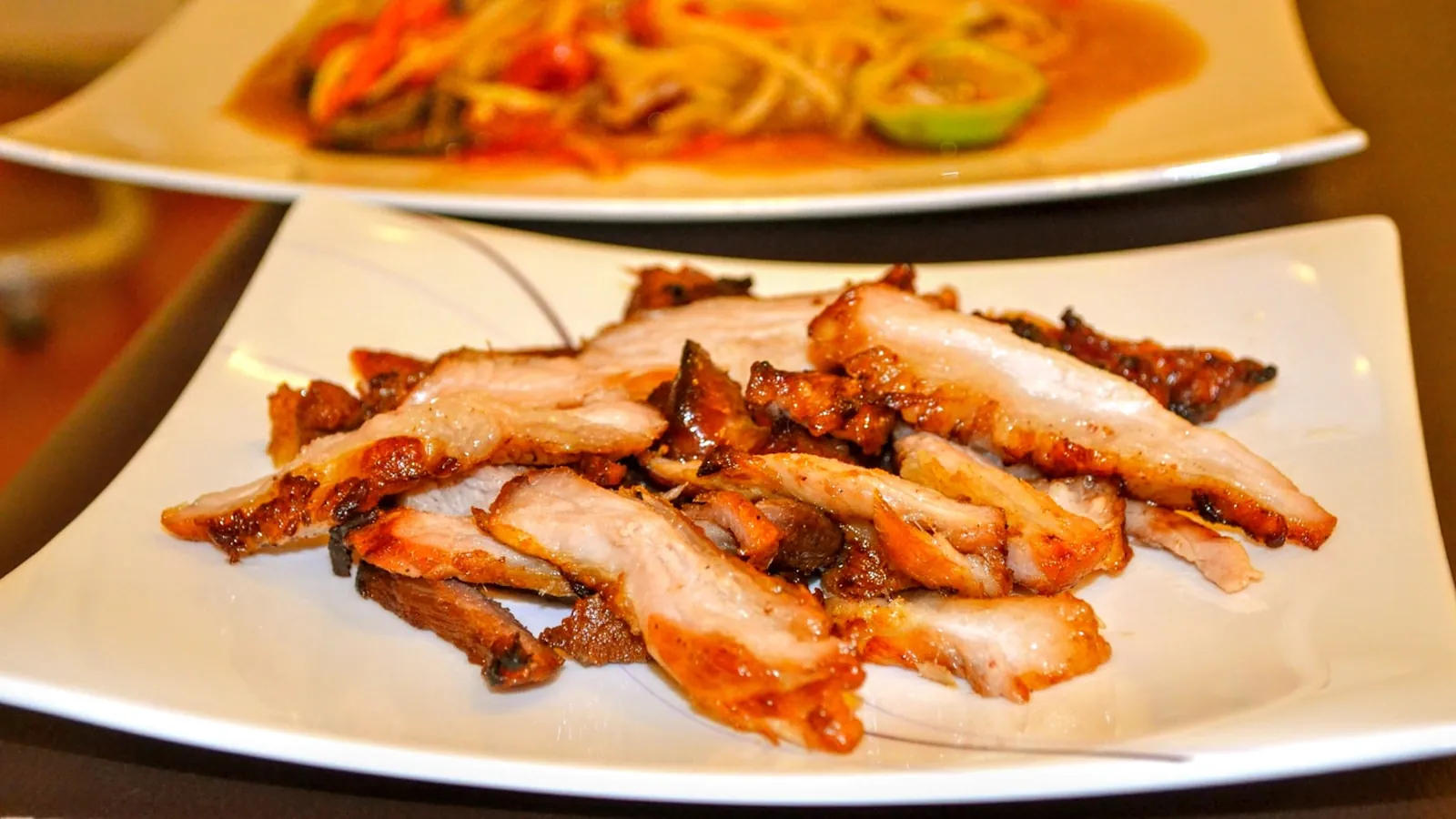
Pork is the most-used meat on a Chinese takeout menu and the one nobody orders on purpose. It is in the fried rice, the lo mein, the chow mein, the egg foo young, the chop suey and the combination plates — and it also has a section of its own that most people never read.
Almost all the pork on the menu is roast pork: pork that has been marinated and roasted, sliced thin, with a characteristic reddish edge. It arrives already cooked, which is why it turns up in so many dishes. The pork section pairs it with six different vegetables or sauces.
What Chinese roast pork actually is
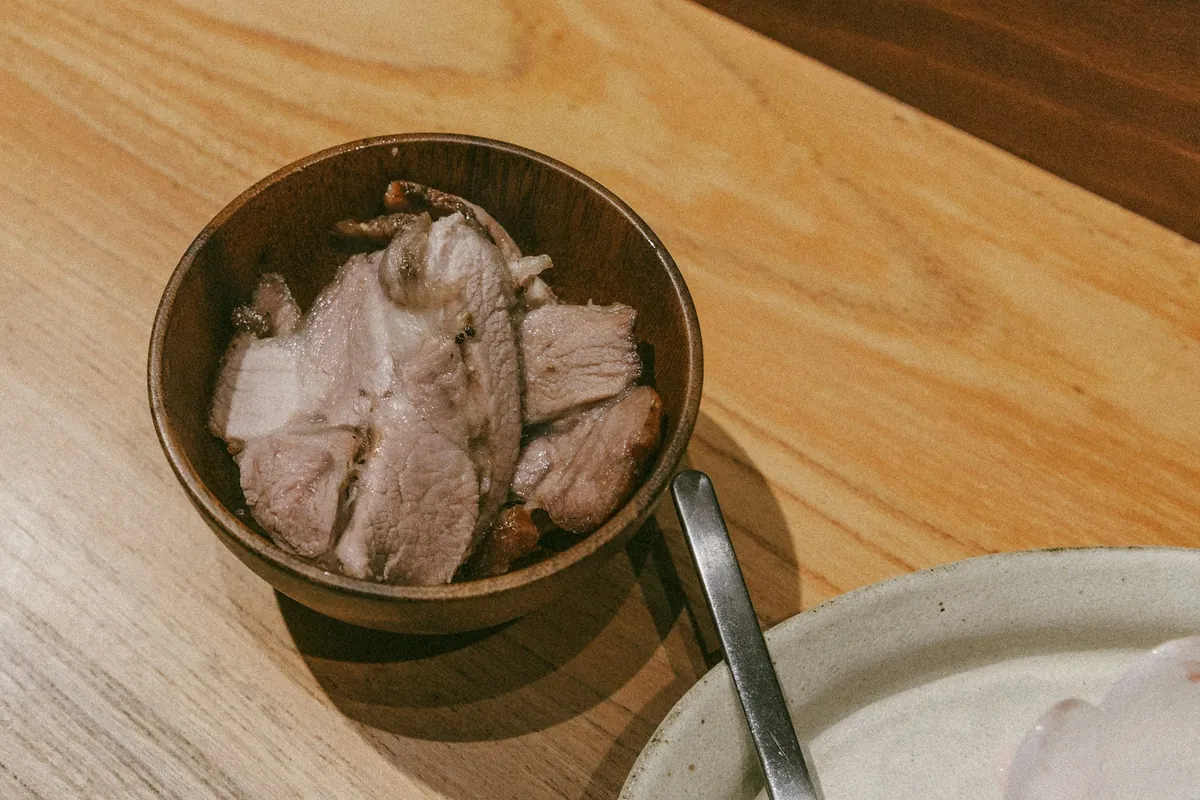
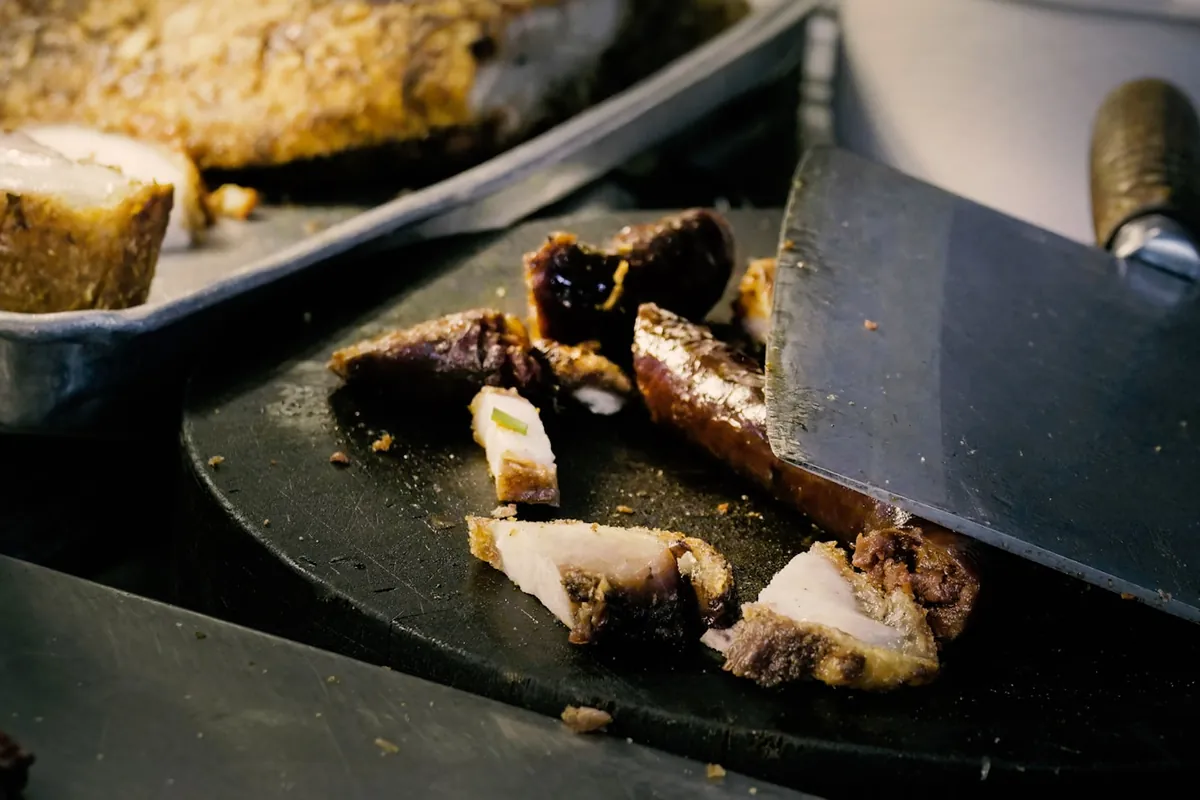
It is pork — usually shoulder or loin — marinated in a sweet-savory mixture and roasted at high heat until the outside caramelizes. It is then sliced thin and held ready. The reddish color at the edges comes from the marinade, not from the meat being underdone.
The important thing is that it is fully cooked before any dish is made with it. That is why roast pork appears everywhere: the kitchen does not have to cook pork to order, only to slice it and heat it through with whatever else the dish needs. It is the single most efficient ingredient in the building.
It is sweet-edged, savory, faintly smoky, and tender rather than crisp. If you have eaten pork fried rice or pork lo mein, this is what was in it.
The pork section, dish by dish
The section is built exactly like the beef and chicken sections: one protein, several vegetable and sauce combinations. Roast pork is the constant.
| Dish | What is in it | Character | Order it when |
|---|---|---|---|
| Roast pork with Chinese vegetables | Mixed vegetables, light sauce | The mildest; vegetable-forward | You want balance |
| Roast pork with mushroom | Mushrooms, brown sauce | Earthy, savory | You like mushrooms |
| Roast pork with snow peas | Snow peas, light sauce | Freshest, crispest | You want some bite |
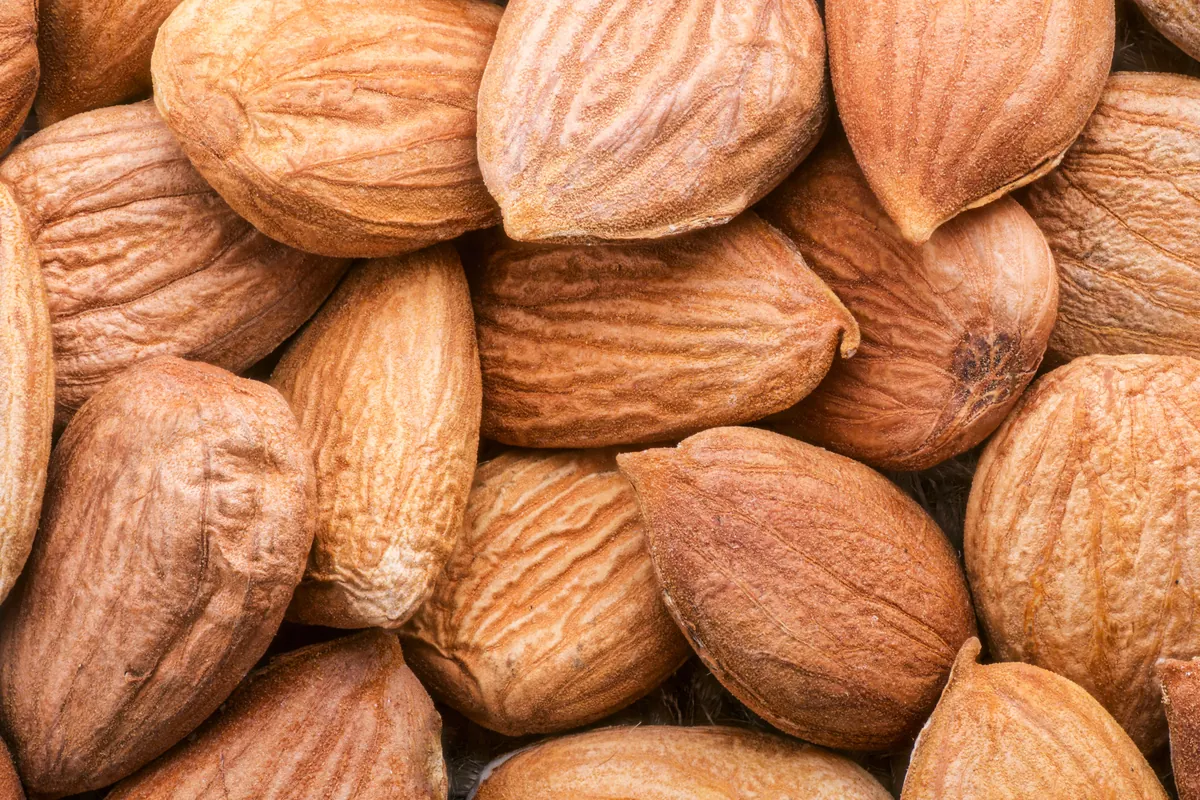
| Roast pork with almond ding | Diced vegetables, almonds | Nutty, textural | You want crunch |
| Roast pork with oyster sauce | Oyster sauce, vegetables | Richest, deepest | You want the fullest flavor |
| Roast pork with garlic sauce | Garlic sauce | Sharpest; mildly hot | You want an edge |
Two of those are worth explaining further. Almond ding means diced — “ding” is the cut — with almonds added, so it is a chunkier dish with real crunch in it. And oyster sauce is the richest sauce on the menu, deeper and less sharp than brown sauce; our guide to Chinese sauces covers it, and the garlic sauce dishes cover the sharp end.
Where else pork turns up
This is the part worth knowing, because it changes how you read the whole menu.
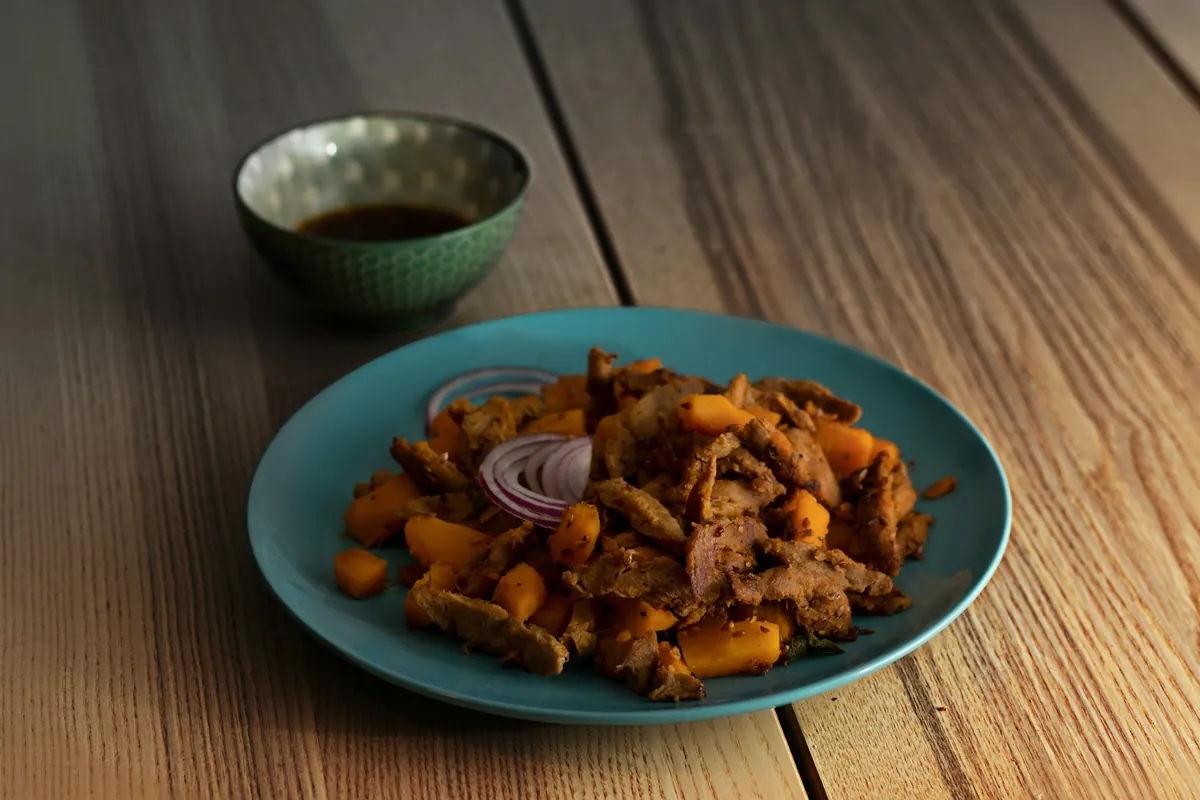
Roast pork is one of the standard protein options in nearly every noodle, rice and egg section: pork fried rice, pork lo mein, pork chow mein, pork chow mei fun, pork egg foo young, pork chop suey. In each of those, it is the same sliced roast pork, doing the same job.
It is also the pork in moo shu pork, and roast pork with broccoli sits in the broccoli section rather than the pork one. Sweet and sour pork is different: that uses battered fried pork, not roast pork — sweet and sour explained covers it.
Pork versus chicken and beef
When a dish offers you a choice of protein, pork behaves differently from the other two in one specific way: it brings its own flavor with it.
Chicken is neutral and lets the sauce lead. Beef adds richness and weight. Roast pork adds a sweet-savory note of its own, because it was marinated and roasted before it ever reached the dish. That makes it the most flavorful of the three in a plain preparation such as fried rice, and the trickiest in a strongly sauced one, where its sweetness can compete.
Choose pork when
- The dish is simple, like fried rice or lo mein
- You want more flavor than chicken gives
- You like a slightly sweet edge
- You want something lighter than beef
Choose something else when
- The sauce is already sweet
- You want the sauce to dominate
- You want the richest possible plate
- Someone at the table avoids pork
Takeout notes
Roast pork travels better than any other protein on the menu, and the reason is that it was fully cooked before the dish was made. It cannot dry out from being reheated in a wok, and it does not have a coating to lose.
That makes pork dishes a good choice for a longer drive home, and pork fried rice or pork lo mein among the most reliable things to order for a group when you are not sure how long the food will sit. Our guide to pickup or delivery covers the rest of the menu.
The exception is anything battered. Sweet and sour pork is a fried dish and behaves like one, softening quickly in a closed container.
Frequently asked questions
What is Chinese roast pork?
Pork that has been marinated in a sweet-savory mixture, roasted at high heat and sliced thin. It is fully cooked before any dish is made with it, which is why it appears across so much of the menu. The reddish edge comes from the marinade.
Why is Chinese pork red on the outside?
The color comes from the marinade the pork is roasted in, not from the meat being undercooked or from any smoking process. It is a normal characteristic of roast pork prepared this way and appears only at the edges of each slice.
What does almond ding mean?
“Ding” refers to the cut — diced rather than sliced — and almond means almonds are added. So roast pork with almond ding is a chunkier dish with diced vegetables and almonds in it, giving noticeably more crunch than the other pork dishes.
Is pork or chicken better in fried rice?
Pork, if you want more flavor. Roast pork brings its own sweet-savory character because it was marinated before cooking, while chicken is neutral. In a plain dish like fried rice that difference is noticeable; in a heavily sauced dish it matters less.
Is sweet and sour pork the same roast pork?
No. Sweet and sour pork uses pork that is battered and deep fried to order, not the pre-roasted sliced pork used elsewhere on the menu. It is a different preparation and behaves differently for takeout, softening in a closed container.
The short version
Nearly all the pork on the menu is the same roast pork: marinated, roasted, sliced, ready. The pork section pairs it with six vegetables and sauces, from the mild vegetable version to the sharp garlic sauce one.
It is the most flavorful protein choice in a simple dish and the best one to order if the food has a distance to travel.
Pork dishes in Fayetteville
China King lists six roast pork dishes, plus pork across the rice, noodle and egg sections.
Sources
- Char siu — on Chinese roast pork and how it is prepared.
- USDA Food and Nutrition Information Center — general food handling guidance for cooked meats.