
Most Chinese menus organize dishes by protein first and sauce second, which means the sauce is doing most of the work in deciding what your meal tastes like. Six sauces cover almost the whole menu.
The savory brown sauce on most stir-fries is soy-based, lightly sweet and thickened with cornstarch. Garlic sauce is that sauce with garlic and a little heat. Oyster sauce is deeper and richer. Lobster sauce contains no lobster at all — it is a savory egg sauce. Curry sauce is warm rather than chili-hot, and black bean sauce is salty and pungent.
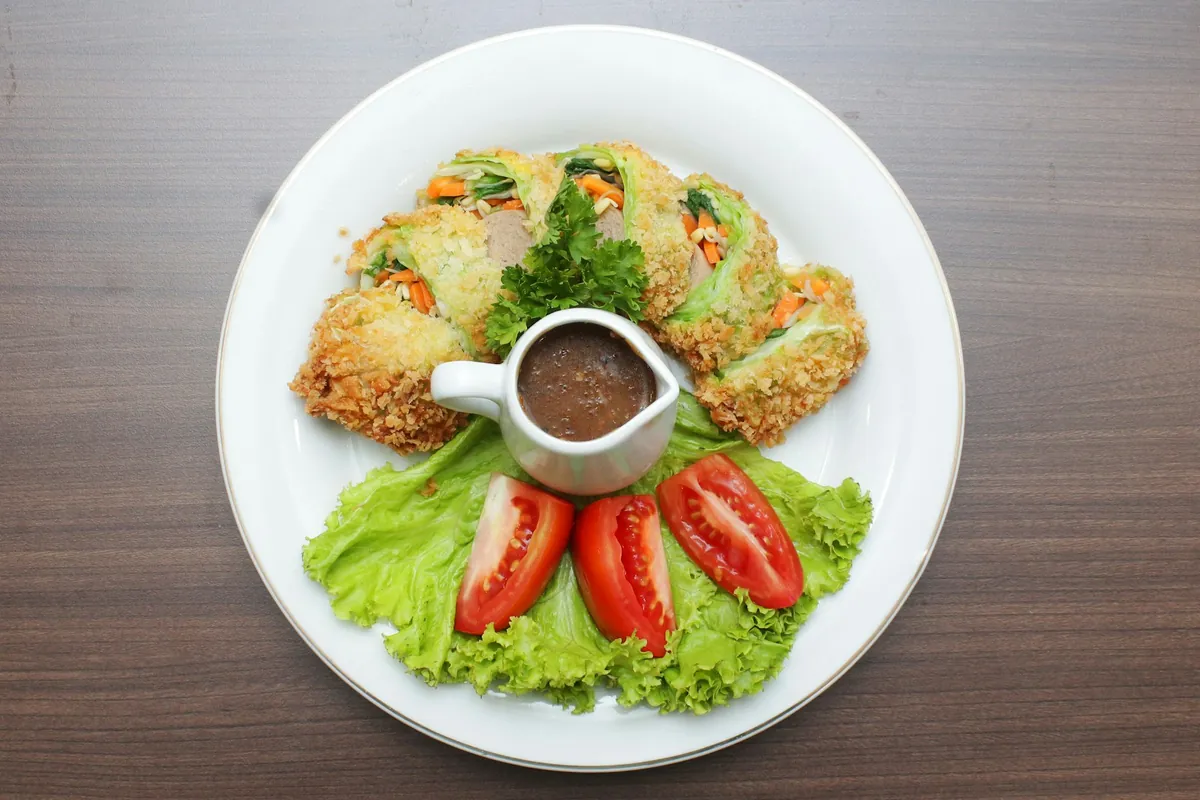
Brown sauce: the default
If a dish is described simply as being in sauce, this is usually what arrives. It is built on soy sauce with rice wine, a little sugar and a savory stock, sometimes with oyster sauce for depth, and thickened with cornstarch into that glossy coating you recognise immediately.
Worth knowing: the version served across American Chinese restaurants is largely an American development rather than a single traditional recipe, and every kitchen has its own proportions. That is why the same dish name tastes noticeably different from one restaurant to another.
It is mild, savory and slightly sweet, and it is the safest sauce to order for someone unfamiliar with the menu.

Garlic sauce: savory with an edge
Garlic sauce takes that brown-sauce base and pushes garlic to the front, usually with a little chili to sharpen it. The result is aromatic and savory rather than sweet, and it is one of the most useful things to know about if you find the sweeter dishes cloying.
It normally comes with a generous amount of vegetables, and it appears with every protein on the menu, so it is easy to order the same treatment with beef, pork, chicken or shrimp and compare.
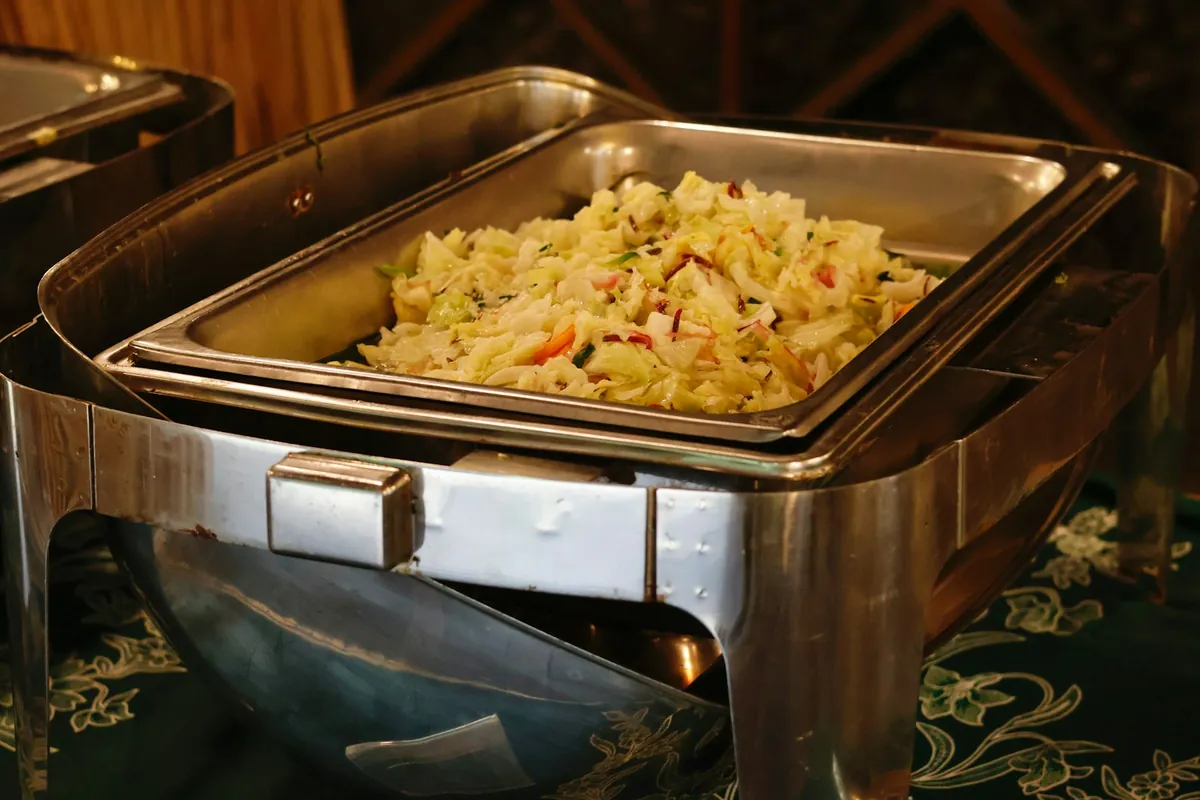
Oyster sauce: deeper and richer
Made from oyster extract with sugar and salt, this sauce is thicker, darker and more intensely savory than plain brown sauce. It brings a rounded, almost caramelized depth that works particularly well with beef and with green vegetables.
It does contain shellfish, which matters if you are avoiding it. The name is accurate here even though it is not on the next sauce down the list.
Lobster sauce: the menu’s biggest misnomer
This is the one that catches everybody. Lobster sauce contains no lobster. It is a savory, pale sauce built on chicken broth with garlic, ginger, scallion and fermented black beans, thickened with starch and finished with beaten egg stirred through it. Some versions include minced pork and soy sauce, which is why the color ranges from almost white to pale brown.
The name comes from the cooking method rather than the ingredient. It was the way lobster was traditionally prepared, and when Chinese restaurateurs in North America found lobster too expensive, they kept the sauce and substituted shrimp — which is exactly how “shrimp with lobster sauce” came to exist.
So if you have been avoiding it because you do not like lobster, or ordering it because you do, both assumptions are wrong. What you are getting is a mild, egg-thickened savory sauce.
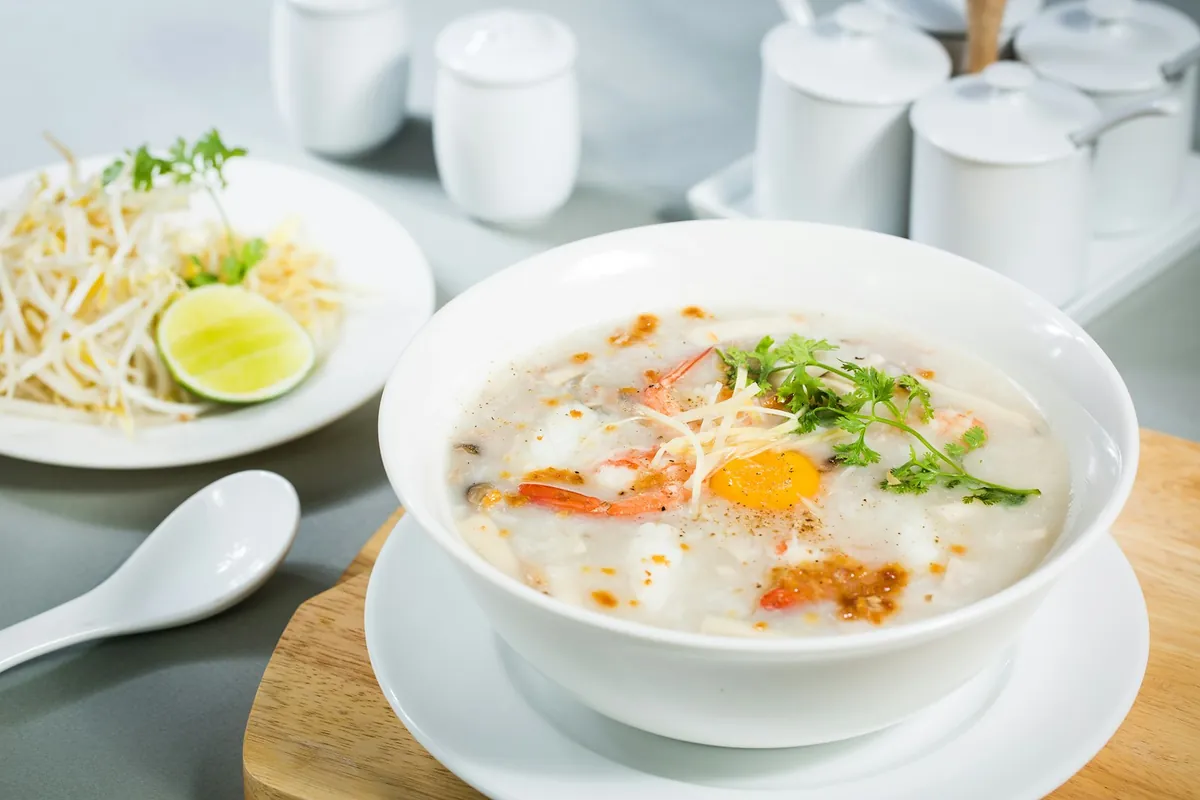
Curry and black bean
Two more that behave differently from the rest.
- Curry sauce gets its warmth from curry powder rather than chili. It is yellow, aromatic and warming rather than sharply hot, and it usually comes with onion. If you want flavor intensity without chili burn, this is the one.
- Black bean sauce uses fermented black soybeans, which give it a salty, pungent, distinctly savory character. It is the boldest of the savory sauces and the least sweet.
Side by side
| Sauce | Tastes like | Sweetness | Heat | Watch for |
|---|---|---|---|---|
| Brown | Mild, savory, glossy | Slight | None | Soy, so wheat is likely |
| Garlic | Aromatic, savory, sharp | Slight | A little | Soy; heat varies |
| Oyster | Deep, rich, rounded | Slight | None | Contains shellfish |
| Lobster | Mild, savory, egg-thickened | None | None | Contains egg; no lobster |
| Curry | Warm, aromatic, yellow | Slight | Warming, not chili | Spice blend varies |
| Black bean | Salty, pungent, bold | None | Mild | Fermented soy |
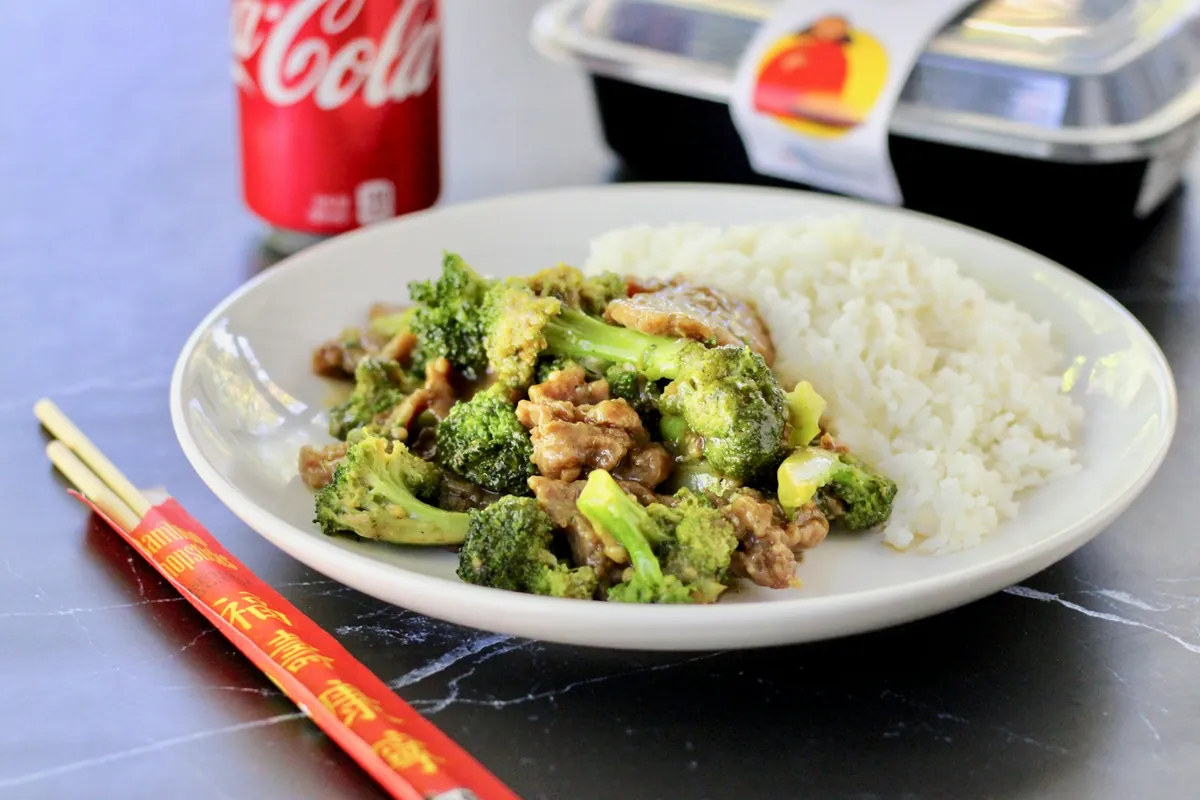
Using this when you order
The practical trick is to hold the protein constant and change the sauce, or the reverse. Because most menus offer the same sauces across beef, pork, chicken and shrimp, you can work through them systematically instead of ordering the same thing every time.
If you usually order sweet
- Try garlic sauce for something savory and aromatic
- Try black bean if you want a bigger jump
- Curry sauce is a different kind of warmth entirely
- Keep plain rice as the base rather than fried
If you are building a shared table
- One sweet, one savory, one with some heat
- Avoid two brown-sauce dishes side by side
- Oyster sauce pairs especially well with beef
- Lobster sauce is the mildest option for a cautious eater
Allergens: the honest version
Sauces are where most of the allergen risk on a Chinese menu sits, and dish names are a poor guide. Soy sauce commonly contains wheat, so almost nothing here should be assumed gluten-free. Oyster sauce contains shellfish. Lobster sauce contains egg. Fermented black beans are soy.
Woks and sauce ladles are shared across a service, so cross-contact is normal rather than exceptional. If you are managing an allergy, state it directly when you order rather than choosing by sauce name — the FDA’s guidance on food allergies explains why prepared foods need to be checked rather than inferred.
Frequently asked questions
Does lobster sauce have lobster in it?
No. It is a savory sauce made with chicken broth, garlic, ginger, scallion and fermented black beans, thickened with starch and finished with beaten egg. The name refers to a cooking method once used for lobster, not to the ingredient.
What is Chinese brown sauce made of?
Typically soy sauce, rice wine, a little sugar and a savory stock, sometimes with oyster sauce, thickened with cornstarch. Exact proportions vary by kitchen, which is why the same dish tastes different from one restaurant to another.
Is garlic sauce spicy?
Usually only mildly. It is built for aroma and savory depth rather than heat, though many kitchens add a little chili to sharpen it. If you want it hotter or milder, ask when you order.
Which Chinese sauce is the least sweet?
Black bean sauce, followed by lobster sauce. Both are savory with no real sweetness, which makes them good choices if the rest of your order is on the sweeter side.
Are Chinese sauces gluten-free?
Generally no. Soy sauce commonly contains wheat and it is the base of most of these sauces, and shared woks make cross-contact likely. Treat them as wheat-containing unless the restaurant confirms otherwise.
The short version
Brown for mild and savory, garlic for aromatic with an edge, oyster for depth, curry for warmth without chili, black bean for bold and salty. Lobster sauce is a mild egg sauce with no lobster in it.
Learn the sauces and the whole menu opens up, because you can order the same treatment across any protein you like.
Explore the sauces in Fayetteville
China King serves garlic, oyster, curry, black bean and lobster sauce dishes across beef, pork, chicken and seafood.
Sources
- Lobster sauce — on the ingredients, and why the dish contains no lobster.
- U.S. Food and Drug Administration: food allergies — cited above on allergens in prepared food.