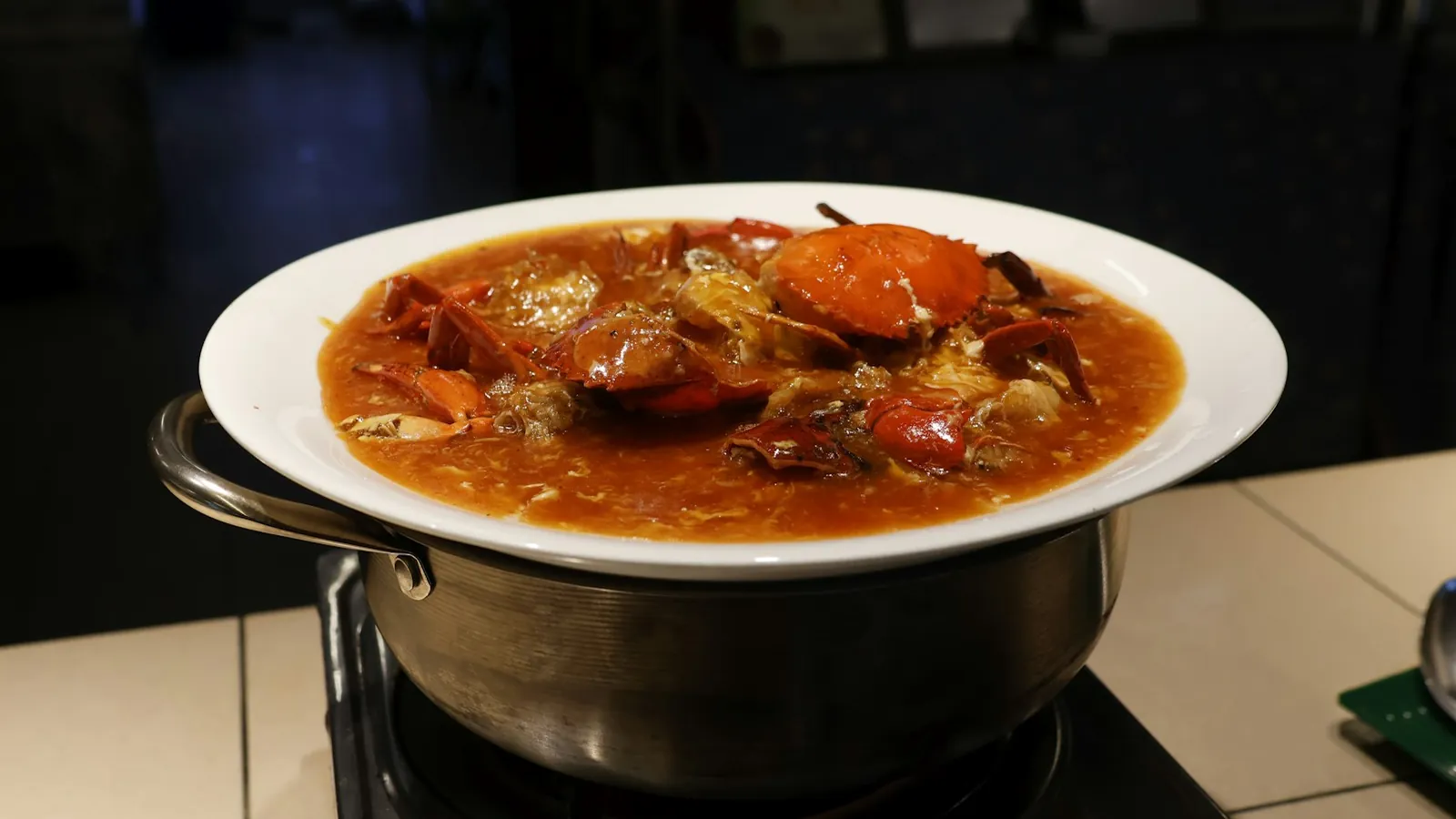
Sweet and sour is probably the first Chinese dish most people ever ate, and it is also the one most often confused with the other sweet options on a menu. The difference comes down to the sauce, and to where the sauce goes.
Sweet and sour is battered pieces of pork, chicken or shrimp with a bright red-orange sauce built on sugar and vinegar. The sour half is what sets it apart — the vinegar gives it a sharp edge the other sweet dishes do not have. It often arrives with the sauce on the side rather than poured over.
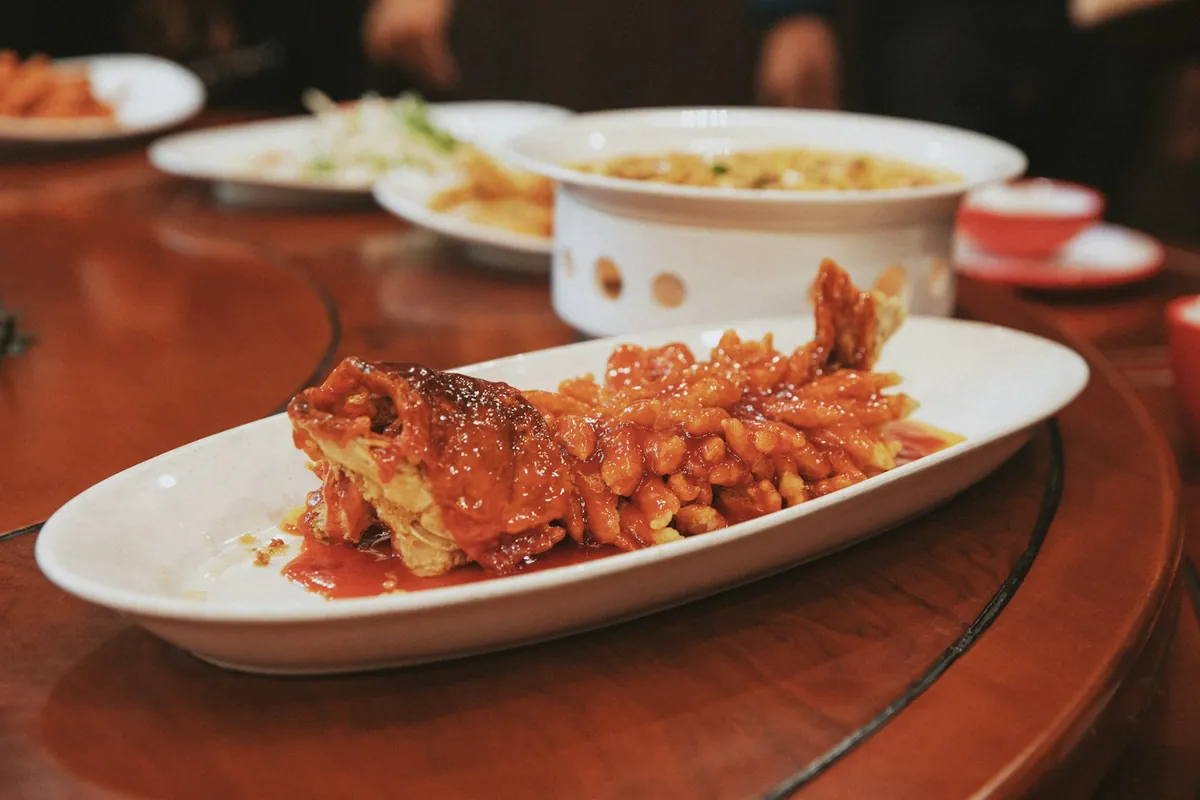
What makes it sweet and sour
The sauce is a balance of two things pulling against each other: sugar for sweetness and vinegar for acidity. Most versions add tomato for color and a little more tang, which is where the characteristic red-orange shade comes from rather than from chili.
That acidity is the whole point. It cuts through the fried batter and stops the dish feeling heavy, and it is why sweet and sour tastes fresher than a purely sweet glaze does. If a sweet and sour dish tastes flat, it is usually because the vinegar has been under-dosed relative to the sugar.
Vegetables are common in the dish itself — onion, bell pepper, sometimes carrot — which adds crunch and keeps it from being just meat and sauce.
Why the sauce often comes separately
Here is the practical detail that matters most. Many restaurants serve sweet and sour with the sauce in a separate container rather than poured over the meat, and that is deliberate rather than lazy.
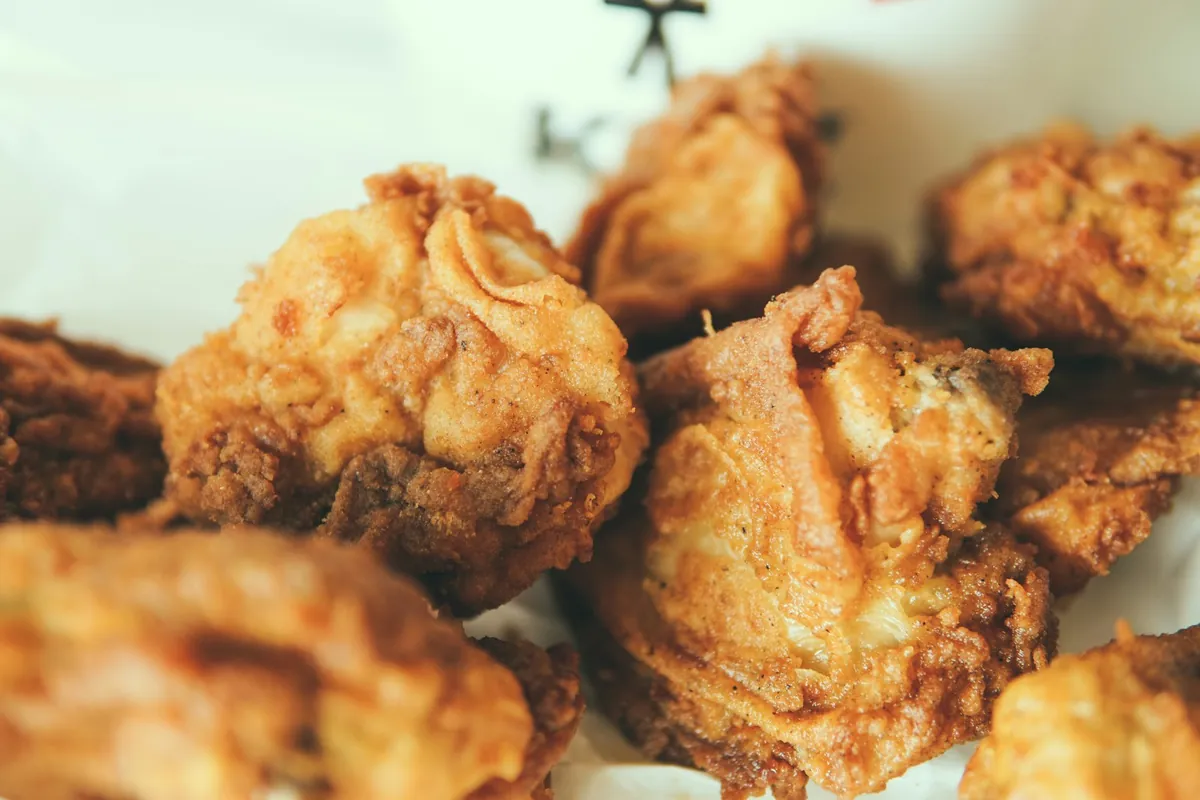
The batter is the point of the dish. Sauce poured over battered pieces softens them within minutes, and in a takeout container it turns them soggy before you get home. Kept separate, you can dip as you go and keep the crunch.
If your order arrives with the sauce already on, eat it promptly. If it arrives separately, that is the kitchen doing you a favor.
How it differs from the other sweet dishes
This is where most of the confusion lives. Several dishes on a Chinese menu are battered meat in a sweet sauce, and they are genuinely different from each other.
| Feature | Sweet and Sour | General Tso’s | Sesame Chicken | Orange Chicken |
|---|---|---|---|---|
| Defining flavor | Sugar and vinegar | Sweet, savory, chili | Sweet, nutty | Sweet, citrus |
| Sourness | Pronounced | Slight tang | None | Citrus sharpness |
| Heat | None | Mild to moderate | None | Little |
| Sauce color | Red-orange | Dark reddish brown | Dark brown | Orange to amber |
| Sauce served | Often on the side | Tossed through | Tossed through | Tossed through |
| Vegetables in dish | Usually | Sometimes broccoli | Rarely | Rarely |
| Proteins offered | Pork, chicken, shrimp | Chicken, shrimp | Chicken, beef | Chicken, beef |
The short version of that table: if you want sharpness, order sweet and sour. If you want a glaze clinging to the meat, order one of the others. Our comparison of General Tso’s, sesame and orange chicken covers that group in detail.
Why versions differ so much
Sweet and sour varies more between restaurants than almost any other dish, and the reason is the ratio. Sugar and vinegar can be balanced anywhere along a wide range, and each kitchen picks its own point.
Some versions lean sweet and taste closer to a fruit glaze; others lean sharp and taste almost like a pickle. Neither is wrong. If you have had sweet and sour somewhere and disliked it, it is worth trying again elsewhere, because you may simply have met the opposite end of that ratio.
Pork, chicken or shrimp?
The sauce stays the same; the protein changes how it eats.
- Pork is the traditional version and the most forgiving. It holds the batter well and stays juicy.
- Chicken is the mildest and the most popular with children. Slightly leaner, so it can dry out if it sits.
- Shrimp is the lightest and cooks fastest, which makes it the most delicate — best eaten straight away.
Who it suits
Order sweet and sour if
- You want sharpness as well as sweetness
- You are feeding children or cautious eaters
- You want to keep the batter crisp by dipping
- Nothing else in your order is sweet
Choose something else if
- You dislike vinegar or sharp flavors
- You want the sauce clinging to the meat
- You want heat — there is none here
- You already have another sweet dish on the table

Building an order around it
Sweet and sour is a strong flavor and a heavy texture, so it works best as one dish among several rather than the center of the meal. Pair it with something savory and not fried — a vegetable dish, a garlic-sauce dish, or a soup to open.
Plain rice rather than fried rice is the better base. The sauce is already doing plenty of seasoning, and a seasoned rice underneath makes the whole plate taste sweeter than intended.
One thing to avoid: sweet and sour plus another battered sweet dish. Two of them on the same table is the most common over-ordering mistake in this part of the menu.

Frequently asked questions
What is sweet and sour sauce made of?
Sugar and vinegar in balance, usually with tomato for color and extra tang, and thickened slightly. The red-orange shade comes from the tomato rather than from chili, and there is no heat in it.
Why is the sauce served separately?
To keep the batter crisp. Sauce poured over battered meat softens it within minutes, and much faster in a closed takeout container. Serving it on the side lets you dip as you go and keep the texture.
Is sweet and sour spicy?
No. It has no chili at all. The sharpness people sometimes read as heat is the vinegar, which is acidity rather than spice, and it makes sweet and sour one of the safest dishes for someone avoiding heat.
What is the difference between sweet and sour chicken and General Tso’s?
Sweet and sour is vinegar-forward with no heat, often with vegetables and the sauce served separately. General Tso’s is sweet and savory with chili heat, and the sauce is tossed through the chicken so it clings to the coating.
Does sweet and sour travel well?
Only if the sauce is packed separately. With the sauce already on, the batter softens quickly, so eat it first when you get home. Ask for the sauce on the side if you have more than a short drive.
The short version
Sugar and vinegar in balance, battered pork, chicken or shrimp, usually with vegetables and often with the sauce on the side. The sourness is what distinguishes it from every other sweet dish on the menu.
Keep the sauce separate if you can, use plain rice underneath, and do not order a second battered sweet dish alongside it.
Sweet and sour in Fayetteville
China King serves sweet and sour pork, chicken and shrimp on Walter Reed Road, plus combination plates.
Sources
- Sweet and sour — on the sauce’s sugar and vinegar balance and its long history.