
There is an ingredient in a great many Chinese dishes that never appears on a menu, is rarely tasted directly, and raises a question people are sometimes reluctant to ask. Chinese cooking wine is in the marinades, the sauces and the stir-fries, and it is worth understanding both for cooking and for knowing what to ask about.
Shaoxing wine is a fermented rice wine used across Chinese cooking — not for its own flavor but to round off harsh notes and add aromatic depth. Cooking reduces the alcohol but does not reliably remove it, so if you avoid alcohol entirely, ask the restaurant about specific dishes.

What it is
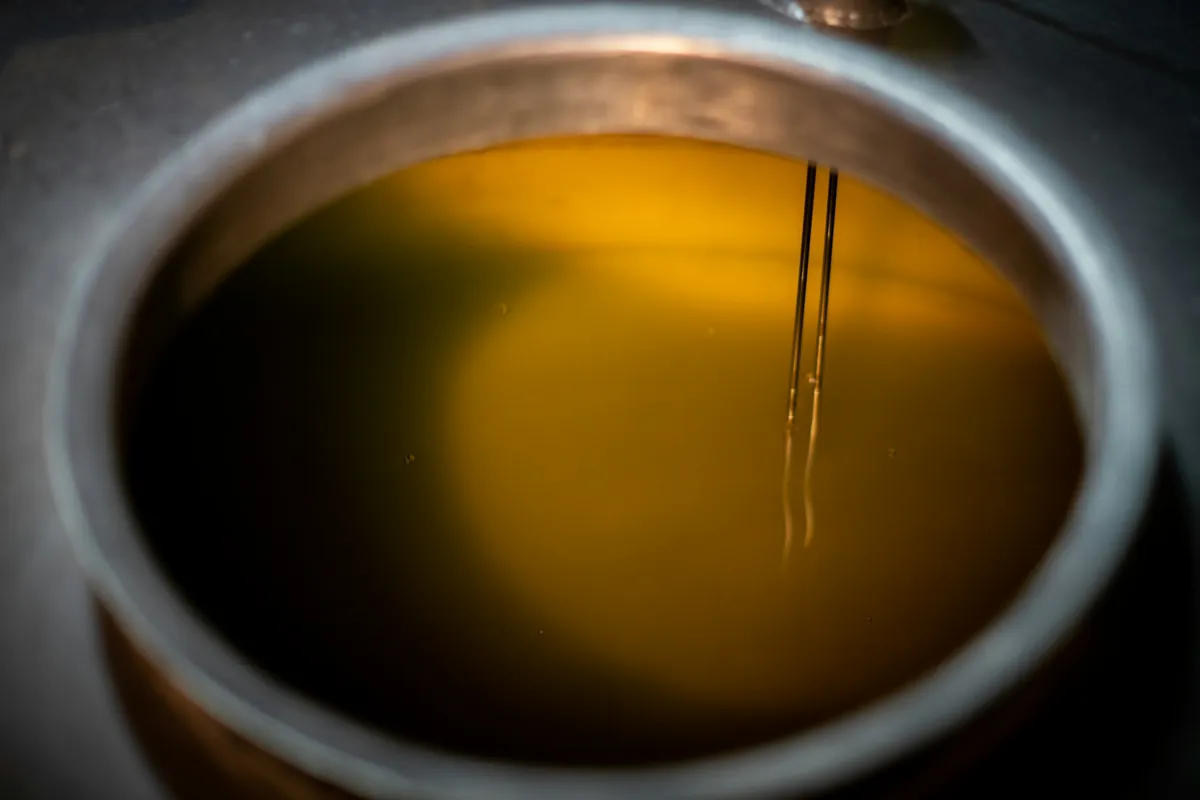
A rice wine, brewed from glutinous rice and wheat starter, aged, and named for Shaoxing in eastern China where the best-known versions are made. It is amber to brown, tastes savory and slightly sweet with a sherry-like edge, and is recognizably a drink rather than a condiment.
It is also drunk as a beverage in China, usually warmed. What reaches Western supermarkets is mostly the cooking grade, and there is a meaningful difference between the two — more on that below.
Its role is subtle and easy to underrate. It is not there to make a dish taste of wine, but to soften what Chinese cooking treats as off-notes in meat and seafood, and to add a background depth that is hard to identify and obvious when missing.
Where it appears
Almost everywhere savory, and rarely in an amount you would notice on its own.
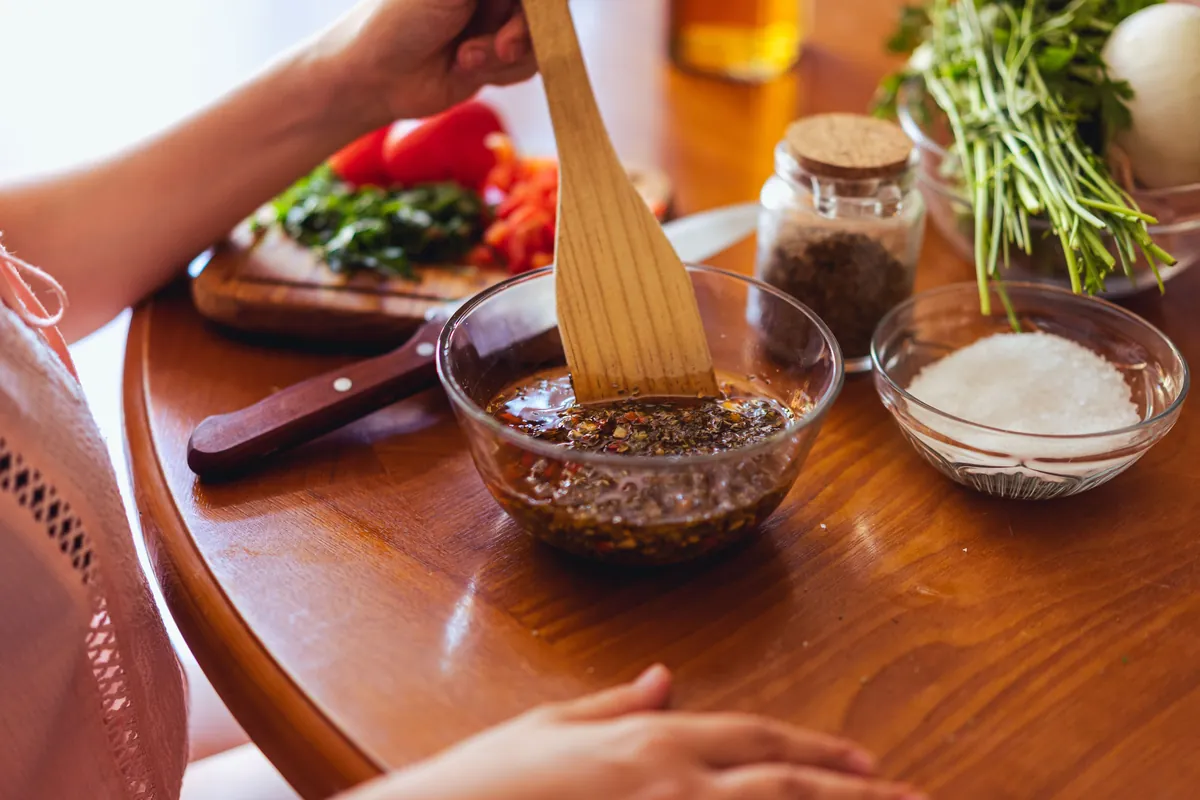
A splash goes into marinades, where it works alongside cornstarch to tenderize and season. It goes into the wok in the last seconds of a stir-fry, hitting the hot metal and vaporizing so the aroma carries through the dish. It goes into braises and into stock.
Fish and stronger meats are where it matters most, for the same reason ginger is used with them — our guide to ginger, garlic and scallion covers that role. The two are frequently used together for exactly this purpose.
You will not see it listed on a menu, because it is a cooking ingredient rather than a component. That is precisely why the alcohol question needs asking rather than reading.
The alcohol question, answered honestly
This deserves a direct answer rather than a comfortable one.
Cooking does reduce alcohol, and it does not reliably eliminate it. How much remains depends on the cooking method, the temperature and above all the time — a long braise removes far more than a splash added to a wok in the final seconds, which is the more common use in stir-frying. Some alcohol can remain in a finished dish.
So the honest position: if you avoid alcohol as a preference, Chinese food is very unlikely to trouble you. If you avoid it strictly, the amount remaining is not something an article can quantify for a given dish, and it is a question for the restaurant.
Our guide to bourbon chicken covers the dish where people ask this most often, and reaches the same conclusion by a different route.
Worth asking about
- Whether cooking wine is used in a specific dish
- Whether a dish can be made without it
- Marinades, which are prepared in advance
- Braised and slow-cooked dishes
What an article cannot tell you
- How much alcohol remains in a given dish
- Whether one kitchen uses it and another does not
- What is in a pre-made sauce base
- Whether a substitution is possible on the day

Cooking wine versus drinking wine
A distinction worth knowing if you are buying it, and one that catches people out.
Bottles labelled “cooking wine” in Western supermarkets frequently contain added salt. This is a regulatory and commercial matter rather than a culinary one — salting makes a product unpalatable to drink, which historically allowed it to be sold outside liquor licensing in some markets.
The consequence is that salted cooking wine seasons your dish whether you want it to or not, and recipes assuming unsalted wine come out salty. Buy the unsalted version from an Asian grocer if you have the choice.
The quality difference is real too. Better Shaoxing is aged longer and tastes rounder; the cheapest cooking grades can be harsh. It is not an expensive ingredient in either case.

Substitutes, and what they cost you
| Substitute | How close | Notes |
|---|---|---|
| Dry sherry | Closest | Similar oxidized character; still alcoholic |
| Dry white wine | Workable | Sharper, less savory; still alcoholic |
| Japanese sake | Workable | Cleaner and lighter; still alcoholic |
| Stock plus rice vinegar | Alcohol-free | Adds moisture and acidity, not depth |
| White grape juice plus vinegar | Alcohol-free | Sweeter than ideal; usable |
| Nothing | Honest option | Slightly flatter dish; nothing is ruined |
The bottom row deserves emphasis. Leaving it out is a perfectly reasonable choice: the dish will be a little less deep and nobody will be able to name what is missing. That beats an approximation that adds sweetness the recipe did not want.

Using it at home
Two rules, and they are both about timing.
In a marinade, give it time — twenty minutes minimum, longer for tougher cuts. This is where it does its tenderizing and off-note work, alongside cornstarch and soy.
In a stir-fry, add it around the edge of the hot pan rather than into the middle of the food. It hits the metal, vaporizes instantly, and the aroma carries up through everything. Poured into the middle it just makes the pan wet, which drops the temperature and works against you — our guide to wok hei covers why that matters.
Keep it in a cupboard rather than the refrigerator. Like other fermented products it is stable, and a bottle will outlive most of what you buy alongside it.
Frequently asked questions
What is Shaoxing wine?
A fermented rice wine from eastern China, brewed from glutinous rice and aged. It is amber to brown with a savory, slightly sherry-like character, and it is used in cooking to round off harsh notes and add depth rather than to make a dish taste of wine.
Is there alcohol in Chinese restaurant food?
Often some, since cooking wine is used in marinades, sauces and stir-fries. Cooking reduces alcohol but does not reliably eliminate it, and how much remains depends on method and time. If you avoid alcohol strictly, ask the restaurant about specific dishes.
What can I use instead of Shaoxing wine?
Dry sherry is closest, with sake and dry white wine workable — all still alcoholic. For an alcohol-free version, stock with a little rice vinegar works, or simply leave it out. The dish will be slightly flatter and nothing will be ruined.
Why does cooking wine have salt in it?
Salted “cooking wine” exists for commercial and regulatory reasons rather than culinary ones, as salting makes it unpalatable to drink. It will season your dish whether you want it to or not, so buy the unsalted version if you have the choice.
When should cooking wine go into a stir-fry?
Near the end, poured around the hot edge of the pan rather than into the middle of the food. It vaporizes on the metal and the aroma carries through the dish. Poured into the center it simply cools the pan.
The short version
A fermented rice wine that softens off-notes and adds depth without tasting of itself. Splashed into marinades and around the edge of a hot wok.
Cooking reduces the alcohol without reliably removing it. If that matters to you, ask — and leaving it out entirely is a perfectly good answer.
Order from China King
Call with any ingredient question — including about cooking wine.
Sources
- Shaoxing wine — on how it is made, its grades and its culinary role.
- Cooking with alcohol — on alcohol retention across different cooking methods and times.