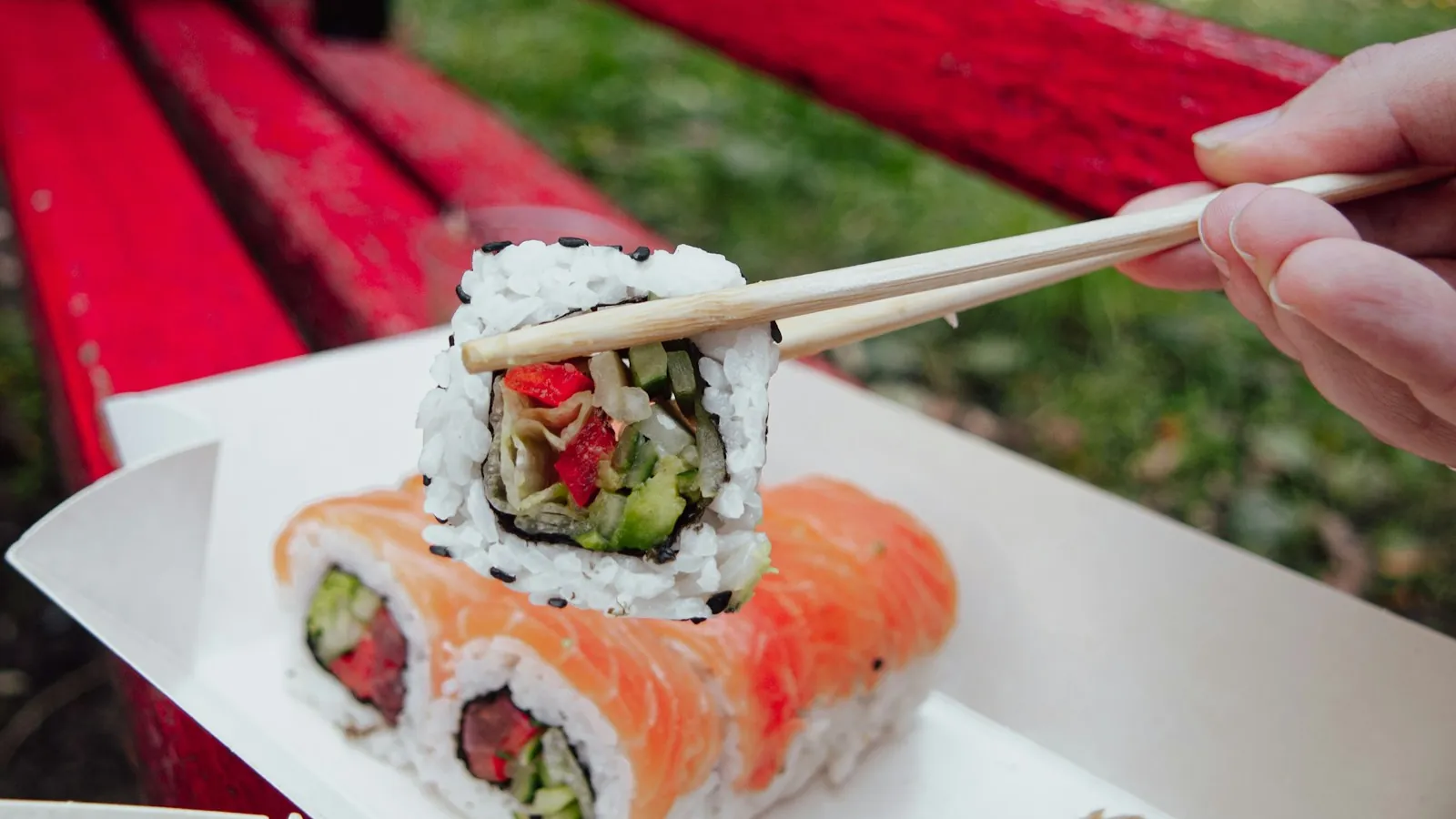
Chopsticks come with almost every Chinese takeout order and go unused in a great many households. There is nothing wrong with reaching for a fork — but the technique takes about ten minutes to learn, and a few of the conventions around it are genuinely useful to know.
Hold the bottom chopstick still against the base of your thumb and your ring finger; move only the top one, like a pencil. The bottom stick never moves. That single idea is most of the skill. And a fork is perfectly acceptable — nobody in a takeout restaurant is grading you.

The technique, properly explained
Most instructions fail because they describe both sticks at once. It is easier as two separate jobs.
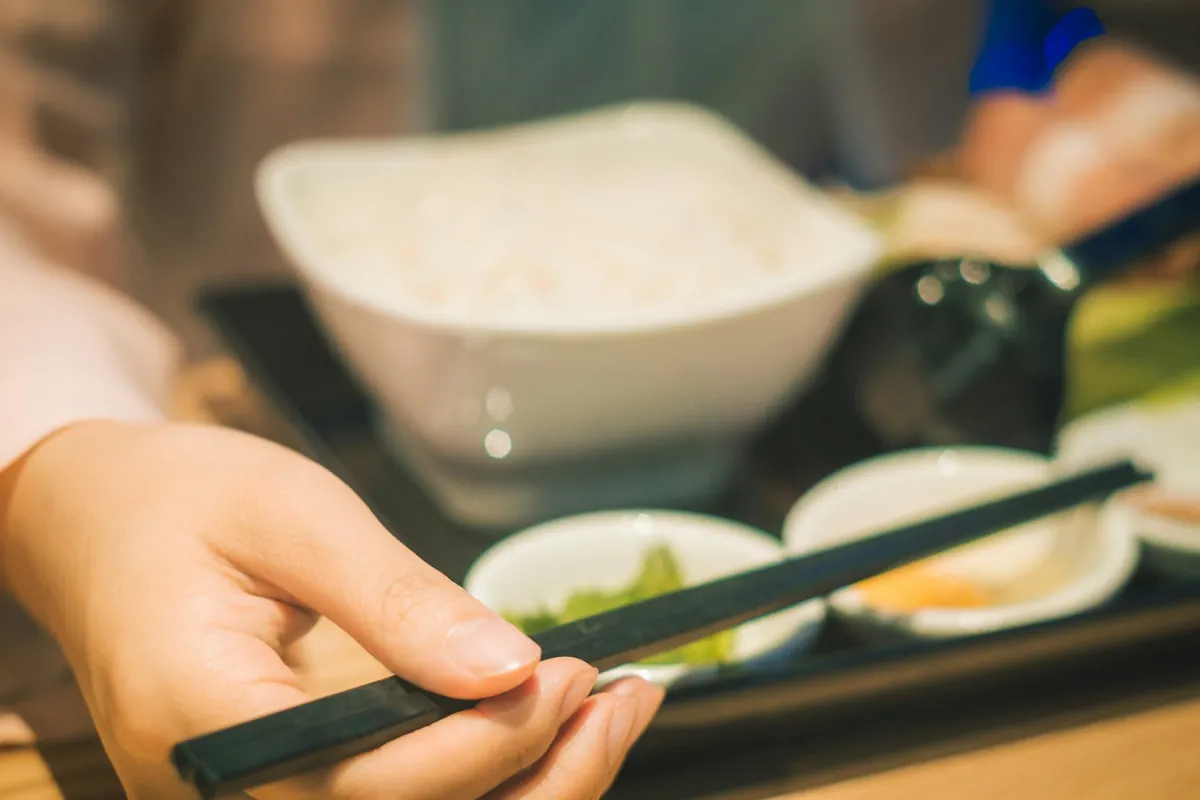
The bottom stick is furniture. Rest it in the crook between your thumb and index finger, and support it near the tip with the side of your ring finger. Then forget about it. It should not move at any point during the meal.
The top stick is the tool. Hold it the way you hold a pencil — thumb, index finger, middle finger — and pivot it down to meet the stationary one. The two tips close like tweezers.
The mistake nearly everyone makes at first is trying to move both sticks toward each other. It feels intuitive and it does not work, because you have no fixed reference to close against. If your grip is failing, the diagnosis is almost always that the bottom stick is wandering.
What to practice on
Not rice, and not noodles. Both are harder than they look.
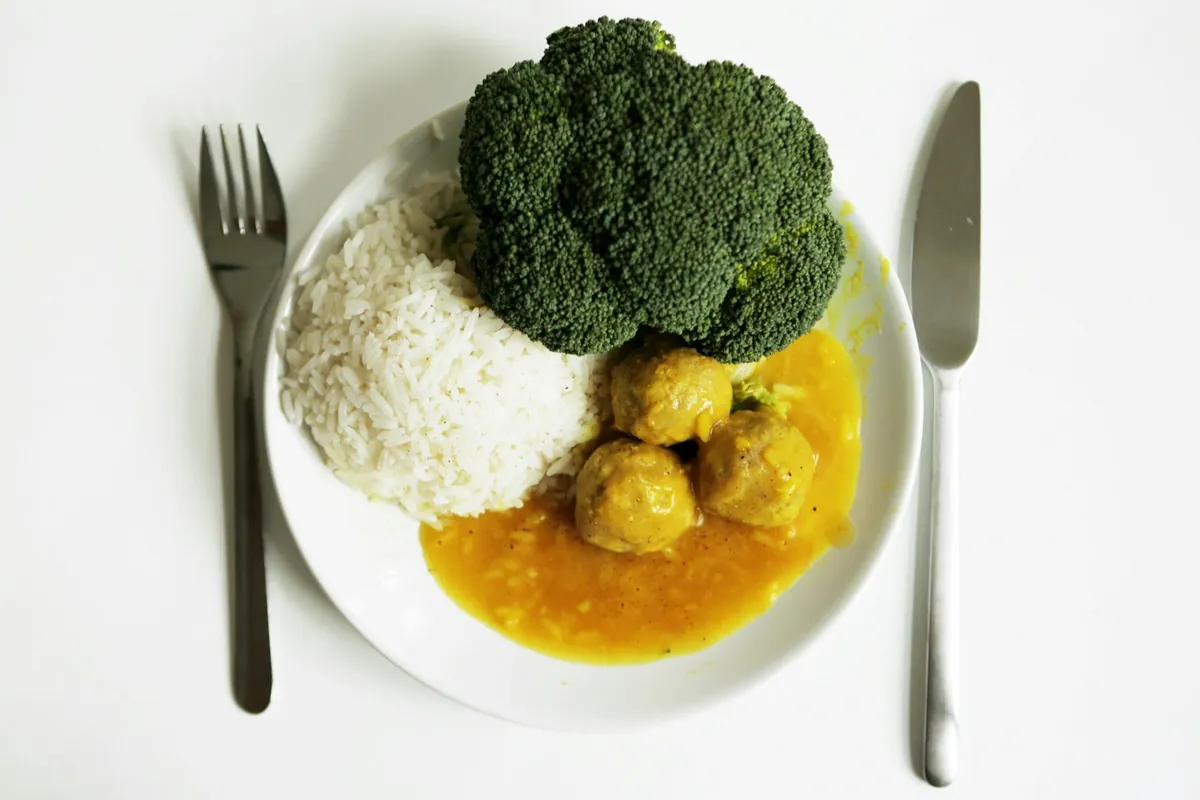
Start with something with structure: pieces of broccoli, chunks of chicken, dumplings. Anything roughly the size of a large grape gives you something to grip without demanding precision. Once that is comfortable, move to smaller and more slippery things.
| Food | Difficulty | Why |
|---|---|---|
| Broccoli, chicken pieces | Easy | Firm, grippable, forgiving |
| Dumplings | Easy | Large enough to hold securely |
| Lo mein noodles | Medium | Slippery, but you can lift a clump |
| Sliced beef in sauce | Medium | The sauce reduces friction |
| Steamed rice | Harder than expected | Loose grains resist being gripped |
| Fried rice | Hardest | Separate, dry grains with nothing binding them |
On rice: in much of East Asia the answer is to bring the bowl up toward your mouth rather than reaching down to the bowl, and to use the chopsticks to move rice the short remaining distance. It is not considered impolite. It is how the tools are designed to be used, and it is why rice is served in a bowl rather than on a plate.
The conventions worth knowing
Some of these matter in a formal setting, some are simply practical, and one is worth avoiding anywhere. It is worth saying up front that customs vary by region, generation and situation — and that a takeout dinner at home is not a banquet.
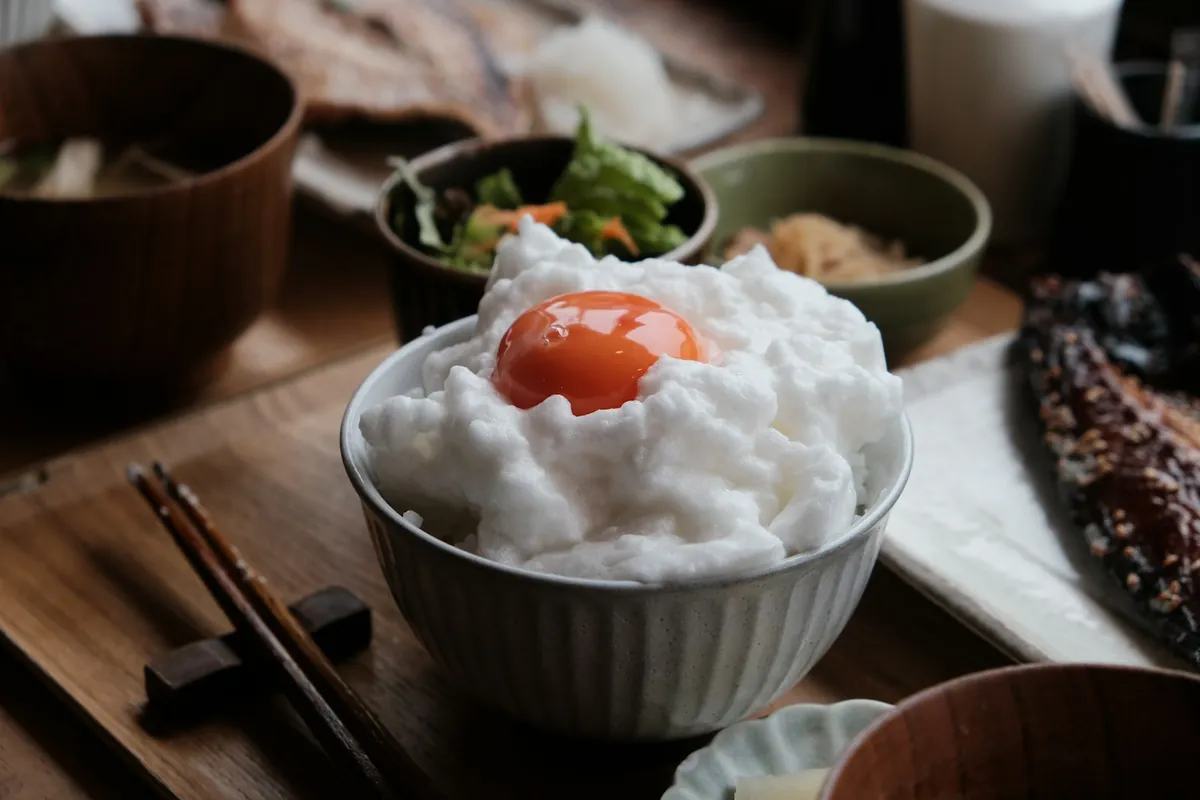
Do not stand chopsticks upright in a bowl of rice. This is the one convention that carries real weight, because it resembles incense sticks placed at a funeral offering. Lay them across the bowl or on the rest instead. This is the one to remember if you remember nothing else.
Do not pass food chopstick-to-chopstick. Also associated with funeral customs in parts of East Asia. Put the food on a plate and pass the plate.
Do not use them to point, gesture or drum. Ordinary table manners rather than anything culturally specific — the same way you would not point with a fork.
Do not spear food. Not offensive, just a sign the grip has failed. If you are spearing, the bottom stick has probably moved.
Serving from shared dishes
Chinese meals are built around shared plates, which raises a question forks never do: what do you do about the chopsticks that have been in your mouth?
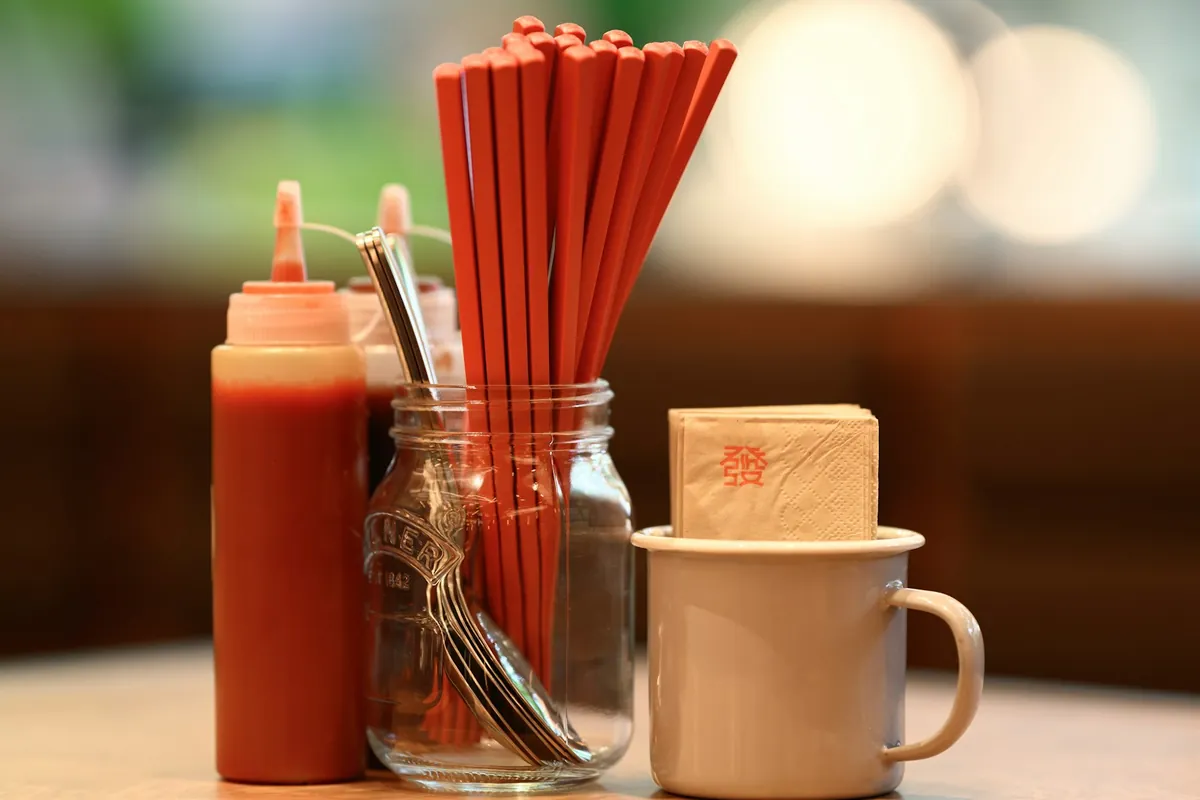
In more formal settings there are serving chopsticks or a serving spoon for each dish, and you use those to move food to your own plate first. In casual settings people generally serve themselves directly from the shared dish, and nobody thinks about it much.
If you are hosting a mixed table, putting a serving spoon in each dish solves it silently and makes anyone who prefers it more comfortable. Our guides to what to order and how much to order cover building a shared meal in the first place.
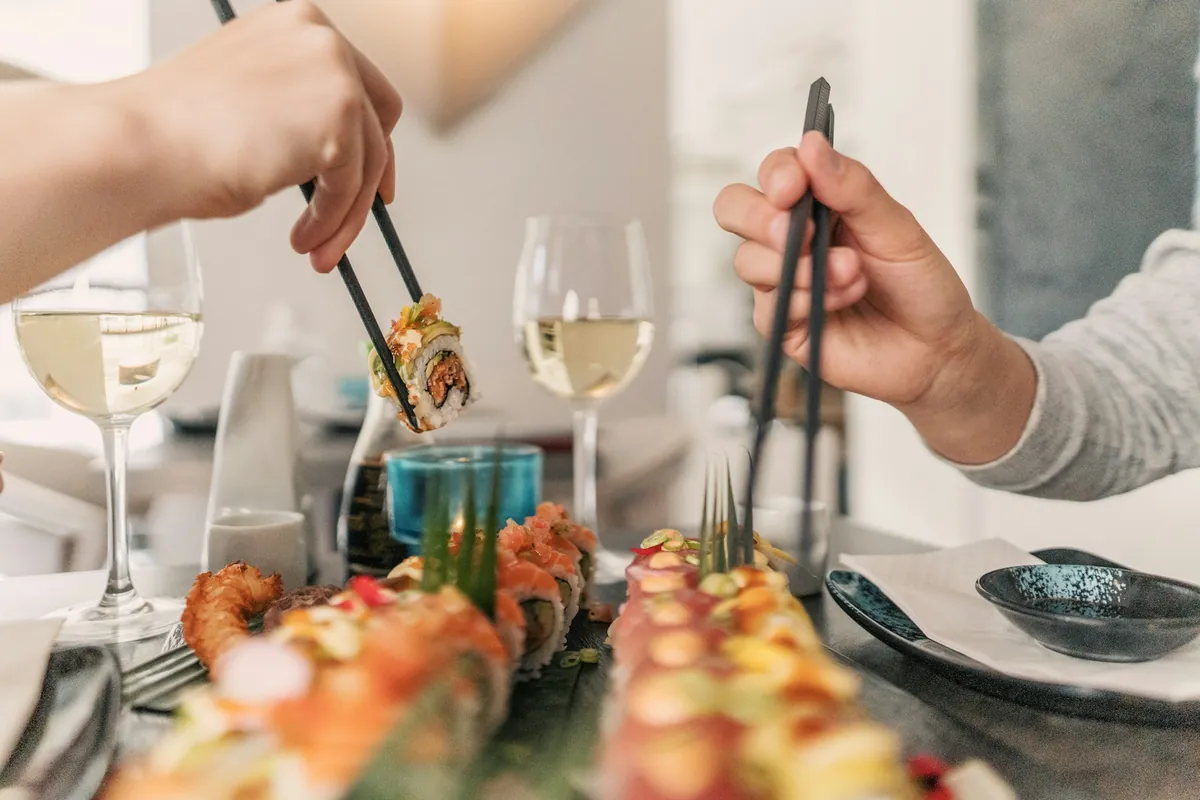
When a fork is the better tool
Chopsticks suit
- Noodles, which they handle better than a fork
- Dumplings and larger pieces
- Picking single items from a shared dish
- Eating slowly, which they encourage
A fork suits
- Fried rice, without question
- Eating one-handed or in a car
- Children, and anyone in a hurry
- Any situation where you would rather enjoy the food
This is not a compromise position. Chopsticks are better at some things and a fork is better at others, and Chinese restaurants in America supply both because both get used. Our guide to Chinese food for children is relevant here: handing a five-year-old chopsticks and a plate of fried rice is a decision with predictable consequences.
The takeout chopsticks themselves
Worth a brief word, because they are not the same object as a good pair.
Disposable chopsticks are usually bamboo or light wood, joined at the base and snapped apart. They are shorter and blunter than reusable ones, and the surface is rougher — which actually helps a beginner, since rough wood grips food better than lacquered or metal chopsticks do.
If you find them awkward and want to persist, a reusable pair with slightly textured tips is easier than the smooth lacquered kind, and metal chopsticks are the hardest of all for a beginner. Start with the free bamboo ones.
Frequently asked questions
How do you hold chopsticks?
Rest the bottom chopstick in the crook of your thumb and support it with your ring finger, then hold the top one like a pencil and pivot it down to meet it. The bottom stick never moves — if your grip keeps failing, that is almost always why.
Is it rude to use a fork with Chinese food?
No. Chinese restaurants in America supply both because both get used, and nobody is grading you. Chopsticks handle noodles better than a fork does; a fork handles fried rice better than chopsticks do.
What should you never do with chopsticks?
Do not stand them upright in a bowl of rice — it resembles incense at a funeral offering, and it is the one convention that carries real weight. Passing food directly chopstick-to-chopstick is avoided for related reasons.
How do you eat rice with chopsticks?
Lift the bowl toward your mouth and use the chopsticks to move the rice the short remaining distance. This is not impolite — it is how the tools are meant to work, and it is why rice is served in a bowl rather than on a plate.
What is the easiest food to practice chopsticks on?
Something firm and about the size of a large grape: broccoli florets, chunks of chicken, or dumplings. Avoid rice and noodles at first — loose grains and slippery strands are considerably harder than they look.
The short version
Bottom stick still, top stick like a pencil. Practice on broccoli, not rice. Lift the bowl when you get to the rice, and never stand the sticks upright in it.
Beyond that: use a fork whenever you would rather. The point of the meal is the food.
Order from China King
Chopsticks or forks, whichever you prefer — just say when you order.
Sources
- Chopsticks — on their history, regional variation and the conventions around their use.
- Britannica: chopsticks — background on the utensil and its spread.