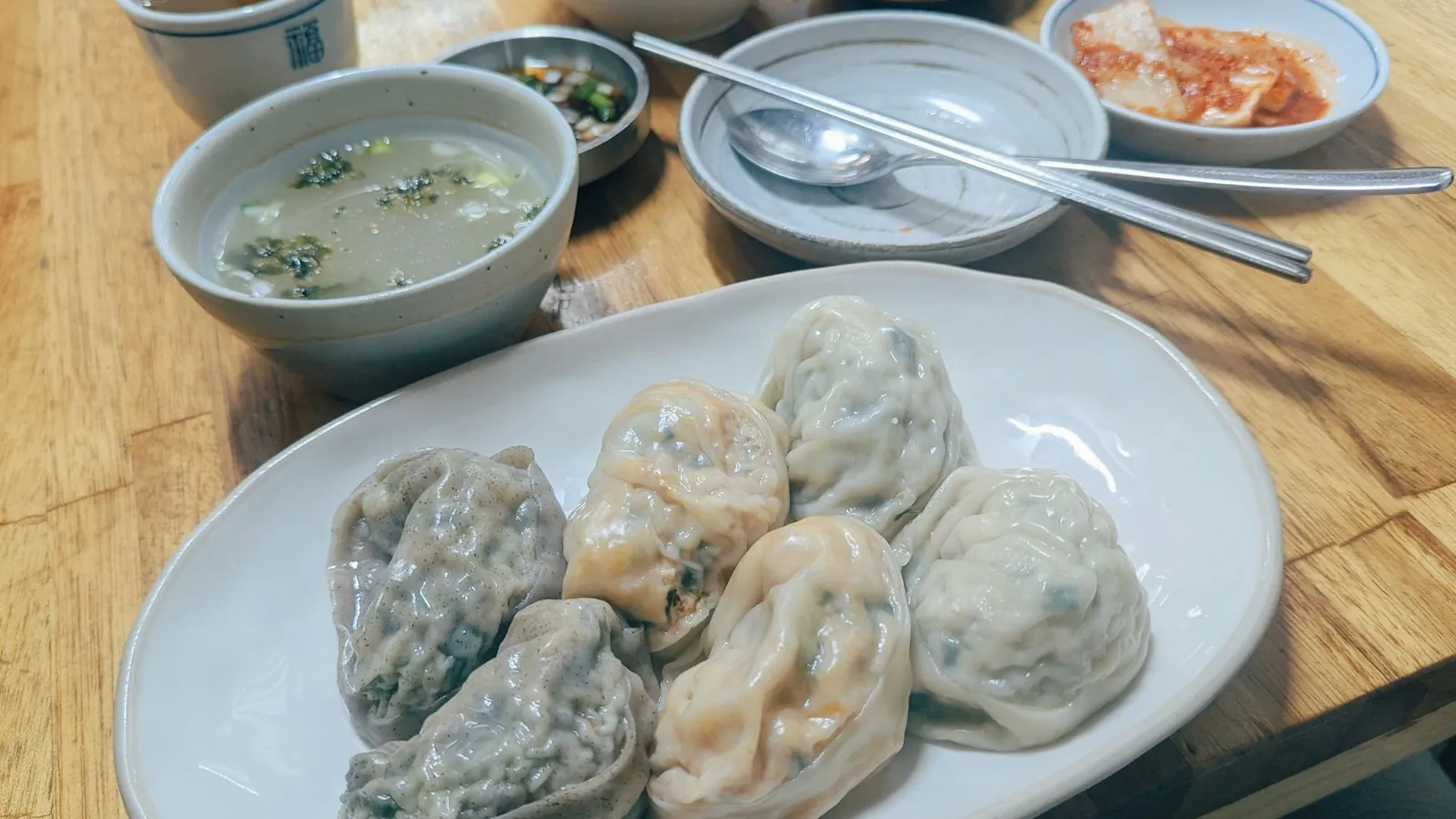
A Chinese takeout menu will offer you fried wontons, fried dumplings and boiled dumplings, on the same page, at similar prices, with no explanation of how they differ. They are all small parcels of filling in dough. They are not the same thing.
The difference is the wrapper. Wonton wrappers are thin and square, so they turn crisp and delicate when fried and silky when boiled. Dumpling wrappers are thicker and round, so they stay chewy and substantial. Dumplings are a meal; wontons are a snack.
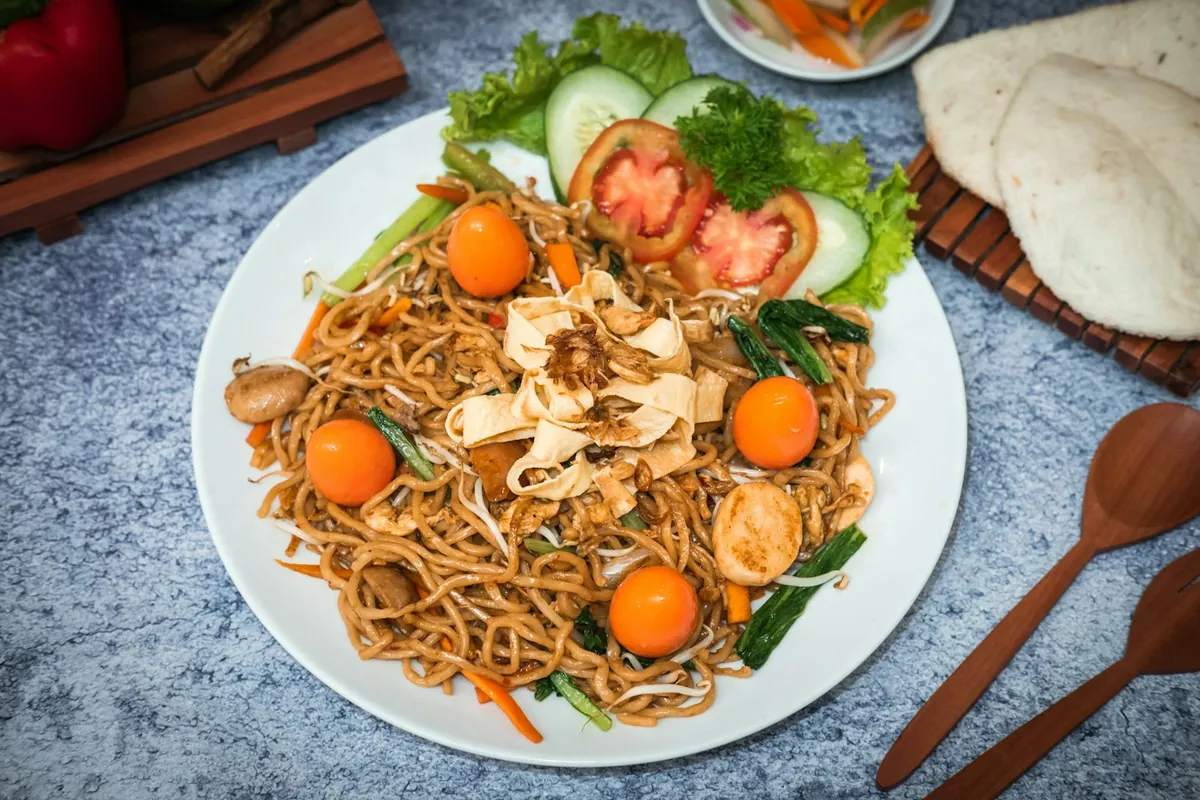
The wrapper is the whole difference
Both are dough, both are wheat-based, but the thickness is not remotely similar and it changes everything downstream.
A wonton wrapper is thin — near translucent. It cooks in moments, blisters when fried, and in soup becomes soft and slippery, almost dissolving at the edges. Because it is so thin, it cannot hold much filling and is not meant to. The wrapper is part of the pleasure rather than a container for something else.
A dumpling wrapper is several times thicker and usually round rather than square. It has real chew, it holds a substantial ball of filling, and it does not blister or crisp in the same way. When pan-fried the bottom goes golden while the top stays soft.
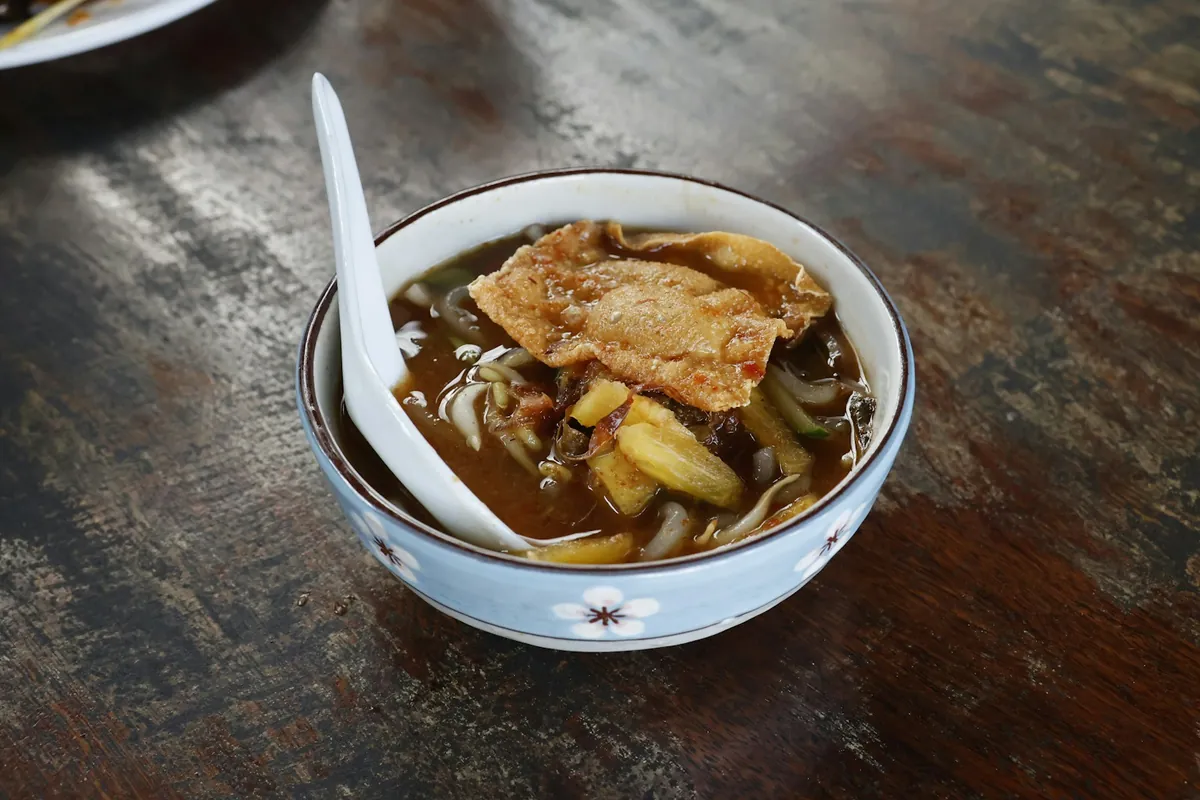
The three dishes you will actually see
| Dish | Wrapper | Texture | Filling | Order it as |
|---|---|---|---|---|
| Fried wonton | Thin, square | Crisp, light, airy | Small; usually pork | A snack, with sauce |
| Fried dumpling | Thick, round | Chewy, golden bottom | Generous; pork or vegetable | A substantial starter |
| Boiled dumpling | Thick, round | Soft, chewy throughout | Generous | The lightest of the three |
| Wonton soup | Thin, square | Silky, almost dissolving | Small | A starter or a light meal |
Notice the ordering counts on most menus: wontons come ten to an order and dumplings eight, at a similar price. That tells you what the kitchen already knows — a dumpling is more food than a wonton, so you get fewer of them.
Fried or boiled dumplings?
This is the question people actually agonise over, and it is a real choice rather than a matter of preference for frying.
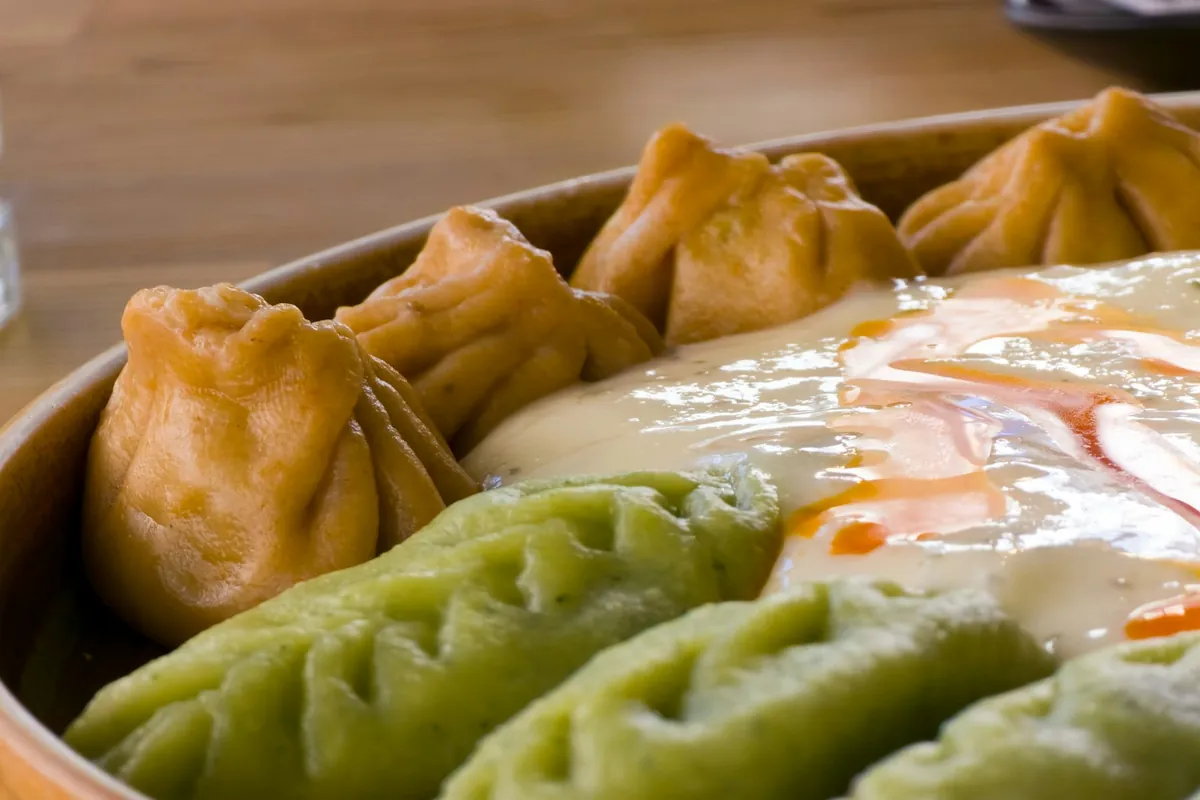
Fried dumplings — the ones often called potstickers — are typically pan-fried on one side, so you get a crisp golden base and a soft chewy top. The contrast between the two is the appeal. They are richer, and they are the version most people order.
Boiled dumplings are soft all the way round and taste much more directly of the filling, because nothing has been browned. They are cleaner, lighter, and better if you want to taste what is inside rather than the cooking. They are also the more traditional preparation.
Order fried if
- You want the crisp-and-chew contrast
- The dumplings are the star of the starter
- You are eating them straight away
- You like a richer bite
Order boiled if
- You want to taste the filling clearly
- The rest of the order is already fried
- You are taking them home
- You want the lightest version

Where wontons fit
Wontons lead a double life on the menu, and the two versions have almost nothing in common.
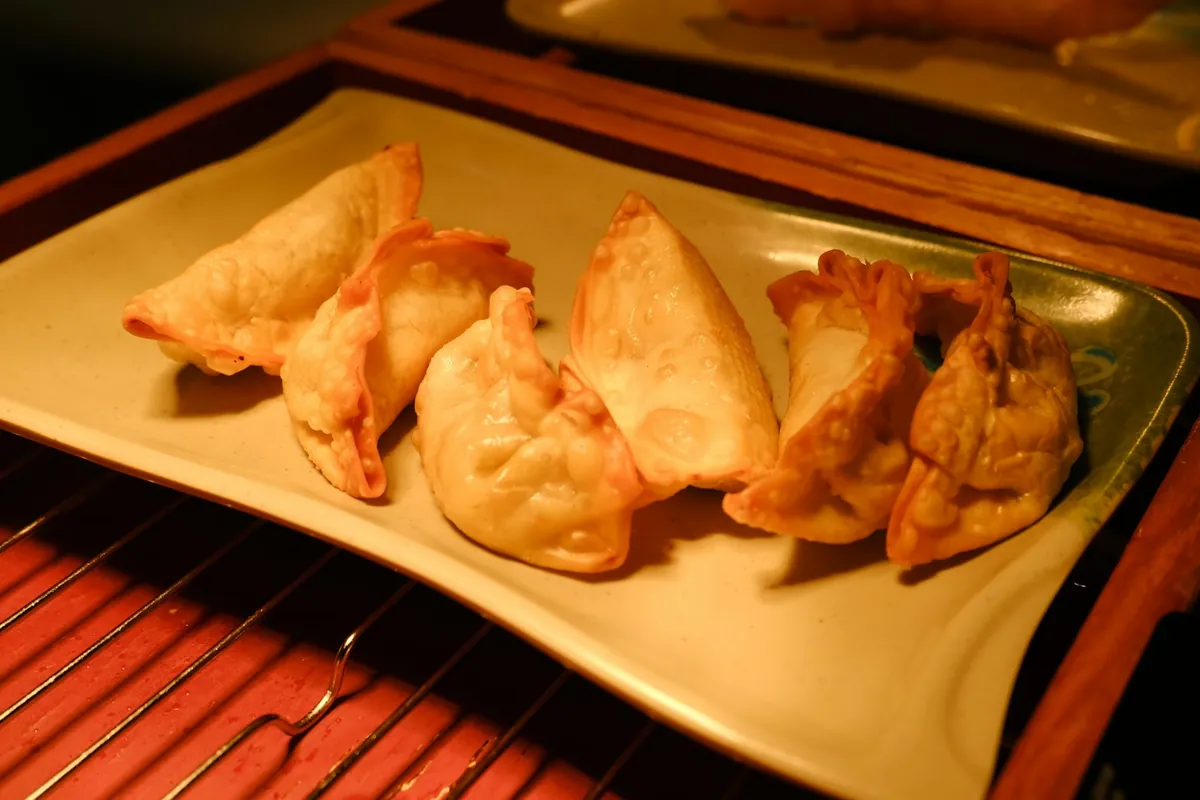
Fried, they are one of the best snacks on the appetizer page: crisp, light, and made for the dipping sauce. They are closer in spirit to a chip than to a dumpling, and they empty faster than anything else on a shared table.
In soup, the same wonton becomes soft and slippery and functions as the substance of a light meal rather than a snack. Our guide to Chinese soups covers wonton soup and the rest of that section properly.
The filling in both is usually a small amount of seasoned pork. Because the amount is small, the seasoning matters more than in a dumpling, where the filling has room to speak for itself.

What to order them with
Dumplings are filling. Four of them will take the edge off an appetite, so if you are also ordering crab rangoon or egg rolls, one dumpling order for the table is plenty.
Fried wontons work differently. They are light enough to sit alongside other starters without competing, which is why they are the safe addition to a mixed appetizer order.
Both want a sauce. Boiled dumplings especially, since nothing has been browned to add flavor — a soy-based or vinegar dipping sauce is doing real work there rather than being a garnish.
Takeout notes
Boiled dumplings travel best of the three, which is the opposite of what most people assume. There is nothing crisp to lose, so a closed container costs them very little.
Fried dumplings lose their crisp base but keep their chew, so they are still good. Fried wontons are the most fragile item here: thin and crisp is exactly the combination that steam ruins, and they go from crisp to leathery quickly. Vent the container immediately or eat them first — our guide to pickup or delivery explains why.
Frequently asked questions
What is the difference between a dumpling and a wonton?
The wrapper. Wonton wrappers are thin and square, so they crisp lightly when fried and turn silky in soup. Dumpling wrappers are thicker and round, holding more filling and staying chewy. A dumpling is a substantial bite; a wonton is a light one.
Are fried or boiled dumplings better?
They are different rather than better. Fried dumplings give you a crisp base against a chewy top and taste richer. Boiled dumplings are soft throughout and taste more directly of the filling. Order boiled if the rest of your meal is already fried.
Why do you get ten wontons but only eight dumplings?
Because a dumpling is more food. The thicker wrapper holds considerably more filling, so eight dumplings and ten wontons are roughly comparable portions — which is why they are often priced similarly.
What is inside fried wontons?
Usually a small amount of seasoned pork, though fillings vary and some versions are mostly wrapper. Because the amount is small, the seasoning and the crisp wrapper carry the dish. Ask the restaurant if you need to know what is in theirs.
Which travels best for takeout?
Boiled dumplings, because there is nothing crisp to lose. Fried dumplings keep their chew even after the base softens. Fried wontons are the most fragile — thin and crisp is exactly what trapped steam ruins, so eat those first.
The short version
Thin square wrapper means wonton: crisp and light fried, silky in soup, a snack either way. Thick round wrapper means dumpling: chewy, substantial, a starter in its own right.
Fried for contrast, boiled to taste the filling. And if the food has a journey ahead of it, boiled dumplings are the order.
Dumplings and wontons in Fayetteville
China King lists fried wontons, and dumplings both boiled and fried, on Walter Reed Road.
Sources
- Jiaozi — on Chinese dumplings, their wrappers and preparations.
- Britannica: dumpling — on dumplings as a food category.