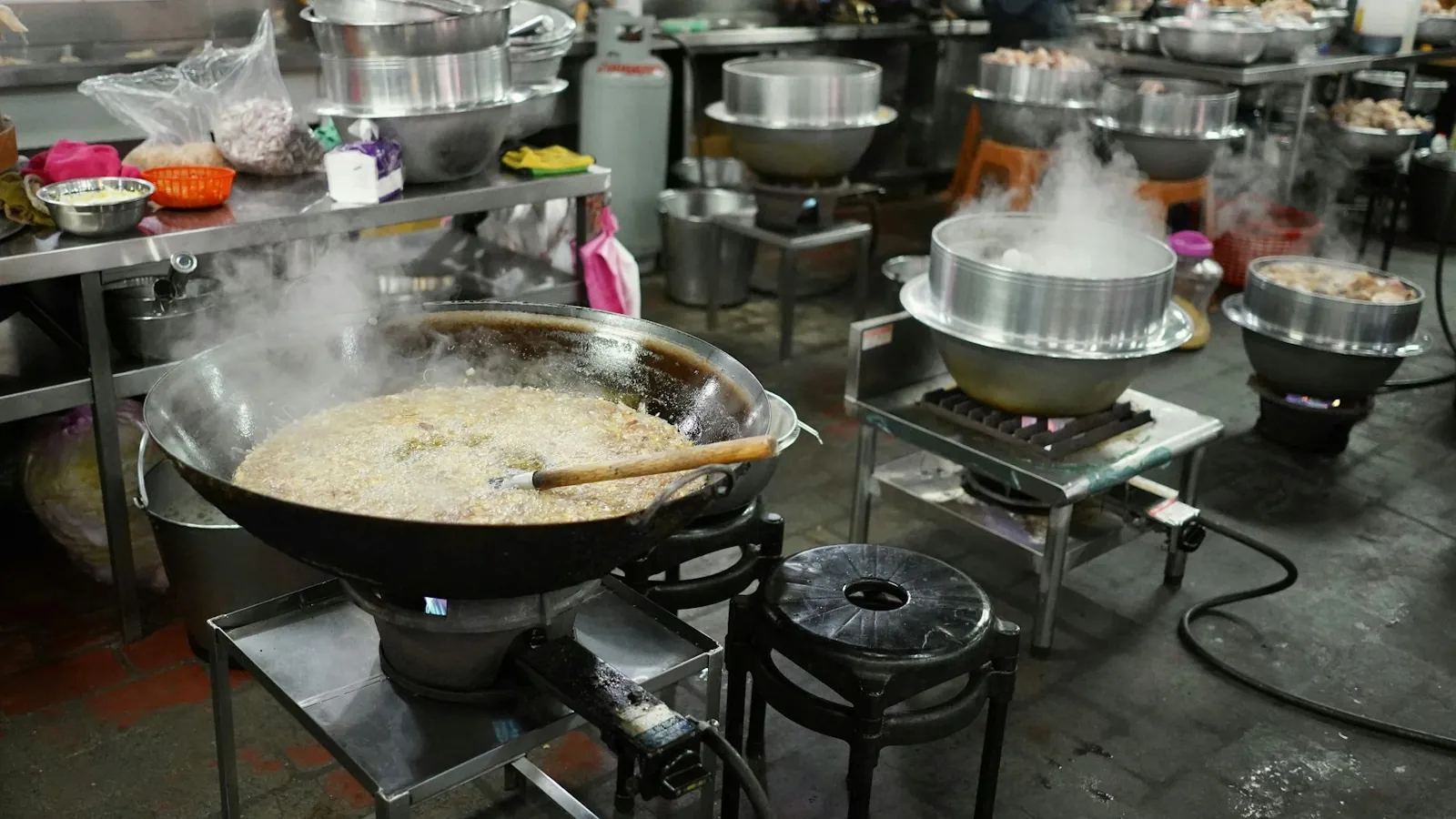
Oil is the least discussed ingredient in Chinese cooking and one of the most important. It is not there to add flavor in most dishes — it is there to move heat, and understanding that explains both why restaurant stir-fry tastes different from yours and why “no oil” is not a request a wok can honor.
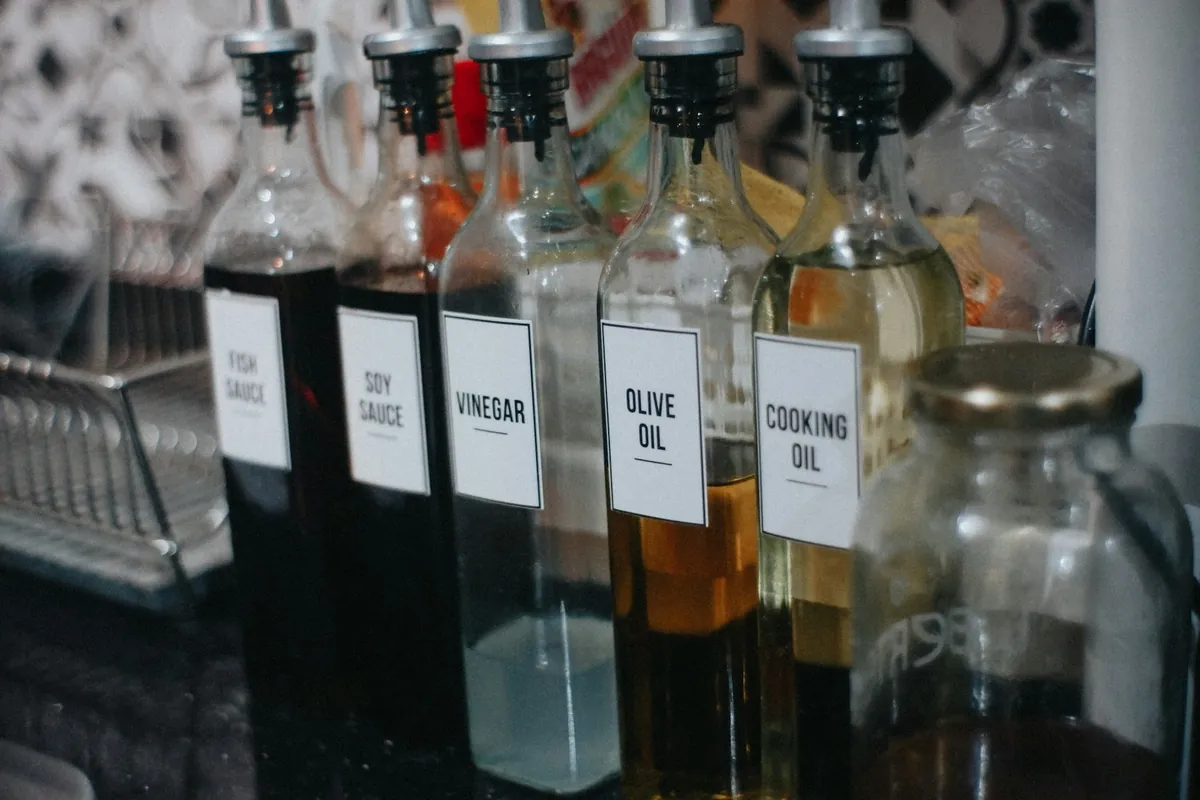
Chinese kitchens cook in a neutral, high-smoke-point oil — typically soybean, peanut, canola or a blended vegetable oil. Sesame oil is not a cooking oil: it burns easily and is added at the end, by the teaspoon, as a flavoring.
Why the cooking oil is deliberately tasteless
Because its job is thermal, not culinary.
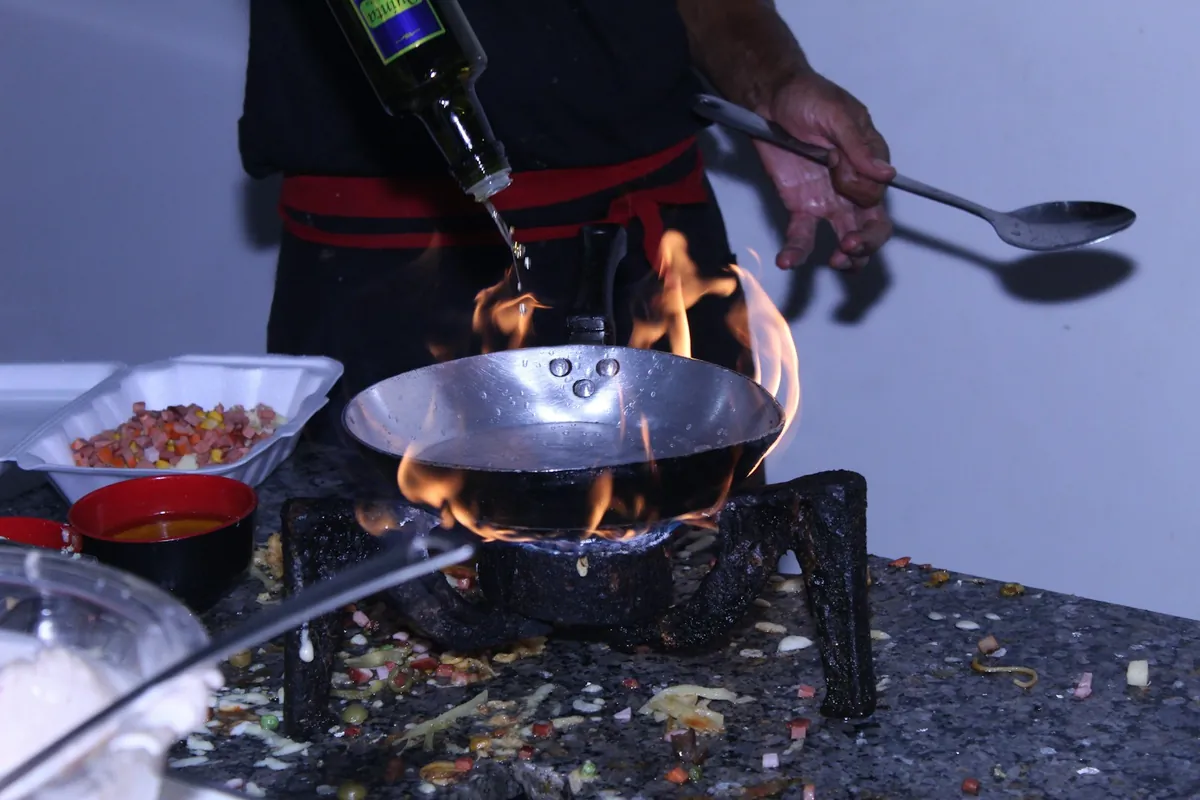
Stir-frying works by getting food very hot very fast, and oil is the medium that carries heat from the metal to the food. It fills the gaps and transfers energy far more efficiently than air. Without it, food scorches in spots and steams everywhere else.
For that job you want an oil that contributes nothing. A neutral oil lets the aromatics, the sauce and the protein be the flavor, which is the whole design of the dish. Our guide to how takeout kitchens work covers the heat side of the same equation.
The other requirement is a high smoke point. A restaurant wok runs far hotter than a domestic stove, and an oil that breaks down there turns acrid.
The oils, and what each is for
| Oil | Role | Flavor | Handles high heat? |
|---|---|---|---|
| Soybean, canola, blended vegetable | Main cooking oil | Neutral | Yes |
| Peanut oil | Cooking and deep frying | Very slightly nutty | Yes |
| Toasted sesame oil | Finishing, by the teaspoon | Strong, nutty, aromatic | No |
| Chili oil | Condiment and finishing | Hot, aromatic | No |
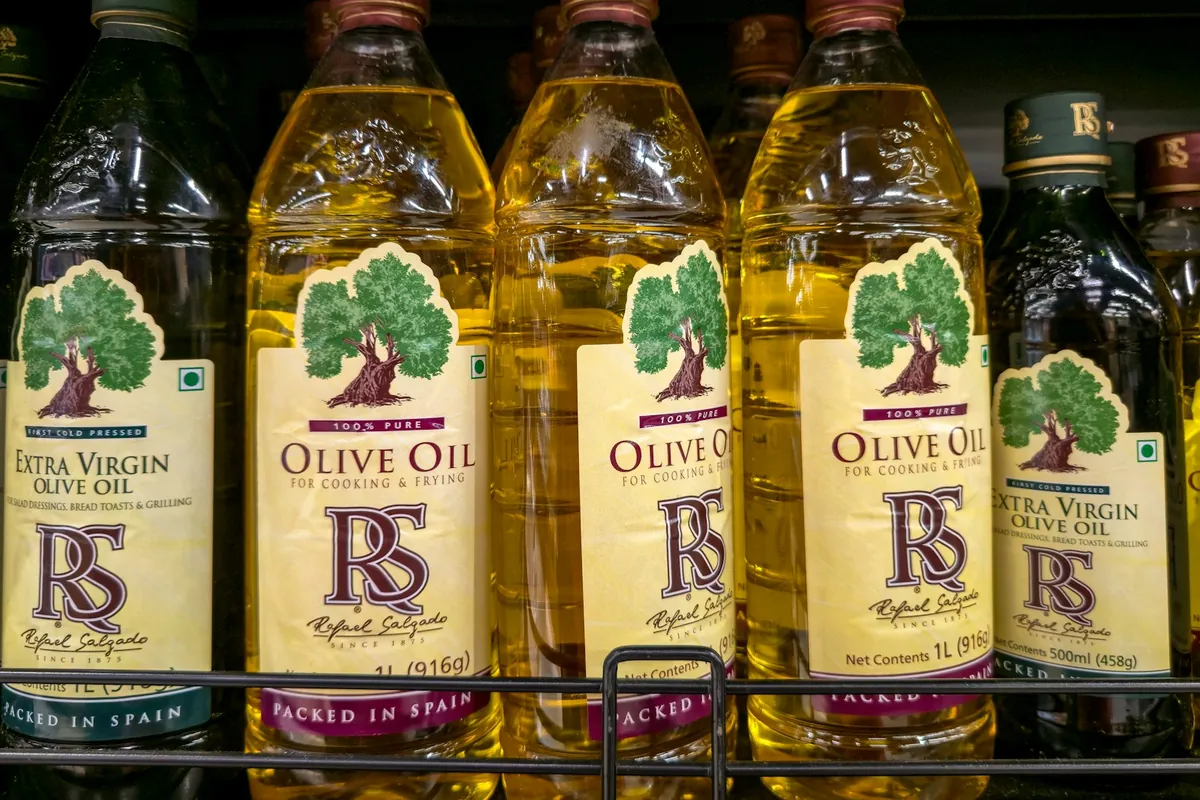
| Olive oil | Not used | Distinctly its own | Not at wok temperatures |
| Butter | Not used | Dairy | No |
Those bottom two rows matter for anyone cooking at home. Olive oil breaks down below wok temperature and tastes of somewhere else; butter burns almost immediately and brings dairy into a cuisine that essentially never uses it.
Sesame oil is a seasoning
The most common home-cooking mistake with Chinese food, and worth stating plainly: toasted sesame oil is not for frying in.
It has a low smoke point and an assertive flavor, and heating it hard destroys the aroma you bought it for while making everything taste scorched. In a Chinese kitchen it goes in at the very end, off the heat or nearly so, a half-teaspoon at a time.
Used that way it is transformative. A dish that tastes flat often needs sesame oil rather than more salt — our guide to soy sauce covers the other half of that pair.
One safety point, stated without reassurance: sesame is a major food allergen in the United States, and sesame oil is used as a finishing seasoning in dishes whose names do not mention it. If sesame matters to you, that is a conversation with the restaurant about specific dishes — our guide to allergens on the menu explains why shared woks make it a question about the kitchen.
Why some dishes arrive oily
Three reasons, and only one of them is a fault.
The dish needed it. A wok full of noodles or a large vegetable stir-fry takes real oil to cook properly, and some of it stays. That is the technique working.
It separated on the way home. A sauce thickened with cornstarch holds oil in suspension while hot. As it cools, that emulsion breaks and the oil rises — which is why a dish that looked glossy at the counter has a slick on top twenty minutes later. Stirring it back in genuinely helps, and reheating in a pan helps more. Our guide to storing and reheating covers that.
The fryer was not hot enough. This one is a fault. Food entering oil below temperature absorbs it instead of searing, and comes out heavy and greasy rather than crisp. It is the difference between a good fried dish and a disappointing one, and it is about temperature rather than quantity of oil.

What you can and cannot ask for
Reasonable requests
- “Light on the oil” for a stir-fry
- A steamed dish instead, if one is on the menu
- Sauce on the side, where the dish allows
- Asking whether peanut oil is used
Not really possible
- A genuinely oil-free stir-fry
- Deep-fried anything with less oil
- Substituting olive oil or butter
- Guaranteeing no sesame in a shared kitchen
“Light on the oil” is a real request and most kitchens will oblige within limits. Oil-free is not, because the wok would scorch the food rather than cook it — our guide to asking for changes covers which requests land well.
If less oil is the goal, the steamed section is the structural answer rather than a modification: those dishes are cooked without a wok at all. Our guide to steamed dishes describes them by preparation, and we make no nutrition claims about them.
Buying oil for home Chinese cooking
Two bottles, same as with soy sauce.
A large bottle of neutral high-heat oil for cooking — canola, peanut or a vegetable blend. Buy more than feels necessary: underdosing oil is the second most common home stir-fry mistake after underheating the pan.
And a small bottle of toasted sesame oil for finishing — small deliberately, since it loses aroma within months of opening. Keep it away from the stove and out of light.
We are not going to make nutrition claims about any of these. Which oil is better for you is a question for a dietitian, not a restaurant blog — what we can tell you is what each one does in a pan.
Frequently asked questions
What oil is used in Chinese cooking?
A neutral oil with a high smoke point — typically soybean, canola, peanut or a blended vegetable oil. It is chosen precisely because it contributes no flavor of its own: its job is carrying heat from the wok to the food.
Can you cook with sesame oil?
Not as a frying oil. Toasted sesame oil has a low smoke point and a strong flavor, so heating it hard destroys the aroma and tastes scorched. It goes in at the end, off the heat, a half-teaspoon at a time, as a seasoning.
Why is my Chinese takeout oily?
Usually because the sauce emulsion broke as the dish cooled and the oil rose to the top — stirring it back in helps. Sometimes the dish simply needed that much oil. Genuinely greasy fried food means the fryer was below temperature, which is a fault.
Can I ask for a dish with no oil?
Not realistically — a wok needs oil to transfer heat, and without it food scorches rather than cooks. “Light on the oil” is a reasonable request most kitchens will work with. If less oil is the aim, a steamed dish is the structural answer.
Should I use olive oil for stir-frying?
No. It breaks down below the temperature a stir-fry needs, turning bitter, and its flavor belongs to a different cuisine. Butter is worse still — it burns almost immediately and brings dairy into cooking that essentially never uses it.
The short version
The cooking oil is neutral and high-heat because its job is moving heat, not adding flavor. Sesame oil is a finishing seasoning that must never see a hot pan.
Oil-free is not a thing a wok can do. Steamed is the honest alternative, and sesame is worth asking about if it matters to you.
Order from China King
Call with any ingredient question, including about oils and allergens.
Sources
- FDA: Food allergies — on sesame and peanuts as major allergens.
- Sesame oil — on the toasted and untoasted styles and their smoke points.