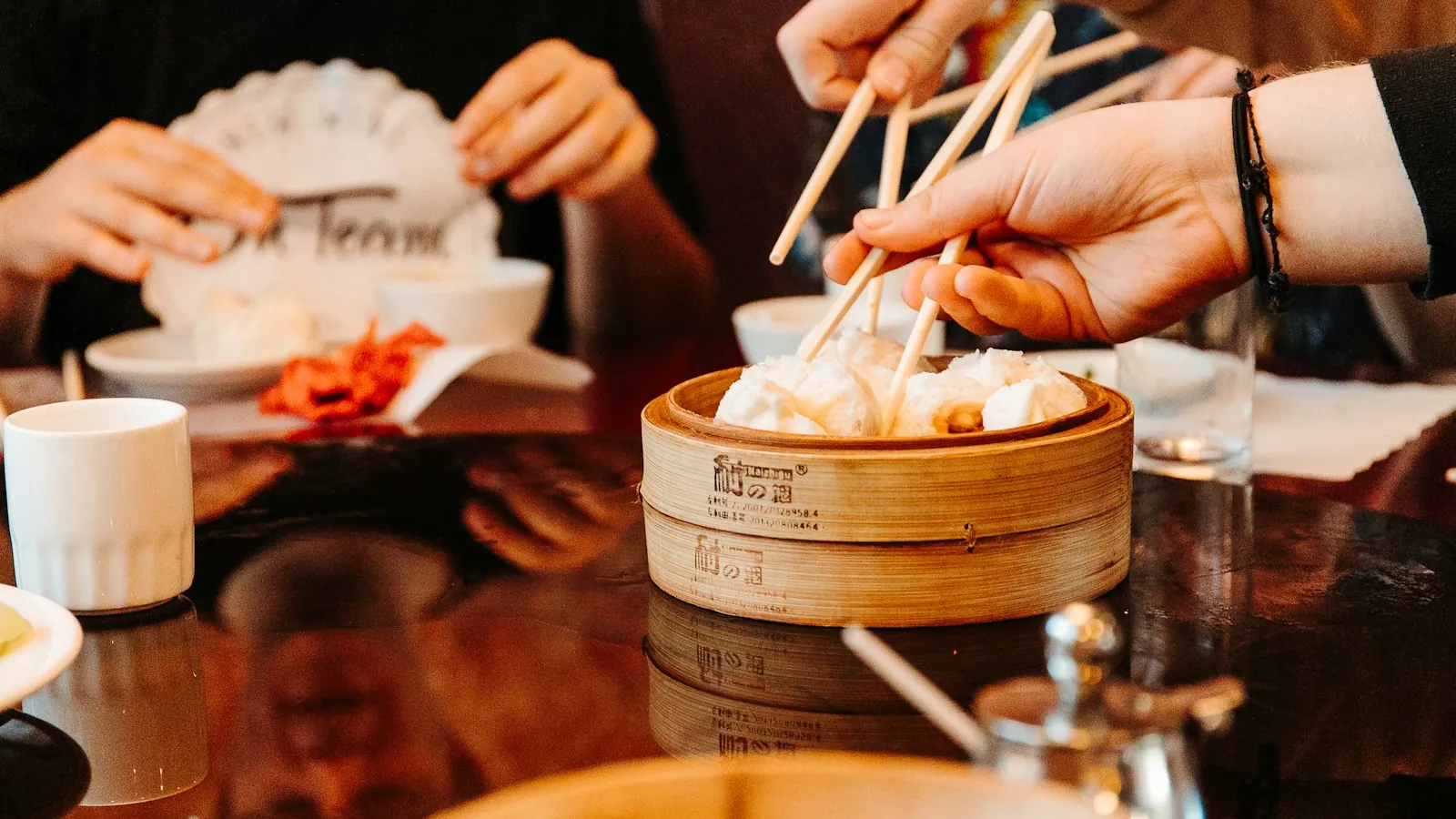
Most Chinese menus have a short section of steamed dishes, and it is the part people walk past fastest. It is worth knowing about, because it is the only place on the menu where you get the ingredients without a wok’s worth of oil and sauce between you and them.
Steamed dishes are cooked over water rather than fried in oil, served without batter and usually with the sauce in a separate container. What arrives is vegetables and a protein, plainly cooked. It is the simplest preparation on the menu, and the one where you control how much sauce goes on.
What is actually in the section
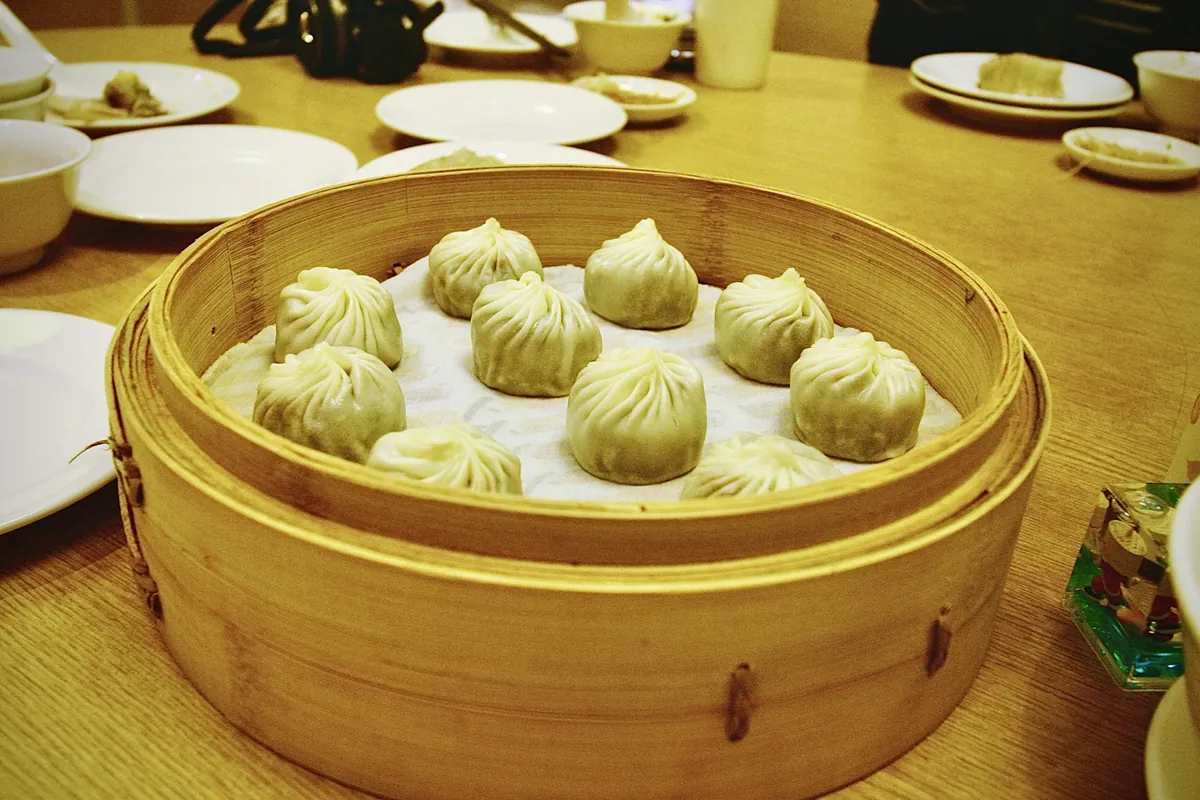
Steamed sections are short and follow a pattern: a base of mixed vegetables, then the same base with a protein added.
- Steamed mixed vegetables — broccoli, carrot, snow peas, mushroom, water chestnuts and whatever else the kitchen carries.
- The same, with chicken, beef or shrimp — the protein steamed alongside rather than seared separately.
- Combination versions — chicken and shrimp together, or scallop with broccoli.
Because nothing is fried and nothing is coated, what you see on the menu is close to what arrives. There is no batter hiding the size of the shrimp and no sauce disguising a tired vegetable.
Why the sauce comes separately
This is the defining feature of the section and the reason to order from it. A steamed dish normally arrives with a sauce on the side — commonly a light brown or white sauce — so you decide how much goes on, or whether any does.
That is genuinely useful in three situations: when you want the ingredients to taste like themselves, when you are sharing with someone who dislikes sauce, and when the rest of your order is already heavily sauced and you want one dish that is not.
How steamed compares with the rest of the menu
| Feature | Steamed | Stir-fried in sauce | Battered and fried |
|---|---|---|---|
| Cooked in | Steam | Hot oil, briefly | Deep oil |
| Coating | None | Sauce | Batter plus sauce |
| Sauce | Usually on the side | Cooked through | Tossed or on the side |
| Texture | Tender, clean | Coated, glossy | Crisp |
| Travels | Well | Well | Poorly |
| Reheats | Well | Well | Loses its coating |
| Best for | A plain, clean plate | A standard main | Eating immediately |
A note on the section name
Many menus label this section “diet food” or something similar. That is a menu convention rather than a nutritional claim, and it is worth reading it as shorthand for “steamed, not fried” rather than as a statement about calories or health.
We do not publish nutrition information for our dishes, and we would rather say so than guess. If you need specific figures — calories, sodium, or anything else — ask the restaurant directly rather than inferring from a section heading. For general nutrition guidance, the USDA’s food and nutrition information center is a reliable starting point.
Who orders from this section, and why
Steamed suits you if
- You want to control how much sauce you eat
- The rest of the order is fried or heavily sauced
- You want the ingredients to taste like themselves
- You are ordering for someone who dislikes rich food
Order elsewhere if
- You want the wok flavor that comes from high heat
- You want texture and crunch
- You find plainly cooked food dull
- You are ordering one dish only and want it to be the highlight
Making a steamed dish into a meal
On its own a steamed dish is deliberately plain, which is the point but also a limitation. Three things make it into a proper meal.
- Rice. Plain white rice is the natural partner, and it lets you use the sauce sparingly across both.
- Something with flavor alongside. A garlic sauce dish or a soup gives the meal a center of gravity without undoing the point of the steamed dish.
- Use the sauce deliberately. A spoonful over the top, not the whole container, unless you want it.
If you are balancing a whole order, our guide to what goes with fried rice and lo mein covers pairing, and the vegetable section is the other place to look for something lighter.
Steamed and takeout
Steamed dishes are among the better travelers on a Chinese menu. There is no crisp coating to lose and no sauce sitting on the food during the journey, since the sauce is packed separately.
One thing to watch: steamed vegetables keep cooking in a closed container while they are still hot, so broccoli that left the kitchen with a bit of bite may be softer by the time you eat. Opening the container when you get home slows that down.
This also makes steamed dishes one of the better choices for a longer drive or a delivery order. Nothing about them depends on arriving within minutes, which is not true of anything battered, and the sauce sitting separately means the food is not soaking while it travels.
Frequently asked questions
What does steamed mean on a Chinese menu?
Cooked over water rather than fried in oil, without batter, and normally served with the sauce in a separate container. What arrives is vegetables and a protein, plainly cooked, with the seasoning left to you.
Does steamed food come with sauce?
Usually on the side rather than poured over, which is the main reason to order from this section. You decide how much goes on, or whether any does.
Is the diet food section actually healthier?
The section name is a menu convention describing preparation rather than a nutritional claim. The dishes are steamed rather than fried and the sauce is separate, but for specific nutrition information you should ask the restaurant rather than infer it from the heading.
Are steamed dishes vegetarian?
Only the vegetable-only versions omit meat, and even then the sauce served alongside may contain oyster sauce or a meat-based stock. Ask about the sauce rather than assuming, and skip it if you are unsure.
Do steamed dishes travel well for takeout?
Yes, better than most. There is no coating to soften and the sauce is packed separately. Vegetables do keep cooking in a hot closed container though, so open it when you get home if you want them to stay firm.
The short version
Steamed dishes are the plainest thing on a Chinese menu: no batter, no oil, sauce on the side. Order one when the rest of your meal is rich, when you want to control the sauce, or when you want the ingredients to taste like themselves.
Pair it with plain rice and one dish that has more going on, and it stops being plain and starts being balance.
Steamed dishes in Fayetteville
China King lists six steamed dishes with vegetables, chicken, beef, shrimp and scallop on Walter Reed Road.
Sources
- USDA National Agricultural Library: human nutrition and food safety — cited above as a general nutrition reference.