
The vegetable section is usually short, sits near the back of the menu, and gets read mostly by people looking for something lighter. It rewards a proper look, because it contains some of the more interesting cooking on the page — and one important caveat that catches people out.
A dish being in the vegetable section does not mean it is vegetarian. Chinese sauces frequently contain oyster sauce or a meat-based stock, and woks are shared throughout a service. If you are avoiding meat strictly, ask how the sauce is made rather than choosing by the section heading.
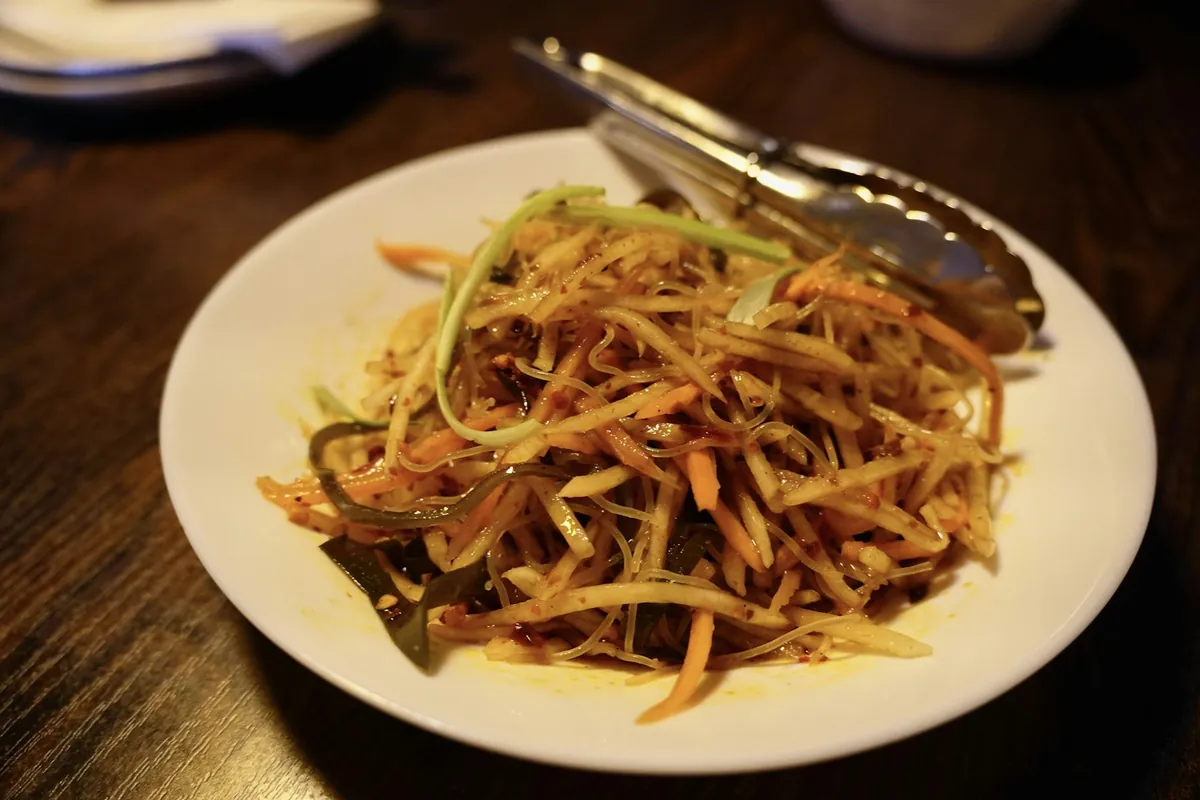
What is in the section
Vegetable sections tend to split into three groups, and knowing which is which saves a lot of guessing.
- Single-vegetable dishes — sauteed broccoli, or broccoli in a garlic sauce. Simple, and the vegetable is the point.
- Mixed vegetable dishes — a combination of whatever the kitchen carries, usually broccoli, carrot, snow peas, water chestnuts, mushroom and baby corn in a light sauce.
- Bean curd and tofu dishes — the protein options within the section, prepared several different ways.
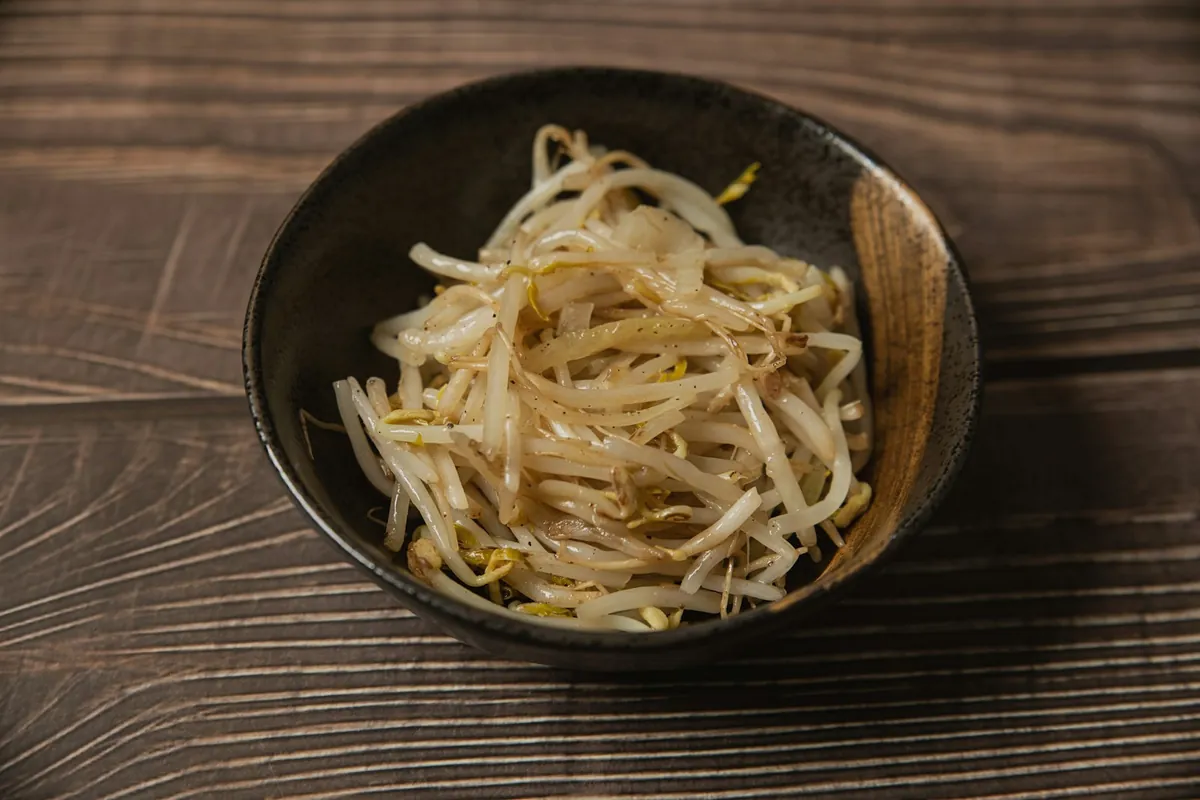
Bean curd and tofu: same thing, different treatments
Bean curd and tofu are the same ingredient. What changes between dishes is how it has been prepared before it meets the sauce, and that changes the texture completely.
Home style bean curd is usually lightly fried first, which firms the outside and lets it hold a savory sauce without collapsing. Szechuan style applies the regional treatment — chili heat with the characteristic numbing note — to the same ingredient. Sesame tofu is battered and glazed in the same style as sesame chicken, so it is sweet and crisp rather than soft and savory.
That last one is worth flagging, because people order it expecting a light vegetable dish and receive a sweet, battered one. It is good; it is just not light.
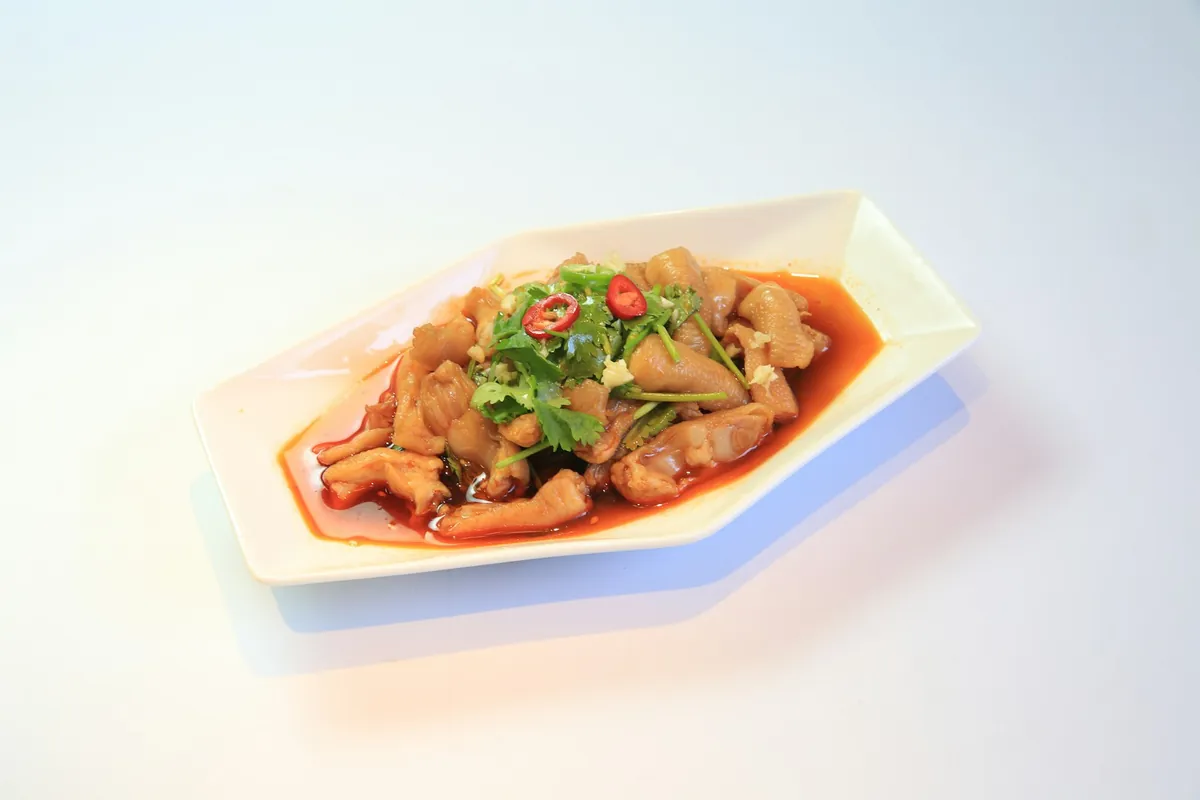
The dishes with poetic names
Two names turn up on most vegetable sections and explain nothing.
Buddhist Delight is a mixed vegetable dish, sometimes with bean curd and glass noodles. The name refers to the Buddhist vegetarian tradition it comes from — but as above, the restaurant version is not automatically vegetarian, so ask if it matters.
Green Jade Delight is a green-vegetable dish, typically built on broccoli and other green vegetables in a light sauce. The name describes the color rather than any specific ingredient.

How the section compares
| Dish type | Texture | Sauce | Order it if |
|---|---|---|---|
| Sauteed broccoli | Crisp, simple | Light | You want a clean side dish |
| Broccoli with garlic sauce | Crisp | Aromatic, some heat | You want flavor without meat |
| Mixed vegetables | Varied, some crunch | Light brown | You want range in one dish |
| Buddhist Delight | Mixed, sometimes with noodles | Light | You want the most varied option |
| Bean curd home style | Firm outside, soft inside | Savory | You want protein without meat |
| Bean curd Szechuan style | Firm, saucy | Spicy, numbing | You want heat |
| Sesame tofu | Battered, crisp | Sweet glaze | You want a sweet dish, not a light one |
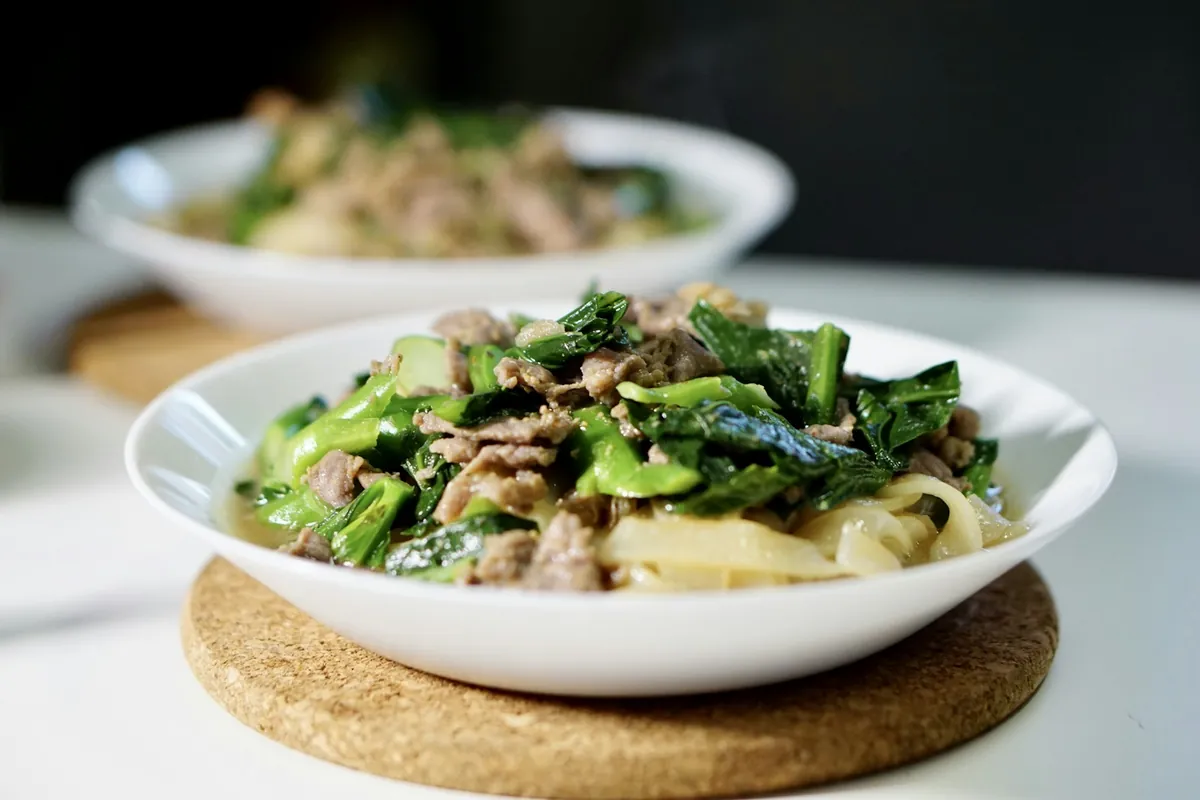
Using vegetables to fix an order
Here is the practical argument for the section, and it applies even if you eat meat happily.
Most Chinese takeout orders are a starch plus two protein dishes, all of them sauced. Nothing on the table resets the palate. A vegetable dish costs less than an entree, adds crunch and freshness the rest of the order does not have, and is usually the thing that gets finished.
If you order three dishes for two people, making one of them a vegetable dish improves the meal more than making it a third protein would.
Ordering as a vegetarian: the honest version
This deserves directness rather than reassurance.
Chinese restaurant kitchens are not built around meat avoidance. Oyster sauce appears in dishes across the menu. Stocks are commonly chicken or pork based, including in soups that sound vegetable-led. Woks pass from one dish to the next without a full wash. A dish can contain no visible meat and still not be vegetarian.
What that means practically: if you avoid meat by preference, the vegetable section, bean curd dishes and plain rice or noodles give you plenty to work with. If you avoid it strictly, or for religious reasons, have a specific conversation with the restaurant about the sauce and any stock before ordering. The FDA’s guidance on food allergies makes the same point about why prepared foods need checking rather than inferring from a name.
What to pair them with
As a side dish
- Sauteed broccoli with any sauced entree
- Mixed vegetables with a heavy or fried main
- Plain rice rather than fried, to keep it light
- One vegetable dish per three or four dishes ordered
As the main dish
- Bean curd home style, with rice
- Buddhist Delight for the most variety
- Bean curd Szechuan style if you want heat
- Add a soup to make it a full meal
Frequently asked questions
Are Chinese vegetable dishes vegetarian?
Not necessarily. Sauces frequently contain oyster sauce or a meat-based stock even when a dish has no visible meat, and woks are shared between dishes. Ask how the sauce is made rather than relying on the section heading.
What is Buddhist Delight?
A mixed vegetable dish, sometimes including bean curd and glass noodles, named for the Buddhist vegetarian tradition it comes from. The restaurant version is not automatically vegetarian, so check if that matters to you.
Is bean curd the same as tofu?
Yes, they are the same ingredient. What changes between dishes is the preparation: home style is usually lightly fried so it holds sauce, Szechuan style brings chili heat, and sesame tofu is battered and sweet-glazed.
Is sesame tofu a light dish?
No. It is battered and glazed in the same style as sesame chicken, so it is sweet and crisp rather than light. If you want something lighter, choose a sauteed or steamed vegetable dish instead.
Should I order a vegetable dish if I eat meat?
It usually improves the meal. Most takeout orders are all sauced protein and starch, and a vegetable dish adds crunch and freshness for less than the price of another entree.
The short version
Three groups: single vegetables, mixed vegetables, and bean curd. Bean curd and tofu are the same thing prepared differently, and sesame tofu is a sweet battered dish rather than a light one.
Add one vegetable dish to any order of three or more — and if you are avoiding meat strictly, ask about the sauce rather than trusting the section heading.
Vegetable dishes in Fayetteville
China King lists eight vegetable and bean curd dishes on Walter Reed Road.
Sources
- Encyclopaedia Britannica: Chinese cuisine — on regional cooking styles and vegetable traditions.
- U.S. Food and Drug Administration: food allergies — cited above on checking prepared foods.