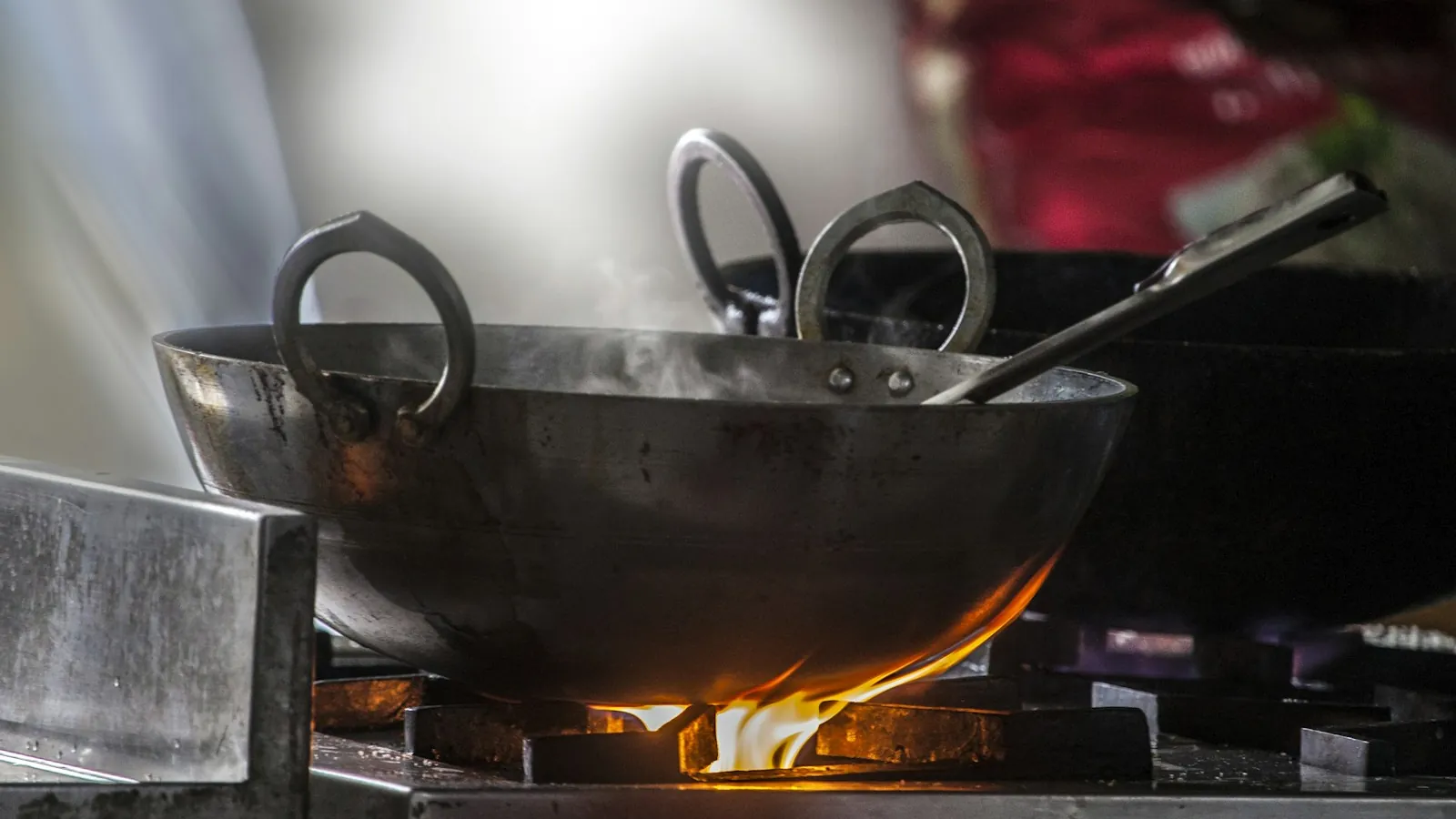
You order five dishes. Twelve minutes later all five arrive, hot, cooked to order, for less than the price of two restaurant entrees. That combination should not be possible, and understanding why it is explains a great deal about how the menu is written.
Almost everything is prepared before you order. Proteins are pre-cooked or pre-cut, vegetables are washed and chopped, sauces are held ready, and rice is cooked in bulk. Cooking a dish to order means assembling ready components in a very hot wok for ninety seconds. The menu is a list of combinations of the same parts.
The insight: the menu is a matrix
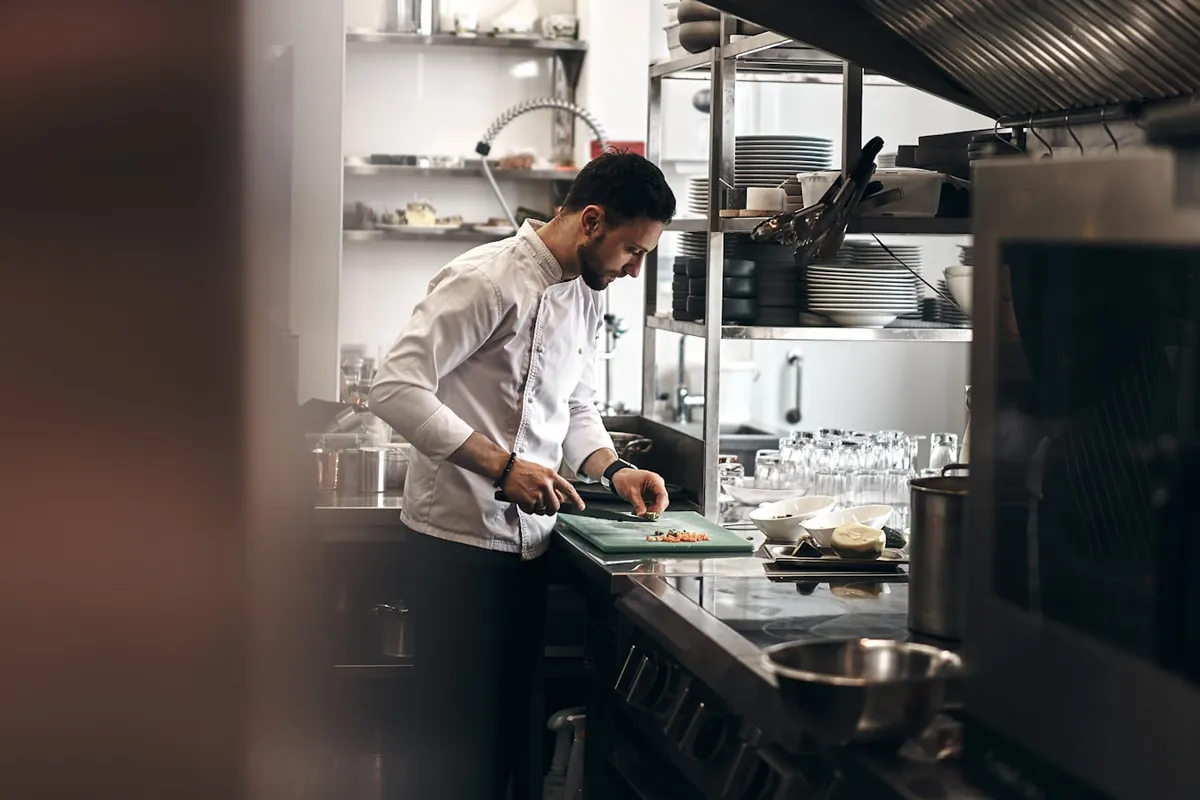
Look at a Chinese takeout menu as a grid rather than a list and it reorganizes itself immediately.
Down one axis are the proteins: chicken, beef, roast pork, shrimp. Across the other are the treatments: with broccoli, with garlic sauce, lo mein, fried rice, chow mein, egg foo young. A menu of two hundred items is not two hundred recipes — it is perhaps twenty components combined in different ways.
That is why the beef and chicken sections mirror each other so closely, and why the same dish reappears in four sections with a different protein each time. Our guides to the broccoli dishes and the garlic sauce dishes are essentially two readings of the same grid, one along each axis.
What happens before you call
Most of the work. A takeout kitchen’s day is front-loaded, and by the time service starts the food is already most of the way to being dinner.
Roast pork is cooked and sliced. It arrives in every dish already cooked, which is why it turns up across eight sections — our guide to roast pork covers that.
Chicken and beef are cut and often velveted — coated in a little cornstarch and briefly blanched in oil or water, which sets the surface so they cook in seconds and stay tender.
Vegetables are washed, trimmed and portioned into the combinations the menu needs.
Sauces are made in volume and held warm. Brown sauce, garlic sauce, sweet and sour, oyster sauce. This is the single biggest reason for the speed: nothing is built from scratch at the moment of ordering.
Rice is cooked in bulk, and the day-old rice that makes good fried rice is deliberately held back for it.
The wok station
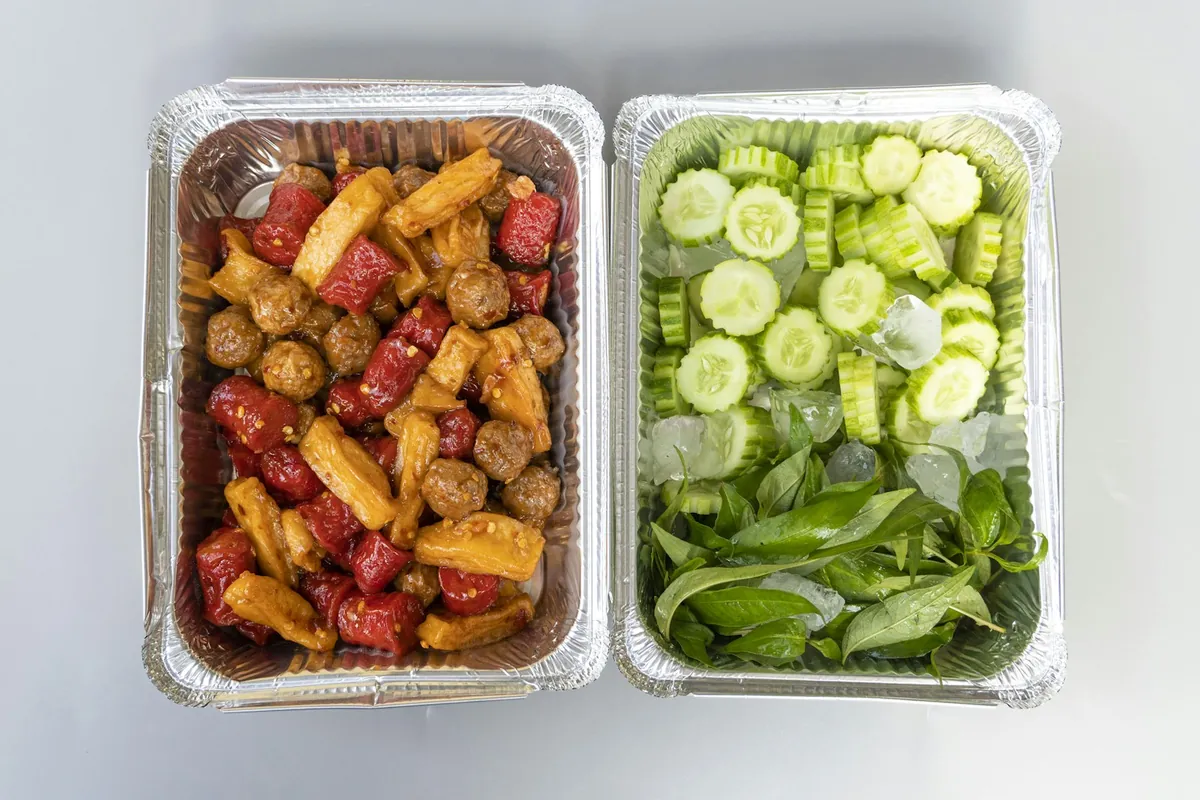
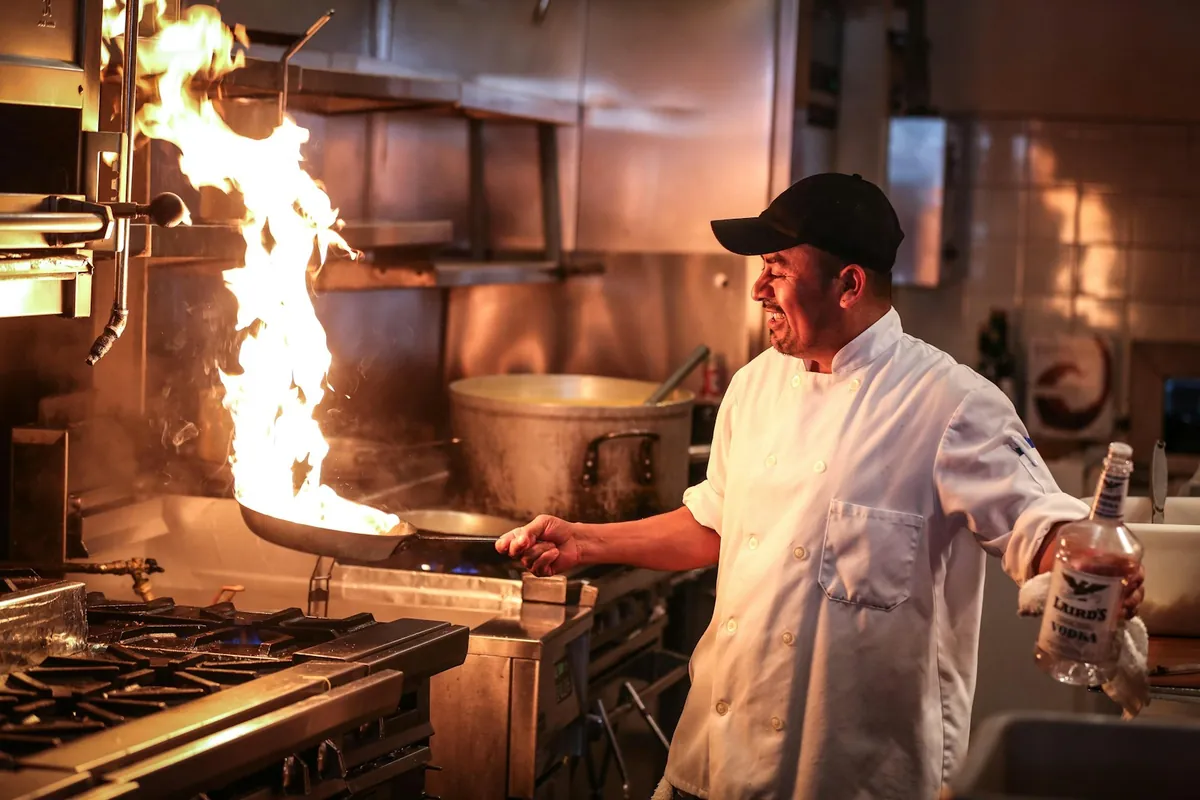
Then there is the equipment, which explains the rest. A restaurant wok burner produces heat on an order of magnitude a home stove cannot approach, and the flavor people associate with good stir-fried food comes from very high heat applied very briefly — food sears rather than stews, and moisture evaporates on contact.
A single wok cook works several orders at once, in a rhythm of thirty to ninety seconds per dish: hot wok, aromatics, protein, vegetables, sauce, toss, out. Then rinsed and back on the fire.
| Stage | When it happens | Roughly how long |
|---|---|---|
| Prep of proteins, vegetables, sauces | Hours before you order | Most of the day’s labor |
| Rice cooked in bulk | Before service | Once or twice a day |
| Order reaches the wok station | On ordering | Under a minute |
| Each stir-fried dish | To order | 30–90 seconds |
| Anything deep fried | To order | 3–6 minutes |
| Packing and bagging | Last | 1–2 minutes |
Read that table and the wait times on a menu make sense. A sauced stir-fry is nearly instant. A battered dish takes real minutes because the fryer cannot be rushed — which is why an order containing General Tso’s chicken takes longer than one containing beef with broccoli.
Why the specials cost more
Because they break the matrix.
A chef’s special needs something the grid does not supply: its own sauce, a separate frying step, two proteins in one pan, or a garnish nothing else uses. It cannot be assembled from ready parts, so it occupies the wok station longer and demands attention the assembly dishes do not. Our guide to chef’s specials covers that section, and coconut chicken is a clear example of a dish that exists outside the system.
The same logic explains combination plate pricing in reverse: a standard dish, rice from the bulk batch, and an egg roll already fried is the most system-friendly order on the menu, which is why it is the cheapest way to eat a main dish. Our guide to combination plates covers those.
What this means for how you order
Fast and reliable
- Section dishes with a standard sauce
- Fried rice and lo mein
- Combination plates
- Anything that mirrors another section
Worth allowing time for
- Battered and deep-fried dishes
- Chef’s specials
- Steamed dishes, which cannot be hurried
- Large orders during a dinner rush
It also explains two things people ask about. Requests to hold a sauce or serve it on the side are easy when the sauce is added at the end and hard when the dish is finished in it. And shared equipment is unavoidable — one wok, one fryer, many dishes — which is why our guide to nuts on the menu says an allergy question belongs with the restaurant rather than with a recipe.
The economics, briefly
The prep-ahead model is also the pricing model. The expensive labor happens before service and the components are shared across dozens of menu items, so waste is low and an extra dish costs little.
That is how a small kitchen sustains two hundred items. Cooking every dish from raw to order would need more cooks, more storage and more time per plate — and none of this is a compromise on the food. The prep-ahead system is what the wok’s speed demands rather than a shortcut around it.
Frequently asked questions
Why is Chinese takeout so fast?
Because almost everything is prepared before you order. Proteins are pre-cut or pre-cooked, vegetables are chopped, sauces are held warm and rice is cooked in bulk. Cooking to order means assembling ready components in a very hot wok for under two minutes.
How can one kitchen offer two hundred dishes?
Because they are not two hundred recipes. The menu is a grid: a handful of proteins combined with a handful of treatments and sauces. The same components reappear across every section, which is why the beef and chicken pages mirror each other.
Why do chef’s specials take longer?
They break the pattern. A special needs its own sauce, a separate frying step or two proteins in one pan, so it cannot be assembled from ready parts. It occupies the wok station longer, which is reflected in both the wait and the price.
What is velveting?
Coating cut meat in a little cornstarch and briefly blanching it in oil or water before service. It sets the surface so the meat cooks in seconds in the wok and stays tender rather than drying out. It is part of why restaurant stir-fried meat has that texture.
Why can restaurants stir-fry better than I can at home?
Heat, mostly. A restaurant wok burner produces far more of it than a domestic stove, and the flavor associated with good stir-frying comes from very high heat applied briefly — food sears instead of stewing, and moisture evaporates on contact.
The short version
The menu is a grid of about twenty components, not a list of two hundred recipes. The day’s work happens before service, and cooking to order takes ninety seconds in a wok hotter than anything in a home kitchen.
Once you can see the grid, the whole menu — its prices, its wait times, its repetitions — stops looking arbitrary.
Order from China King
Twenty-two sections, cooked to order on Walter Reed Road in Fayetteville.
Sources
- Stir frying — on the technique, the heat it requires and why prep precedes cooking.
- Britannica: Chinese cuisine — background on the cooking tradition and its methods.