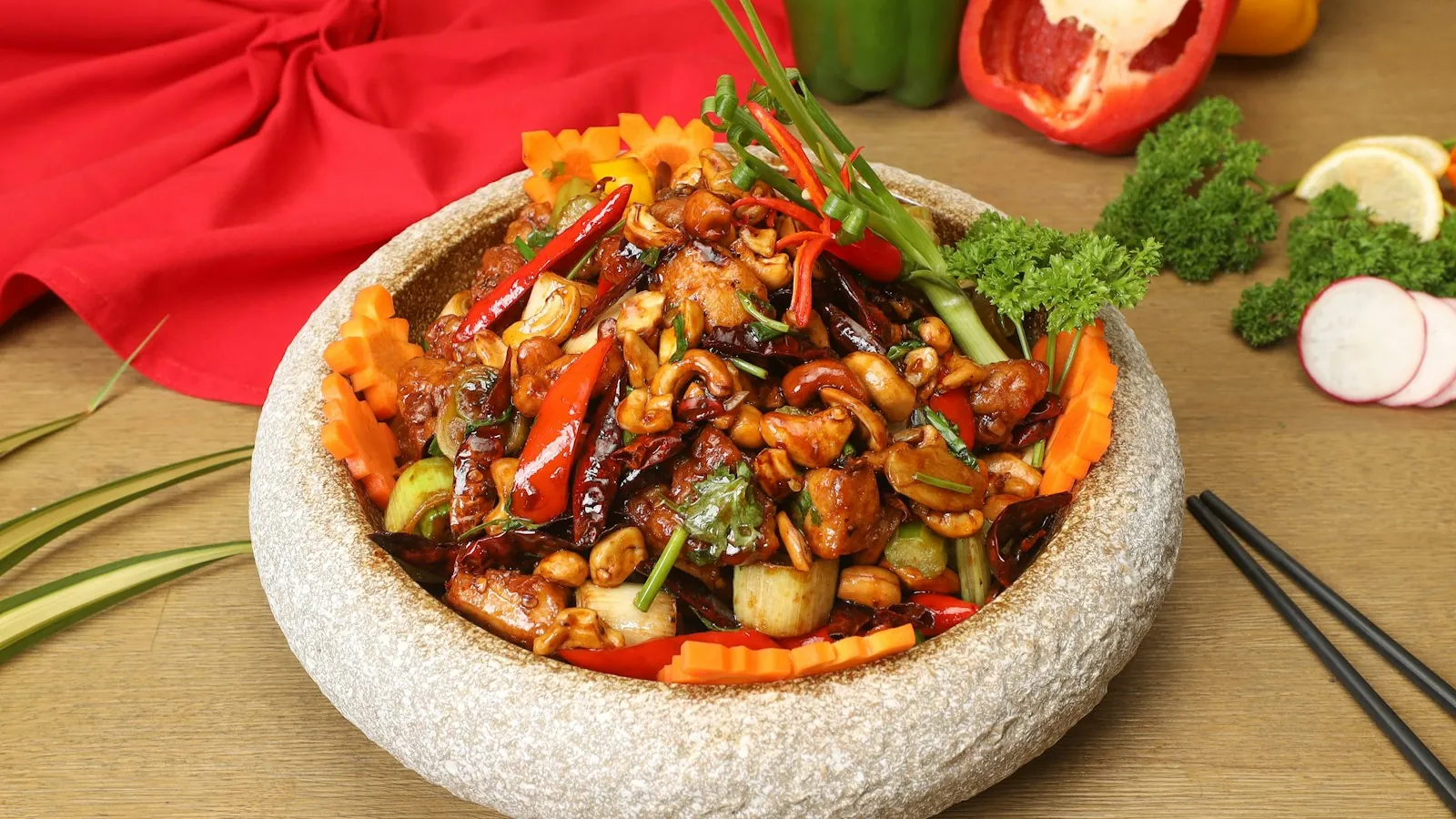
Every Chinese takeout menu has a page near the back where the dishes cost two or three dollars more, the names get longer, and nothing is organized by protein. That is the chef’s specials section, and most people skip it because they cannot tell what they would be getting.
Chef’s specials are dishes made individually rather than assembled from the menu’s shared parts. They cost more because they use better cuts, more ingredients or a longer preparation. The section is not organized by protein like the rest of the menu, which is why it looks harder to read than it is.
How the rest of the menu works, and why this section is different
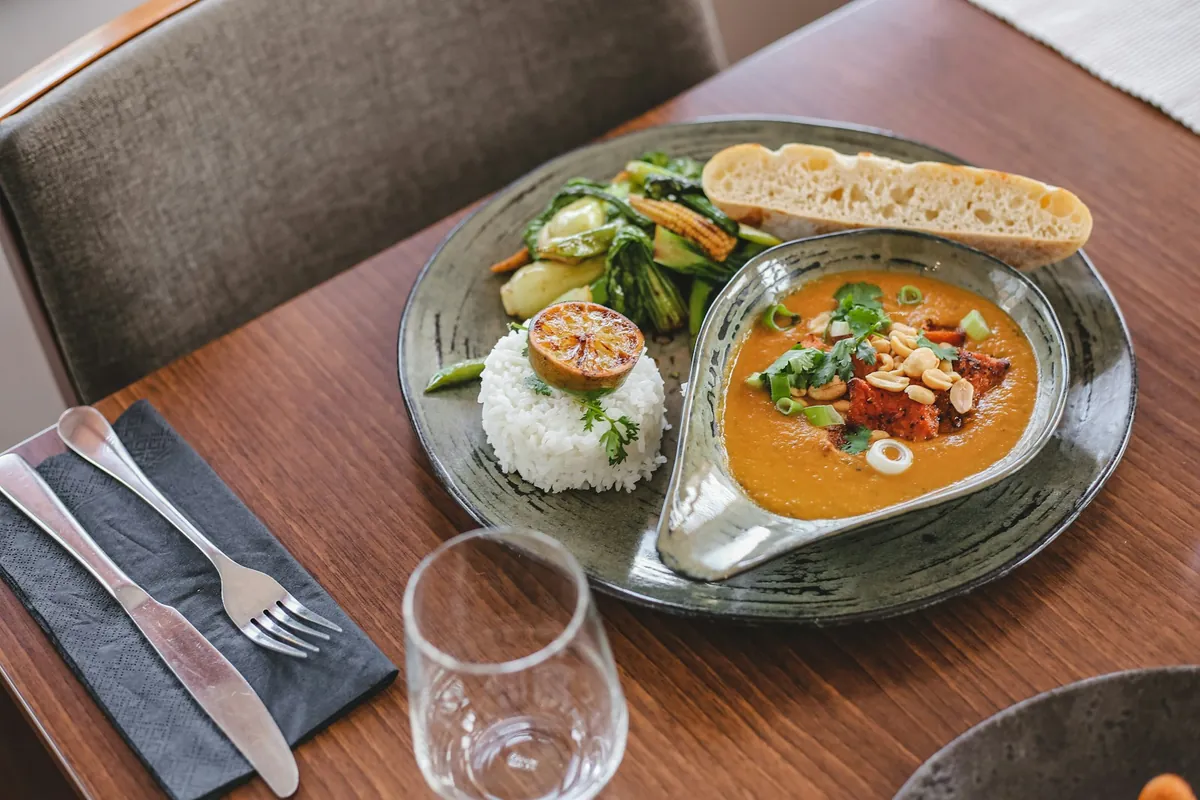
A Chinese takeout menu is a system. The beef section, the chicken section and the shrimp section are mostly the same dishes with the protein swapped, because the kitchen holds a set of sauces and a set of vegetables and combines them to order. That is why those dishes are fast, consistent and cheap.
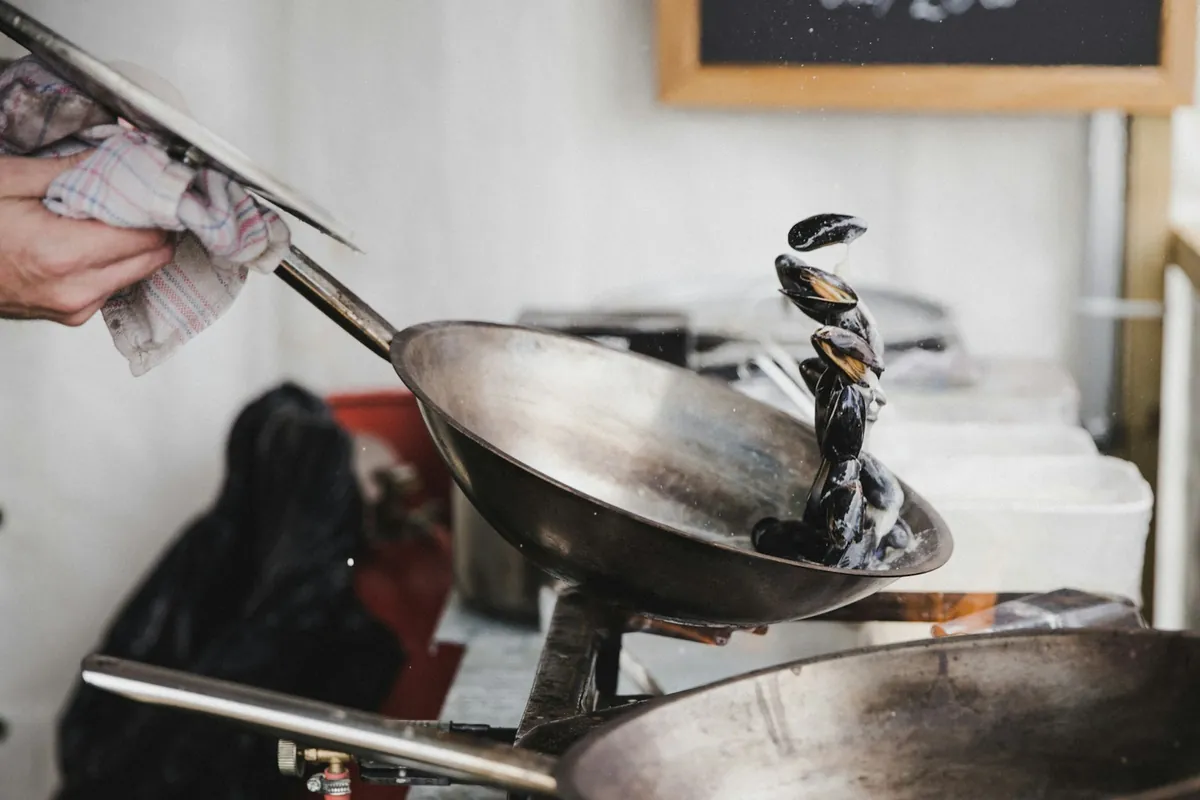
Chef’s specials break that pattern. Each one has something the system does not supply: a sauce made for that dish alone, a component that needs separate frying, two proteins in one pan, or a garnish nothing else uses. They are cooked as individual recipes.
Three things follow from that, and they are the practical reasons to care. Specials cost more. They take a few minutes longer. And they vary more between restaurants, because there is no shared template holding them to a standard.
The four kinds of dish you will find there
Thirty-one items is a lot to read. Almost all of them fall into one of four groups, and knowing which group a name belongs to tells you most of what you need.
| Group | Typical names | What you get | Order it when |
|---|---|---|---|
| Mixed-protein platters | Happy Family, Triple Delight, Four Seasons, Dragon and Phoenix | Two or more proteins in one dish, usually with mixed vegetables | Sharing, or when the table cannot agree |
| The famous fried dishes | General Tso’s, sesame, orange, bourbon, coconut | Battered fried protein in a distinctive sweet sauce | You want the dish by name |
| Regional and spicy | Szechuan, Hunan, Kung Pao, Mongolian, Hot and Spicy | Heat, and a sauce built around it | You want the meal to have some fire |
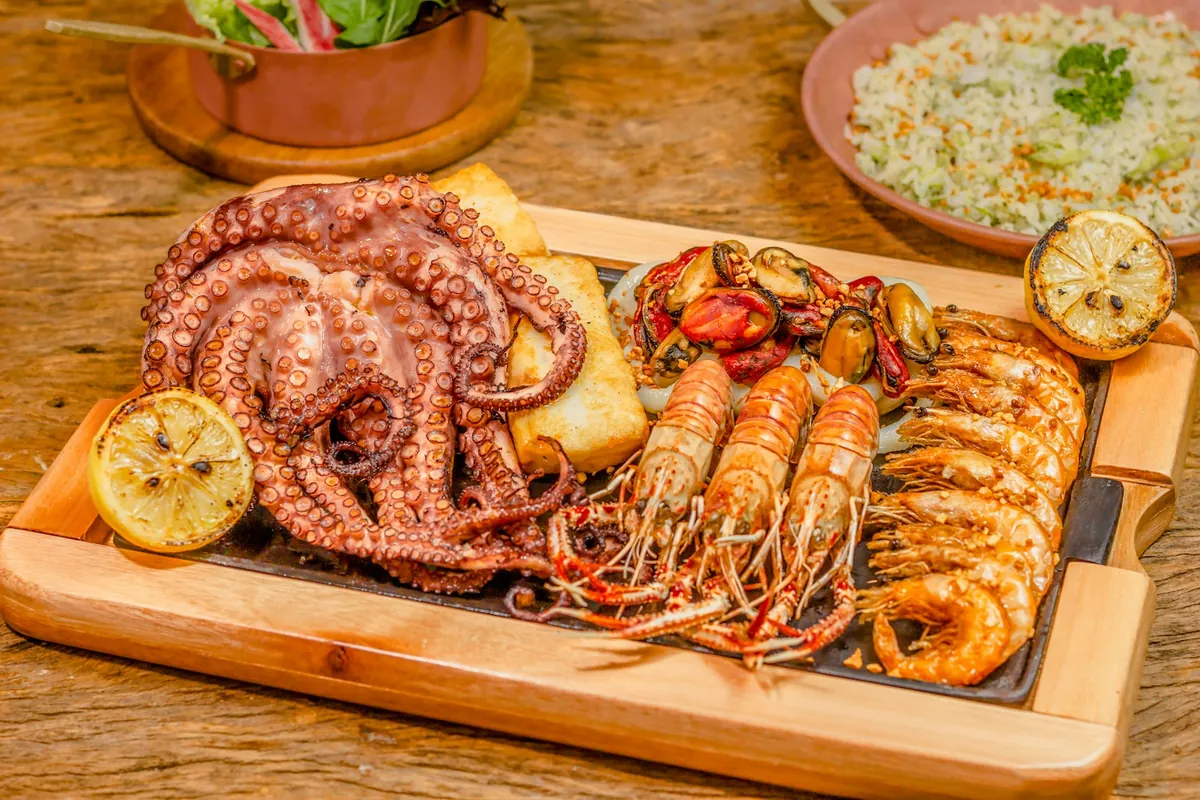
| Premium seafood and beef | Scallop dishes, Seafood Delight, sliced steak, Beef and Scallop | The more expensive ingredients on the menu | You want the dish to be the occasion |
Two of those groups already have detailed guides: General Tso’s, sesame and orange chicken for the fried dishes, and Szechuan, Hunan and Kung Pao for the regional ones.
Reading the names
Special dish names carry more information than they appear to, once you know the conventions.
Names with two creatures — Dragon and Phoenix, Happy Family, Triple Delight — almost always mean multiple proteins in one dish. Dragon and Phoenix conventionally means shrimp and chicken. Happy Family means a mixed platter, usually the largest one on the page.
Names with a place — Szechuan, Hunan, Mongolian, Mandarin — describe a sauce style rather than a strict regional recipe. On an American Chinese menu these are flavor labels, and heat levels vary between kitchens more than the names suggest.
Names with an adjective — Hot and Spicy, Sweet, Crispy — are usually literal and reliable. If a dish says hot, it is the kitchen telling you plainly.
Names that are just names — Sai Po Sliced Beef, Kam Sau Scallops, Sien Goo Ming Shrimp, Hawaiian Five “O” — are house dishes. There is no convention to decode. These are the ones to ask about, and often the ones worth trying.
Are they worth the extra money
Usually, but not always, and the answer depends on why you are ordering.
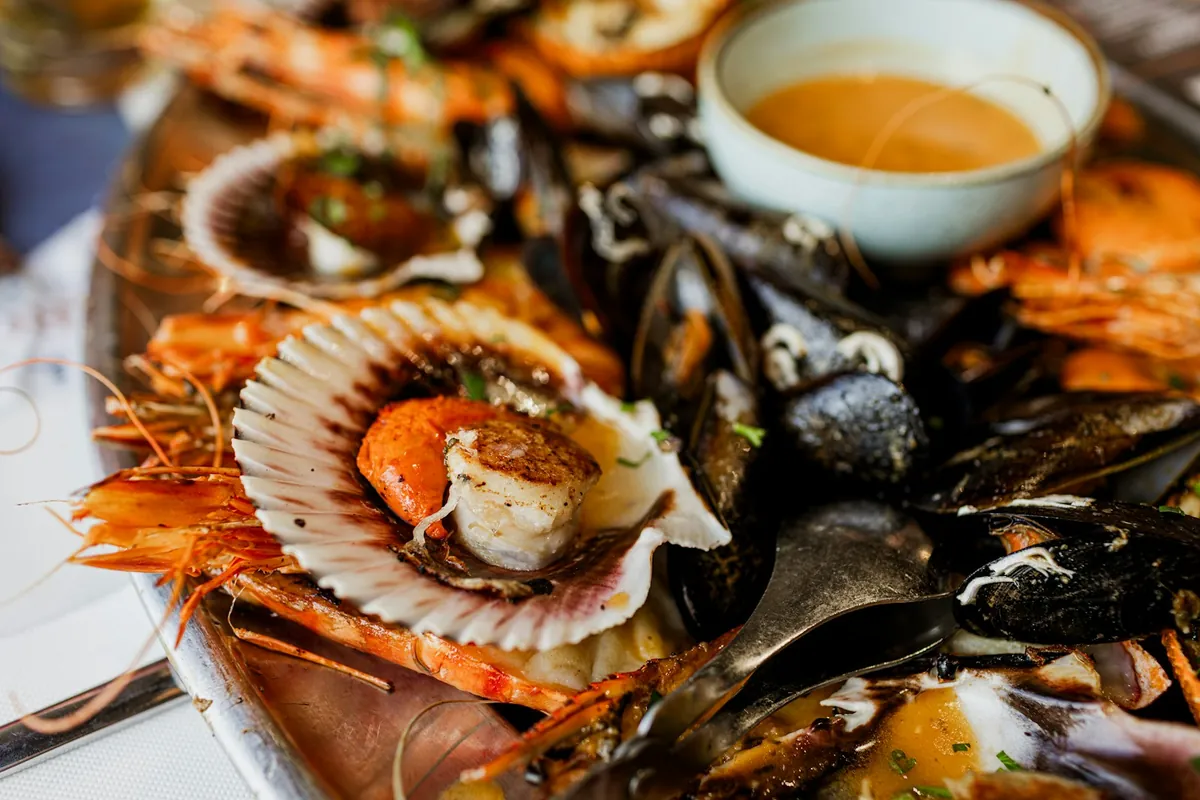
They are worth it when you want one dish to be the center of the meal, when you are ordering a mixed platter that would cost more as separate dishes, or when the special uses an ingredient the sections do not carry. A scallop dish from the specials page has no equivalent elsewhere on the menu.
They are worth less when you are ordering several dishes to share. In that situation the section dishes do the job for less, and the special gets lost among everything else on the table. They are also less suitable for a long drive home, since the fried ones lose their texture.
Order from the specials when
- One dish is the centerpiece of the meal
- You want a mixed-protein platter
- You want seafood beyond shrimp
- You are eating in, or close to home
Stay with the sections when
- You are ordering four or five dishes to share
- You are feeding a group on a budget
- You want the food fast
- You are ordering for children
What to ask before you order one
Because specials are individual recipes rather than system dishes, they are the part of the menu where a question at the counter pays off most. Three are worth asking.
How spicy is it, if the name suggests heat. Whether the sauce can be served on the side, if you are driving home with something fried. And simply what is in it, for the house dishes whose names decode to nothing — kitchens are used to that question and it takes ten seconds to answer.
If you are ordering for a group and want to combine a special with the rest of the table, our guide to what to order at a Chinese restaurant covers how to balance an order.

Frequently asked questions
What are chef’s specials at a Chinese restaurant?
Dishes cooked as individual recipes rather than assembled from the shared sauces and vegetables the rest of the menu uses. They typically involve more ingredients, better cuts or an extra preparation step, which is why they cost more and take slightly longer.
Why are chef’s specials more expensive?
Because they use ingredients the sections do not carry, combine two or more proteins, or need a separate cooking step. A mixed seafood platter or a scallop dish costs more to make than a stir-fry built from the standard components.
What does Happy Family mean on a Chinese menu?
A mixed platter with several proteins — typically beef, chicken, shrimp and sometimes scallops — cooked together with mixed vegetables. It is usually the largest dish on the specials page and is intended for sharing.
What is Dragon and Phoenix?
Conventionally shrimp and chicken in one dish, often with the two cooked differently and served side by side. The dragon and the phoenix are a traditional pairing, and on a menu the name reliably signals two proteins rather than one.
Should I order a special or a section dish?
Order a special when one dish is the focus of the meal, when you want a mixed platter, or when you want an ingredient like scallops. Stay with the sections when you are ordering several dishes to share, feeding a group economically, or want the food quickly.
The short version
The specials page holds the dishes that do not fit the menu’s system: mixed platters, the famous fried dishes, the spicy regional ones, and the premium seafood. It costs more because each dish is made individually.
Read the name for its type, ask about anything that decodes to nothing, and order from here when you want one dish to matter.
Chef’s specials in Fayetteville
China King lists 31 chef’s specials on Walter Reed Road, from mixed platters to scallop dishes.
Sources
- American Chinese cuisine — on how these menus developed and how the dishes are named.