
Three words appear on the spicy end of almost every Chinese menu, and most people order by guesswork. Two of them describe whole regional cuisines; the third is one specific dish. Knowing which is which tells you what is coming.
Szechuan and Hunan are regional cooking styles. Szechuan brings a distinctive numbing tingle alongside chili heat; Hunan is a more direct, straightforward burn from fresh chilies. Kung Pao is a single dish from the Sichuan tradition — diced meat with chilies and peanuts or cashews, and it is sweeter and tangier than either regional label suggests.
Szechuan: heat plus a tingle
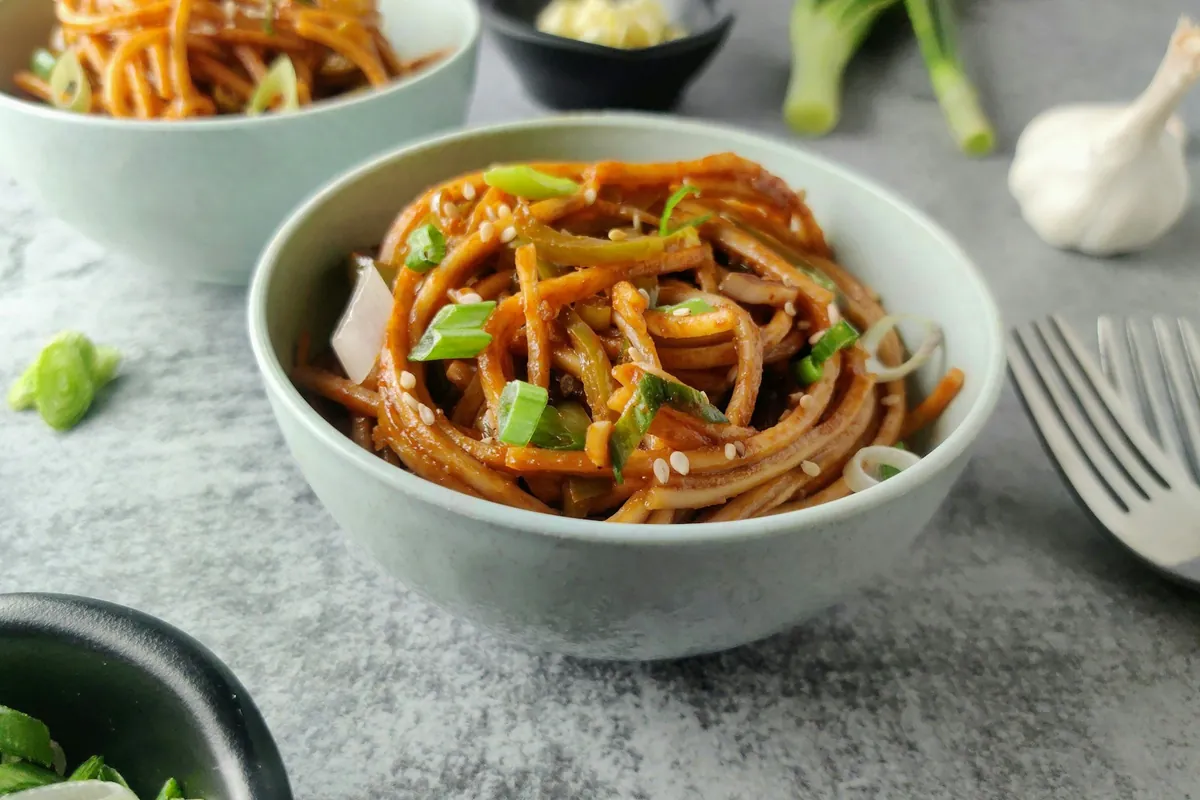
Szechuan cooking — from Sichuan province, and spelled several ways on menus — is built on a combination the Chinese call málà: numbing and hot at once. The numbing comes from Sichuan peppercorn, which is not a chili at all but a dried husk that produces a faint buzzing sensation on the lips and tongue. The heat comes from dried red chilies.
The result is more interesting than simple spice. You get warmth, then a slight tingle, then the other flavors in the dish come through underneath. On American Chinese menus a dish labeled Szechuan is usually in a savory brown sauce with the heat dialed to a level most diners can handle.
Hunan: a straighter, sharper burn
Hunan cooking uses fresh chilies rather than relying on dried ones, along with garlic and fermented ingredients. The effect is less layered and more direct: the heat arrives quickly and stays. There is no numbing element.
Because fresh chilies carry more immediate punch than dried chili paste, Hunan dishes are often considered the hotter of the two. On a US menu, Hunan dishes tend to come with a generous amount of vegetables and a savory rather than sweet sauce.
Kung Pao: a dish, not a region
This is where the confusion usually starts. Kung Pao is not a style covering many dishes — it is one specific preparation that originated within Sichuan cooking and then travelled widely.
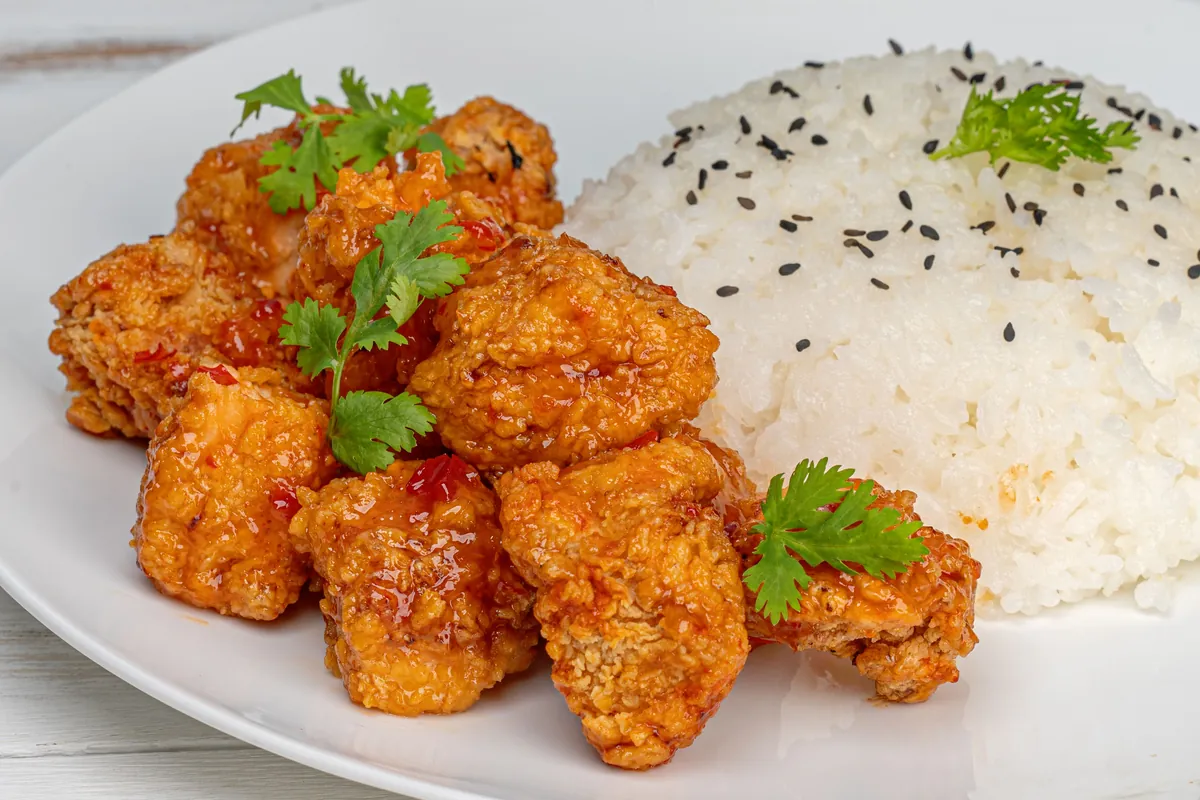
What defines it: meat cut into small dice, dried chilies, and nuts. The sauce is noticeably sweeter and more vinegary than a typical Szechuan dish, so the heat sits behind a sweet-tangy front. The nuts are not a garnish; they are structural to the dish.
Kung Pao normally contains peanuts or cashews. If anyone at your table has a peanut or tree nut allergy, this is the dish on the menu most likely to cause a problem, and it should not be ordered on the assumption that the nuts can simply be left out. Tell the restaurant directly.

Side by side
| Feature | Szechuan | Hunan | Kung Pao |
|---|---|---|---|
| What it is | A regional style | A regional style | One specific dish |
| Source of heat | Dried chili plus Sichuan peppercorn | Fresh chilies | Dried chilies |
| Numbing tingle | Yes, characteristic | No | Sometimes, mildly |
| Heat level | Moderate to hot | Often the hottest | Mild to moderate |
| Sauce | Savory brown | Savory, garlicky | Sweet and tangy |
| Contains nuts | Not usually | Not usually | Yes, normally |
| Cut of meat | Sliced | Sliced | Diced small |
Which should you order?
Pick by how you like heat
- Sweet first, heat second: Kung Pao
- Layered, tingling warmth: Szechuan
- Direct, clean burn: Hunan
- Nut allergy in the group: avoid Kung Pao entirely
Pick by the rest of the order
- Everything else sweet? Choose Hunan for contrast
- Everything else mild? Szechuan adds interest without dominating
- Feeding a mixed table? Order one spicy dish, not three
- Ordering rice? Plain rice handles heat better than fried
How spicy is spicy, really?
Here is the honest answer: heat level on an American Chinese menu is set by the individual kitchen, not by the regional label. Two restaurants can serve Hunan chicken at completely different intensities, and both are legitimate.
So the label tells you the character of the heat — numbing, direct, or sweet-backed — but not the amount. If the amount matters to you, ask when you order. Most kitchens will adjust, and they would rather do that than have a dish come back.
Beyond the three
Once you know what these labels mean, the rest of the spicy section becomes readable. A few related terms you will meet:
- Garlic sauce dishes are savory and aromatic, usually with a little heat rather than a lot.
- Curry sauce dishes bring warmth from curry powder instead of chili — a different kind of heat altogether.
- Bean curd Szechuan style applies the same regional treatment to tofu rather than meat, which is a useful option if you want the flavor without the protein.
Frequently asked questions
Which is spicier, Szechuan or Hunan?
Hunan is generally considered the hotter of the two, because it relies on fresh chilies rather than dried chili paste. Szechuan heat is tempered and complicated by the numbing effect of Sichuan peppercorn, so it reads as less of a straight burn even when it is strong.
Does Kung Pao chicken have nuts?
Yes, normally peanuts or cashews, and they are a defining part of the dish rather than a garnish. If anyone in your group has a nut allergy, do not order it and tell the restaurant about the allergy directly.
What is the numbing feeling in Szechuan food?
That is Sichuan peppercorn, which is not a chili and not related to black pepper. It produces a light tingling or buzzing sensation on the lips and tongue that sits alongside the chili heat. It is characteristic of the style rather than a fault.
Can I ask for a dish to be made less spicy?
Usually yes. Heat level on American Chinese menus is set by each kitchen, and most will adjust if you ask when ordering. It is worth doing rather than guessing, because the same dish name can mean quite different intensities at different restaurants.
Is Kung Pao a Szechuan dish?
It originated within the Sichuan tradition, so the two are related. But Kung Pao is one specific dish with a sweet-tangy sauce and nuts, while Szechuan on a menu is a broader label covering several dishes in a savory sauce.
The short version
Szechuan for heat with a tingle, Hunan for a straighter and often stronger burn, Kung Pao for a sweet-tangy dish with nuts in it. The label tells you the character of the heat; only the kitchen can tell you the amount, so ask.
And if there is a nut allergy at the table, Kung Pao is the one dish here to rule out immediately.
Spicy dishes in Fayetteville
China King lists Szechuan, Hunan and Kung Pao dishes with beef, chicken, shrimp and bean curd on Walter Reed Road.
Sources
- Kung Pao chicken — on the dish’s Sichuan origin, its nuts and its sauce.
- Encyclopaedia Britannica: Sichuan cuisine — on the regional style and its use of Sichuan peppercorn.