Coconut chicken is one of those dishes people order once, remember, and then struggle to find again. It is not on every Chinese menu, it is rarely described in any detail when it is, and the name covers a wider range of dishes than you would guess.
Coconut chicken is battered, fried chicken in a sweet coconut-flavored sauce, usually finished with shredded coconut. It sits on the sweet end of the menu, close to sweet and sour or honey chicken rather than anything spicy. The details vary a lot between kitchens, so it is worth asking how yours is made.
What is actually in it
Nearly every version starts the same way: boneless chicken, cut into pieces, battered and fried until crisp. That much is consistent. What changes is what happens next, and that is where kitchens diverge.
The most common treatment is a sweet white or pale sauce built on coconut milk, poured over or tossed through the chicken, then finished with shredded coconut on top. Some kitchens add pineapple. Some serve it closer to a sweet and sour dish with the coconut mainly in the garnish. A few skip the sauce entirely and serve coconut-crusted chicken with a dipping sauce on the side.
All of those are sold as coconut chicken, and all of them are legitimate. It is not a dish with a fixed recipe the way General Tso’s chicken has become one.
How sweet is it, really
Sweet enough that it reads as a treat rather than a weeknight dinner. If you imagine the sweetness of sweet and sour chicken and then take away the tang, you are close. There is no vinegar sharpness cutting through it, which is exactly why some people love it and others find one order is enough.
It is not spicy. There is no chili in any standard version, which makes it one of the safer things on a specials list that otherwise leans hot.
| Dish | Sweetness | Tang | Heat | Texture |
|---|---|---|---|---|
| Coconut chicken | High | None | None | Crisp, then softening in sauce |
| Sweet and sour chicken | High | Sharp | None | Crisp, sauce often served apart |
| Orange chicken | High | Citrus | Slight | Crisp, glazed |
| Sesame chicken | Medium-high | None | None | Crisp, thick glaze |
| General Tso’s chicken | Medium | Slight | Mild to medium | Crisp, glazed |
If you want the full picture of that group, our guide to General Tso’s, sesame and orange chicken covers the three that get confused most often, and sweet and sour explained covers the tangy end of the range.
Why it appears on the specials page
Coconut chicken almost always lives on a chef’s specials list rather than in the chicken section, and there is a practical reason for that.
Section dishes are built from shared components. The chicken section uses the same sauces and vegetables in different combinations, which is why those dishes are quick and consistent. Coconut chicken needs its own sauce, its own garnish and a separate frying step, so it does not fit that system. It gets grouped with the other dishes that are made individually.
That grouping is also why specials tend to cost a little more and take a little longer.
What to order alongside it
The main risk with coconut chicken is sweetness fatigue. It is rich, and a second sweet dish on the table makes the whole meal feel heavy.
Pairs well with
- Plain steamed rice, which absorbs the sauce without adding sweetness
- A vegetable dish, for contrast and to lighten the plate
- A savory brown-sauce dish such as beef with broccoli
- A clear soup to start
Works less well with
- Sweet and sour anything, which doubles the sugar
- Honey chicken or orange chicken, for the same reason
- A second fried dish, which makes the meal one-note
- Sweet fried rice variations
If you are building a full table around it, our guide to what goes with fried rice and lo mein covers how to balance a mixed order.
Ordering it for takeout
Coconut chicken is a fried dish sitting in sauce, which means the clock starts as soon as it is packed. The batter is crisp when it leaves the kitchen and softer by the time you get home. That is normal and not a sign anything went wrong.
Two things help. Ask whether the sauce can be packed separately, which some kitchens will do and some will not, depending on how the dish is finished. And open the container when you get home rather than leaving the lid on, because trapped steam softens the coating faster than anything else.
If crispness matters to you more than convenience, this is a dish worth eating in or collecting rather than having delivered across town.

A note on coconut and allergies
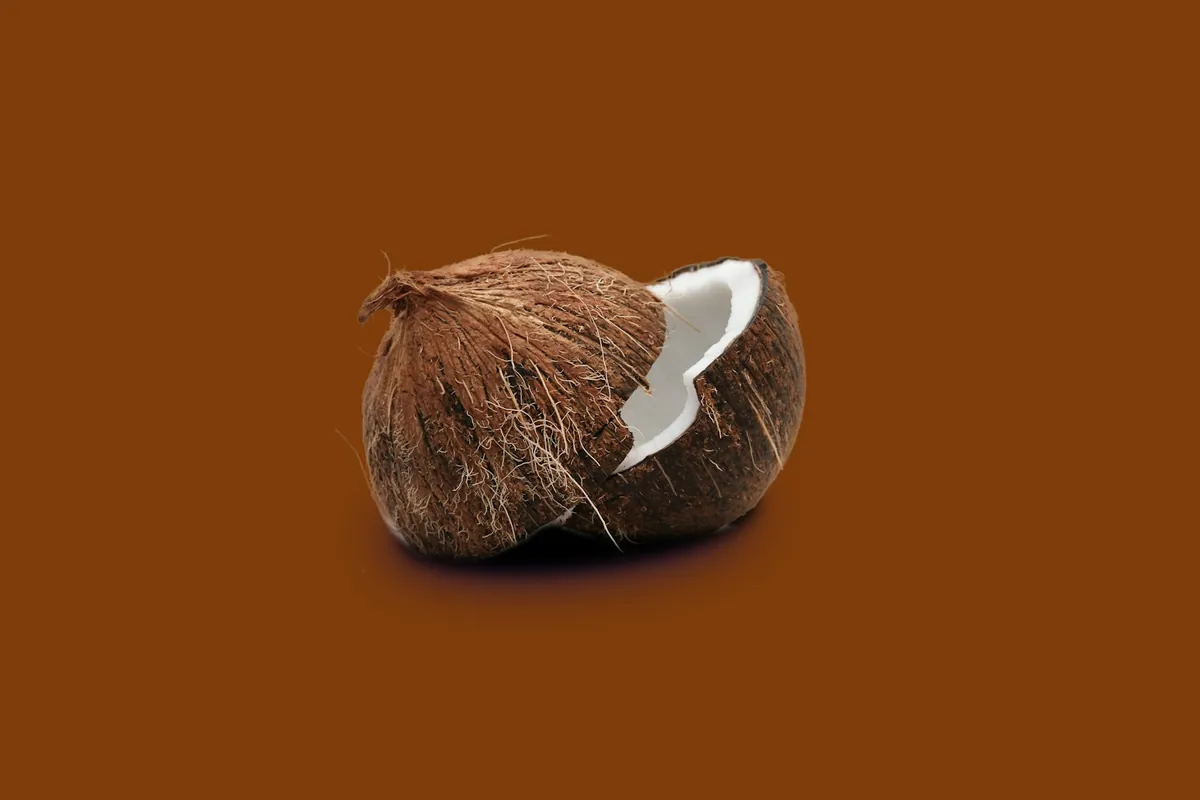
Coconut is a common ingredient with an uncommon classification. In the United States, the Food and Drug Administration treats coconut as a tree nut for food-labeling purposes, even though botanically it is a fruit rather than a true nut. Most people with tree nut allergies can eat coconut safely, but not all can, and the labeling rule exists because the reaction is possible.
This matters practically because the dish contains coconut in more than one form: in the sauce and often as a garnish. If anyone at your table avoids tree nuts, ask the restaurant directly rather than assuming either way. Restaurant kitchens also share fryers and surfaces, so the question worth asking is about the whole preparation, not only the ingredient list.
Frequently asked questions
What is coconut chicken in Chinese food?
Battered, fried chicken served in a sweet coconut-flavored sauce, usually with shredded coconut on top. It is a sweet dish rather than a savory or spicy one, and it is normally found on the chef’s specials list rather than in the regular chicken section.
Is coconut chicken spicy?
No. There is no chili in a standard coconut chicken, which makes it one of the mildest things on a specials page. If you are ordering for someone who avoids heat, it is a safe choice from a section that otherwise contains several spicy dishes.
Is coconut chicken the same as sweet and sour chicken?
No, though they are close relatives. Both are battered fried chicken in a sweet sauce, but sweet and sour has a sharp vinegar tang that coconut chicken does not. Coconut chicken is sweet without the sourness, and the coconut gives it a richer, rounder flavor.
Does coconut chicken contain nuts?
Coconut itself is classified as a tree nut for food-labeling purposes in the United States, though it is botanically a fruit and many people with tree nut allergies tolerate it. Because preparations and kitchens vary, ask the restaurant directly if anyone at your table has a nut allergy.
Why is coconut chicken not on every Chinese menu?
It needs its own sauce, its own garnish and a separate frying step, so it does not share components with the rest of the menu the way section dishes do. Restaurants that carry it usually list it among the chef’s specials for that reason.
The short version
Fried chicken, sweet coconut sauce, shredded coconut on top. Sweet without the tang of sweet and sour, never spicy, and made individually rather than assembled from the menu’s shared parts.
Because the recipe is not standardized, the version you remember may not be the version you get. That is worth a question at the counter rather than a disappointment at the table.
Coconut chicken in Fayetteville
China King lists Coconut Chicken among the chef’s specials on Walter Reed Road.
Sources
- FDA: Food Allergen Labeling and Consumer Protection Act — on coconut being treated as a tree nut for labeling.
- Britannica: coconut palm — on the coconut itself and how it is used in cooking.