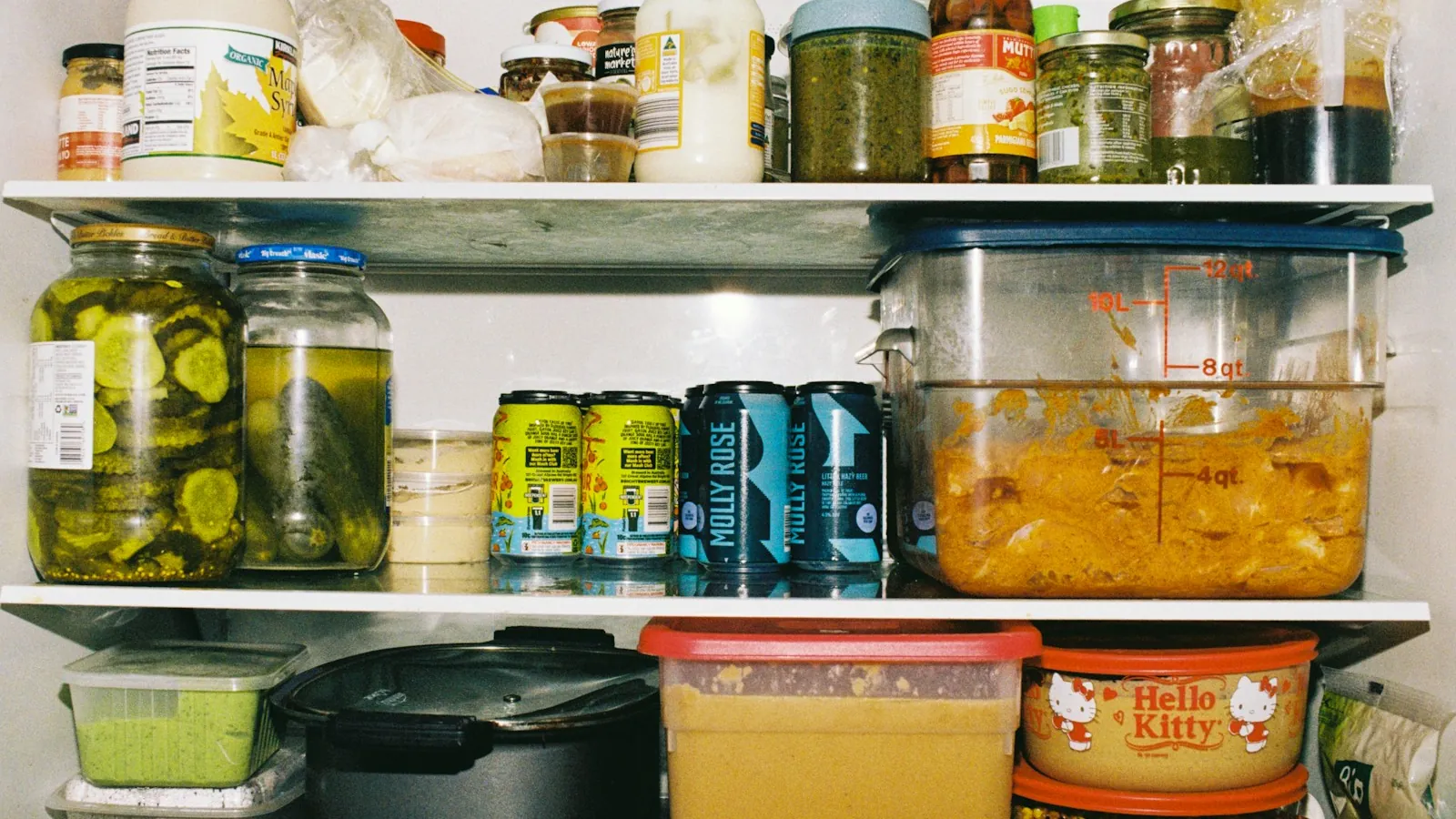
Chinese takeout produces leftovers more reliably than almost any other cuisine, because the portions are built for sharing and the containers are built for stacking. What happens next is where most of the food gets wasted or ruined.
The Food and Drug Administration says takeout leftovers need to go into the refrigerator within two hours, and that leftovers should be reheated to 165°F. Standard food-safety guidance puts cooked leftovers at a few days in the fridge; check them for spoilage each day. Rice and noodles reheat well; anything battered does not.
The two-hour rule, and why it starts earlier than you think
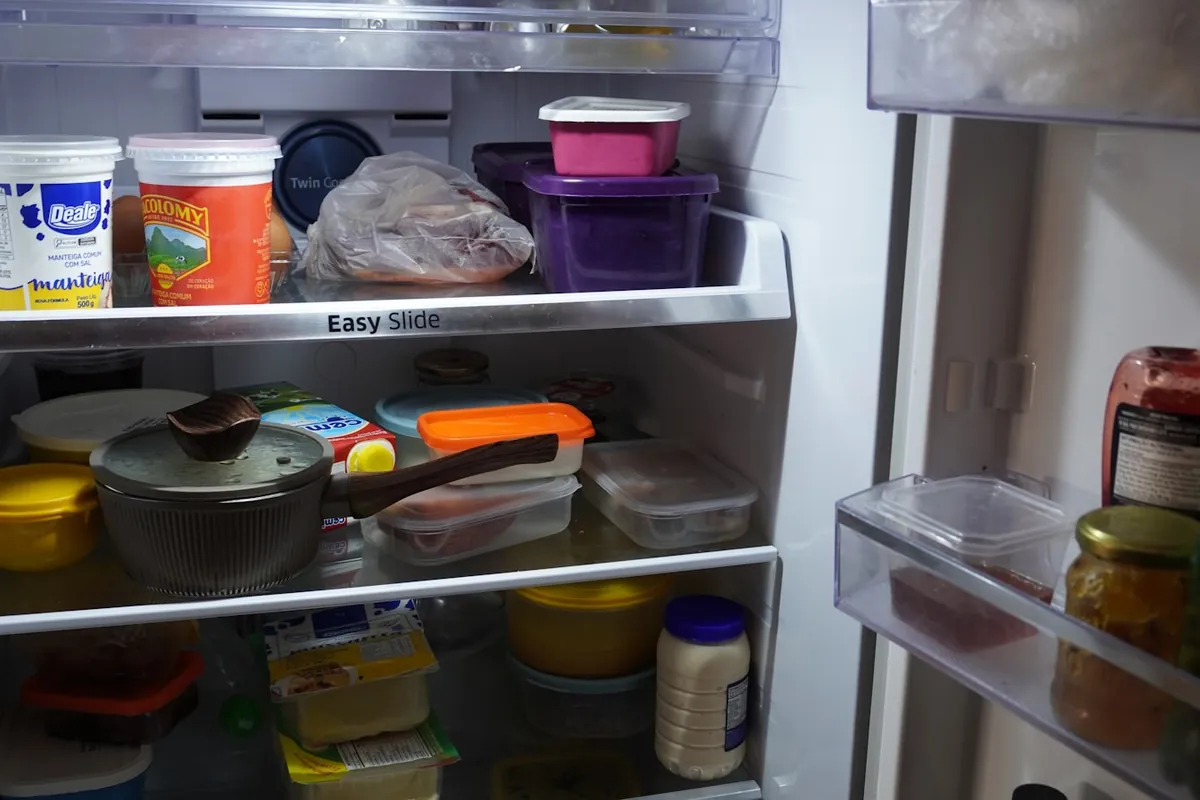
The FDA is specific about this one: leftovers from takeout or restaurant meals need to go into the refrigerator within two hours at most. That window exists because bacteria multiply fastest at room temperature, in the range food-safety guidance calls the danger zone.
The part people miss is when the clock starts: not when you finish eating, but when the food leaves the kitchen. A twenty-minute drive and a forty-minute meal spends an hour before anyone thinks about the fridge.
In practice that means putting leftovers away while you clear the table rather than after. Our guide to pickup or delivery covers the first half of that timeline — what happens between the counter and your table.

How long things actually keep
Standard guidance puts cooked leftovers at a few days refrigerated, commonly given as three to four. Treat that as a boundary rather than a hard line, and follow the FDA’s advice to check leftovers daily for spoilage.
Freezing extends that considerably, and Chinese food freezes better than its reputation suggests — with exceptions worth knowing.
| Dish type | Refrigerated | Freezes? | Best reheating method |
|---|---|---|---|
| Fried rice | 3–4 days | Yes, well | Hot pan or wok, a splash of water |
| Lo mein and noodles | 3–4 days | Acceptable | Pan, with a little water to loosen |
| Sauced stir-fries | 3–4 days | Yes | Pan or microwave, covered |
| Battered fried dishes | 3–4 days | Poorly | Oven or air fryer, never microwave |
| Soups | 3–4 days | Yes, well | Simmer on the stove |
| Steamed rice | 3–4 days | Yes, well | Microwave, covered, splash of water |
| Fried appetizers | 1–2 days for quality | No | Oven; accept it will not be the same |
The right-hand column is where most reheating goes wrong, and it is worth being specific about why.
Reheating, by method
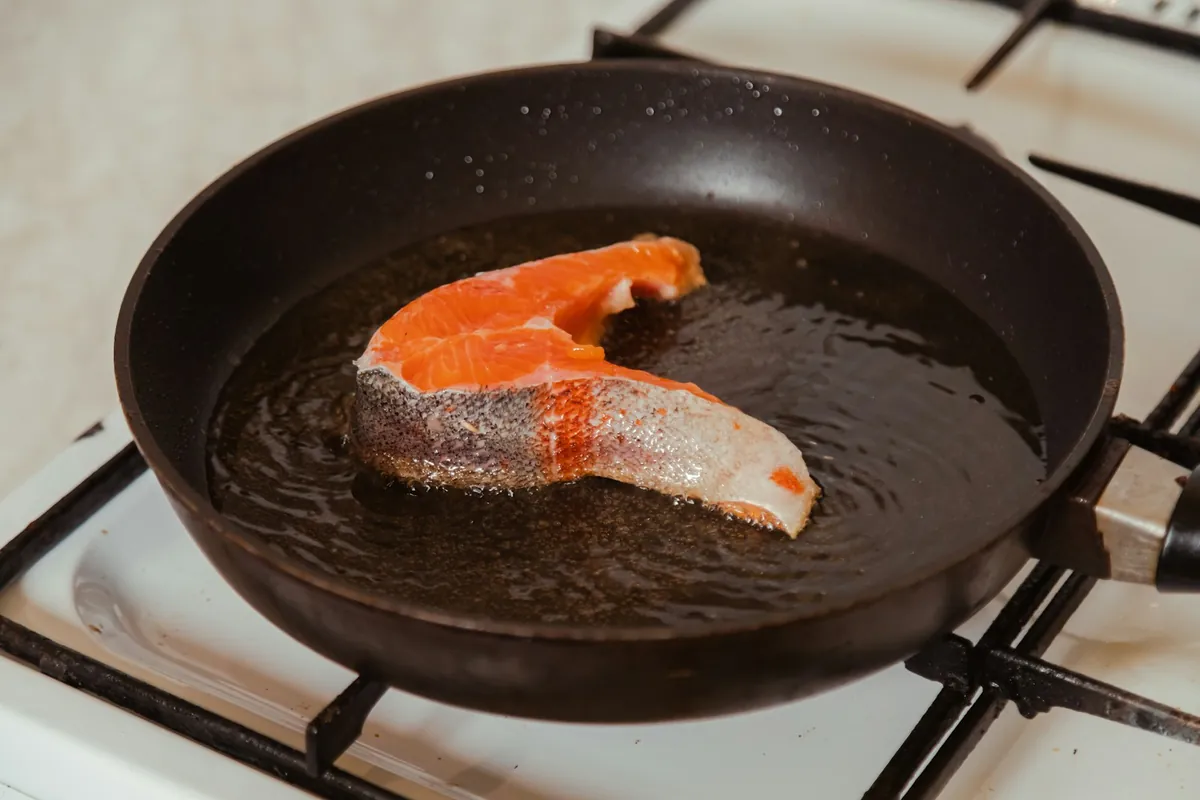
A hot pan is the best tool for almost everything. Fried rice and lo mein were cooked in a wok and they respond to the same treatment: high heat, a small splash of water to generate steam, kept moving. Two or three minutes and they are close to new. This is the single biggest improvement available to anyone currently microwaving their leftovers.
The microwave is fine for sauced dishes and rice, provided you cover them. Uncovered, the surface dries while the middle stays cold. Covered, the trapped steam heats evenly — which is the same physics that ruins crisp food in a takeout container, used deliberately this time.
The oven or air fryer is the only option for anything battered. A microwave heats the moisture inside the coating, which is exactly the wrong thing to do to a crust. Dry heat at around 375°F for a few minutes gets some crispness back. It will not be what it was, but it will not be leathery either.
Whatever the method, the FDA recommends reheating leftovers to 165°F — in practical terms, steaming hot throughout rather than warm at the edges.
What not to bother reheating
Reheats genuinely well
- Fried rice, in a pan
- Sauced beef, chicken and pork dishes
- Soups and broths
- Roasted ribs, briefly under a broiler
Accept it as a different dish
- Crab rangoon, which turns greasy
- Chicken fingers, which turn tough
- Egg rolls, which soften permanently
- Anything with a delicate vegetable in it
Our guides to crab rangoon and chicken fingers explain why those two suffer most. The rule is the same in both cases: a wet filling or a wet batter cannot be restored to crispness once steam has got into it.
Can you eat it cold?
Yes, if it was refrigerated promptly and still smells and looks right. Cold Chinese food is a legitimate meal rather than a compromise, and some dishes are genuinely good that way.
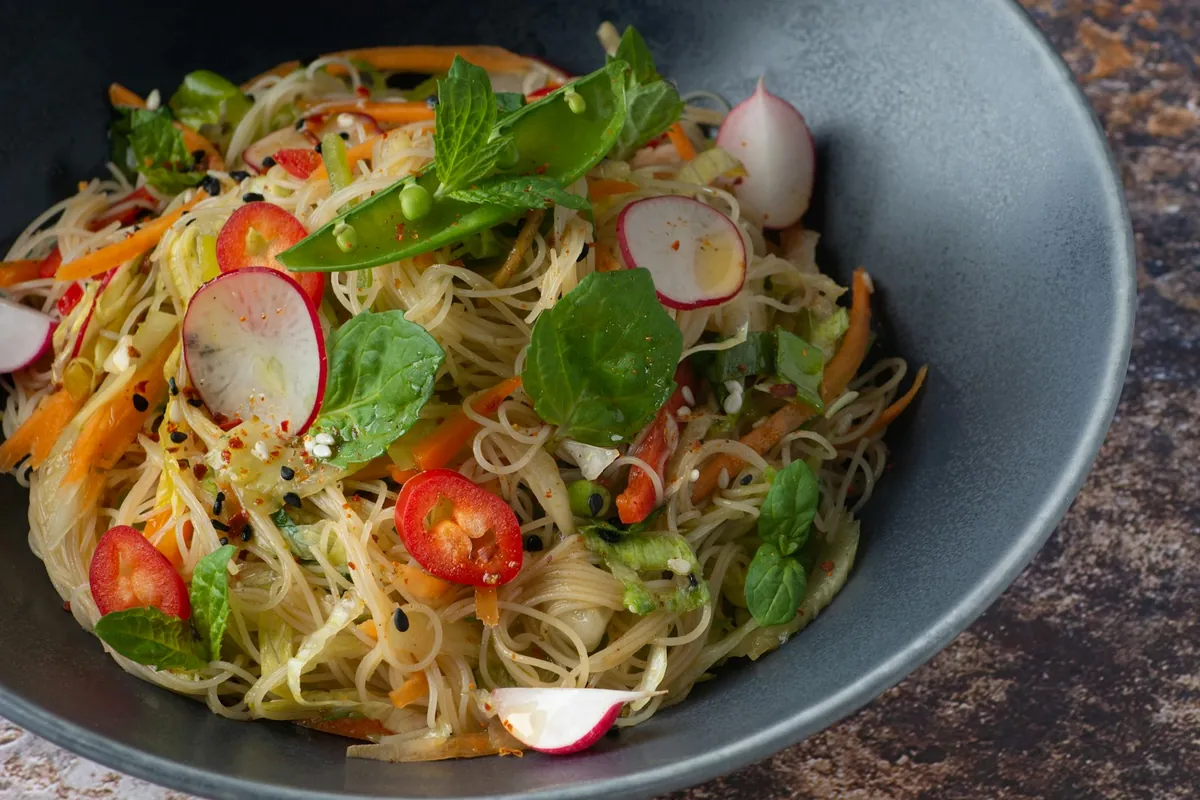
Cold lo mein is close to a noodle salad. Cold roasted ribs are excellent, since the glaze firms up rather than degrading. Cold sesame or bourbon chicken is perfectly pleasant if you accept it as a sticky snack rather than a hot dinner.
What does not work cold is anything that depended on being hot for its texture: fried rice goes hard, and battered dishes go dense. And the safety point stands regardless — cold from the fridge is fine, cold from the counter after a night out is not.
Storing it properly
Three small things make a real difference.
Move food out of the paper cartons into sealed containers if you are keeping it more than a day. Cartons are designed for transport, not storage, and they let air in.
Separate the rice from the sauced dish it came with. Rice absorbs liquid continuously, so a portion sitting under a sauced dish overnight becomes a different, heavier thing — and it reheats worse.
And do not stack hot containers in the fridge. Airflow is how food cools, and a stack cools from the outside in. Spread things out for the first hour, then stack — the FDA makes the same point about using shallow containers.
Frequently asked questions
How long does Chinese food last in the fridge?
Standard food-safety guidance puts cooked leftovers at a few days refrigerated, commonly given as three to four. The firmer rule is the front end: the FDA says takeout leftovers need to be refrigerated within two hours at most, and to check them daily for spoilage.
What is the best way to reheat Chinese food?
A hot pan for fried rice and noodles, with a splash of water to create steam. A covered microwave for sauced dishes and plain rice. An oven or air fryer for anything battered — never a microwave, which heats the moisture inside the coating.
Can you eat leftover Chinese food cold?
Yes, if it was refrigerated promptly and still smells and looks right. Cold lo mein and cold roasted ribs are genuinely good. Fried rice and battered dishes are poor cold, because their texture depended on being hot.
Should I keep food in the takeout containers?
Not for more than a day. Paper cartons are built for transport rather than storage and let air in. Move leftovers to sealed containers, and separate rice from any sauced dish it was packed with, since rice keeps absorbing liquid.
Which Chinese dishes are worth ordering for leftovers?
Fried rice, lo mein, and the sauced beef, chicken and pork dishes — all reheat close to new in a pan. Battered dishes and fried appetizers are worth eating the same evening, because nothing brings a soft coating back.
The short version
Fridge within two hours, eaten within a few days, reheated until steaming hot throughout. A pan beats a microwave for rice and noodles; an oven is the only sensible option for anything with a coating.
And order with the second meal in mind: the sauced dishes and the rice sections are the ones that survive.
Order from China King
Fried rice, lo mein and the sauced dishes all reheat well the next day.
Sources
- FDA: Safe food handling — on refrigerating perishables within two hours and reheating leftovers to 165°F.
- FDA: Cold facts about food safety — on takeout leftovers, shallow containers and checking daily for spoilage.
- USDA Food and Nutrition Information Center — general food handling and storage guidance.