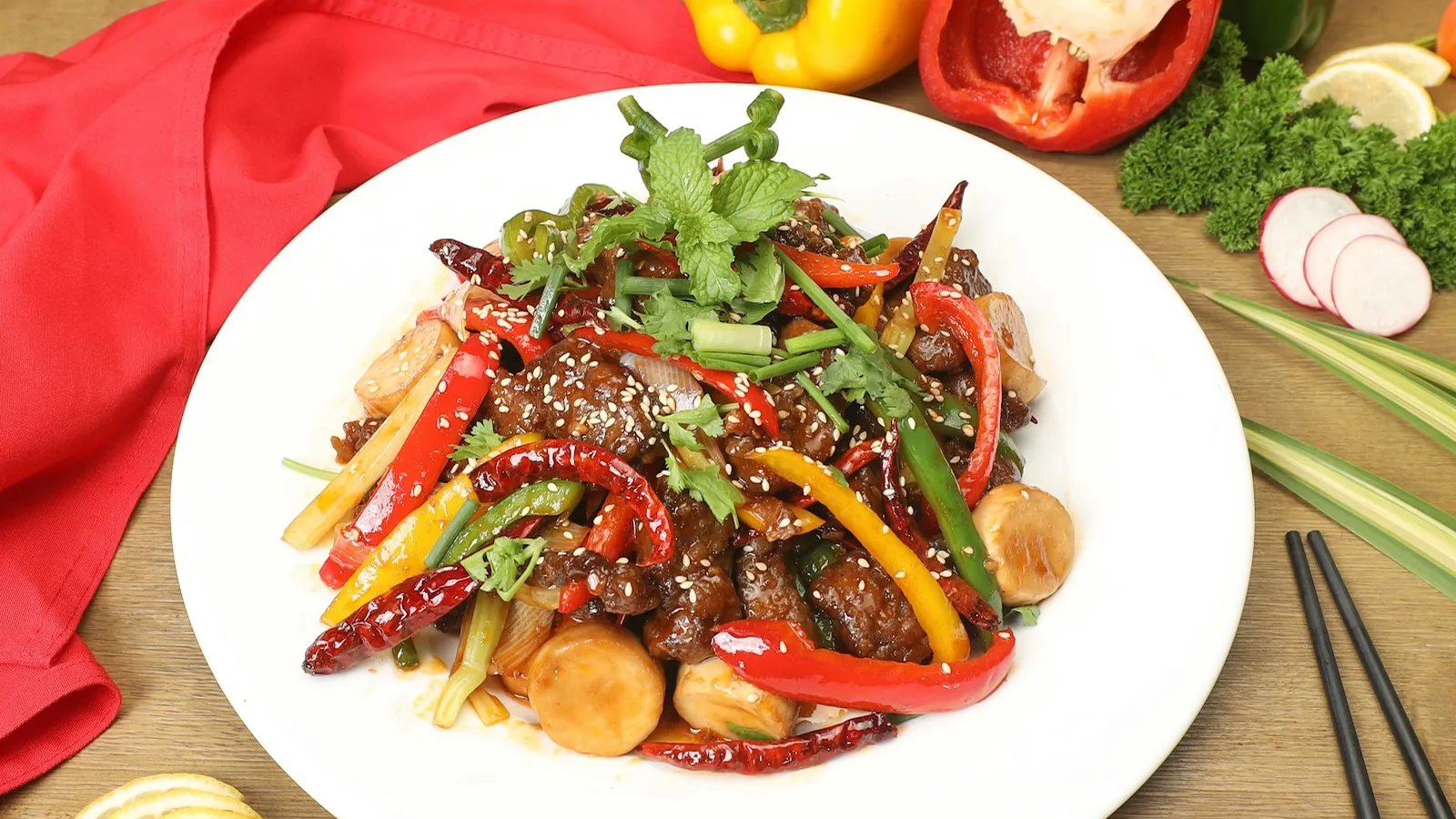
Pepper steak is the dish most often ordered by mistake and least often regretted. People see the word pepper, expect heat, brace for it, and get a mild savory beef dish instead. The name is doing them a disservice.
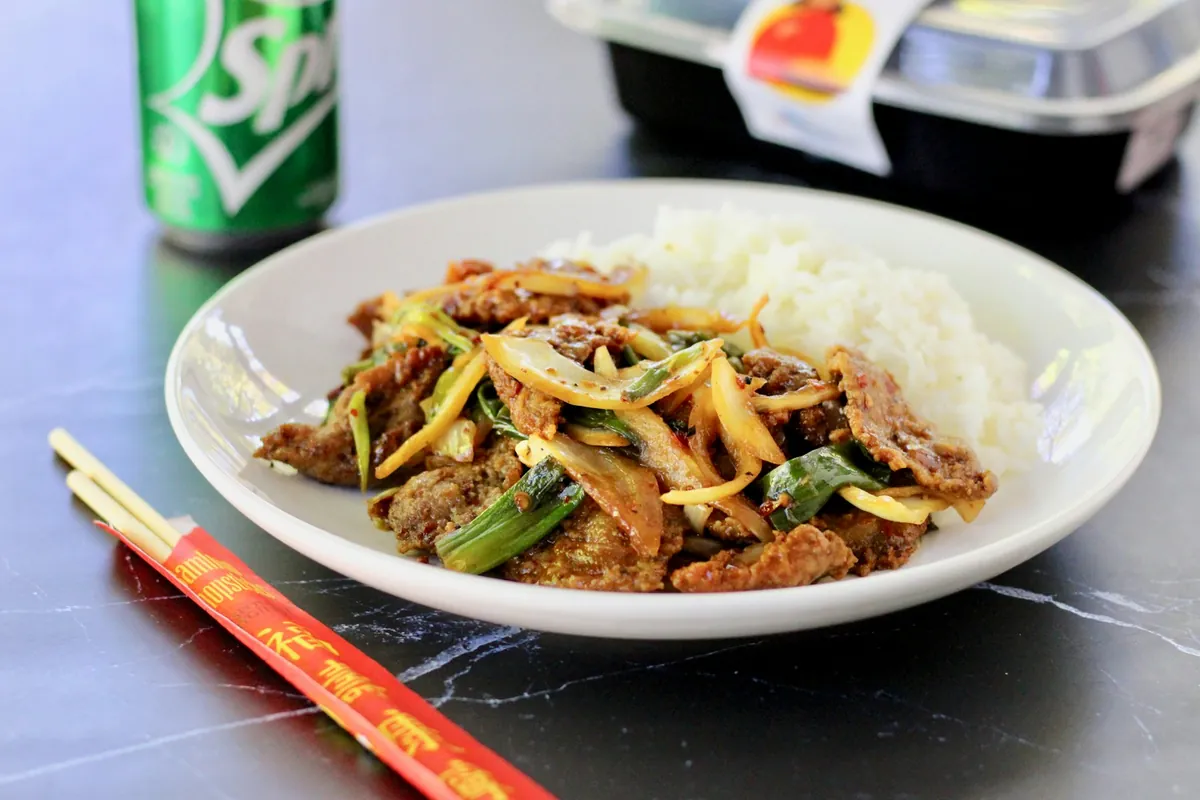
Pepper steak is sliced beef stir-fried with bell peppers and onion in a savory brown sauce. The peppers are the sweet vegetable kind, not chili, so the dish is not spicy at all. It is one of the mildest things in the beef section.
The name problem
Two different things are called pepper in English, and this dish is named after the wrong one for clarity’s sake.
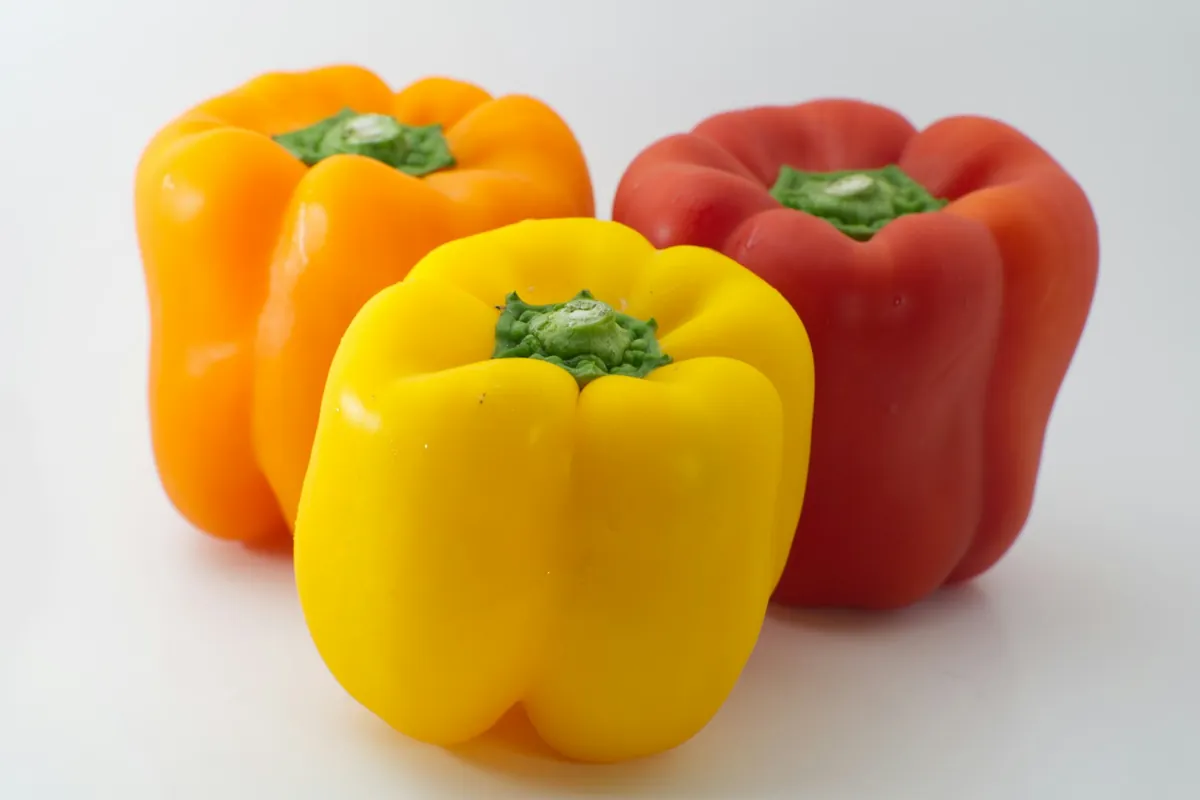
The pepper in pepper steak is the bell pepper — the large, sweet, hollow vegetable, usually green and sometimes red. It is a mild vegetable that adds sweetness and a slight grassy note. It is not chili pepper, and it is not black pepper either, though some versions do season with a little of that.
So if you have avoided this dish because you do not like spicy food, you have been avoiding one of the menu’s gentlest beef options. And if you ordered it hoping for heat, that is why you were disappointed.
What is in it
Sliced beef, bell peppers cut into strips or squares, and onion in generous quantity. The onion is not a background ingredient here — in most versions it is roughly equal in volume to the peppers, which is why so many menus name it in the dish title.
The sauce is a standard savory brown sauce: soy-based, mildly thickened, not sweet. It is the same family of sauce that covers most of the beef and chicken sections, so if you have had beef with broccoli you already know the flavor profile. Our guide to Chinese sauces covers what goes into it.
Nothing is battered and nothing is deep fried. This is a straight stir-fry, which means it holds up well and reheats better than most of the menu.
Pepper steak against the other beef dishes
| Dish | Vegetables | Heat | Sweetness | Character |
|---|---|---|---|---|
| Pepper steak with onion | Bell peppers, onion | None | Slight, from the vegetables | Mild, savory, vegetable-forward |
| Beef with broccoli | Broccoli | None | Slight | The classic; heavier |
| Beef with garlic sauce | Mixed | Mild | None | Assertive, sharper |
| Mongolian beef | Onion, scallion | Mild | Noticeable | Sweeter, richer |
| Szechuan beef | Mixed | Medium to hot | None | Chili-led |
The useful comparison is with beef with broccoli, because those two are the dishes most people are actually deciding between. Broccoli gives you a heavier, more filling plate. Pepper steak gives you something lighter and sweeter, with more vegetable presence and a fresher finish. Our guides to Chinese beef dishes and the broccoli dishes cover both sections.
Why it is better than it sounds
Pepper steak is an unglamorous dish that quietly does several things well.
The peppers and onion soften without collapsing, so the dish keeps texture longer than one built on delicate vegetables. The sauce is light enough that you taste the beef. And it is one of the few beef dishes that does not feel heavy after a full portion, because so much of the volume is vegetables.
It is also nearly impossible for a kitchen to get badly wrong. There is no batter to go soft, no sauce balance to miss, and no cooking time to overshoot by much. Compared with a dish like moo goo gai pan, which depends entirely on precision, pepper steak is reliable.
Order pepper steak if
- You want beef without a heavy plate
- You are avoiding anything spicy
- You like onions and peppers
- You are ordering for takeout or leftovers
Order something else if
- You want the richest beef dish available
- You dislike bell peppers or onion
- You are actually looking for heat
- You want something sweet
Takeout and leftovers
This is one of the best dishes on the menu to take home, and one of the very few worth eating the next day.
Nothing in it is crisp, so nothing is lost to steam in a closed container. The vegetables do soften further, but peppers and onion have enough structure to survive that. Reheated in a pan the following day, it is close to what it was — which is not true of anything battered.
If you are ordering a mixed takeout order, this is the dish to pair with something crisp: pepper steak travels, the fried item does not, so eat the fried one first. Our guide to pickup or delivery covers how the rest of the menu holds up.
Frequently asked questions
Is Chinese pepper steak spicy?
No. The peppers in pepper steak are sweet bell peppers, not chili peppers, so there is no heat in the dish at all. It is one of the mildest options in the beef section, which surprises people who expect the name to mean spice.
What is Chinese pepper steak made of?
Sliced beef stir-fried with bell peppers and onion in a savory brown sauce. The onion is usually present in roughly the same quantity as the peppers, which is why many menus name it in the dish title. Nothing is battered or deep fried.
Is pepper steak or beef with broccoli better?
They serve different purposes. Beef with broccoli is heavier and more filling; pepper steak is lighter, sweeter and more vegetable-forward. If you want the dish to be the main event choose broccoli, and if you want something that sits easier choose pepper steak.
Does pepper steak have black pepper in it?
Some versions season the sauce with a little black pepper, but that is not what the name refers to. The dish is named for the bell peppers, which are the main vegetable. Black pepper is a seasoning detail rather than a defining ingredient.
Does pepper steak reheat well?
Better than almost anything else on the menu. There is no coating to go soft, and bell peppers and onion hold their structure. Reheated in a pan the next day it is close to how it started, which is not true of battered or fried dishes.
The short version
Sliced beef, bell peppers, onion, savory brown sauce. Not spicy, not sweet, not fried. The name misleads in exactly the direction that puts people off it.
It is the beef dish to order when you want beef without heaviness, and the one worth having as leftovers the next day.
Pepper steak in Fayetteville
China King lists pepper steak with onion in the beef section and as a combination plate.
Sources
- Bell pepper — on bell peppers and how they differ from chili peppers.
- Pepper steak — on the dish and its place on American Chinese menus.