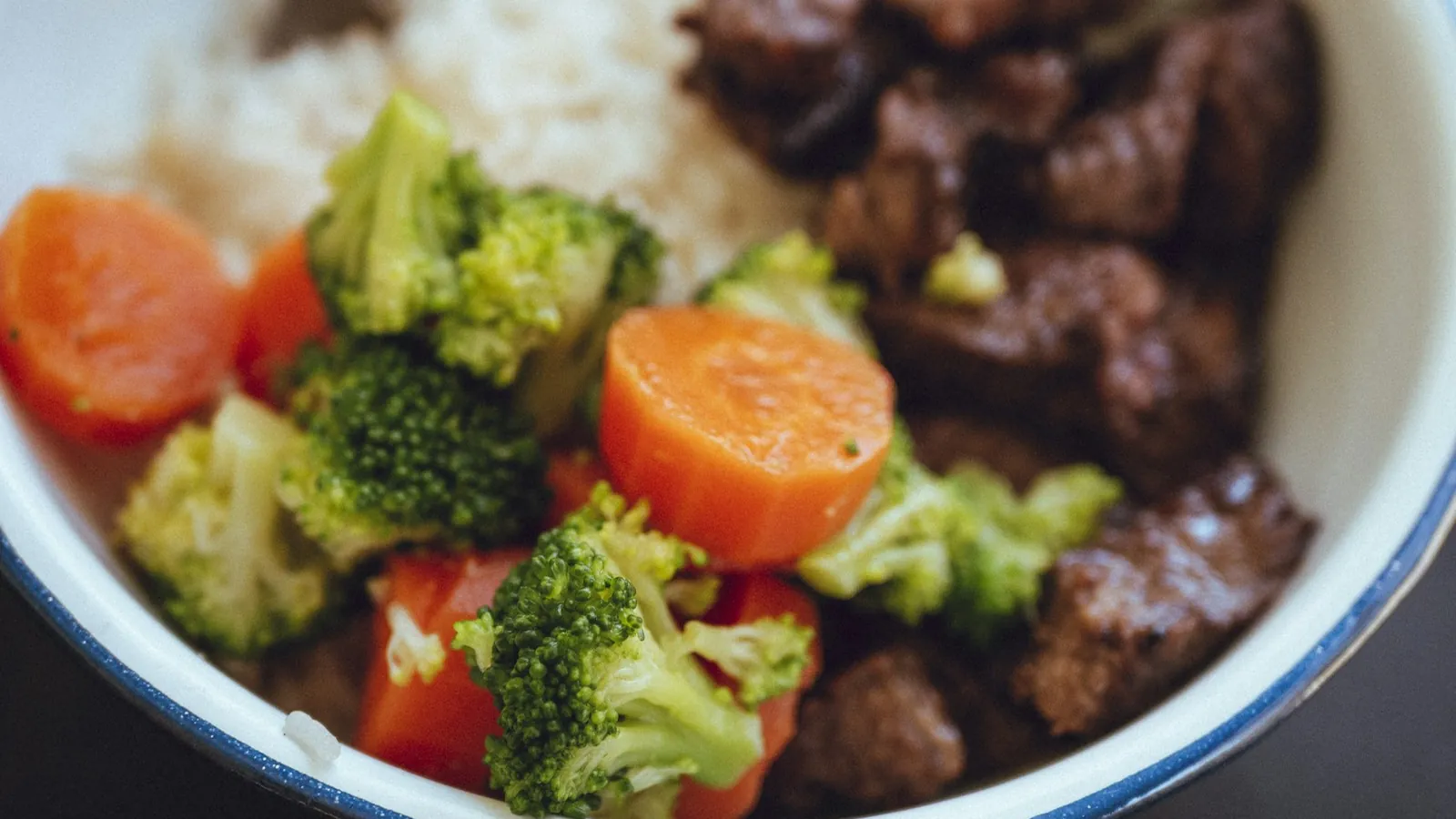
The beef section is one of the easiest parts of a Chinese menu to read once you know what you are looking at, because nearly every dish is the same cut of beef with a different vegetable and a different sauce. Pick those two and you have chosen your dish.
Chinese restaurant beef is almost always thinly sliced across the grain and cooked fast over high heat, which is why it comes out tender rather than chewy. The dish name then tells you what it is cooked with: a vegetable (broccoli, snow peas, mushroom) or a sauce (oyster, garlic, curry, black bean).
Why the beef is sliced so thin
This is the technique that defines the whole section. The beef is cut into thin slices across the grain, which shortens the muscle fibres, then cooked briefly at very high heat so it sears rather than stews.
Many kitchens also velvet the beef — a brief marinade, often with cornstarch and sometimes egg white, before a quick pass through hot oil or water. That is what gives restaurant beef its characteristically smooth, silky surface, and it is the main reason home versions rarely match it.
The practical consequence: Chinese beef dishes are tender by method rather than by using expensive cuts. You are not paying for prime steak, you are paying for knife work and wok heat.
The vegetable-led dishes
Roughly half the section is beef plus one vegetable in a savory sauce. The vegetable changes the character more than you would expect.
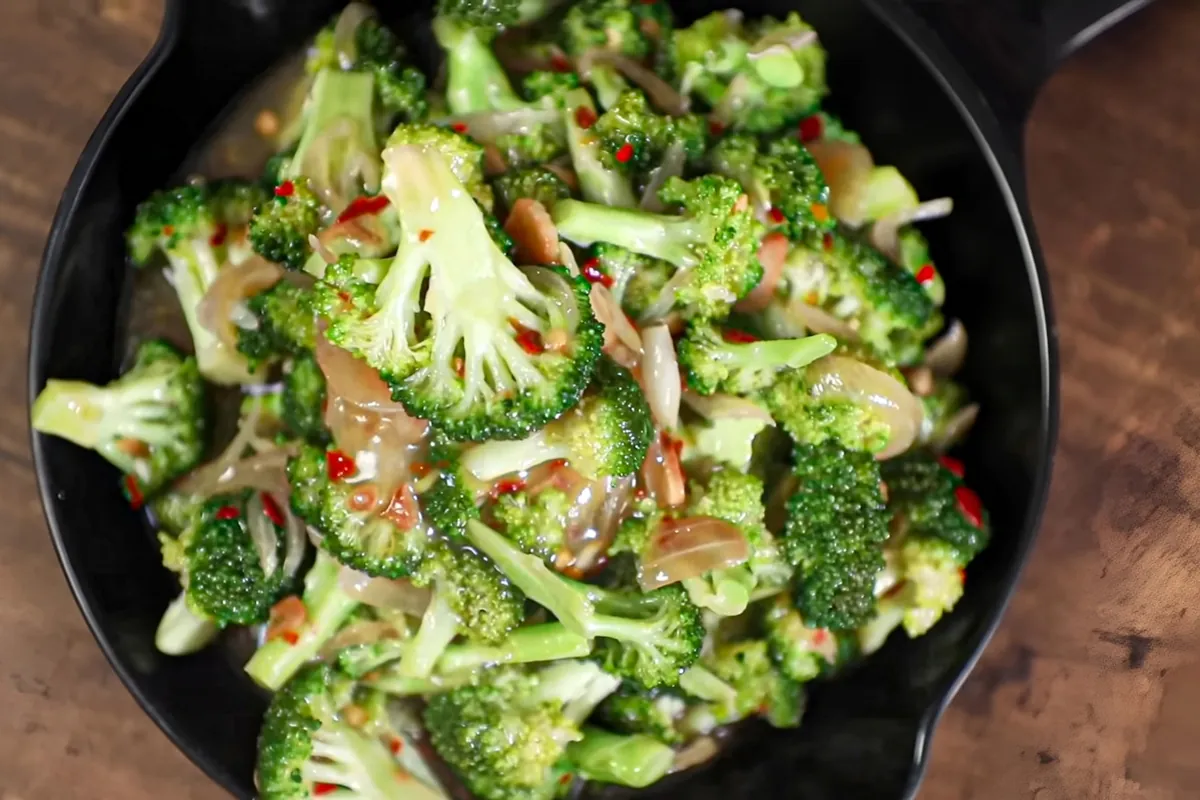
- Beef with broccoli — the most ordered of the group. Broccoli holds sauce well and gives the dish structure.
- Beef with snow peas — lighter and sweeter, with more crunch.
- Beef with mushroom — earthier and softer, the most savory of the three.
- Beef with mixed vegetables — the balanced option if you cannot choose.
The sauce-led dishes
The other half keeps the beef and varies the sauce instead. This is where the bigger flavor differences sit.
| Dish | Tastes like | Heat | Order it if |
|---|---|---|---|
| Beef with broccoli | Mild, savory brown sauce | None | You want the reliable classic |
| Pepper steak with onion | Savory, with sweet onion and bell pepper | None | You want vegetables that stay crisp |
| Beef with oyster sauce | Deeper, richer, rounded | None | You want the most savory option |
| Beef with garlic sauce | Aromatic and sharp | A little | You find brown sauce too plain |
| Szechuan beef | Savory with numbing heat | Moderate | You want spice with character |
| Hunan beef | Direct chili heat, garlicky | Often hottest | You want a straight burn |
| Mongolian beef | Sweeter, with scallion | Mild | You want sweet-savory rather than spicy |
| Orange or sesame beef | Sweet, crisp-fried | Little | You want the sweet, battered style |
Notice the split: most of the beef section is sliced beef stir-fried in a sauce, but a few dishes in the specials list are battered and fried first, which makes them closer to the sweet chicken dishes than to the rest of the beef. Our guide to the sweet crispy dishes covers that style, and our spicy dish comparison covers the Szechuan and Hunan labels.

Which to order
First time in the section
- Beef with broccoli is the safe, familiar starting point
- Pepper steak if you prefer crisper vegetables
- Oyster sauce if you want more depth without heat
- Plain rice underneath, not fried
Ready to move on
- Garlic sauce for aromatic and savory
- Szechuan or Hunan for heat
- Mongolian for sweet-savory with scallion
- Beef and scallop if you want two proteins in one dish
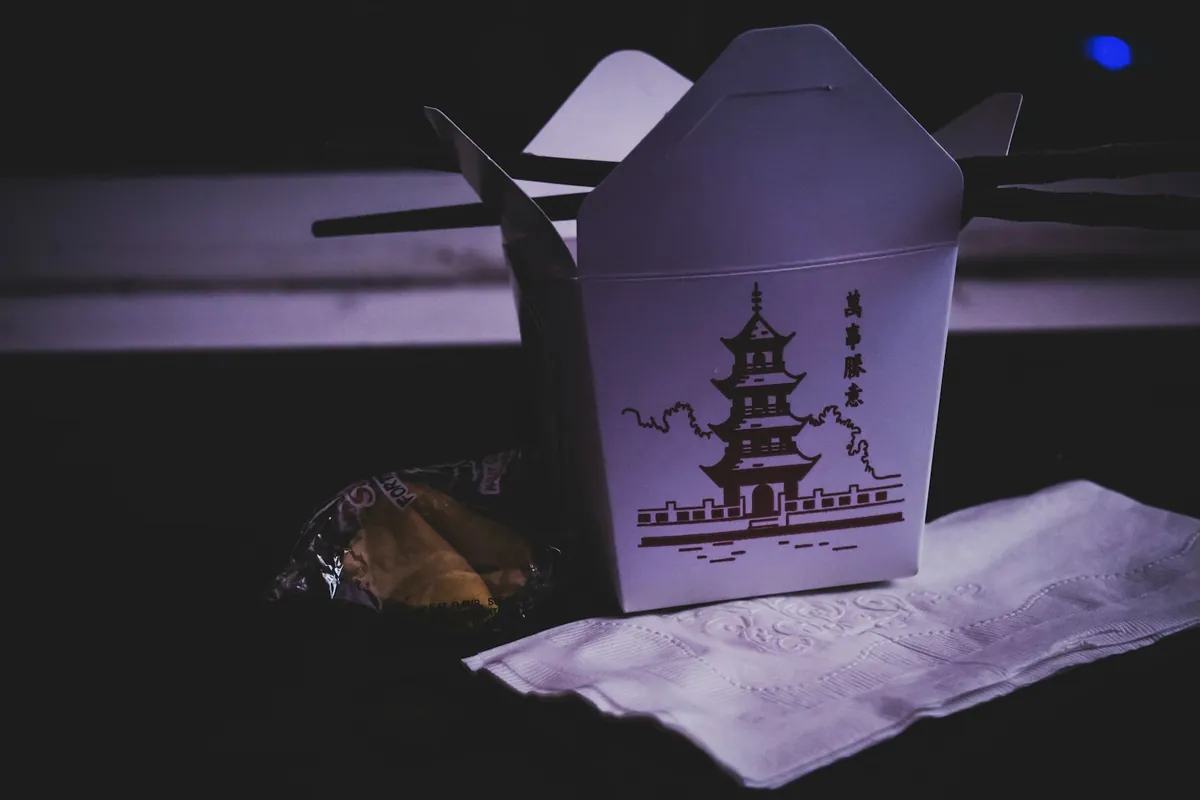
Beef and takeout: what to expect
Sliced beef in a sauce is one of the better travellers on a Chinese menu. The sauce protects the meat, there is no crisp coating to lose, and it reheats without much loss. The battered, sweet beef dishes are the exception, and they should be eaten first when you get home.
One thing worth knowing: beef continues to cook in a hot sauce. If you are collecting an order and eating twenty minutes later, expect the beef to be a little firmer than it would be at the table. Ordering the sauce-heavy versions rather than the drier ones helps.
Ordering beef for a group
Beef is the heaviest of the main proteins, and a table of three beef dishes gets monotonous quickly. If you are ordering for several people, one beef dish alongside a chicken or vegetable dish gives a better spread than two beef dishes.
Choose the vegetable deliberately as well. Two beef dishes both served with broccoli is a wasted opportunity when snow peas, mushroom or mixed vegetables are available at the same price.
Frequently asked questions
Why is Chinese restaurant beef so tender?
Two reasons: it is sliced thin across the grain, and many kitchens velvet it in a cornstarch marinade before a quick pass through hot oil or water. Combined with very high wok heat, that produces tenderness without needing an expensive cut.
What is the difference between pepper steak and beef with broccoli?
The vegetables, mainly. Pepper steak is built on onion and bell pepper, which stay crisp and add sweetness, while beef with broccoli uses broccoli that holds sauce. Both are usually in a similar savory brown sauce.
Which Chinese beef dish is the least spicy?
Beef with broccoli, pepper steak and beef with oyster sauce are all mild with no chili. Avoid anything labelled Szechuan or Hunan if you want no heat at all, and ask about garlic sauce since kitchens vary.
What is Mongolian beef?
Sliced beef in a sweeter, savory sauce, typically with a generous amount of scallion. Despite the name it is not a traditional Mongolian dish; it developed within Chinese restaurant cooking and sits between the savory and sweet ends of the menu.
Does beef with oyster sauce contain shellfish?
Yes. Oyster sauce is made from oyster extract, so it contains shellfish. If you are avoiding shellfish, choose a brown-sauce or garlic-sauce dish instead and tell the restaurant about the allergy directly.
The short version
The beef is the same in nearly every dish — thinly sliced and cooked fast. What you are really choosing is the vegetable and the sauce. Broccoli and pepper steak for mild and familiar, oyster sauce for depth, garlic sauce for aroma, Szechuan or Hunan for heat.
Order one beef dish rather than two, and pick a vegetable you have not had recently.
Beef dishes in Fayetteville
China King lists nine beef dishes plus beef specials and beef with broccoli on Walter Reed Road.
Sources
- Beef and broccoli — on the dish and the slicing and velveting technique behind it.
- Mongolian beef — on the dish’s origins in Chinese restaurant cooking.