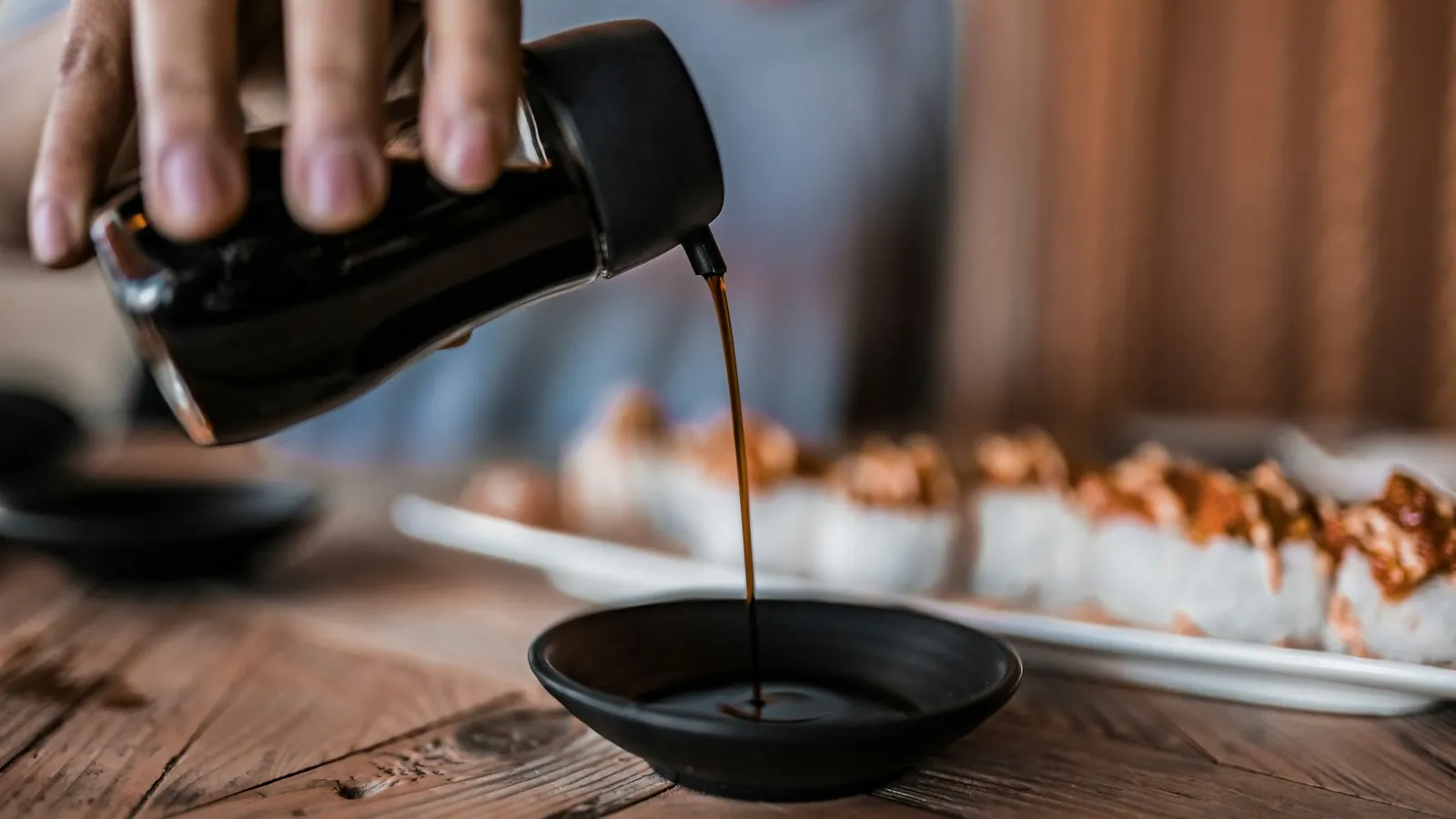
Soy sauce is the foundation of nearly every savory dish on a Chinese menu, and it is the ingredient people are least curious about. It is worth a few minutes, because two things about it are genuinely useful to know: there is more than one kind, and most of it contains wheat.
Soy sauce is brewed, not mixed. Soybeans and roasted grain — usually wheat — are fermented with a mold culture and salt over months. Chinese cooking uses two main styles: light soy sauce for saltiness and seasoning, dark soy sauce for color and a touch of sweetness.
How it is actually made
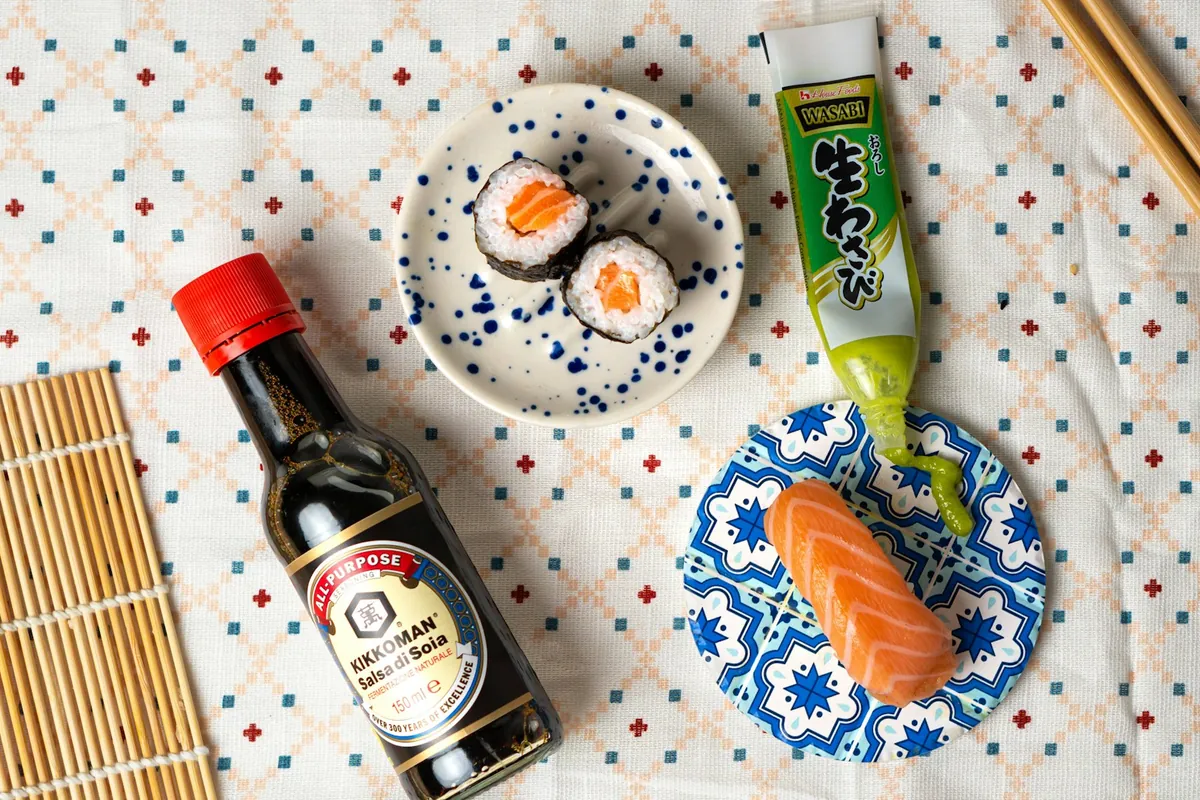
The process is closer to brewing beer than to making a condiment, and it takes months rather than minutes.
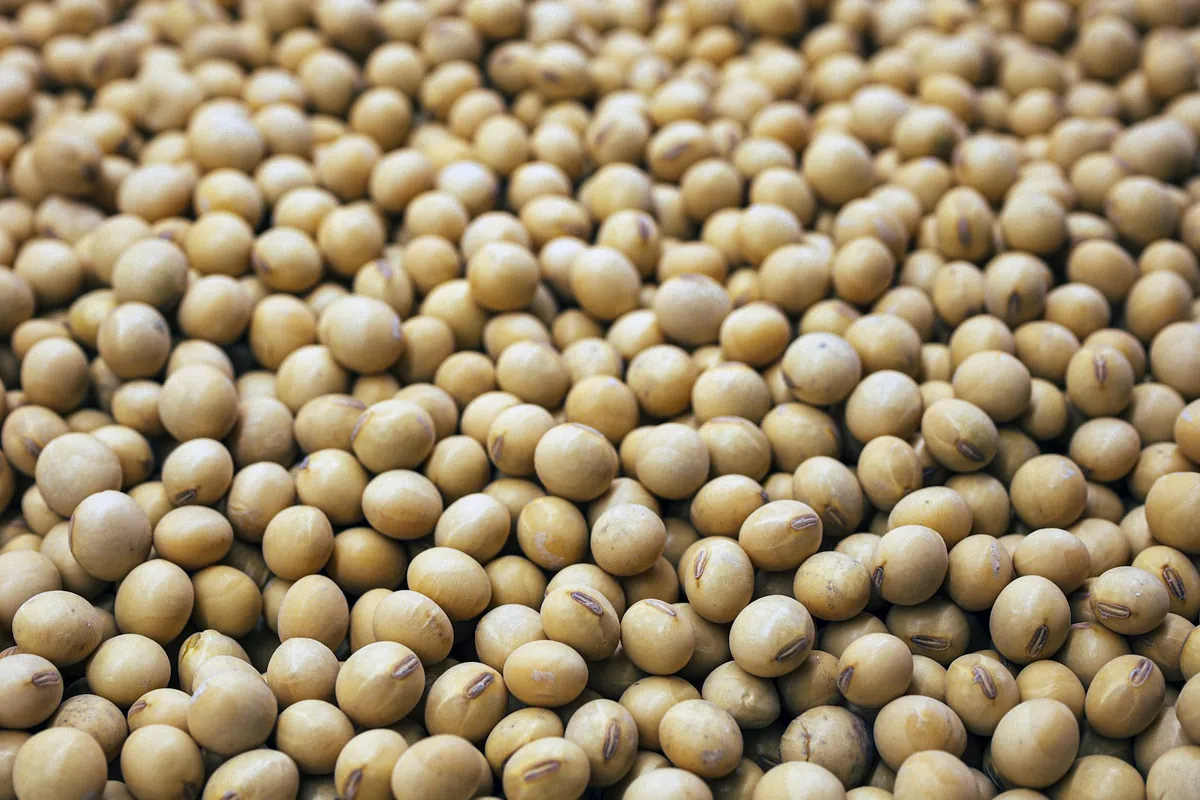
Soybeans are cooked and mixed with roasted, cracked wheat. A mold culture is introduced, and the mixture ferments — the mold breaking proteins into amino acids and starches into sugars. Salt water is added, and the resulting mash sits for anywhere from a few months to a few years. It is then pressed, filtered and pasteurized.
Two things come out of that process that matter at the table. The amino acids include glutamate, which is why soy sauce tastes savory in the way it does — our guide to MSG covers that connection, and it is the reason a “no MSG” kitchen still produces glutamate-rich food. And the fermentation produces genuine complexity, which is why chemically produced imitations taste flat.
Light versus dark
This is the distinction that would change your cooking if you cook, and it explains something about restaurant food if you do not.
| Type | Color | Taste | Used for |
|---|---|---|---|
| Light soy sauce | Reddish brown, thin | Salty, sharp, savory | Seasoning; most stir-frying; dipping |
| Dark soy sauce | Near black, thicker | Milder, slightly sweet, molasses note | Color and depth; braises; lo mein |
| Tamari | Dark, thicker | Rounder, less sharp | Japanese style; usually wheat-free |
| Sweet soy | Very dark, syrupy | Distinctly sweet | Glazes; some regional dishes |
| Mushroom soy | Dark | Earthy, deeper savory | Vegetable and braised dishes |
The counter-intuitive part: light soy sauce is the saltier one. “Light” refers to color and body, not to sodium or intensity. Dark soy sauce is thicker and darker but milder, and it is used in small amounts for color rather than for seasoning.
That is why restaurant lo mein has a deeper brown color than anything you make at home with one bottle. It is not more soy sauce — it is a small amount of the dark kind alongside the light.
The wheat question
Worth being precise about, because it surprises people and because it matters to some of them.
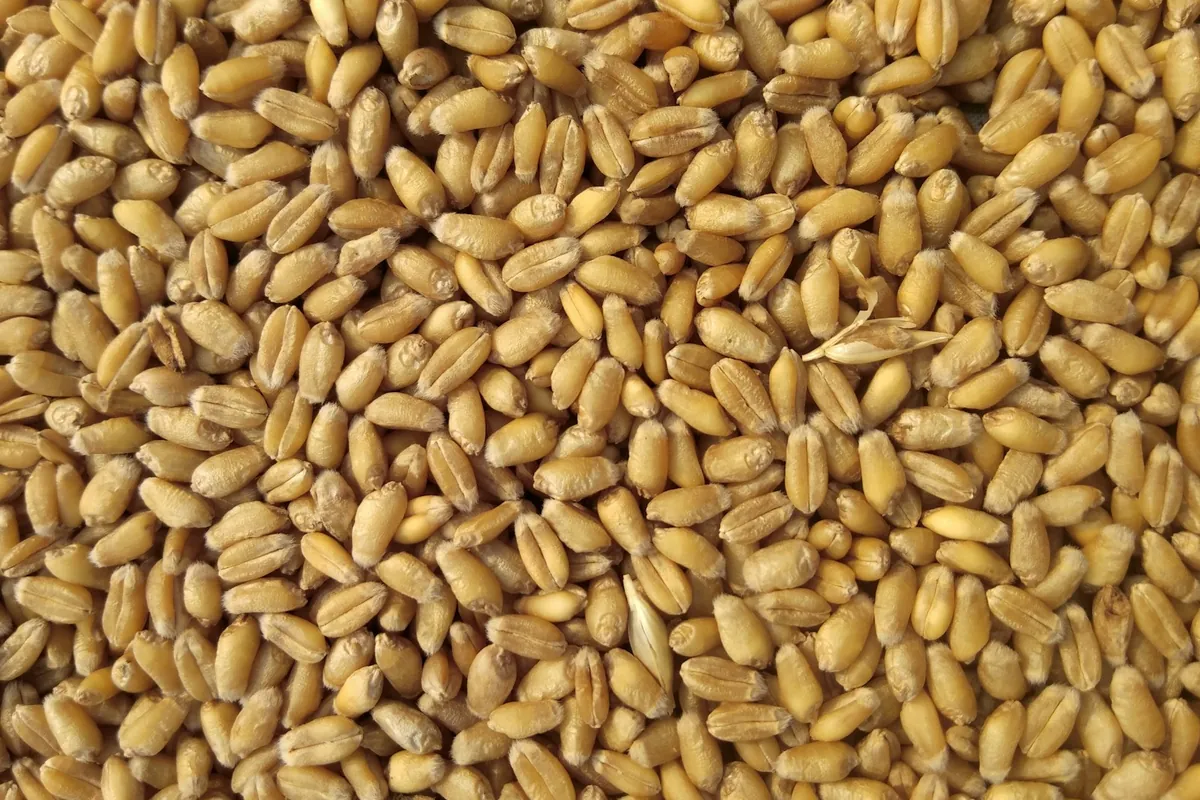
Most soy sauce is brewed with wheat. It is not an additive or a filler — the roasted wheat is part of the fermentation, contributing sugars that shape the flavor. A sauce made from soybeans alone tastes noticeably different.
Tamari is the exception most often available: a Japanese style traditionally made with little or no wheat, and the usual substitute for people avoiding it. Some Chinese soy sauces are also wheat-free, but the majority are not, and a restaurant bottle is far more likely to contain it than not.
What this article will not tell you is whether any particular dish is safe for you. Soy sauce is in the brown sauce, the garlic sauce, the marinades and the fried rice, and a kitchen shares woks and utensils across all of it. If you avoid wheat, that is a conversation with the restaurant about specific dishes, not a deduction from an ingredient list. Our guide to Chinese sauces covers what the sauces are built from.
Why adding more at the table usually makes things worse
The single most common mistake with soy sauce is treating it as salt.
Almost every savory dish on a Chinese menu was already seasoned with it during cooking. The brown sauce is soy-based. The fried rice was seasoned in the wok. Adding more at the table adds sodium and a raw, sharp edge without adding the depth that cooking developed — which is why heavily soy-sauced fried rice tastes salty rather than richer.
The packet exists for the plain steamed rice, and for people who want it. Our guide to the condiment packets covers the rest of what arrives in the bag.
Worth adding it to
- Plain steamed rice
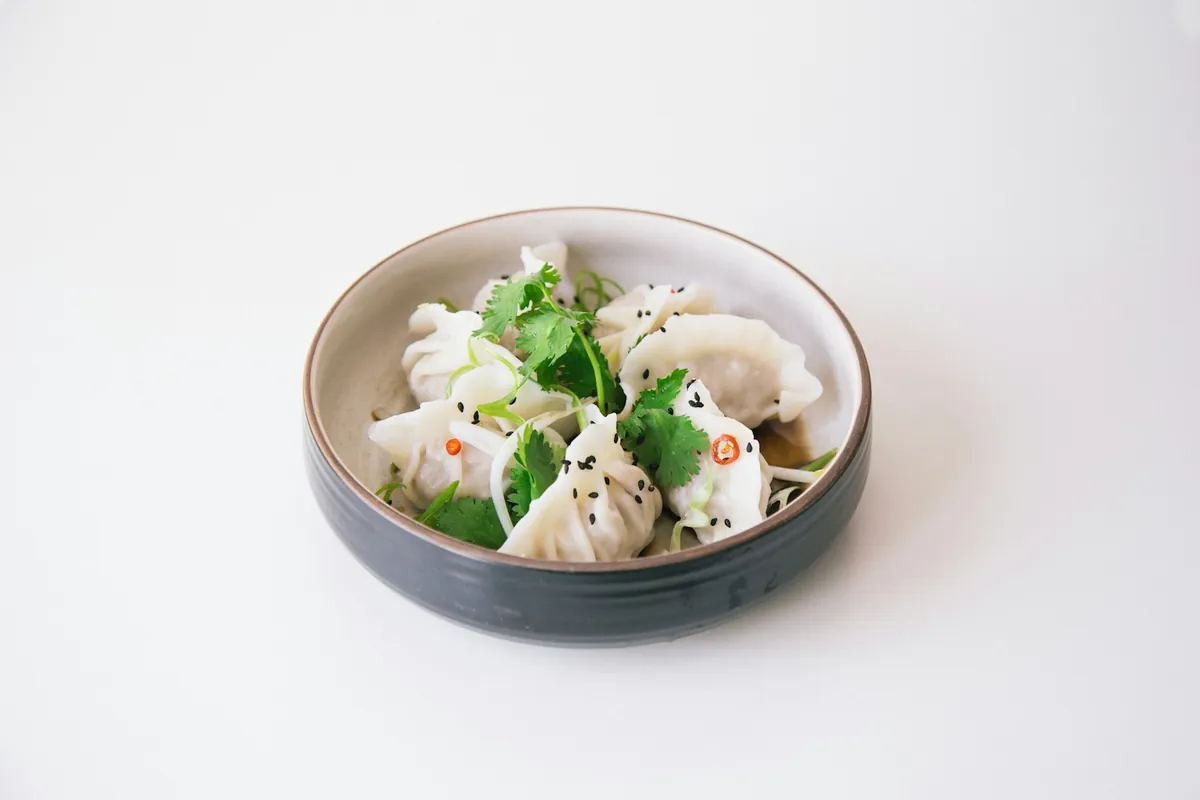
- Dumplings, as a dip
- Steamed dishes served without sauce
- Anything deliberately under-seasoned
Leave it alone
- Fried rice, which is already seasoned
- Lo mein and chow mein
- Any brown-sauce dish
- Anything sweet or glazed
Buying it, if you cook
Two bottles will change your home Chinese cooking more than any other single purchase.
Buy a light soy sauce for general seasoning and a dark soy sauce for color, and use the dark one sparingly — a teaspoon in a wok of noodles, not a tablespoon. Most supermarket “soy sauce” sold in Western markets is a general-purpose product closest to light, which is why home lo mein comes out pale.
Check the label for brewing rather than hydrolysis. A brewed sauce lists soybeans, wheat, salt and water; a chemically produced one lists hydrolyzed vegetable protein, caramel color and corn syrup. Both are legal and one tastes considerably better.
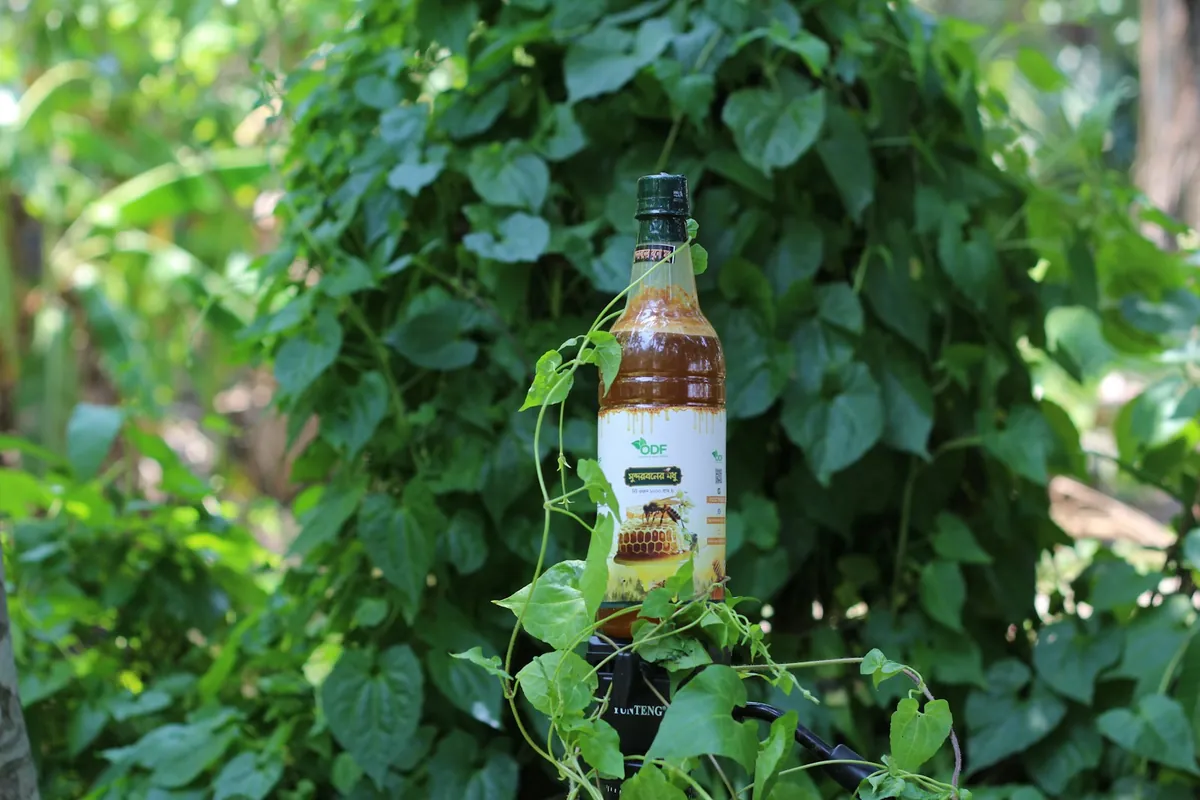
Once opened, keep it in a cool cupboard or the refrigerator. It will not spoil in any dangerous way — the salt prevents that — but it does darken and lose aroma over months.

Frequently asked questions
What is soy sauce made of?
Soybeans, roasted grain — usually wheat — salt and water, fermented with a mold culture for months. The fermentation breaks proteins into amino acids, which is where the savory taste comes from. It is brewed rather than mixed.
What is the difference between light and dark soy sauce?
Light soy sauce is thinner, reddish-brown and saltier, used for seasoning. Dark soy sauce is thicker, nearly black and milder with a slight sweetness, used in small amounts for color and depth. “Light” refers to color, not to sodium.
Does soy sauce contain wheat?
Most does. Roasted wheat is part of the fermentation rather than an additive, contributing sugars that shape the flavor. Tamari is the style usually made without it. If you avoid wheat, ask the restaurant about specific dishes rather than assuming.
Should I add soy sauce to fried rice?
Usually not. Fried rice is seasoned with soy sauce in the wok, so adding more adds sodium and a raw sharpness without the depth that cooking developed. The packet is there for plain steamed rice.
Why is restaurant lo mein darker than mine?
Because it uses a little dark soy sauce alongside the light, and dark soy is used for color rather than seasoning. It is not more soy sauce overall — a teaspoon of the dark kind does what a bottle of the light kind cannot.
The short version
Brewed for months from soybeans, wheat and salt. Light for seasoning, dark for color, and the light one is the salty one despite the name.
Most of it contains wheat, most dishes already have it in them, and the packet on the table is for the plain rice.
Order from China King
Call with any ingredient question — including about the sauces.
Sources
- Britannica: soy sauce — on how it is brewed and its role in East Asian cooking.
- Soy sauce — on the light and dark styles, wheat content and tamari.