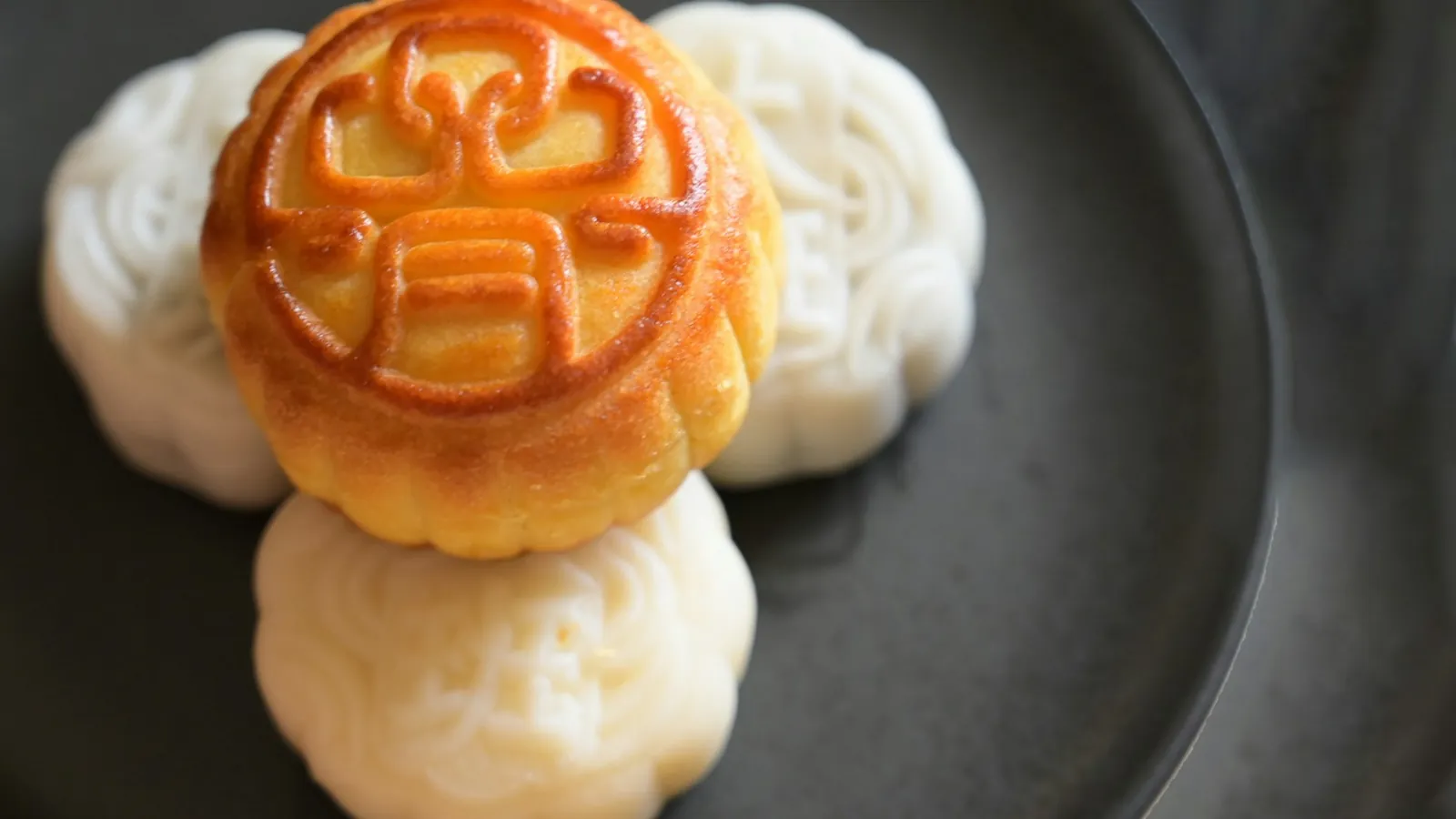
Once a year, boxes of dense round pastries appear in Asian groceries at prices that look like a mistake. Mooncakes are the most misunderstood item in Chinese food culture: rarely eaten outside one festival, given far more often than they are bought for oneself, and genuinely not designed to be eaten the way most first-timers try.
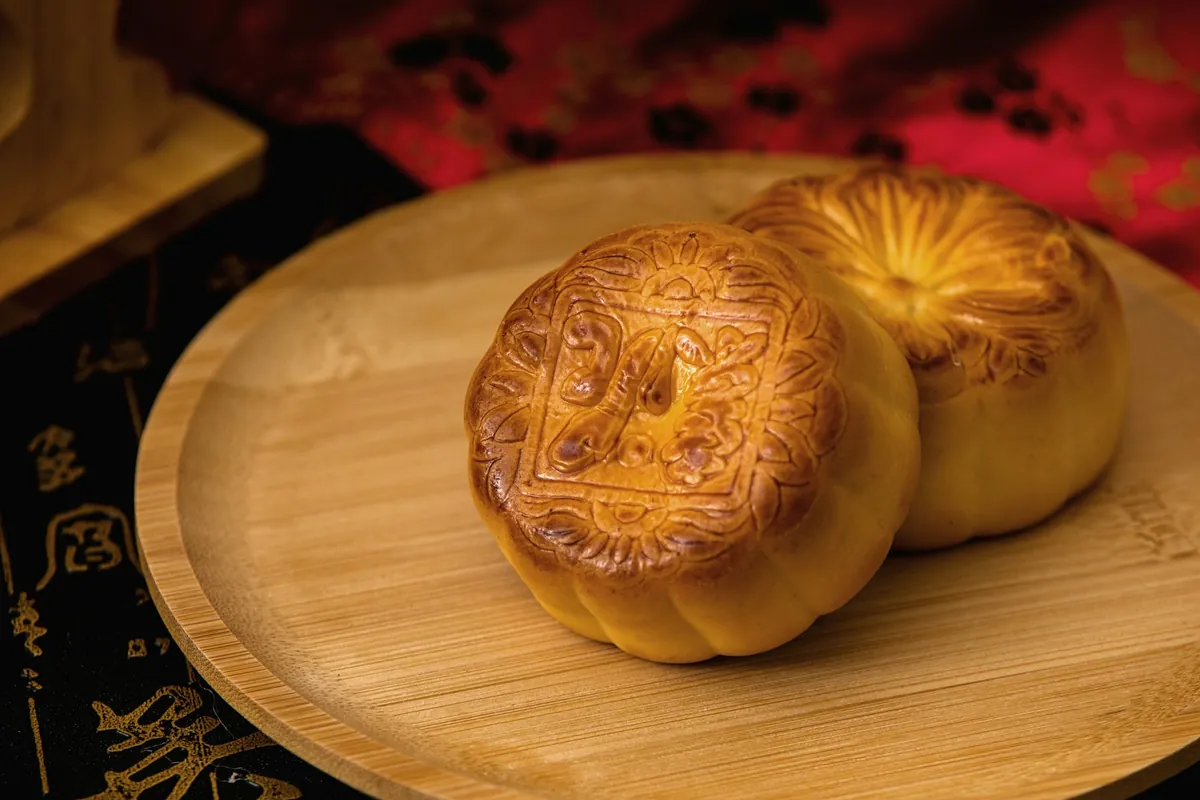
A mooncake is a dense round pastry with a rich filling — classically lotus seed paste, often with a salted egg yolk at the center — eaten at the Mid-Autumn Festival, which falls between September and early October. It is meant to be sliced into small wedges and shared, not eaten whole.
The festival first
Mid-Autumn falls on the fifteenth day of the eighth lunar month, which lands somewhere between mid-September and early October in the Gregorian calendar. Like Lunar New Year, the date moves each year — our guide to Lunar New Year foods covers why lunar dates shift.
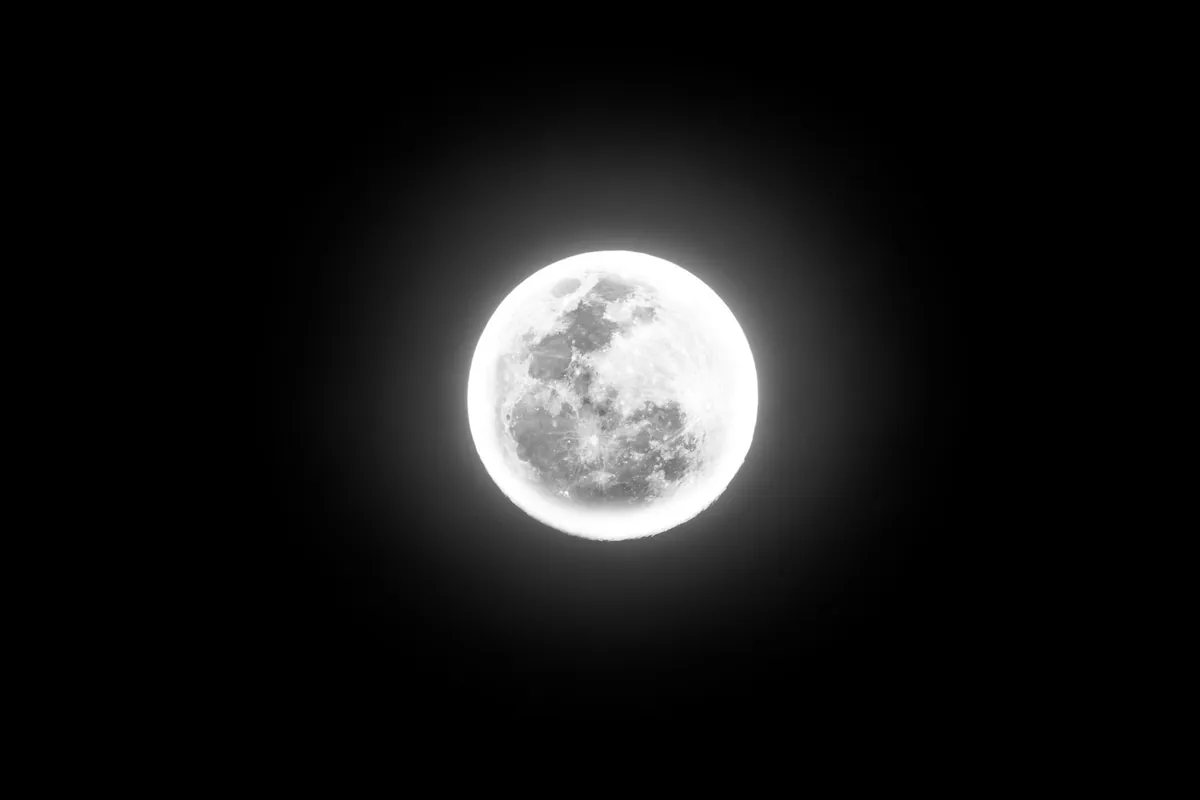
It is a harvest festival and a reunion festival, and it is one of the most important holidays of the Chinese year. The full moon is the point: it is at its roundest, and roundness carries a strong association with completeness and family reunion in Chinese symbolism. Families gather, eat outdoors where the weather allows, and look at the moon.
That symbolism explains the pastry’s shape. A mooncake is round because the moon is, and because the round shape means what the gathering means.
What is inside
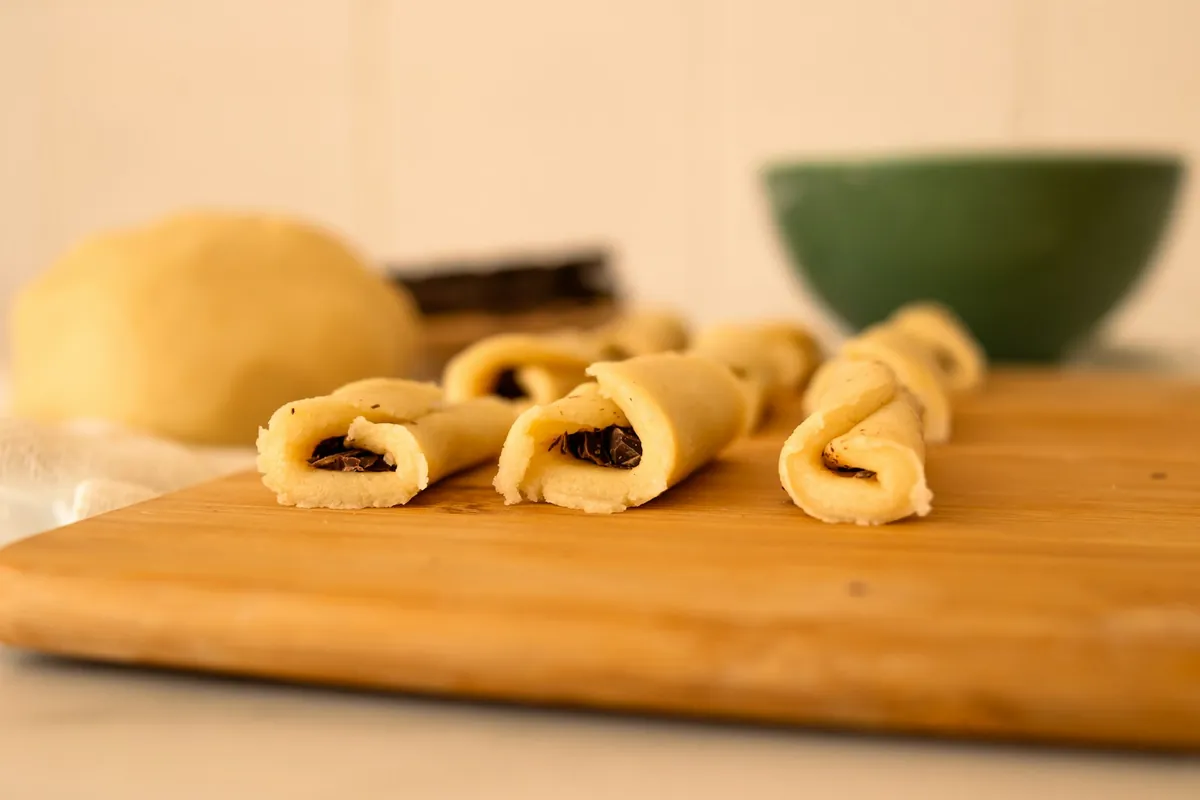
A thin, tender pastry skin around a filling that is almost entirely dense paste. The ratio is unusual — far more filling than crust, which is the opposite of most Western pastries.
| Filling | Character |
|---|---|
| Lotus seed paste | The classic; smooth, sweet, delicate |
| Red bean paste | Earthier and less refined; very common |
| Salted egg yolk | A whole preserved duck egg yolk at the center, savory against the sweet |
| Five kernel | Mixed nuts and seeds in syrup; divisive, and defended fiercely |
| Snow skin | A modern chilled version with a soft, unbaked wrapper |
| Custard, chocolate, ice cream | Contemporary variants, common in cities |
The salted egg yolk is the element that surprises people most, and it is the one worth understanding. A whole preserved duck egg yolk sits in the middle, deep orange and firm, and its saltiness cuts the sweetness of the paste around it. Visually it represents the full moon. A mooncake can contain one yolk or two, and more yolks means a more expensive cake.
The pattern pressed into the top is not decoration alone. It usually names the filling and the maker, stamped from a carved mold, which is how you tell a lotus paste cake from a red bean one without cutting it open.
How to actually eat one
This is where most first-timers go wrong, and it is a genuine shame because it puts people off.
A mooncake is not a cake in the portion sense. A standard one is roughly the size of a hockey puck and is extremely dense and rich — it is designed to be cut into four, six or eight small wedges and shared around a table, usually with tea.
Eating a whole one alone is comparable to eating a whole block of marzipan. Someone who does that and concludes mooncakes are too sweet has not disliked the mooncake; they have eaten six servings of it.
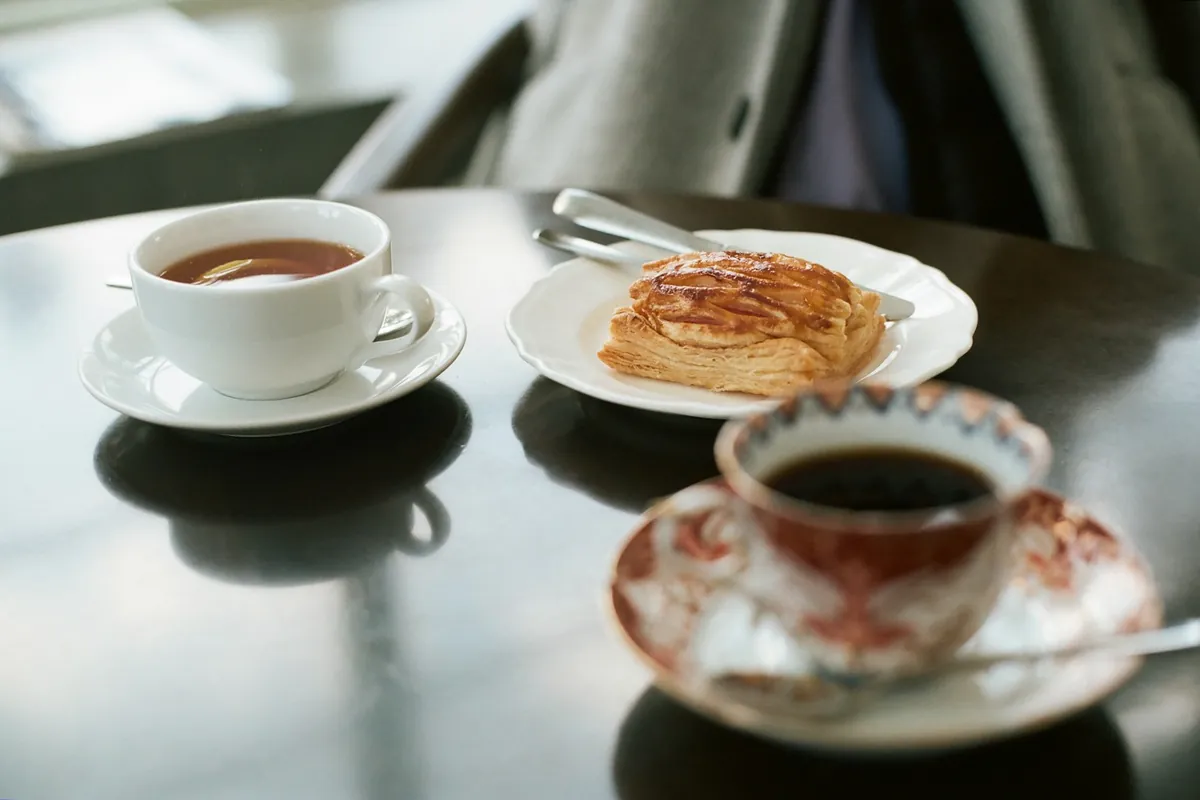
Tea is not optional in the same way it is not optional with very rich desserts generally. Hot, unsweetened tea cuts the density, and the pairing is traditional for exactly that reason — our guide to what to drink with Chinese food covers why tea works against richness.
Why they cost what they do
Three reasons, and one of them is not about the pastry at all.
The ingredients are genuinely expensive. Lotus seed paste made properly from whole lotus seeds is labor-intensive, and salted duck egg yolks are not cheap. Cheaper cakes substitute white bean paste flavored to resemble lotus, which is a real quality difference.
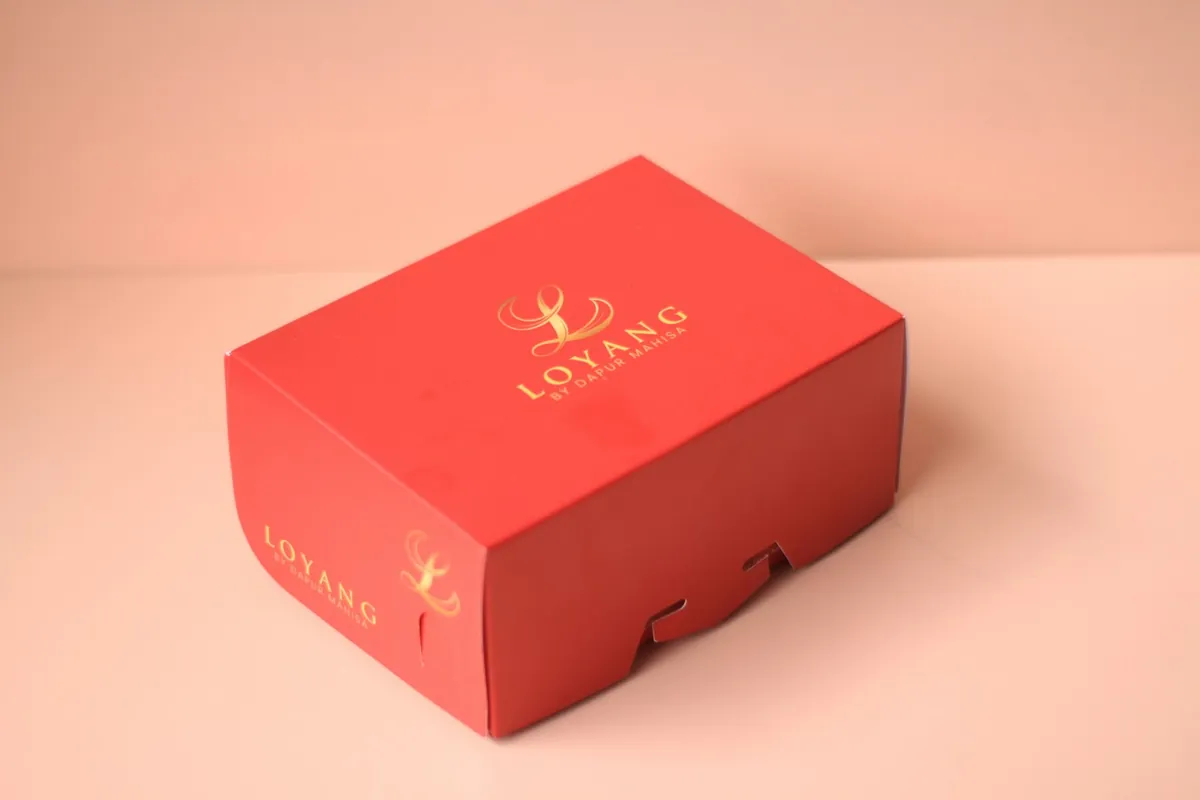
They are a gift, not a purchase. Mooncakes are given — between families, between businesses, from companies to staff — and gift markets support presentation costs that a self-purchase market would not. Much of what you pay for an elaborate boxed set is the box.
The season is short. A product sold for a few weeks a year carries its whole year of overhead in that window.
If buying to try
- Buy a single cake, not a boxed set
- Start with lotus paste and one yolk
- Go to an Asian grocery, not a gift display
- Share it with at least three other people
If buying as a gift
- The box genuinely matters
- Double yolk reads as more generous
- Buy well before the festival — they sell out
- Present it with both hands
The five-kernel question
Worth mentioning because it is the running joke of the season.
Five kernel mooncakes are filled with mixed nuts and seeds bound in syrup, sometimes with candied peel and other inclusions. They have a reputation, widely and loudly shared online each year, as the filling nobody wants — the fruitcake of the mooncake world.
They also have genuine defenders, and the criticism is largely a matter of expectation. If you go in expecting the smooth, uniform texture of lotus paste, the chunky, chewy, mixed texture is a surprise. Taken on its own terms it is a perfectly good thing.
The practical advice: do not make it your first mooncake, and do not give a box of them to someone who has never had one.
Frequently asked questions
What is a mooncake?
A dense round pastry with a thin skin and a rich paste filling, classically lotus seed, often with a salted duck egg yolk at the center. It is eaten at the Mid-Autumn Festival and is meant to be cut into small wedges and shared.
When is the Mid-Autumn Festival?
On the fifteenth day of the eighth lunar month, which falls between mid-September and early October depending on the year. Like Lunar New Year, the Gregorian date moves annually because the calendar is lunisolar.
Why is there an egg yolk in a mooncake?
A whole salted duck egg yolk sits at the center, its saltiness cutting the sweetness of the paste around it. It also represents the full moon visually. Cakes come with one or two yolks, and two costs more.
Are you supposed to eat a whole mooncake?
No. A standard mooncake is extremely dense and rich, and is designed to be cut into four to eight small wedges and shared, usually with tea. Eating one alone is roughly six servings, which is why people find them overwhelming.
Why are mooncakes so expensive?
Proper lotus seed paste and salted duck egg yolks are costly, the season lasts only a few weeks, and they are primarily a gift item — so elaborate packaging is part of what you are paying for. A single cake from an Asian grocery costs far less than a boxed set.
The short version
A dense round pastry of lotus or bean paste, often around a salted egg yolk, eaten at the Mid-Autumn Festival between September and early October. Round because the moon is, and because roundness means reunion.
Cut it into small wedges, share it, and drink tea with it. Eating one whole is the mistake almost everybody makes once.
Order from China King
No mooncakes — but the Chinese donuts are the sweet thing we do have.
Sources
- Mooncake — on the fillings, the regional styles and the gift tradition.
- Mid-Autumn Festival — on the festival, its timing and its customs.