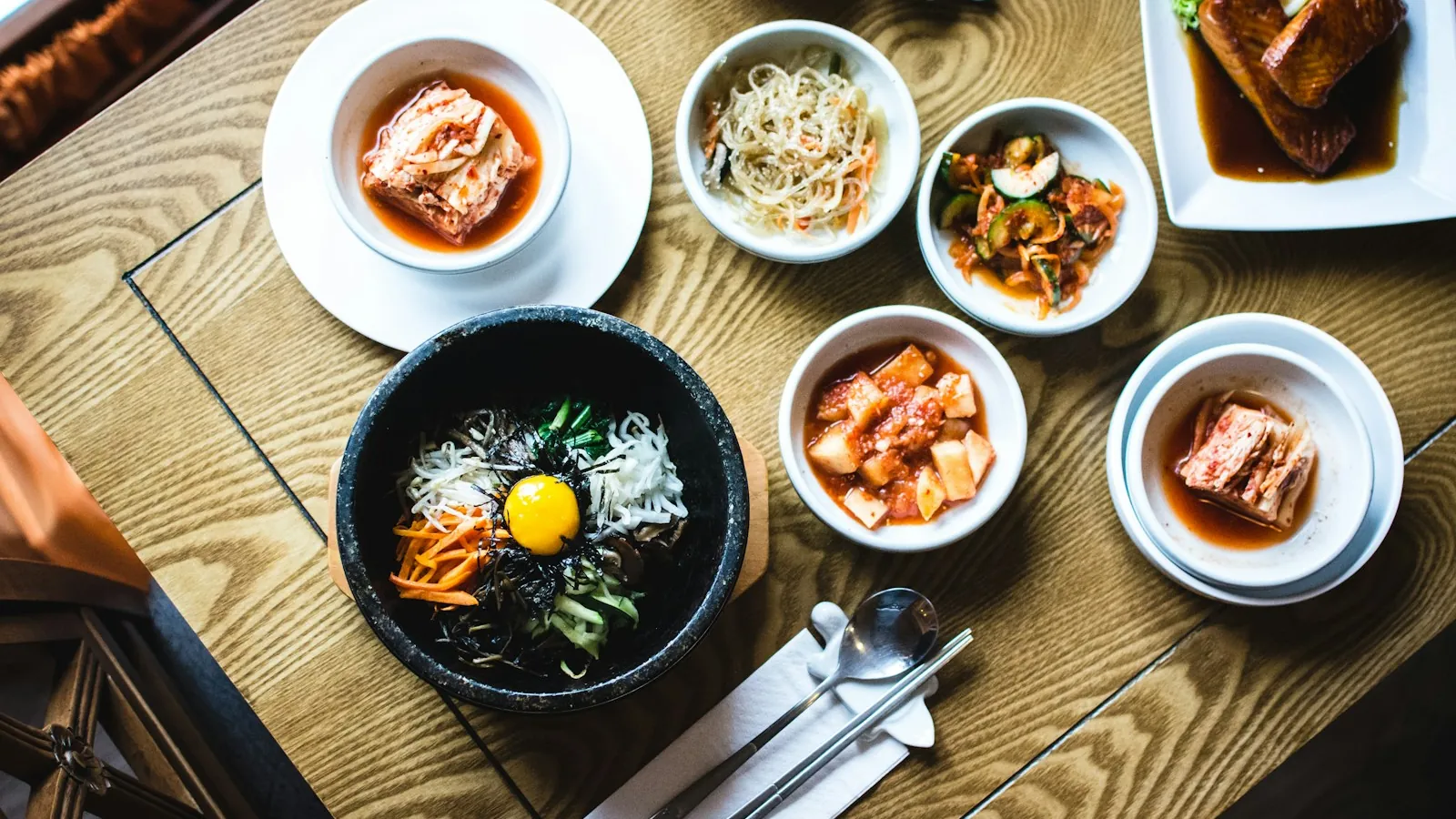
Chinese, Thai and Japanese restaurants often sit on the same street, get grouped under one heading on delivery apps, and get treated as broadly interchangeable when someone says “let’s get Asian food”. They are three separate culinary traditions with different flavor logic, and knowing which does what makes choosing far easier.
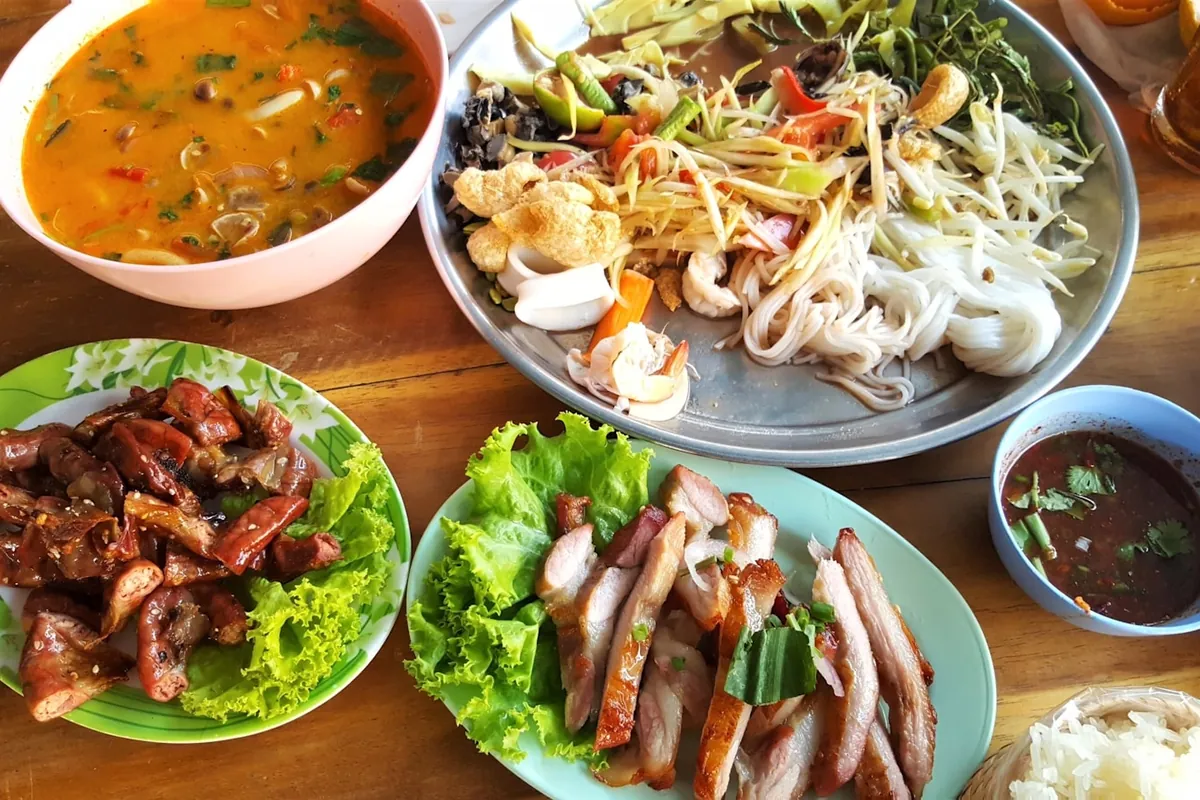
Broadly: Chinese takeout is built on savory soy-based sauces and the wok. Thai balances four tastes at once — sweet, sour, salty and hot — with coconut, lime, chili and fish sauce. Japanese tends toward restraint, letting fewer ingredients speak, with dashi and rice at the center.
A caveat worth putting first
Each of these is a huge internal category, and everything below is a generalization about what turns up on American takeout menus rather than a claim about the cuisines entire.
Chinese cooking spans regional traditions as different from each other as Italian is from Swedish — our guide to how American Chinese food came to be covers how one regional style, Cantonese, became the template here. The same compression happens to Thai and Japanese food on the way to an American strip mall.
So this is a guide to what you will actually encounter locally, not a summary of three national cuisines. And none of the three is better than the others; they are answers to different questions.
The flavor logic of each
| Chinese | Thai | Japanese | |
|---|---|---|---|
| Core seasonings | Soy, garlic, ginger, oyster sauce | Fish sauce, lime, chili, coconut, palm sugar | Soy, dashi, mirin, miso |
| Flavor aim | Savory depth | Four tastes balanced at once | Restraint; clarity |
| Heat | Only in specific dishes | Often, and adjustable | Rarely |
| Sweetness | In the glazed dishes | Woven through, with sour | Subtle |
| Dominant method | Wok, high heat, fast | Wok, curry pot, grill | Grilling, simmering, raw |
| Herbs | Scallion; little fresh herb | Basil, cilantro, lemongrass, mint | Minimal; shiso, scallion |
| Travels well? | Sauced dishes yes, fried no | Curries very well | Sushi poorly; cooked dishes fine |
The row that explains the most is “flavor aim”. Chinese takeout is generally building savory depth — layers of soy, stock and aromatics pointing the same direction. Thai cooking is deliberately holding opposites in tension at once. Japanese cooking is typically removing things rather than adding them.
Where they genuinely overlap
Enough that the confusion is understandable.
All three use soy sauce, rice and noodles heavily. All three stir-fry. All three have a version of a dumpling, and all three arrived in America through immigrant restaurant trades that adapted to local ingredients and tastes.
Some dishes cross over outright. Teriyaki is Japanese and appears on many Chinese-American menus — our guide to teriyaki on a Chinese menu covers how that happened. Curry appears on Chinese menus in a mild, distinctly non-Thai form. Fried rice exists in all three traditions in different guises.
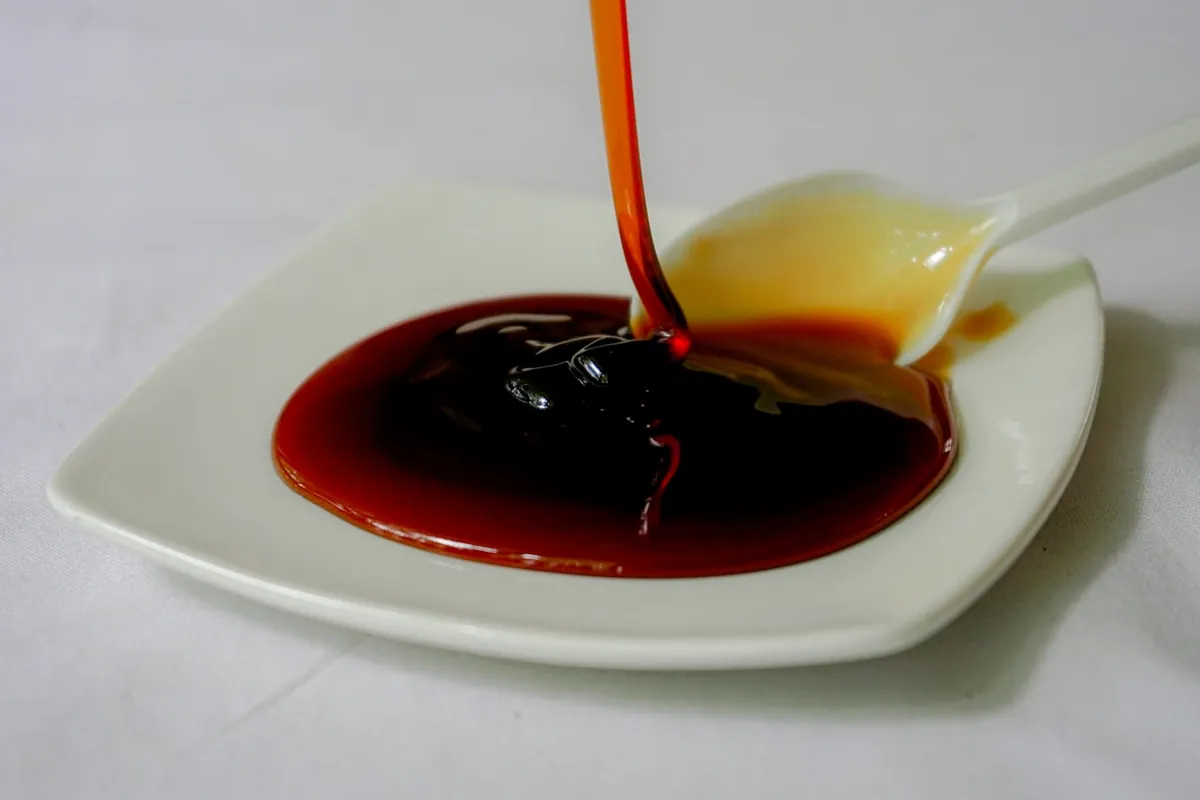
The overlap is real. It is the reason the “Asian food” bucket exists, and it is also why the differences are worth knowing — the dishes look adjacent and taste nothing alike.
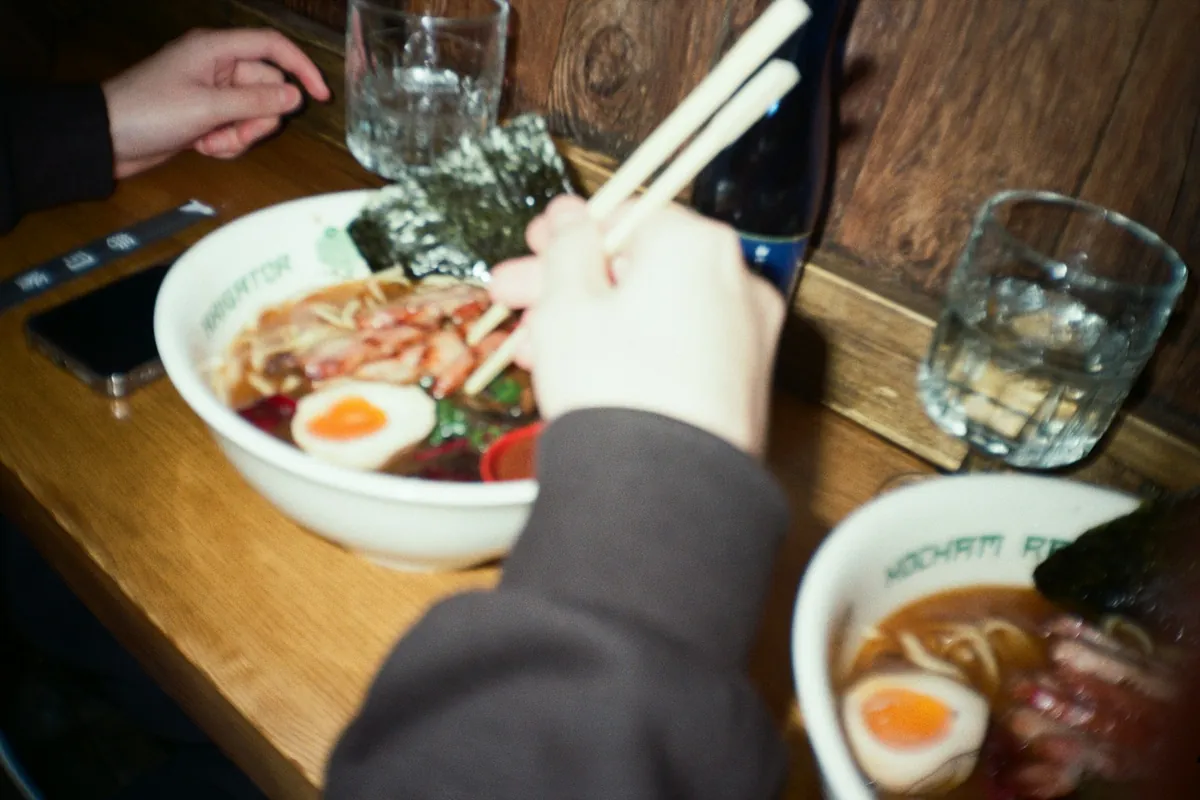
Which to order when
Chinese suits
- Feeding a group with different tastes
- Wanting large portions and value
- Mild food, with spicy available separately
- Leftovers that reheat well
Thai or Japanese suits
- Thai: wanting heat, or a coconut curry
- Thai: fresh herbs and citrus brightness
- Japanese: something lighter and cleaner
- Japanese: eating raw fish, eaten immediately
The practical distinction for a mixed table is adjustability. Chinese menus tend to separate the spicy dishes into their own section so a table can order across the range — our guide to the spicy dishes covers that. Thai menus more often build heat into a dish and offer a spice level instead, which is a different way of solving the same problem.
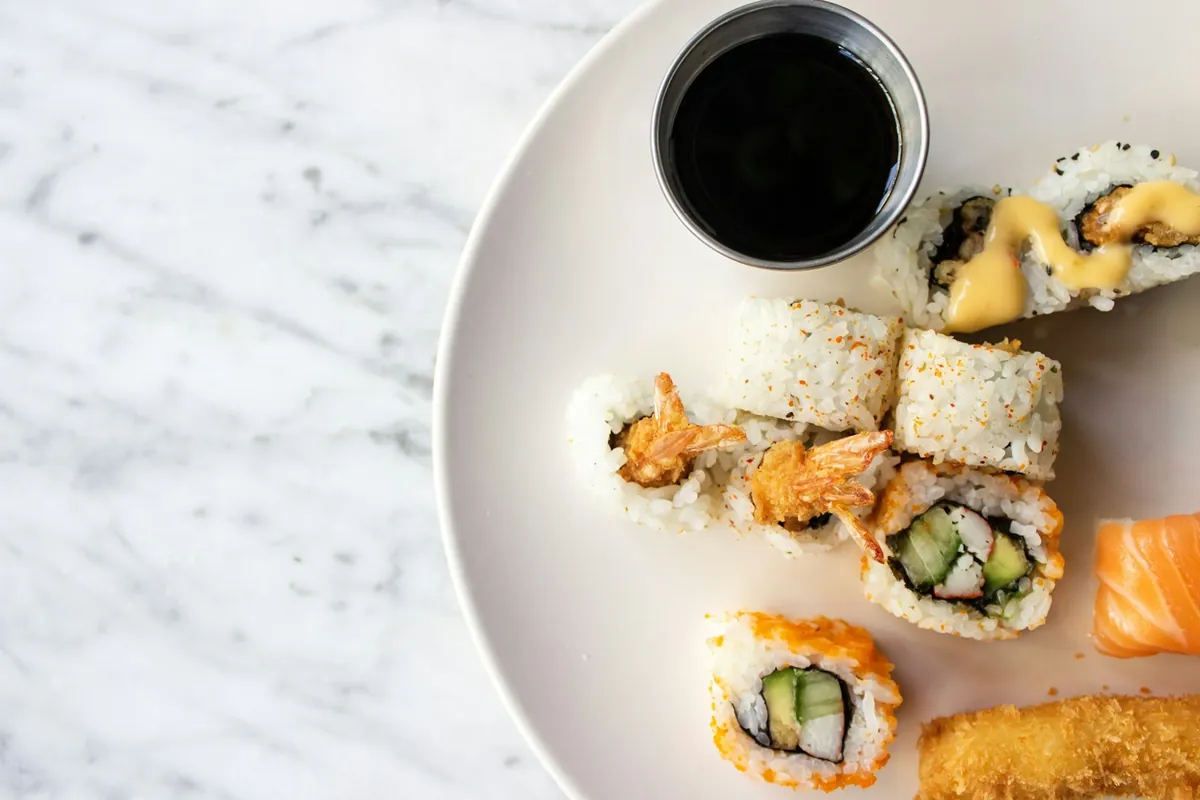
For delivery specifically, Thai curries are among the best-traveling food of any cuisine, and sushi is among the worst. Chinese sits in between and depends entirely on what you ordered — our guide to pickup or delivery covers which dishes survive.
The thing worth dropping
The habit of treating them as one category.
“Asian food” covers a landmass containing most of the world’s population and dozens of unrelated culinary traditions. Used as a shorthand between friends deciding on dinner it is harmless; used as a way of thinking, it flattens three distinct traditions into one undifferentiated thing, and it makes people worse at ordering.
The practical cost is real. Someone who thinks of it as one cuisine will order the same style of dish everywhere and conclude the food is samey, when in fact they have been ordering the sweet glazed chicken in all three places.
The fix is simple: order what each does best. Our guide to what to order at a Chinese restaurant covers that half of it.
Frequently asked questions
What is the difference between Chinese and Thai food?
Chinese takeout builds savory depth from soy, garlic, ginger and stock. Thai cooking balances sweet, sour, salty and hot at once, using fish sauce, lime, chili, coconut and palm sugar, with far more fresh herbs. Thai food is also more often spicy by default.
Is Japanese food similar to Chinese food?
They share soy sauce, rice and noodles, and Japanese cooking was historically influenced by Chinese cooking. But the aims differ: Chinese takeout tends to layer flavors for depth, while Japanese cooking tends toward restraint, letting fewer ingredients speak.
Why is teriyaki on Chinese menus?
Because American Chinese menus have always absorbed dishes customers recognize and ask for, the same reason they carry crab rangoon. Teriyaki is Japanese in origin and arrived on Chinese-American menus as a familiar, easy-to-prep skewer item.
Which travels best for delivery?
Thai curries are among the best-traveling food of any cuisine, and sushi is among the worst. Chinese depends entirely on the order: sauced dishes, rice and noodles hold up well, while anything battered or crisp does not.
Which cuisine is best for a group with different tastes?
Chinese, generally, because the menus are broad, the portions are built for sharing and the spicy dishes are usually confined to their own section so a table can order across the range without anyone getting something they cannot eat.
The short version
Chinese layers savory flavors for depth. Thai holds sweet, sour, salty and hot in tension. Japanese takes things away rather than adding them.
They overlap in ingredients and share a shelf on a delivery app, and they are three different traditions. Order what each does best rather than the same dish in all three.
Order from China King
Cantonese-derived Chinese-American cooking on Walter Reed Road in Fayetteville.
Sources
- Thai cuisine — on Thai flavor balance and its core ingredients.
- Japanese cuisine — on Japanese cooking, dashi and its emphasis on restraint.