Teriyaki is Japanese. It appears on almost every Chinese takeout menu in America anyway, usually on skewers, sold five to an order, and nobody blinks. That is worth explaining, because the dish you get is not quite the Japanese one either.
Teriyaki is a Japanese cooking method: food glazed with a sweet soy-based sauce and grilled or broiled. On a Chinese-American menu it usually arrives as marinated beef or chicken on small skewers, sold by the piece as an appetizer. Sweet, savory, not spicy, and eaten with your hands.
What teriyaki actually means
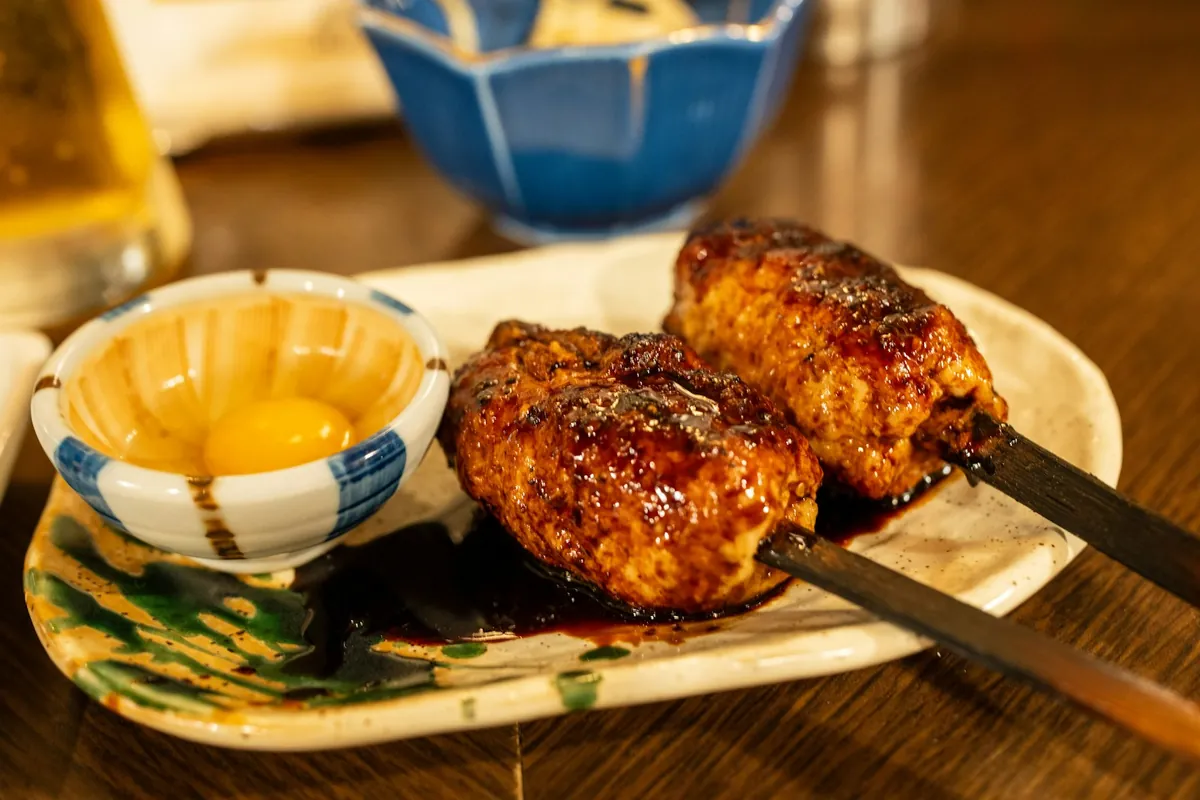
The word describes a technique rather than a sauce, which is the part most menus obscure. Teri refers to the shine or lustre a glaze gives, and yaki means grilled or broiled. So teriyaki is literally “glaze-grilled”: the food is cooked over or under direct heat and brushed with the sauce as it goes, building up a glossy coating in layers.
The sauce itself is traditionally soy sauce, mirin, sake and sugar, reduced until it thickens. That is a short list, and the balance of it is what a Japanese kitchen would fuss over.
What has happened on American menus is that the sauce became the definition and the technique became optional. A dish marketed as teriyaki today may be pan-cooked or even wok-tossed, which is why the word tells you about flavor more reliably than about method.
How it turns up on a Chinese menu
Almost always as skewers, and almost always in one of two places: the appetizer list or the fried-foods section, alongside the wings and the crab sticks.
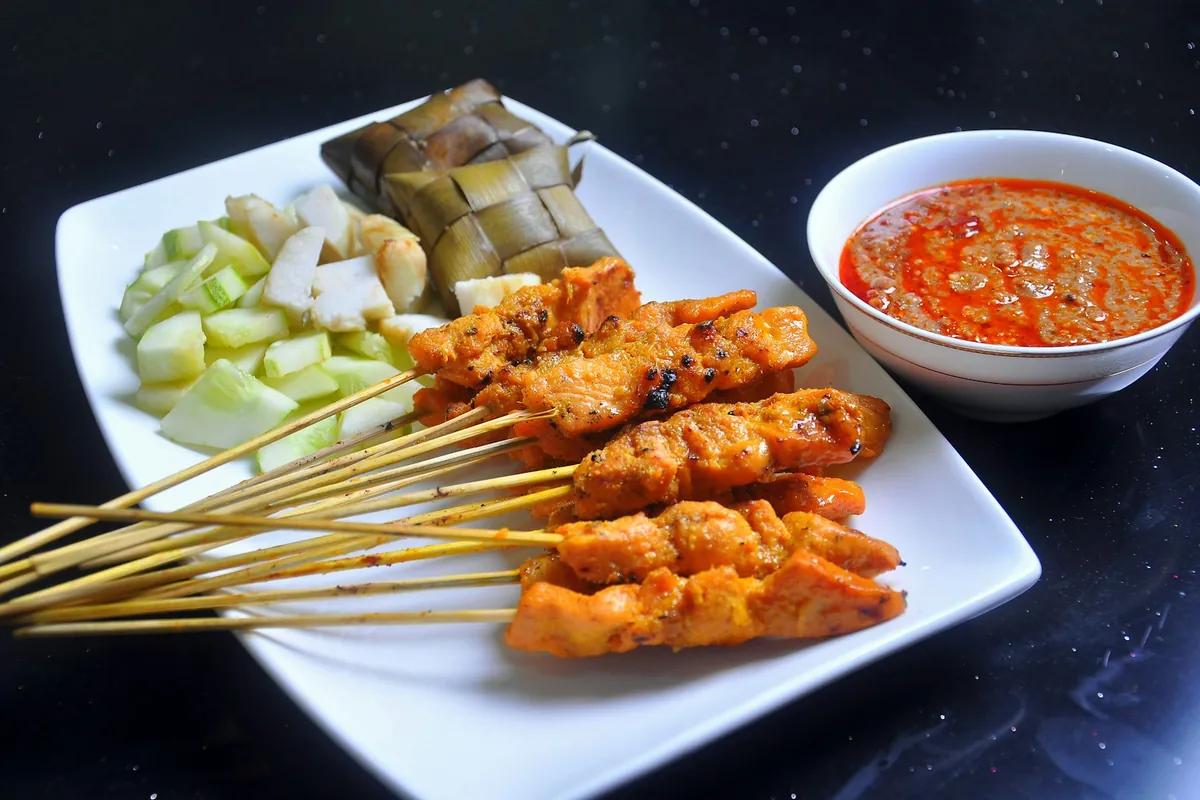
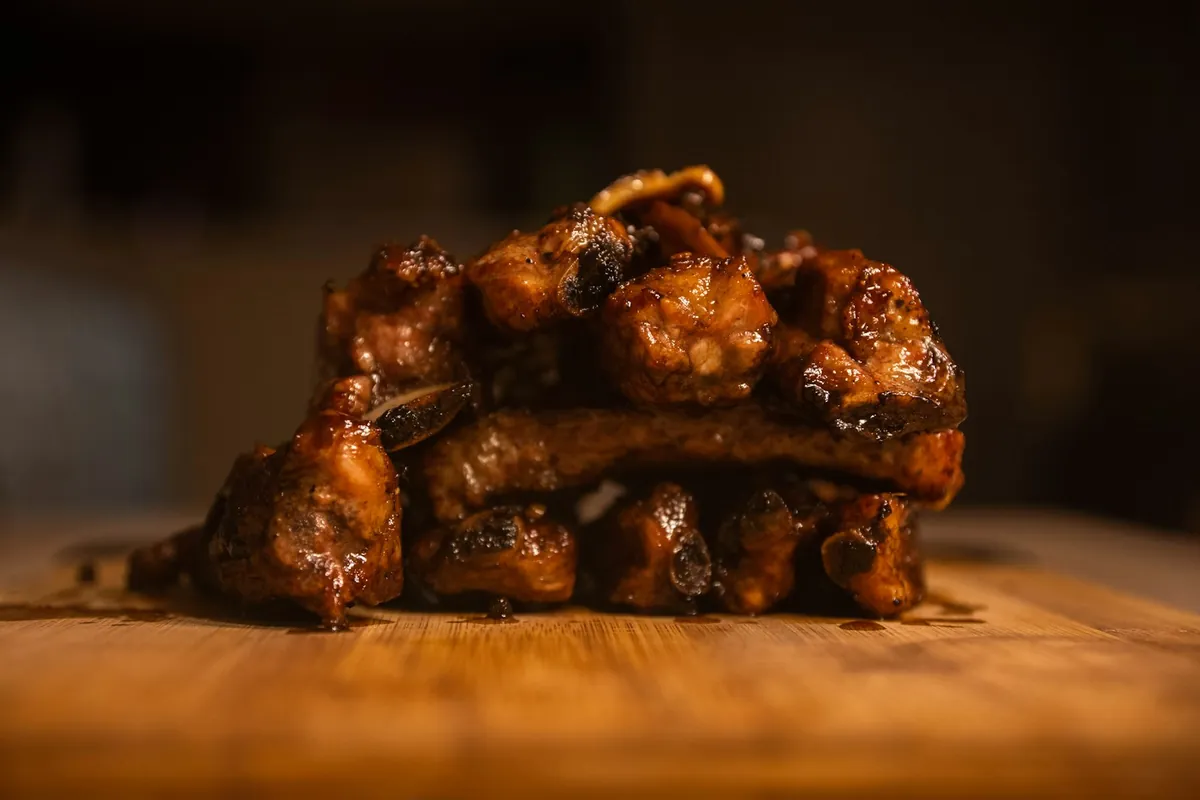
Beef teriyaki is the more common of the two. Thin strips of beef, marinated, threaded onto small bamboo skewers and grilled or broiled until the glaze darkens at the edges. Chicken teriyaki is the same idea with chicken, usually slightly sweeter because chicken takes the glaze more readily.
Both are sold five to an order in most kitchens, which makes them a starter for two people or a small snack for one. They are handheld food, and the skewer is doing real work — this is one of the few dishes on the menu you are meant to eat without cutlery or chopsticks.
| Item | Cooked | Sweetness | Eaten | Best for |
|---|---|---|---|---|
| Beef teriyaki | Grilled or broiled | Medium-high | Off the skewer | A starter with some substance |
| Chicken teriyaki | Grilled or broiled | High | Off the skewer | Milder palates; children |
| Chicken wings | Deep fried | Varies by style | By hand | Volume; sharing |
| BBQ spare ribs | Roasted | Medium | By hand | The classic bone-in starter |
| Fried dumplings | Pan fried | None | With chopsticks | A savory, filling starter |
The distinction that matters is grilled versus fried. Teriyaki is the only item in that group cooked over direct heat rather than in oil, which makes it the least greasy thing on the appetizer page. Our guides to chicken wings and spare ribs cover the fried and roasted alternatives.
Why a Chinese restaurant sells a Japanese dish
Two straightforward reasons, one commercial and one practical.
Commercially, American Chinese menus have always absorbed whatever customers wanted. The same menus carry crab rangoon, which is American, and a pu pu platter, which is Hawaiian by way of Polynesian-themed restaurants. Teriyaki arrived by the same route: people knew the word, associated it with something sweet and grilled, and ordered it.
Practically, it fits the kitchen. The marinade can be made in advance, the skewers can be assembled ahead of service, and cooking is fast. It also uses a cut of beef that would be wasteful in a stir-fry, so it earns its place on the prep list.
None of that makes it inauthentic in any way that matters at a dinner table. It makes it a Chinese-American dish with a Japanese name, which is a description rather than a criticism.
Ordering it well
It works well
- As a starter when the mains are already fried
- For children, who like both the sweetness and the skewer
- Alongside a soup rather than another sweet dish
- When you want protein without grease
It works less well
- Next to bourbon or sweet and sour dishes
- As the only starter for a large group
- After a long drive, when the glaze has cooled
- If you dislike sweet meat
Five skewers is not much food for a table. If teriyaki is the item everyone wants, order two portions rather than supplementing it with something fried — our guide to how much to order per person covers portioning.

Takeout notes
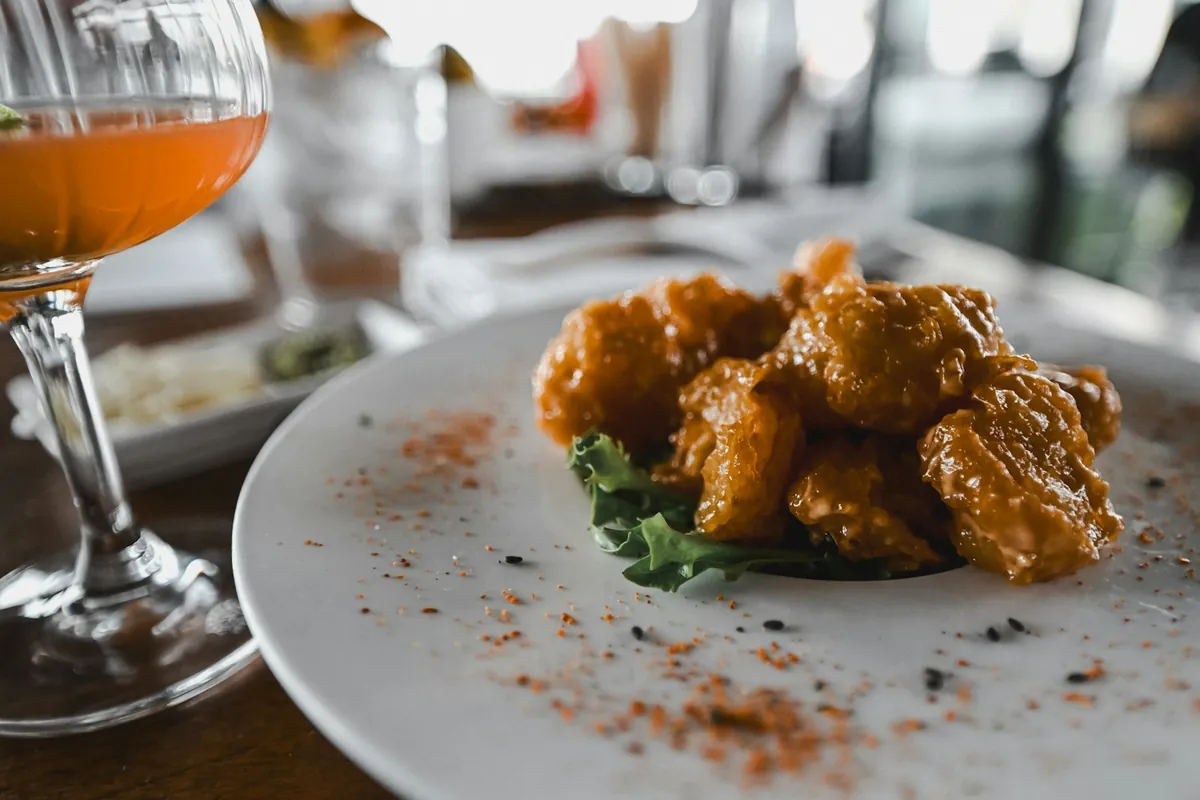
Teriyaki holds up better than most appetizers, because there is no coating to soften. What it loses is heat: the glaze is at its best warm, and it stiffens noticeably as it cools, going from glossy to tacky.
That makes it fine for a short trip and mediocre for a long one. It also reheats acceptably, which almost nothing else on the appetizer page does — a few seconds of direct heat brings the glaze back. Our guide to pickup or delivery covers the rest of the menu.
One practical note: the skewers are usually bamboo and are not always packed carefully. Check before you hand a portion to a child.
Frequently asked questions
What does teriyaki mean?
It describes a Japanese cooking method rather than a sauce. Teri refers to the shine a glaze gives and yaki means grilled or broiled, so teriyaki is food cooked over direct heat while being brushed with a sweet soy-based glaze.
Why is teriyaki on a Chinese menu?
Because American Chinese menus have always taken on dishes customers recognize and ask for — the same reason they carry crab rangoon and pu pu platters. It also suits the kitchen: the marinade and skewers can be prepared in advance and cook quickly.
Is teriyaki spicy?
No. Teriyaki glaze is sweet and savory with no chili in it at all. It is one of the safest things to order for someone who avoids heat, and one of the reliable choices for children.
What is in teriyaki sauce?
Traditionally soy sauce, mirin, sake and sugar, reduced until thick. Restaurant versions vary and many use no alcohol at all. If you need to know about a specific ingredient, including wheat in the soy sauce, ask the restaurant.
Is teriyaki healthier than fried appetizers?
We would not make a nutrition claim, but it is the only item on that part of the menu cooked over direct heat rather than in oil, so it is not deep fried. The glaze does contain sugar. For nutrition information, ask the restaurant.
The short version
A Japanese technique, a sweet soy glaze, and on a Chinese menu almost always small skewers of beef or chicken sold five to an order.
Grilled rather than fried, sweet rather than spicy, eaten with your hands, and best while still warm.
Teriyaki in Fayetteville
China King lists beef teriyaki with the appetizers and teriyaki chicken with the fried foods.
Sources
- Teriyaki — on the technique, the name and the traditional sauce.
- Britannica: teriyaki — background on the cooking tradition teriyaki comes from.