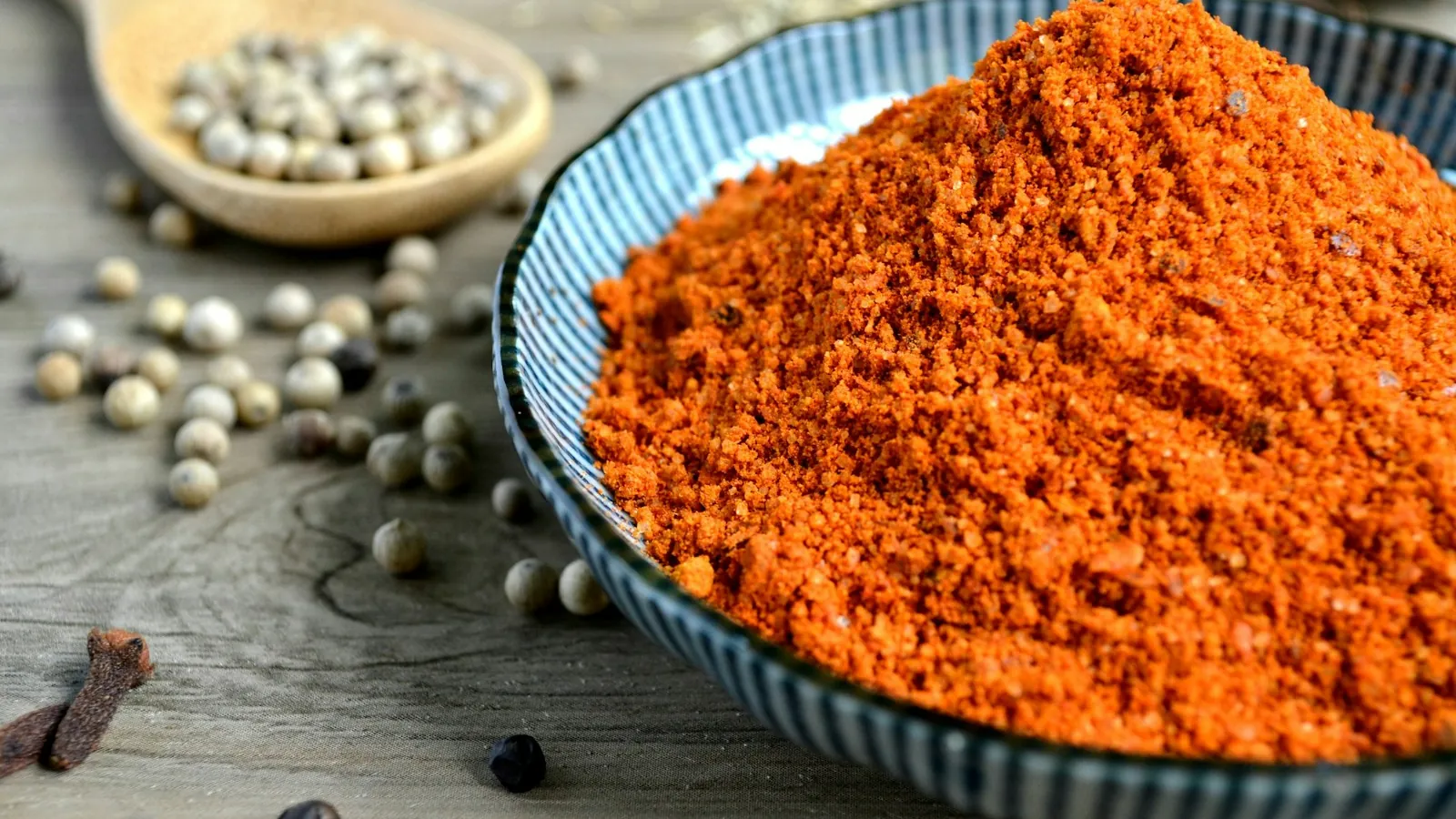
Five spice is the one seasoning in Chinese cooking with a name that tells you almost nothing. It is not five spices in any fixed sense, it is not used in most dishes on a takeout menu, and the ingredient people react to most strongly is the one they cannot name.
Five spice is a ground blend built around star anise, cinnamon or cassia, cloves, fennel seed and Sichuan peppercorn. Star anise dominates, giving the licorice note people either love or immediately object to. It is used mostly in roasted and braised meats rather than stir-fries.
What is actually in it
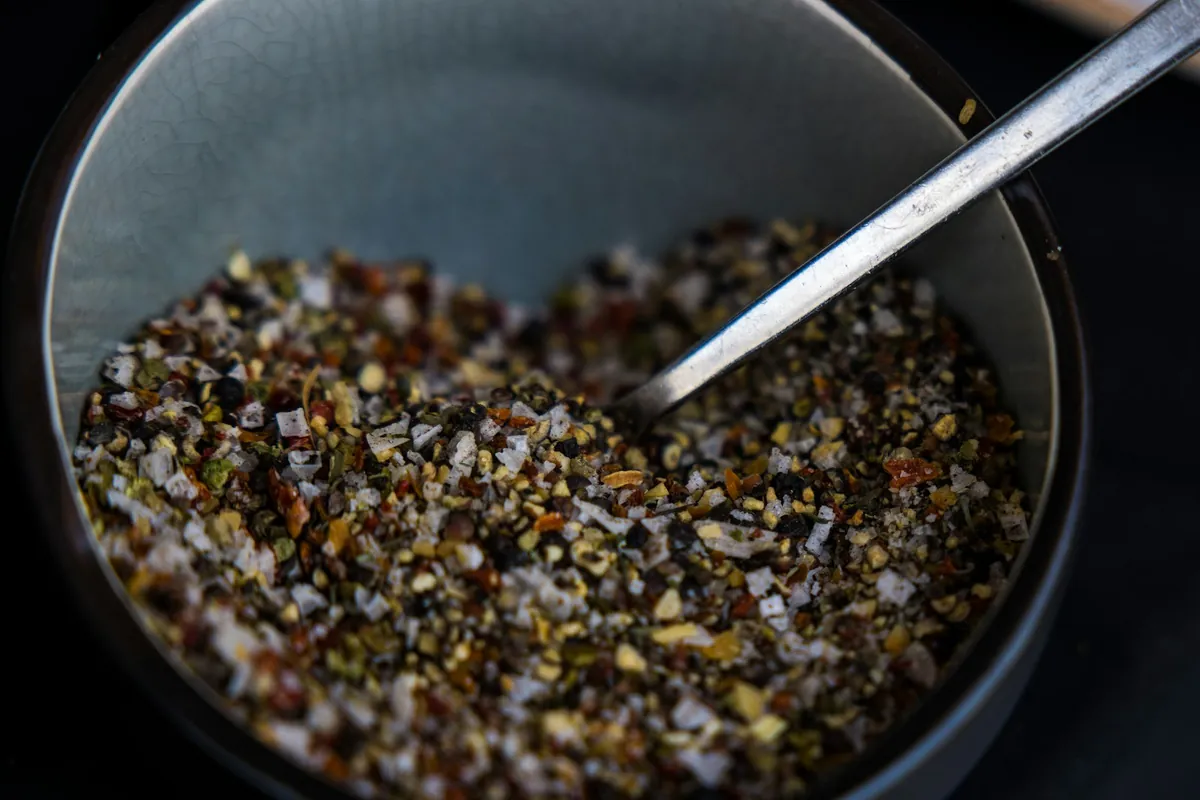
The classic five, though the blend is a family rather than a recipe.
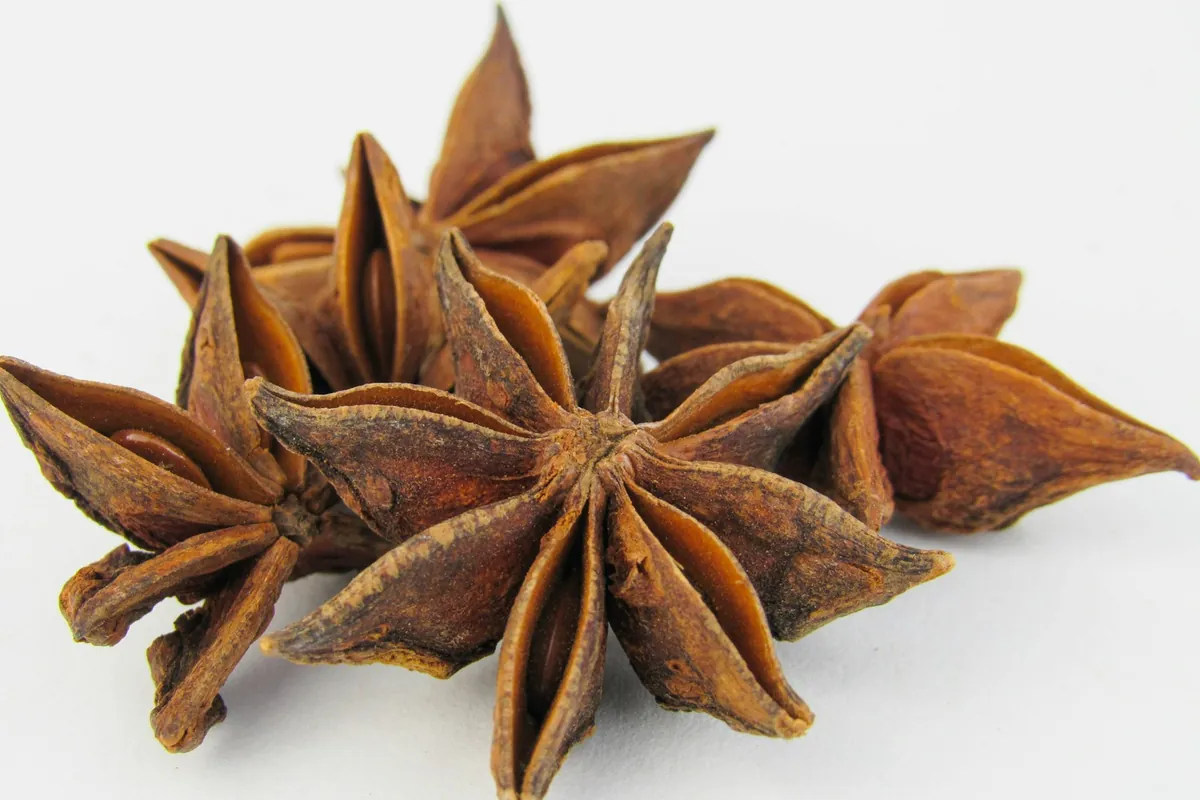
Star anise is the dominant one, and the reason the blend tastes the way it does. It is a star-shaped pod, unrelated to the anise seed used in European baking despite the shared licorice character.
Cassia or cinnamon brings warmth and a faint sweetness. Cassia is the more common of the two in Chinese cooking and is stronger and blunter than the cinnamon most Western kitchens stock.
Cloves add depth and a slight numbing warmth of their own. They are potent enough that a small imbalance here throws the whole blend.
Fennel seed reinforces the licorice direction and adds a green, grassy edge.
Sichuan peppercorn contributes the tingle rather than heat — it is not a chili and is not hot. Our guide to Szechuan, Hunan and Kung Pao covers that sensation where it appears in dishes.
Regional versions swap in ginger, white pepper, licorice root or dried orange peel, and some blends contain six or seven ingredients while keeping the name. “Five” is closer to a concept than a count — it echoes the five elements of Chinese philosophy and the five basic tastes.
What it tastes like
Warm, sweet-edged, aromatic and faintly medicinal, with licorice at the front. It is assertive in a way that no other common Chinese seasoning is: a quarter-teaspoon changes a dish, and a teaspoon dominates it.
People divide on it sharply, and the dividing line is almost always star anise. If licorice, aniseed or fennel is a flavor you actively dislike, five spice will not win you over — that note is structural rather than incidental.
| Seasoning | Character | Used | Assertive? |
|---|---|---|---|
| Five spice | Warm, licorice, aromatic | Roasts, braises, marinades | Very |
| Soy sauce | Salty, savory | Nearly everything | Moderate |
| Toasted sesame oil | Nutty, aromatic | Finishing only | Very |
| White pepper | Earthy, sharp | Soups, light dishes | Moderate |
| Ginger and garlic | Pungent, fresh | Nearly every stir-fry | Moderate |
| Chili and Sichuan pepper | Hot; tingling | Spicy dishes only | Very |
Note the third column. Five spice is not a general-purpose seasoning, and that is the point most home cooks miss when they buy a jar and start adding it to stir-fries.
Where it appears on a menu
Less often than its fame suggests, and almost never in the dishes people associate with Chinese takeout.
Five spice belongs to slow cooking: roasted meats, braises, marinades and cured items. Roast pork marinades commonly include it, which means it is present in a great many dishes on an American Chinese menu without being announced — our guide to roast pork covers how widely that pork travels across a menu.
What it is generally not in: the brown-sauce stir-fries, the battered sweet chicken dishes, the fried rice or the noodle sections. Those are built on soy, garlic, ginger and sugar — our guide to Chinese sauces covers what actually flavors them.
So if you taste licorice in a dish, it usually came from a marinade applied hours earlier rather than from the wok.
Cooking with it at home
Works well
- Rubbed onto pork or duck before roasting
- In a braise, with soy and sugar
- In a marinade, given hours to work
- A pinch in a rich, dark sauce
Works badly
- Shaken into a quick stir-fry
- In any delicate or light dish
- Alongside sweet-and-sour flavors
- In quantity — it takes over
Two practical notes. Buy it in small quantities, because ground spice blends lose their aromatics within months and a tired five spice tastes dusty rather than warm. And add it early rather than at the end — unlike sesame oil, it needs heat and time to integrate, and sprinkling it over a finished dish tastes raw.
If you cannot find it, a rough substitute is star anise plus cinnamon and a little clove, ground together. It will not be the same, but it will be in the right direction. Our guide to cooking oils covers the other pantry decision that matters more than most people expect.
The Sichuan peppercorn question
Worth separating out, because it is the ingredient most often misunderstood.
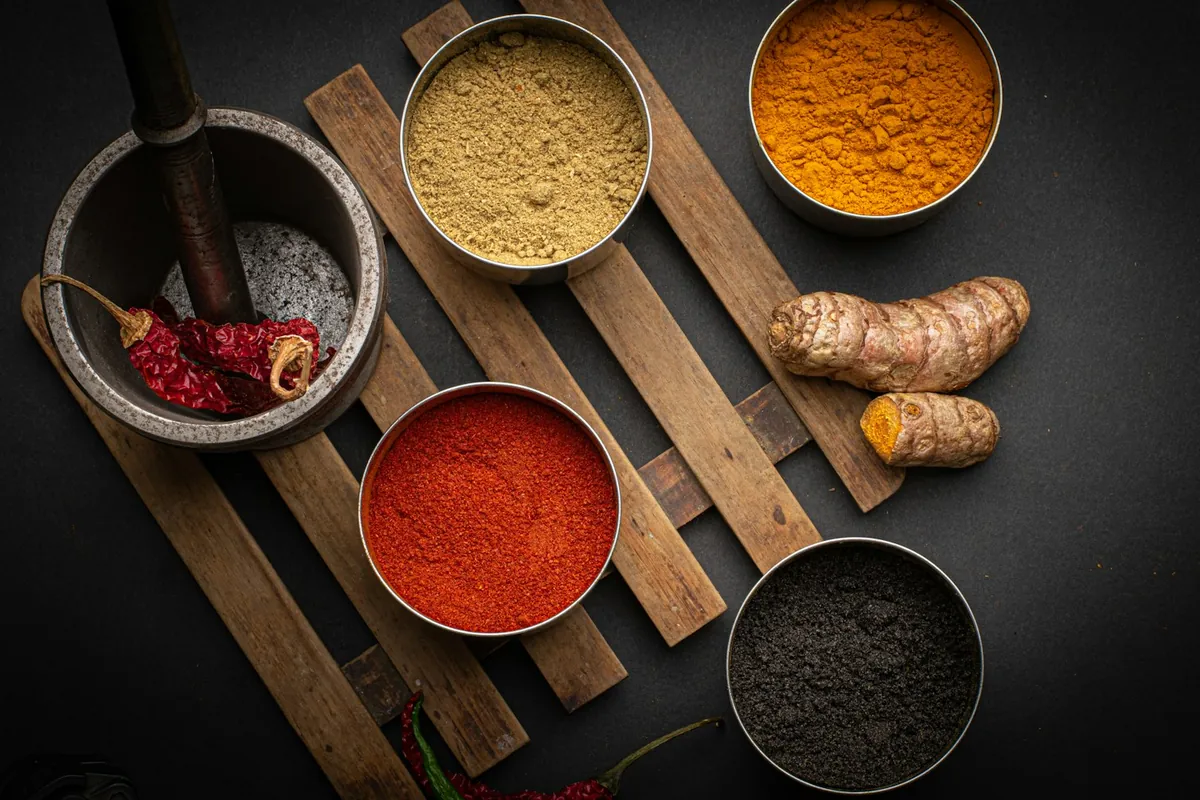
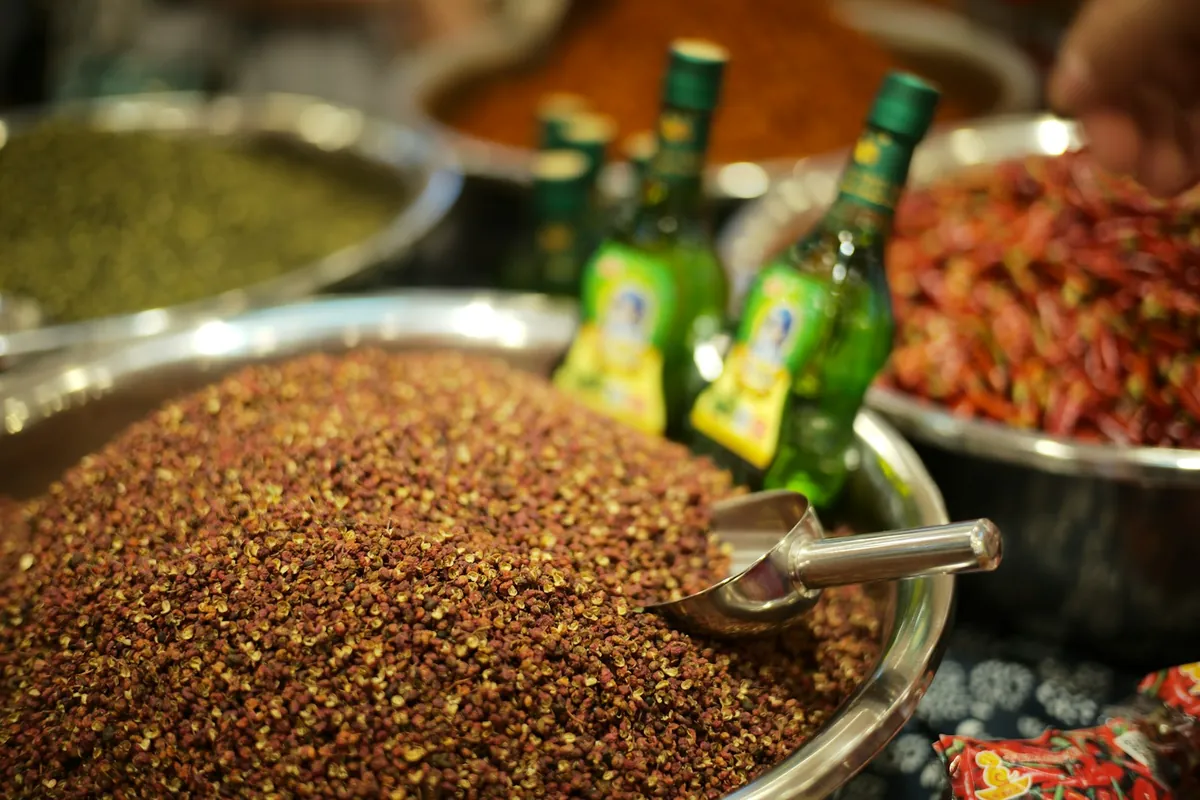
Sichuan peppercorn is not a peppercorn and not a chili. It is the husk of a berry from a citrus relative, and it produces a distinctive tingling numbness on the lips and tongue rather than heat. The sensation has a name in Chinese — ma — and it is treated as a separate axis from spiciness entirely.
In five spice it appears in small enough quantity that most people never register the tingle. In a Sichuan dish it is the main event. That is why a blend containing it does not make food spicy.
It is also worth knowing that the citrus family connection is real: for anyone who reacts to citrus, this is a question worth asking about rather than assuming, alongside any other ingredient concern.
Frequently asked questions
What is Chinese five spice made of?
Classically star anise, cassia or cinnamon, cloves, fennel seed and Sichuan peppercorn, ground together. Regional versions swap in ginger, white pepper, licorice root or dried orange peel, and some blends contain more than five ingredients while keeping the name.
What does five spice taste like?
Warm, aromatic and faintly medicinal, with licorice at the front from the star anise. It is assertive: a quarter-teaspoon changes a dish and a teaspoon dominates it. People who dislike aniseed flavors rarely come round to it.
Is five spice spicy?
No. There is no chili in it. The Sichuan peppercorn produces a tingling numbness rather than heat, and in a five spice blend it is present in small enough quantity that most people never notice it at all.
Which Chinese dishes use five spice?
Mostly roasted and braised meats, marinades and cured items rather than stir-fries. Roast pork marinades commonly include it, so it turns up across a menu without being announced. The brown-sauce dishes and fried rice generally do not use it.
What can I use instead of five spice?
Star anise with cinnamon and a little clove, ground together, gets you in the right direction without being the same thing. There is no close single-spice substitute, because the licorice note from star anise is what defines the blend.
The short version
Star anise, cinnamon, cloves, fennel and Sichuan peppercorn, with star anise doing most of the talking. Assertive enough that a quarter-teaspoon is a decision.
It belongs in roasts, braises and marinades — not shaken into a stir-fry at the end.
Order from China King
Call with any ingredient question, including about spices and marinades.
Sources
- Five-spice powder — on the blend, its variations and the meaning of the name.
- Britannica: star anise — on the pod and its distinction from anise seed.