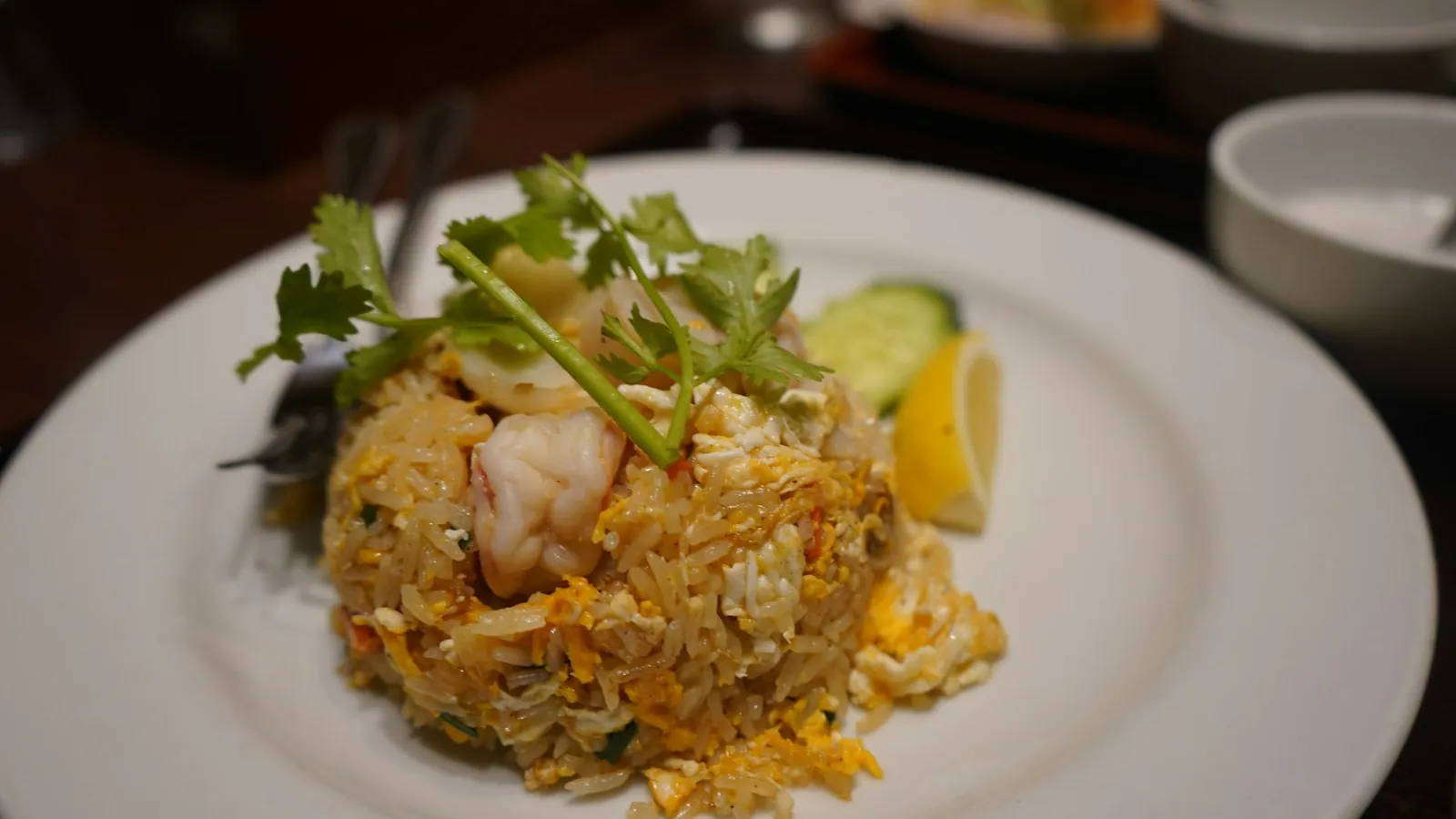
Seafood is the part of a Chinese menu people order least and ask about most. Shrimp appears in more dishes than any other protein, and the preparations range from the lightest thing on the menu to the heaviest.
Shrimp shows up three ways: stir-fried in a sauce (the seafood section), battered and deep-fried (the fried appetizer list), and steamed (the lightest option on most menus). The same sauces used for beef and chicken are all available with shrimp, so if you know a sauce you like, you can order it this way.
The stir-fried shrimp dishes
This is the main seafood section, and it works exactly like the beef and chicken sections: shrimp plus a vegetable or a sauce. Shrimp cooks in under two minutes, so these dishes come out of the kitchen fast.
- Shrimp with broccoli or snow peas — light, mild, the easiest entry point.
- Shrimp with garlic sauce — aromatic and savory with a little heat.
- Shrimp with oyster sauce — deeper and richer; note that oyster sauce is also shellfish.
- Shrimp with mushrooms — earthier and more savory.
- Hunan or Szechuan shrimp — the spicy versions.
Because shrimp has a delicate flavor, it works better with lighter sauces than with heavy ones. A garlic or white-style sauce lets the shrimp taste like shrimp; a very dark, sweet sauce tends to bury it.
Shrimp with lobster sauce
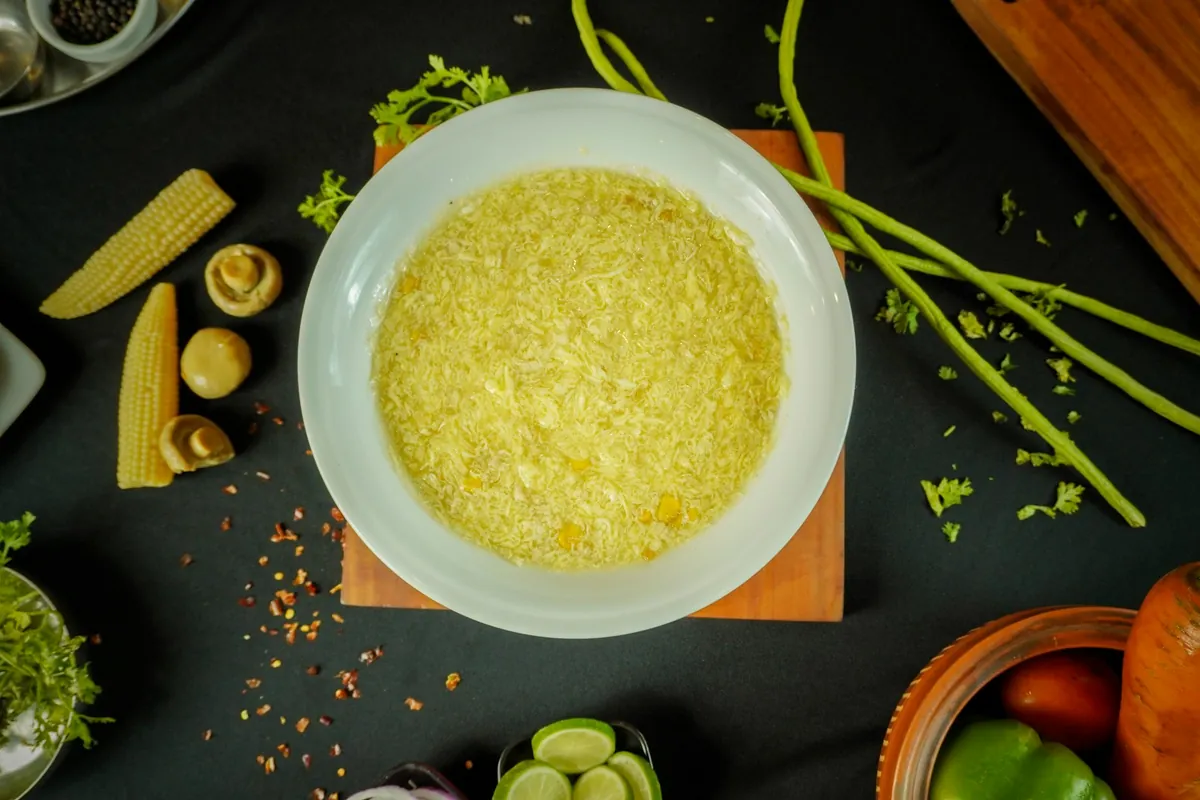
Worth pulling out separately, because the name misleads almost everyone. Lobster sauce contains no lobster. It is a mild, pale savory sauce made with broth, garlic, ginger, scallion and fermented black beans, thickened with starch and finished with beaten egg.
The name describes a cooking method once used for lobster. When lobster proved too expensive for everyday restaurant menus in North America, shrimp was substituted and the sauce name stayed. It is one of the mildest dishes on the menu and a good choice for a cautious eater — though it does contain egg. Our guide to Chinese sauces covers the rest of them.
The fried seafood
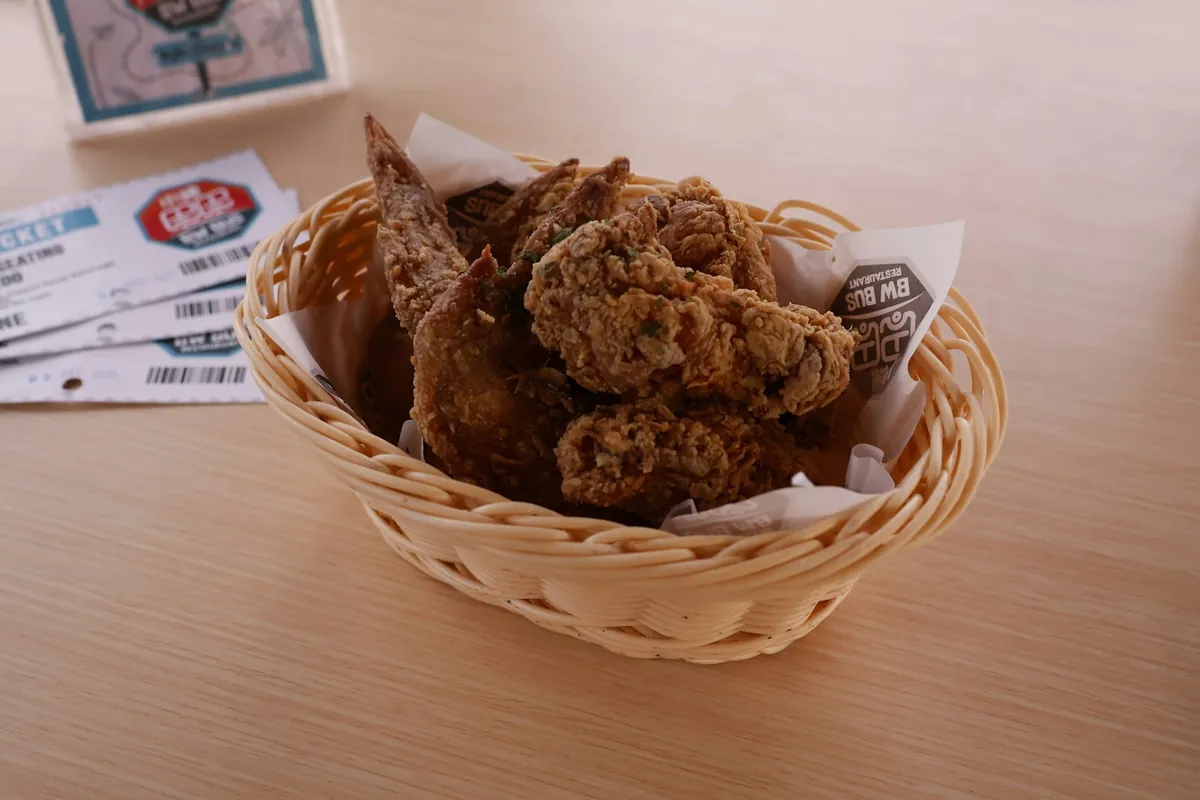
A separate part of most menus holds the battered, deep-fried seafood: fried shrimp, fried jumbo shrimp, fried scallops, fried crab stick. These are appetizers or snacks rather than entrees, and they behave completely differently.
They are the least forgiving items on a takeout order. A crisp coating in a closed container softens within minutes, so if you are ordering fried seafood, eat it first and leave the container lid open on the way home if you can.
Steamed seafood: the overlooked option
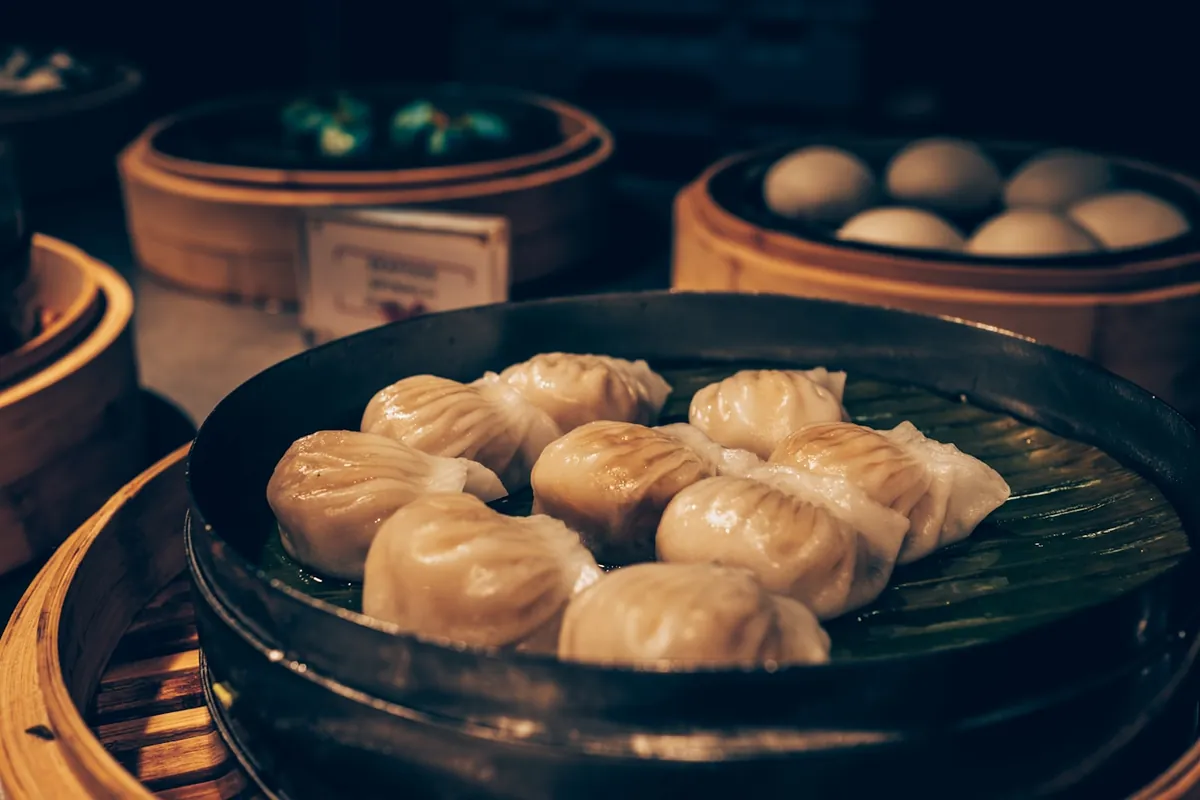
Most Chinese menus have at least one steamed seafood dish, and it is usually the lightest thing available — no batter, no heavy sauce, minimal oil. Steamed shrimp and steamed scallop with broccoli are the typical examples.
If you want a genuinely light plate rather than a lighter-than-usual one, this is where to look. It is also the preparation that shows the quality of the seafood most clearly, because there is nothing to hide behind.
Side by side
| Preparation | Texture | Weight | Travels | Best for |
|---|---|---|---|---|
| Stir-fried in sauce | Firm, coated | Medium | Well | A main dish with rice |
| With lobster sauce | Soft, silky | Light to medium | Reasonably | A mild, gentle option |
| Battered and fried | Crisp outside | Heaviest | Poorly | Eating straight away |
| Steamed | Clean, tender | Lightest | Well | The lightest plate on the menu |
Scallops, crab and the combination dishes
Beyond shrimp, most menus carry a smaller range: scallops, crab meat, and combination dishes that put several seafoods together. Those combinations — often called seafood delight or triple delight — are the efficient way to try more than one thing in a single order.
One caution on crab: many Chinese menus use crab stick, a processed seafood product, rather than crab meat, and the two are not the same. If it matters to you, ask which one a dish uses.
Shellfish allergies: read this part
Shellfish is one of the major food allergens, and a Chinese kitchen is a difficult environment for avoiding it. Shrimp appears across dozens of dishes. Oyster sauce is used well beyond the seafood section. Fryers are shared between fried shrimp, fried chicken and fried appetizers. Woks are used for one dish after another through a service.
That means a dish without shellfish in its name is not necessarily free of shellfish contact. If you have a shellfish allergy, tell the restaurant directly and specifically rather than choosing by dish name — the FDA’s guidance on food allergies explains why prepared food needs to be checked rather than assumed safe.
Ordering seafood well
First seafood order
- Shrimp with broccoli or snow peas — mild and familiar
- Shrimp with lobster sauce if you want the gentlest option
- Plain rice rather than fried
- Eat any fried seafood first
Ready for more
- Shrimp with garlic sauce for aroma and a little heat
- Hunan or Szechuan shrimp for real spice
- A seafood combination to try several at once
- Steamed scallop with broccoli for the lightest plate
Frequently asked questions
Does shrimp with lobster sauce contain lobster?
No. Lobster sauce is a mild savory sauce made with broth, garlic, ginger, scallion and fermented black beans, finished with egg. The name refers to a cooking method once used for lobster, not to an ingredient in the dish.
Which Chinese seafood dish is the lightest?
A steamed dish, such as steamed shrimp or steamed scallop with broccoli. There is no batter and no heavy sauce, which makes it the lightest preparation on most menus and the one that shows the seafood most clearly.
Is Chinese restaurant crab real crab?
Sometimes it is crab meat and sometimes it is crab stick, a processed seafood product. The two taste and behave differently, so if it matters to you, ask which one a particular dish uses before ordering.
Can I order Chinese food safely with a shellfish allergy?
Speak to the restaurant directly rather than choosing by dish name. Shrimp appears across many dishes, oyster sauce is used beyond the seafood section, and woks and fryers are shared, so a dish without shellfish in its name may still involve contact.
What is seafood delight?
A combination dish putting several seafoods together in one order, typically with vegetables in a light sauce. It is the efficient way to try more than one seafood without ordering several separate dishes.
The short version
Shrimp stir-fried in a sauce for a standard main, lobster sauce for the mildest option, steamed for the lightest, battered and fried for eating immediately. Lighter sauces suit shrimp better than heavy ones.
And if there is a shellfish allergy at the table, have that conversation with the restaurant rather than reading the menu for clues.
Seafood in Fayetteville
China King lists ten seafood dishes plus fried shrimp, scallops and seafood combinations on Walter Reed Road.
Sources
- Lobster sauce — on why shrimp replaced lobster and what the sauce contains.
- U.S. Food and Drug Administration: food allergies — cited above on shellfish and cross-contact.