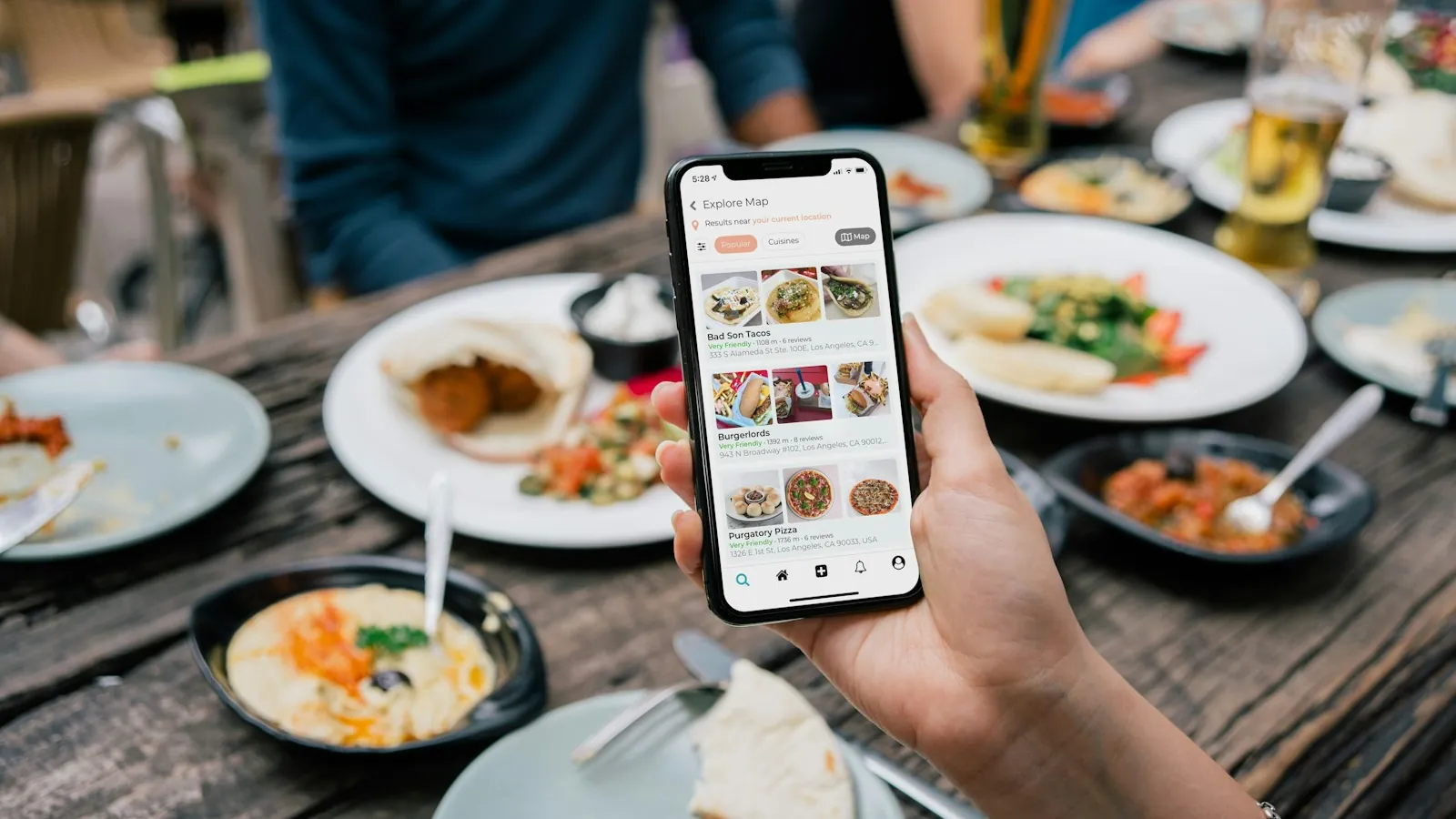
There are now two ways to have Chinese food delivered: through the restaurant, or through an app that sits between you and the restaurant. They look similar from your side of the screen and they are structurally quite different, and the differences are worth knowing before you decide which to use.
Apps are better for discovery, tracking and trying somewhere new. Ordering direct is usually cheaper for you and considerably better for the restaurant, since third-party platforms commonly charge restaurants commissions in the region of 15–30% of the order. For a place you already like, order direct.
What the apps genuinely do well
Worth saying properly, because the criticism of delivery platforms often skips it.
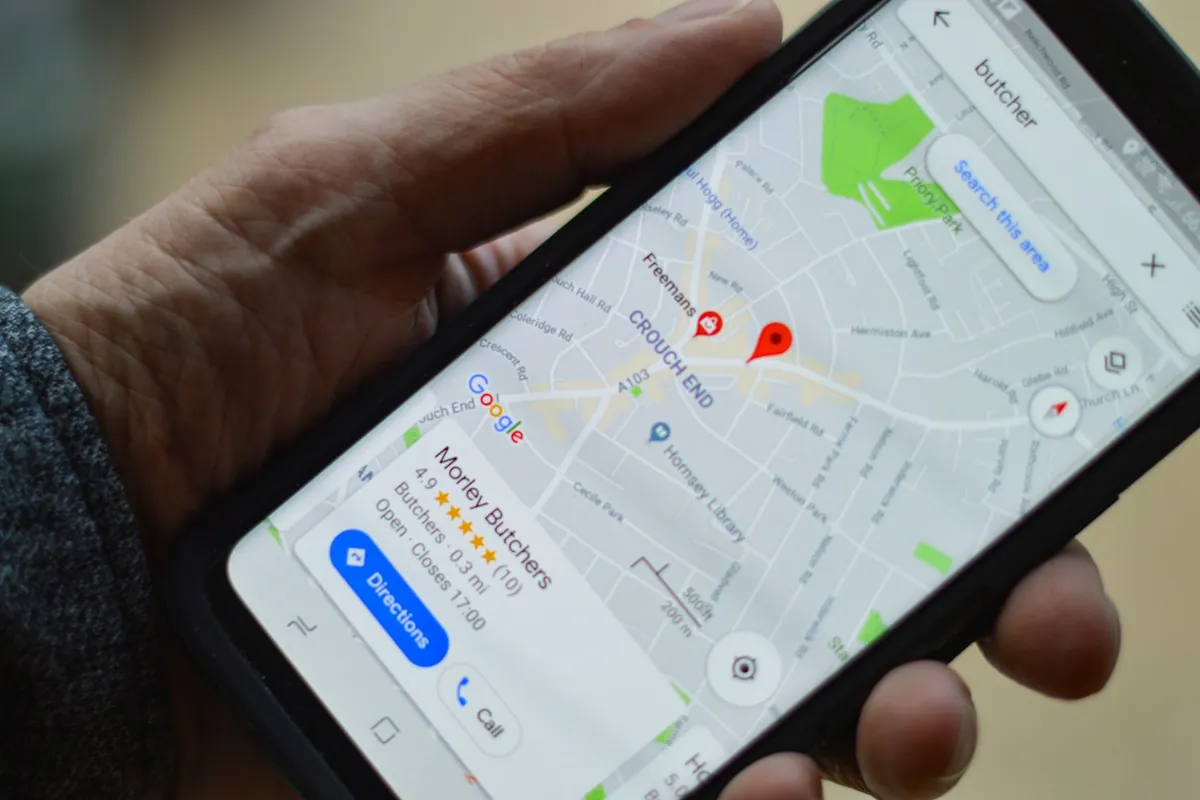
Discovery. If you do not know what is near you, an app is a far better tool than a search engine. It shows what delivers to your address right now, with photos and ratings, which is a real service.
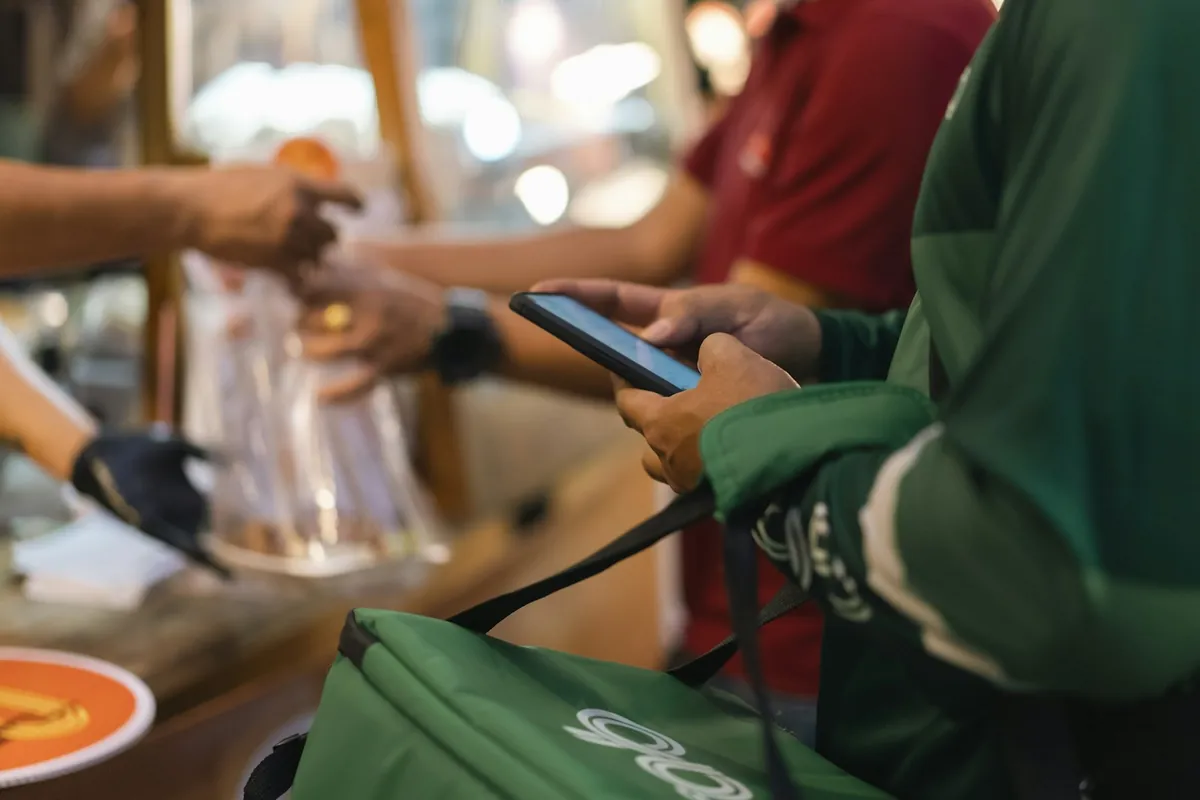
Logistics. Live tracking, a driver network, and a support channel when something goes wrong are genuinely valuable. Most small restaurants cannot build any of that, and a kitchen with no drivers of its own can reach customers it otherwise could not.
One account, one checkout. Saved addresses and payment across every restaurant in a city is convenient in a way that individually calling places is not.
None of that is marketing. Those are real problems solved, and it is why the platforms grew.
What it costs, and who pays
The part that is less visible from the app screen.
Third-party delivery platforms charge restaurants a commission on each order — widely reported across the industry in the region of 15–30%, varying by platform and by the tier of service a restaurant signs up for. Some jurisdictions have capped these rates, at least temporarily, which is itself an indication of how contested they have been.
On top of that, you generally pay a delivery fee, a service fee and often a small-order fee, and menu prices on platforms are frequently marked up above the restaurant’s own prices to offset the commission.
| Through an app | Direct from the restaurant | |
|---|---|---|
| Menu prices | Often marked up | The restaurant’s own prices |
| Service fee | Usually yes | No |
| Delivery fee | Usually yes | Varies; sometimes none |
| Restaurant commission | Commonly 15–30% | None |
| Who handles a problem | The platform | The restaurant |
| Who gets your details | The platform | The restaurant |
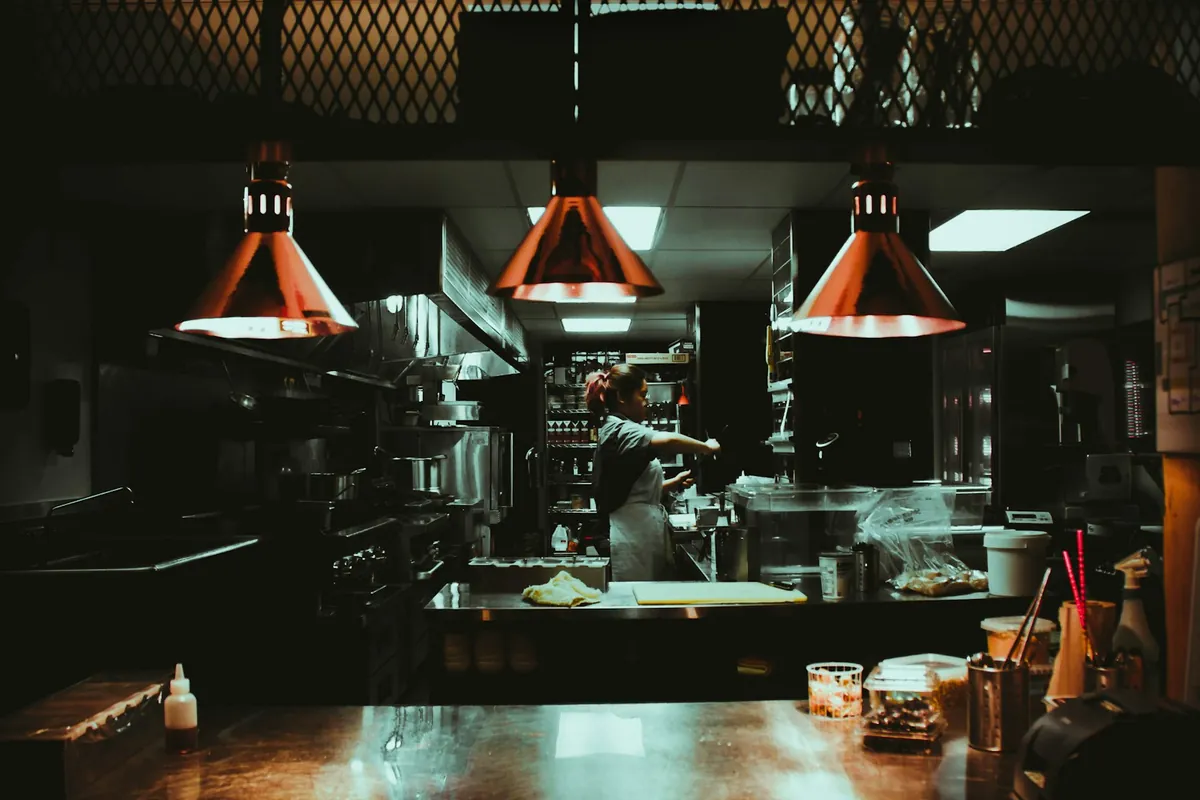
The practical upshot for you is the top three rows: the same food from the same kitchen frequently costs noticeably more through a platform. The practical upshot for a small restaurant is the fourth row, and on thin margins it is the difference between an order being worth taking and barely being worth taking.
Where the food itself is affected
One genuine quality point, separate from the money.
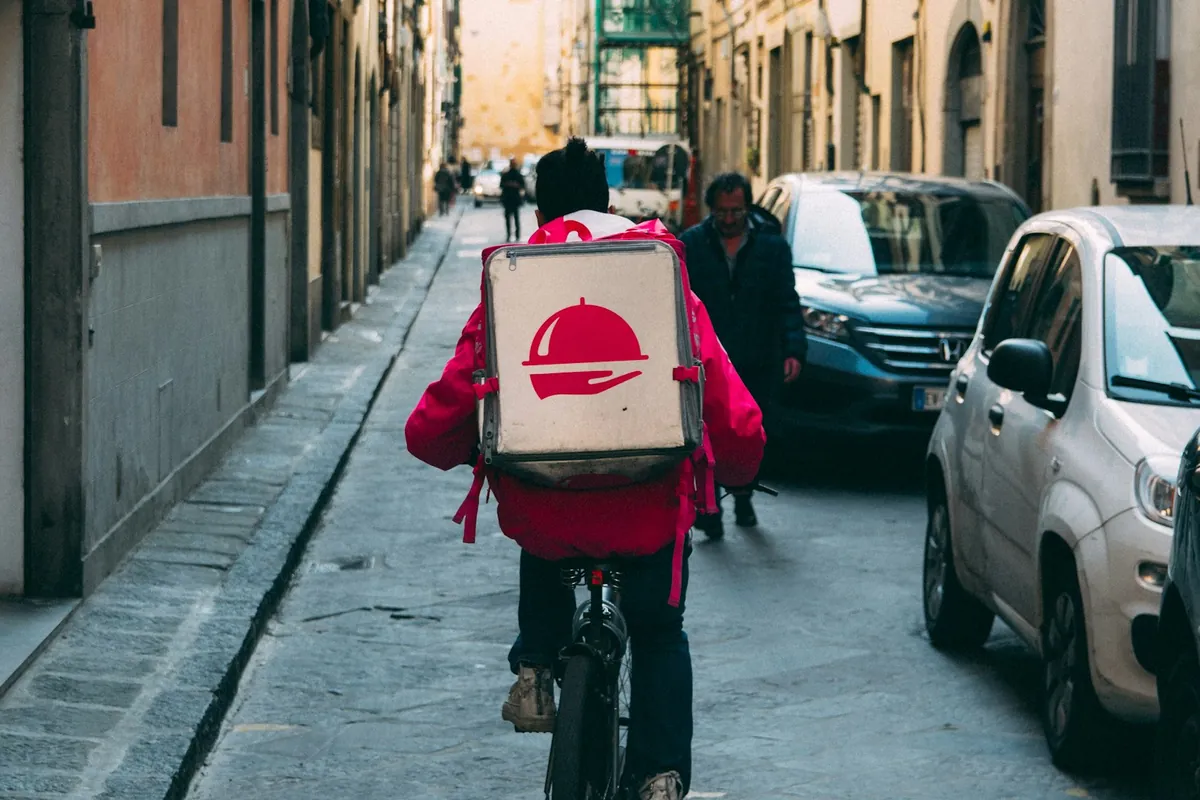
An app order usually involves a driver who is not employed by the restaurant, may be carrying several orders, and is routed by an algorithm rather than by proximity alone. That tends to add time, and time is the enemy of most of this menu — our guide to pickup or delivery covers which dishes survive a longer trip and which do not.
If you are ordering sauced dishes, rice or noodles, the extra minutes cost you little. If you are ordering anything battered or crisp, they cost you a lot. That is an argument for collecting it yourself more than an argument about platforms.
Special requests also travel less reliably through a third party, since the note passes through an extra system. Our guide to asking for changes makes the same point about online ordering generally: if a modification matters, phone it.
Which to use, honestly
Use an app when
- You do not know what is nearby
- You want live tracking
- The restaurant has no delivery of its own
- You are ordering to an unfamiliar address
Order direct when
- You already know the restaurant
- You want the lowest price
- You are collecting it yourself
- Your order has modifications or questions
The honest summary is that apps are a discovery tool and direct ordering is a loyalty tool. Using an app to find a place and then ordering direct from it afterwards is not a trick — it is roughly what both parties would prefer, and it is what a lot of people already do.

If you want to help a small restaurant
Four things, in rough order of usefulness, and none of them costs you anything.
Order direct. The commission is the single biggest drain on a small kitchen’s margin.
Collect it yourself where practical. That removes delivery cost from the equation entirely and gets you better food, since the clock starts later.
Leave a review naming the dish. “The rib tips were excellent” is far more useful to another customer than five stars alone, and our guide to judging a Chinese restaurant covers why specific reviews carry more signal.
Order at quieter times if you can. A Tuesday order is worth more to a kitchen than the same order during a Friday rush, when it may be turning business away regardless.
Frequently asked questions
Is it cheaper to order direct or through a delivery app?
Usually direct. Platform menu prices are frequently marked up to offset commission, and service fees are added on top. The same food from the same kitchen commonly costs noticeably more through an app than through the restaurant.
How much do delivery apps charge restaurants?
Commissions are widely reported in the region of 15–30% of the order, varying by platform and service tier. Some jurisdictions have capped these rates. On the thin margins a small restaurant runs, that is a significant share of an order’s value.
Are delivery apps worth using at all?
Yes, for what they are good at: finding somewhere new, live tracking, and reaching restaurants that have no drivers of their own. They solve real problems. For a place you already know and like, direct ordering is the better route.
Does app delivery affect the food?
It can. Drivers are often carrying several orders and routed algorithmically, which tends to add time. Sauced dishes, rice and noodles cope fine; anything battered or crisp does not. Collecting it yourself is the real fix.
Do special requests get through on delivery apps?
Less reliably, because the note passes through an extra system before reaching the kitchen ticket. If a modification genuinely matters — an allergy, sauce on the side, spice level — phone the restaurant rather than typing it into a form.
The short version
Apps are good at discovery, tracking and reaching kitchens without drivers. They cost you more in fees and markups and cost the restaurant a commission commonly in the 15–30% range.
Find a place on an app if you need to. Once you know it, order direct.
Order from China King
Order online or call — direct is cheapest for you and best for us.
Sources
- Online food ordering — on how third-party platforms operate and charge.
- FTC: advertising guidance for small business — on truthful pricing and fee disclosure.