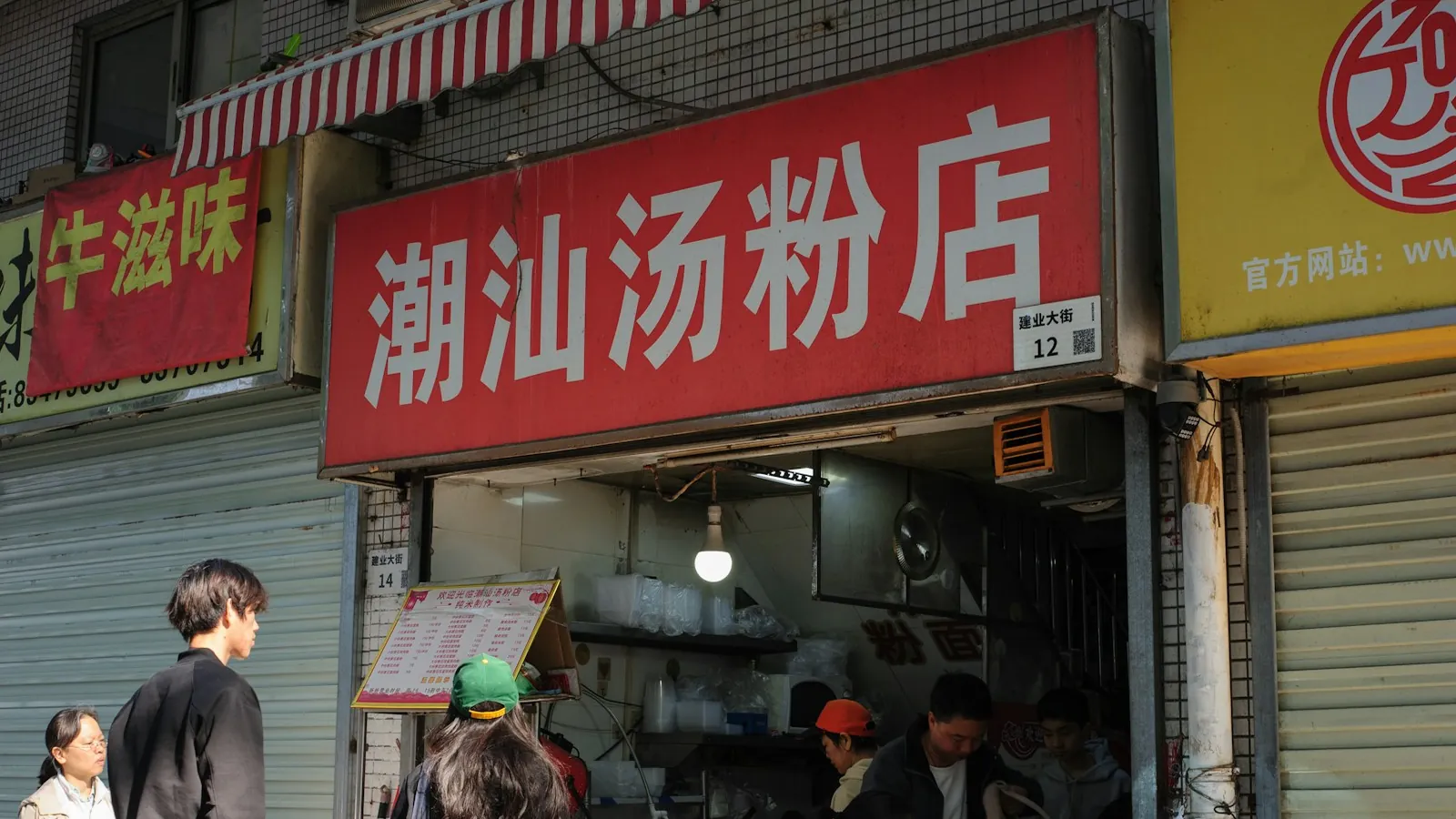
Everyone has a theory about how to spot a good Chinese restaurant, and most of the popular ones are unreliable. Some are worse than unreliable — they are proxies for class or ethnicity dressed up as culinary insight. There are real signals, and they are less romantic than the folklore.
The signals that actually work are about turnover, specificity and consistency: a busy kitchen, a menu that commits to something, food that arrives hot and fast, and reviews that name particular dishes. Decor, neighborhood and who else is eating there tell you very little.

The folk wisdom that does not work
Worth clearing out first, because these get repeated constantly.
“It’s good if it looks run-down.” This is the most persistent one and it is simply not a signal. Some excellent kitchens operate from tired rooms because rent is the constraint; some poor ones do too. Shabbiness correlates with the cost of the premises, not the skill of the cook.
“It’s good if Chinese people eat there.” This one deserves retiring. Chinese diners, like everyone else, choose restaurants for price, proximity and convenience as well as quality, and a Chinese-American takeout serves an American market by design. Using the ethnicity of the customers as a quality proxy is unreliable and a poor way to think.
“A long menu means it’s a bad restaurant.” Not for this cuisine. A long Chinese menu is a combinatorial artifact rather than an ambition problem — a few dozen components crossed against each other. Our guide to how takeout kitchens work explains why two hundred items is normal and not a warning.
“Photos on the menu are a bad sign.” Photos are a communication choice, often for a mixed-language customer base. They say nothing about the wok.
The signals that do work
| Signal | What it indicates | Reliability |
|---|---|---|
| Steady stream of orders | Fresh stock, high turnover, ingredients not sitting | High |
| Food arrives fast and hot | Cooked to order, prep is organized | High |
| Reviews naming specific dishes | Real repeat customers | High |
| Answers questions readily | Staff know the food | High |
| Fried items are actually crisp | Fryer at temperature, not overloaded | High |
| A section done unusually well | The kitchen has a specialty | Medium |
| Decor and neighborhood | Rent | None |
| Who the other customers are | Location and price | None |
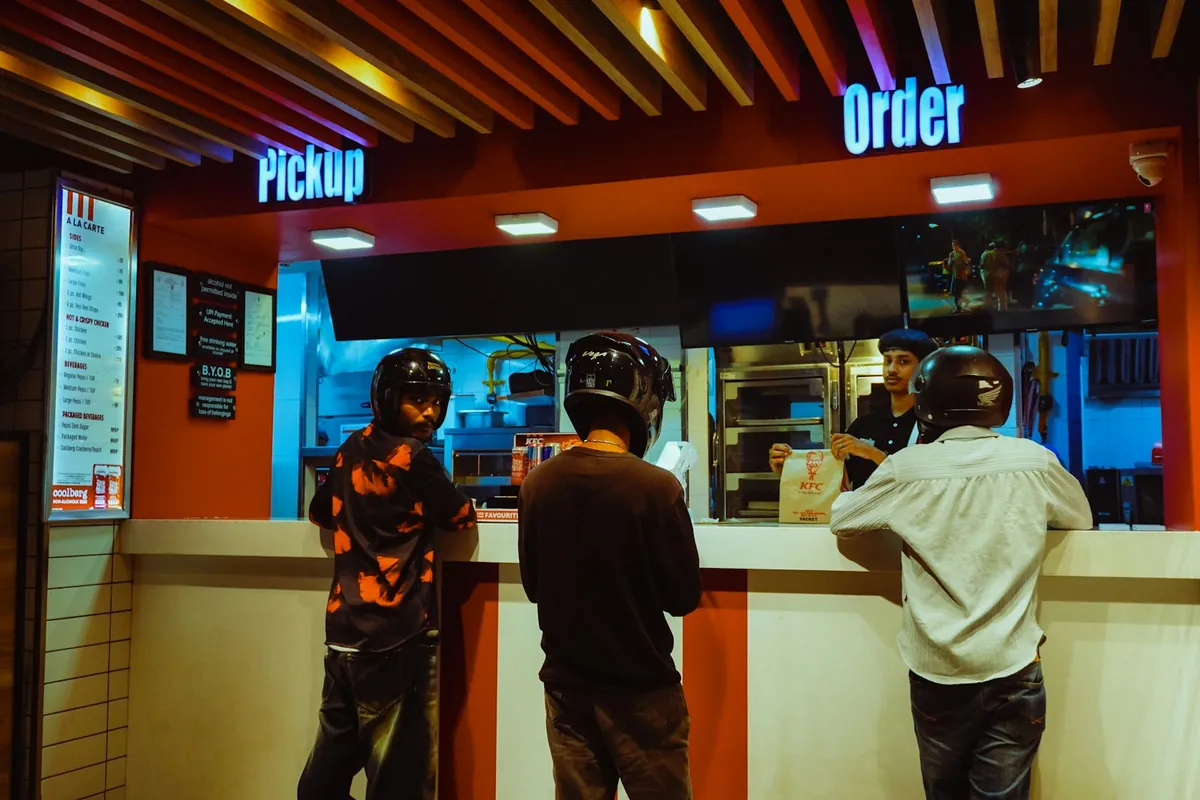
The top of that table has one thing in common: throughput. A kitchen turning over stock is cooking with fresher ingredients and has staff in practice, and that shows up in the food more reliably than anything visible from the street.
What to order to find out
If you want to test a place with one order, some dishes are far more diagnostic than others.
Order something fried and eat it immediately. A crisp egg roll or a properly fried wing tells you the fryer is at temperature and not overloaded. Greasy, heavy fried food is the single clearest sign of a kitchen under strain — our guide to cooking oils explains why that happens.
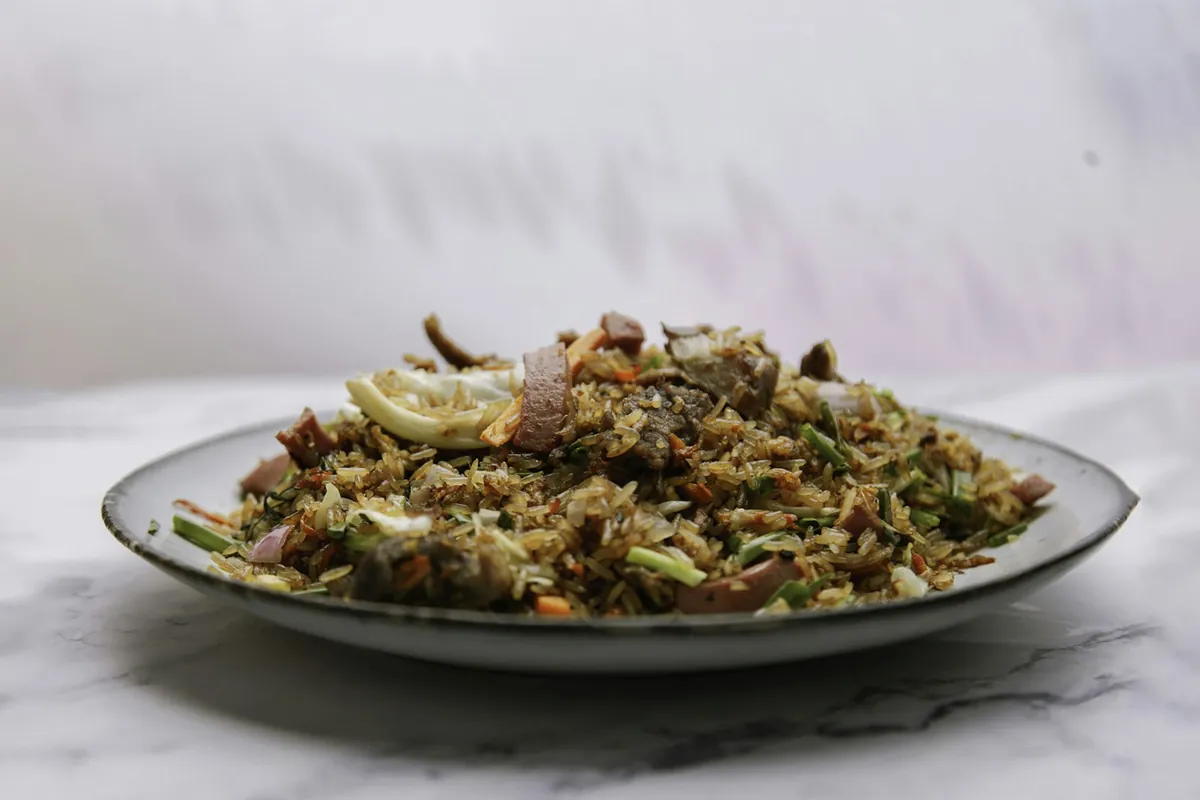
Order plain fried rice. It has nowhere to hide. Good fried rice has separate grains, some wok color, and seasoning through it rather than soy sauce poured over. Our guide to fried rice covers what to look for.
Order a vegetable dish. Vegetables reveal timing. If the broccoli still has bite and the snow peas are green rather than grey, someone is watching the wok.
What tells you least: the heavily sauced sweet dishes. A thick sweet glaze covers a multitude of sins, which is part of why those dishes are so consistent everywhere.
Reading reviews properly
Review scores for takeout restaurants are noisy, and the noise has a specific shape.
A great deal of one-star feedback on a takeout business is about delivery — late, cold, wrong address, missing item — which frequently reflects a third-party platform rather than the kitchen. Our guide to delivery apps versus ordering direct covers who is actually responsible for what.
Reviews worth weighing
- Ones that name a dish
- Ones from repeat customers
- Recent ones, over old ones
- Patterns repeated across many reviews
Reviews worth discounting
- Complaints purely about delivery timing
- Star ratings with no text
- Single outliers in either direction
- Anything about decor, for a takeout place
The most useful review is boring: someone who has ordered the same dish repeatedly and says it is consistent. Consistency is the hardest thing for a kitchen to achieve and the thing you actually want.

Asking questions is a test in itself
One underrated method: ask something specific and see what comes back.
“Is the Kung Pao spicy?” or “does the garlic sauce have heat in it?” are questions a kitchen that knows its food answers immediately and precisely. A vague answer is not proof of anything — the person on the phone may be new, or busy — but a confident, specific one is a genuine positive signal.
The same applies to allergy questions, with higher stakes. A restaurant that takes one seriously, asks which dish and mentions shared equipment is telling you something real — our guides to nuts on the menu and asking for changes cover what a good answer sounds like.
Give a place more than one order
The most common way people misjudge a restaurant is by ordering once, at the wrong time, and generalizing.
A first order placed at seven on a Friday tells you how a kitchen performs under maximum load. A Tuesday order tells you what it can actually do, and those can be genuinely different restaurants.
It is also worth ordering across the menu rather than repeating a favorite. A kitchen can be excellent at the brown-sauce section and indifferent at the fried one, and you will never find that out ordering General Tso’s every time.

Frequently asked questions
How can you tell if a Chinese restaurant is good?
Look for turnover and consistency: a steady stream of orders, food that arrives hot and fast, fried items that are genuinely crisp, staff who answer questions precisely, and reviews that name specific dishes. Decor and neighborhood tell you nothing.
Does a long menu mean a Chinese restaurant is bad?
No. A long Chinese menu is a combinatorial artifact — a few dozen prepped components crossed against each other — not evidence of an unfocused kitchen. Two hundred items is normal for this cuisine and says nothing about quality.
What should I order to test a new Chinese restaurant?
Something fried, eaten immediately, to check the fryer; plain fried rice, which has nowhere to hide; and a vegetable dish, which reveals timing. Avoid judging by the heavily sauced sweet dishes — a thick glaze covers a lot.
Are bad reviews of takeout restaurants reliable?
Often not. A large share of one-star feedback concerns delivery — late, cold, missing items — which frequently reflects a third-party platform rather than the kitchen. Weigh reviews that name dishes and describe repeat visits.
Is a run-down Chinese restaurant a good sign?
No, and it never was. The condition of a room reflects the cost of the premises rather than the skill of the cook. The same applies to using who else is eating there as a proxy — it is unreliable and a poor way to judge a business.
The short version
Judge by throughput and consistency, not by decor, neighborhood or who else is in the room. Test with something fried, plain fried rice and a vegetable dish.
Weigh reviews that name a dish. And give a place a Tuesday order before you decide.
Order from China King
Ask us anything about a dish — a specific answer is a fair test.
Sources
- FDA: Safe food handling — on holding food hot and safe serving practice.
- American Chinese cuisine — on how these menus and restaurants are structured.