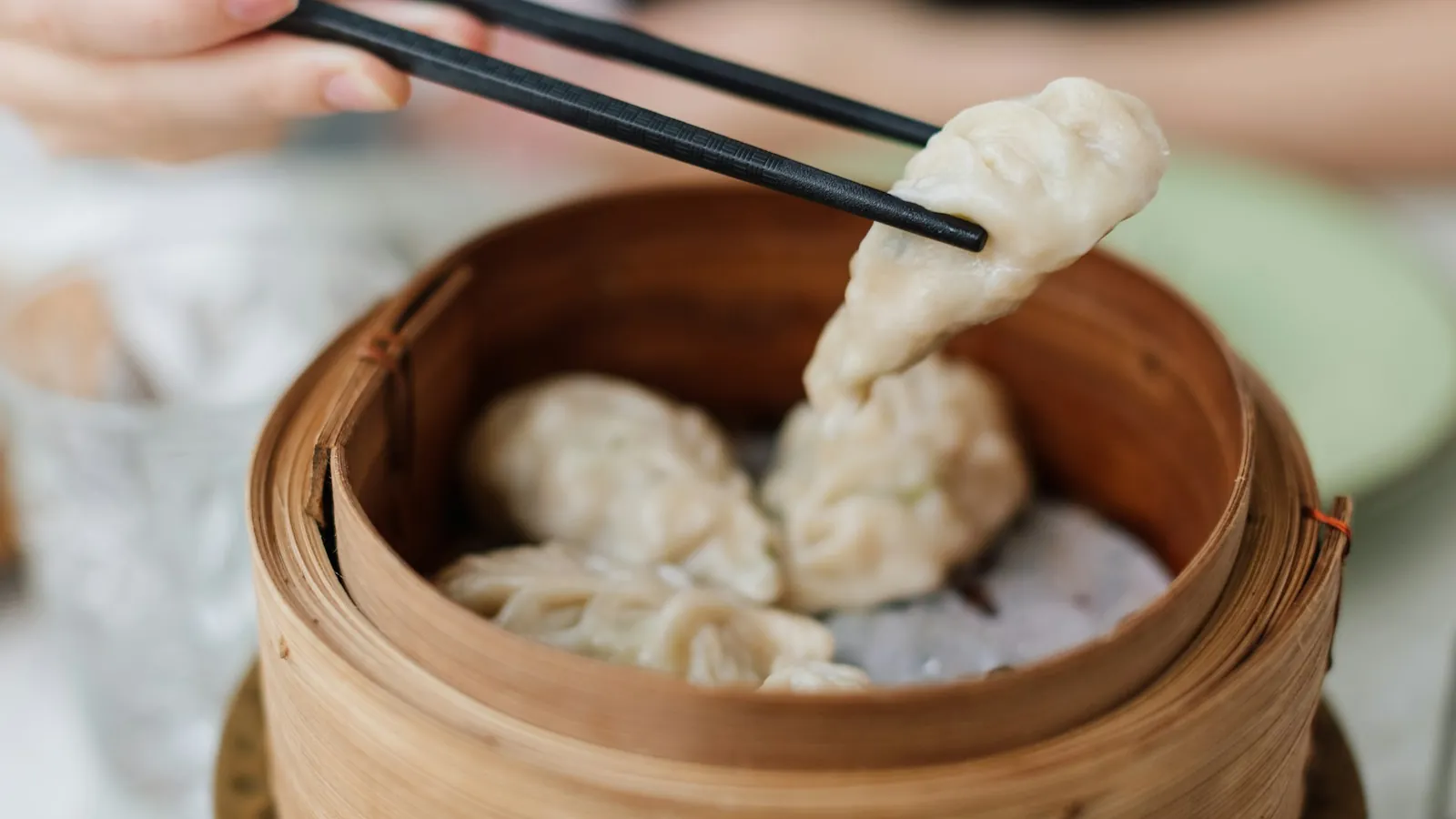
A soup dumpling is a small engineering trick disguised as food. There is hot broth inside a thin wrapper, it was not poured in, and the method for getting it there is more interesting than most cooking.
Soup dumplings — xiao long bao — are steamed dumplings containing hot broth as well as filling. The soup is added as chilled, solid jelly that melts during steaming. They are a Shanghai specialty, they are not on takeout menus, and the liquid inside is hot enough to burn.
How the soup gets inside
Nobody injects it, and it does not form by magic during cooking. The trick is temperature.
A rich stock is made from pork bones and skin, which is naturally high in collagen. Chilled, that stock sets into a firm jelly — the same thing that happens to good homemade chicken stock in a refrigerator. The jelly is diced and mixed into the raw meat filling while cold.
The dumpling is then wrapped around that cold mixture and steamed. As it heats, the jelly melts back into liquid, and by the time it reaches the table there is a spoonful of hot broth sitting inside the wrapper.
That is the entire method, and it explains everything else about the dish: why the wrapper has to be strong enough to hold liquid, why they must be assembled cold, and why they are served the moment they are cooked.
Eating one without hurting yourself
This is not a joke section. The broth inside is significantly hotter than the wrapper feels, because the wrapper cools in air while the liquid does not. Biting straight into one is how people burn the roof of their mouth, and it happens to almost everybody once.
The conventional method has four steps and takes about fifteen seconds.
| Step | What to do | Why |
|---|---|---|
| 1 | Lift it by the topknot, gently, onto a spoon | The pleated top is the strongest point; the base is not |
| 2 | Nip a small hole in the side | Releases steam and lets it cool |
| 3 | Sip the broth from the spoon | This is the part of the dish people come for |
| 4 | Eat the rest, with vinegar and ginger | The acidity cuts the richness |
Two additional notes. Use chopsticks gently — a torn dumpling loses its soup into the steamer and cannot be rescued. And the black vinegar with shredded ginger served alongside is not optional garnish; it is a structural part of the dish, and our guide to Chinese black vinegar covers why it works.
Where they come from
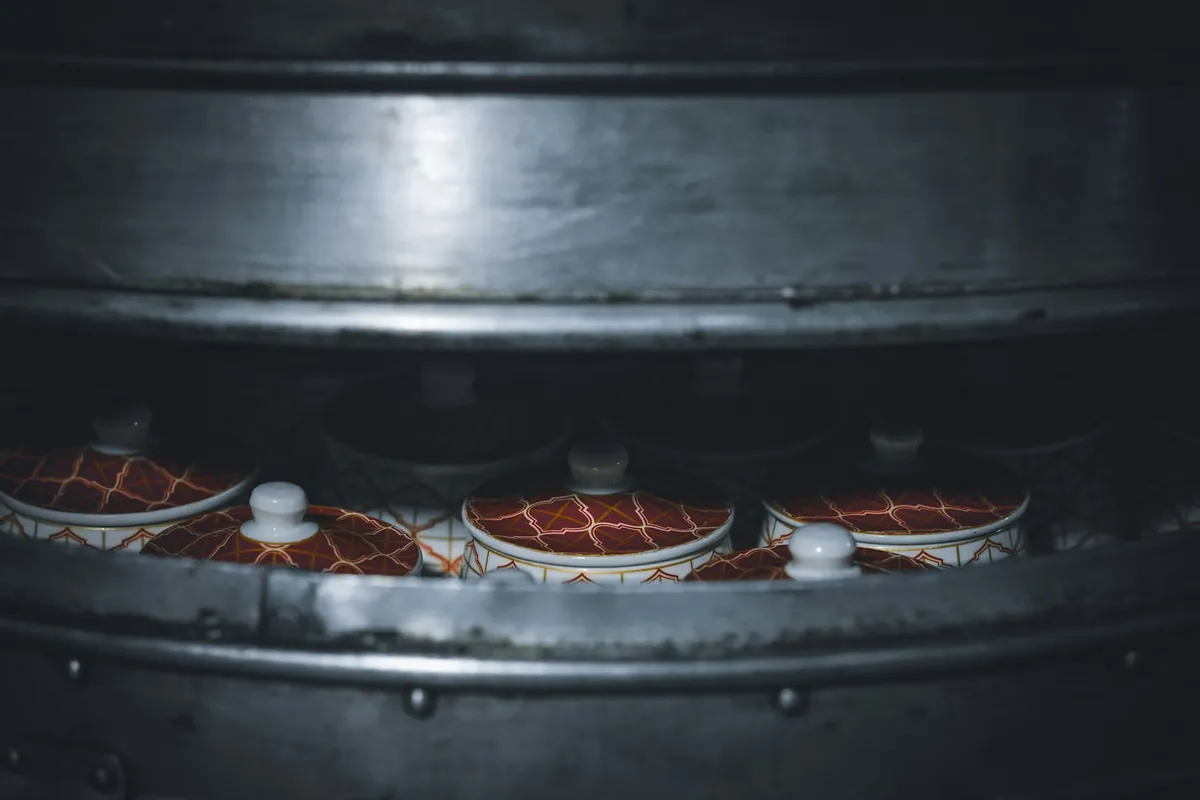
Shanghai and the surrounding region, where they are a recognized local specialty with a long documented history. The name xiao long bao means “small steamer basket bun”, after the bamboo baskets they are steamed and served in — our guide to dim sum covers the same equipment in Cantonese use.
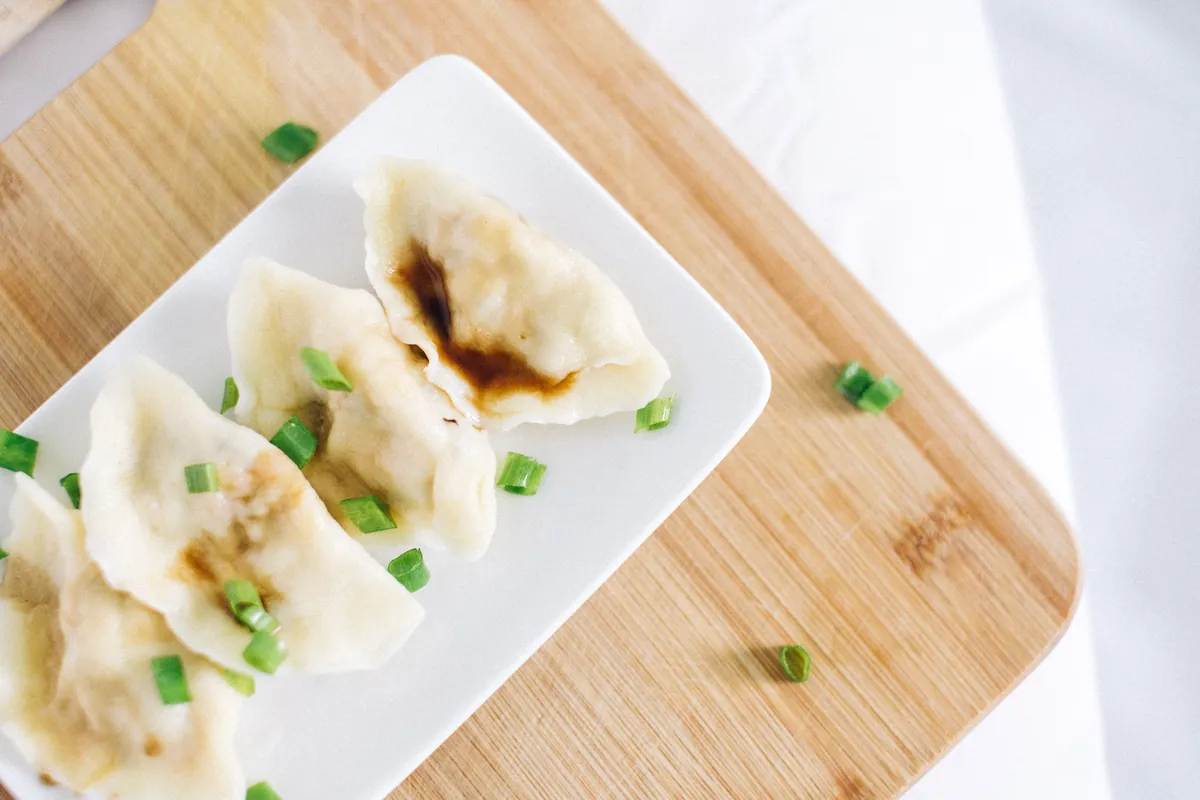
They are related to but distinct from other dumplings. A regular steamed dumpling has no liquid. A wonton has a much thinner wrapper and usually sits in soup rather than containing it. Our guide to dumplings and wontons covers how wrapper thickness defines those categories, and a soup dumpling sits in a third place: thin enough to be delicate, strong enough to hold liquid.
There is a larger cousin served with a straw, which is a modern tourist-facing invention rather than a tradition. It is fun and it is not the classic dish.
Judging a good one
Signs of a good one
- A thin wrapper that is still intact
- Visible liquid moving when lifted
- A neat pleated top, evenly folded
- Served immediately, steamer still hot
Signs it has gone wrong
- Dumplings stuck to the basket liner
- A pool of broth in the steamer
- A thick, doughy wrapper
- Lukewarm on arrival
Pleat count gets talked about a great deal — eighteen folds is the number traditionally cited — and it matters less than people claim. A well-made dumpling with fourteen even pleats is better than a poor one with eighteen. What the pleating actually tells you is whether the wrapper was rolled evenly, which is what determines whether it holds.
Why no takeout menu carries them
Every reason points the same way, and it is the strongest case of any dish this site has covered.
They cannot travel at all. A dumpling full of hot liquid in a moving container tears, and a torn one is just a dumpling in a puddle. Even five minutes in a bag is a risk. Our guide to pickup or delivery covers the general problem; this is its extreme case.
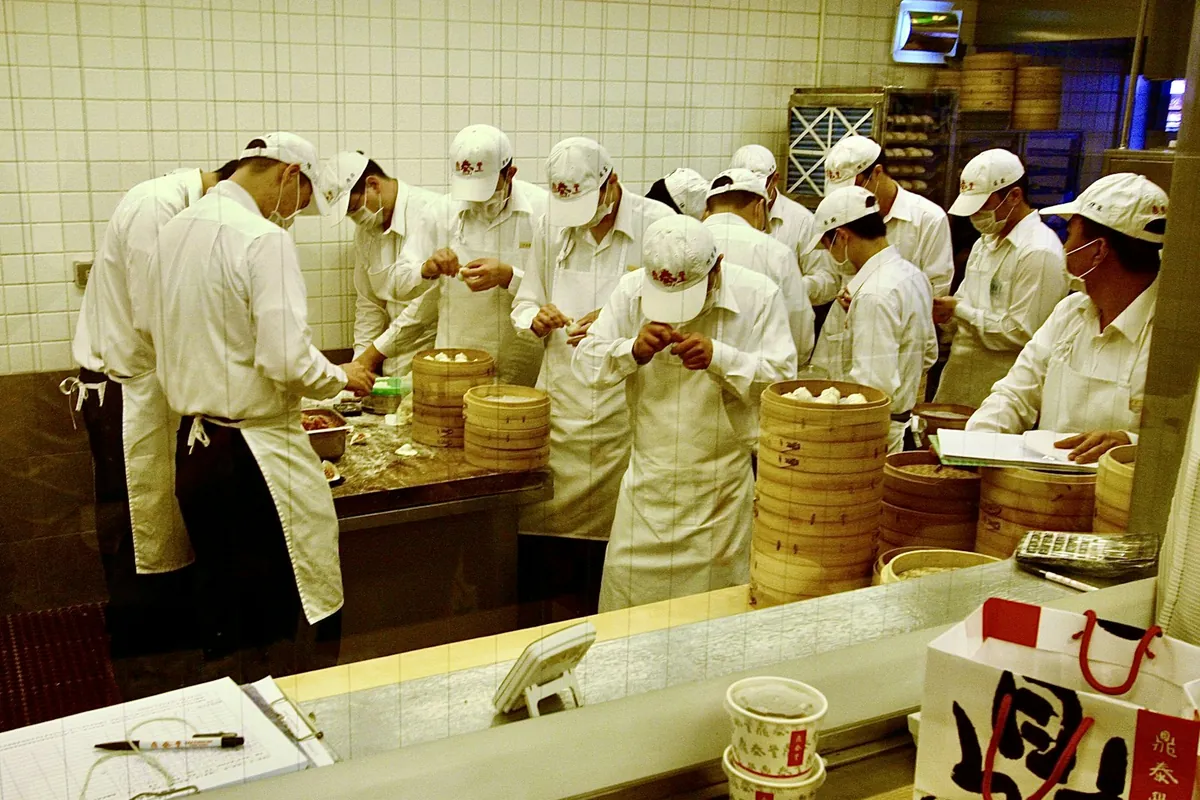
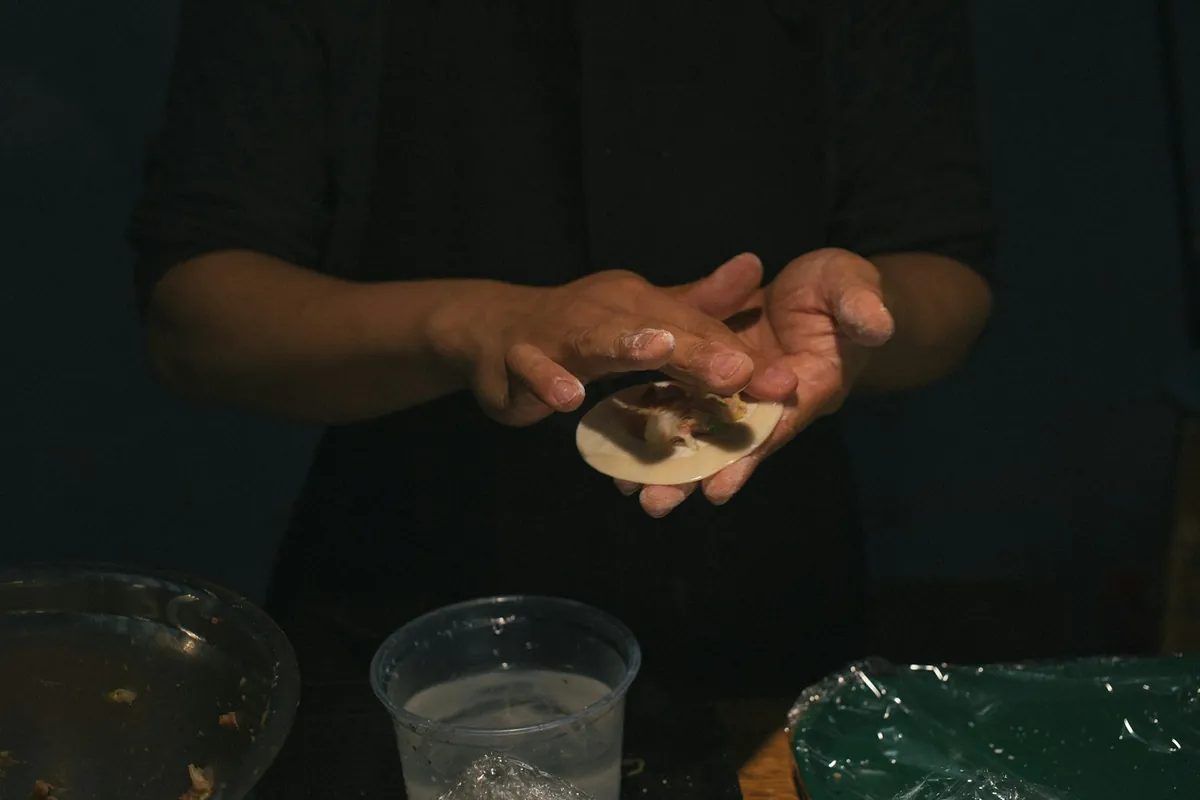
They need a specialist. Wrapping them is a genuinely skilled job, done by hand, continuously. That is a different trade from a wok station — our guide to how takeout kitchens work covers the distinction.
They need the stock made a day ahead. The jelly has to be cooked, cooled and set before any dumpling can be assembled, which is a prep cycle a takeout kitchen has no reason to run.
Where to find them: Shanghainese restaurants, larger dim sum houses, and dedicated dumpling shops in cities with substantial Chinese communities.
Frequently asked questions
How does the soup get inside a soup dumpling?
It goes in as chilled jelly. A collagen-rich pork stock sets firm when cold, is diced and mixed into the raw filling, and melts back into hot broth as the dumpling steams. Nothing is injected.
How do you eat soup dumplings?
Lift it by the pleated top onto a spoon, nip a small hole in the side to release steam, sip the broth, then eat the rest with black vinegar and shredded ginger. Biting straight in is how people burn their mouths.
Are soup dumplings the same as regular dumplings?
No. Regular steamed dumplings contain no liquid, and wontons have much thinner wrappers and sit in soup rather than holding it. A soup dumpling needs a wrapper thin enough to be delicate but strong enough to contain hot broth.
Does the number of pleats matter?
Less than people claim. Eighteen is the traditionally cited number, but a well-made dumpling with fourteen even pleats beats a poor one with eighteen. What pleating really indicates is whether the wrapper was rolled evenly.
Why can you not get soup dumplings as takeout?
They tear in transit, and a torn one is a dumpling in a puddle. They also need a hand-wrapping specialist and stock set as jelly the day before. Every constraint points the same way: eat them where they were made.
The short version
Stock set to jelly, wrapped cold, melted by steam. A Shanghai speciality that arrives with hot broth inside a thin wrapper.
Lift by the top, nip a hole, sip, then eat with vinegar and ginger. And do not try to take them home.
Order from China King
No soup dumplings — but boiled and fried dumplings are on the appetizer list.
Sources
- Xiaolongbao — on the dish, its Shanghai origins and how it is made.
- Aspic — on collagen-set stock jelly, the mechanism behind the filling.