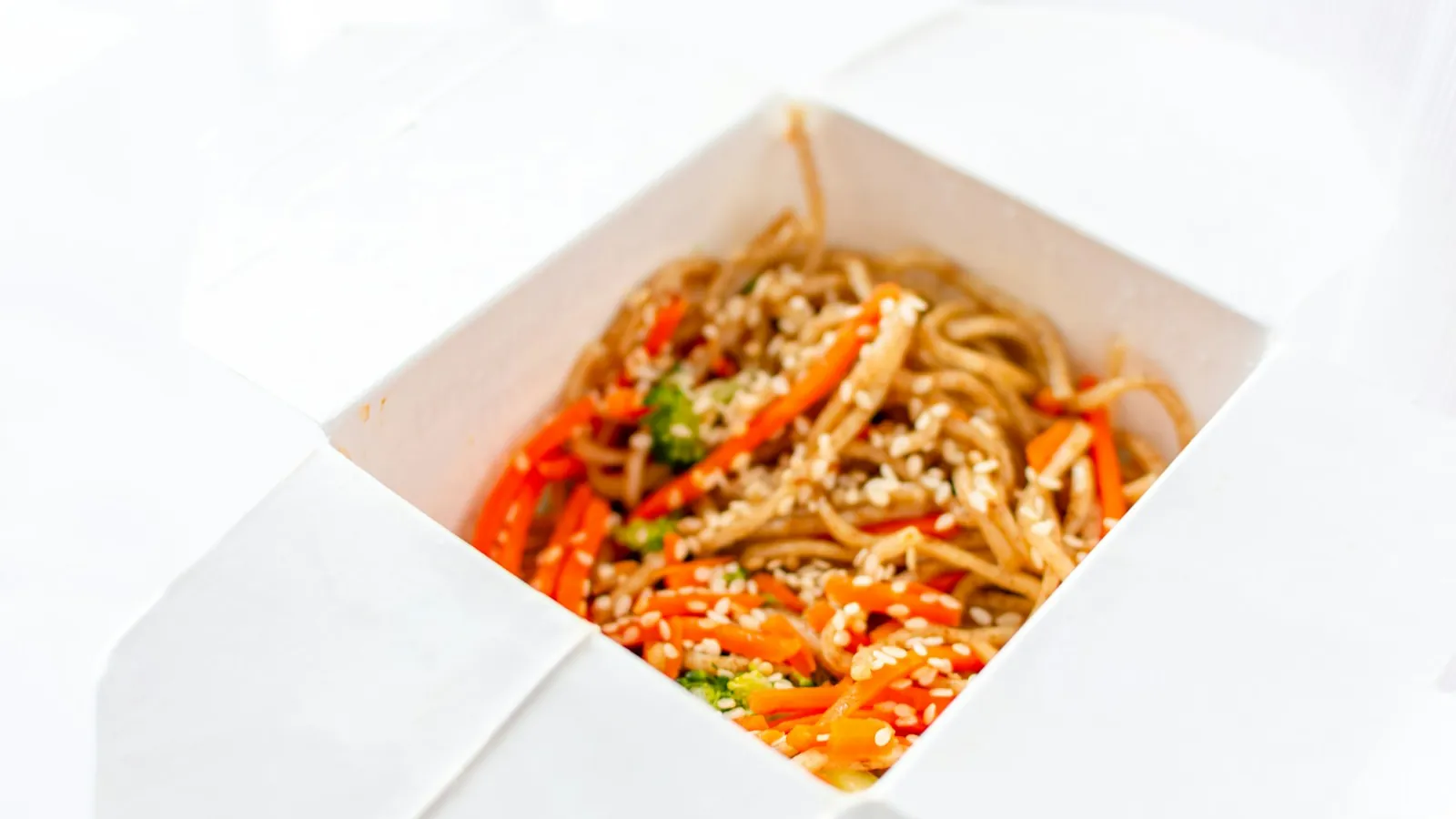
The white folded box with the wire handle is one of the most recognizable objects in American life. It appears in films whenever someone eats at their desk. It is also almost never used by Chinese restaurants for the food it is famous for carrying, and it was not designed for Chinese food at all.
That box is an oyster pail, patented in the United States around 1894 for carrying fresh oysters. Chinese-American restaurants adopted it because it folds from one sheet, holds liquid without leaking, and stacks. Most takeout today arrives in plastic tubs instead, because those microwave and reseal.
It was built for oysters
Before refrigerated transport, oysters were sold live and carried home wet. The container that solved that problem was a folded paperboard pail, cut and creased from a single blank, with the folds arranged so the base is watertight without a seam at the bottom.
That last detail is the clever part. There is no glued bottom to fail. The paper is folded under itself, so pressure from the contents presses the folds tighter rather than forcing them apart. A well-made oyster pail will hold soup.
Chinese restaurants in American cities adopted it in the twentieth century for reasons that had nothing to do with tradition and everything to do with fitness for purpose: it was cheap, it shipped flat, it assembled in a second, and it held a sauced dish without leaking through the bag.
Why the wire handle
Because paperboard has no useful tensile strength when wet, and a bag full of hot sauced food is a wet environment. A thin steel bail carries the weight from the rim rather than from the walls.
The handle is also the reason the box is remembered. It gave the container a silhouette, and that silhouette became visual shorthand for takeout generally — in films, on packaging, on signage. A great many people who have never received Chinese food in one still picture it.
It has a practical drawback: the handle must come off before microwaving, and steel in a microwave is a genuinely bad idea. That is one of several reasons the industry moved on.
What restaurants actually use now
| Container | Good at | Bad at | Typical use |
|---|---|---|---|
| Plastic tub with lid | Microwaving, resealing, stacking | Nothing crisp — it seals in steam | Most sauced dishes, rice, noodles |
| Oyster pail (folded box) | Holding liquid, folding flat, looking iconic | Microwaving; resealing once opened | Rice, noodles; increasingly rare |
| Foam or paper clamshell | Keeping items separate | Insulating too well; sogginess | Combination plates |
| Paper bag or sleeve | Letting steam escape | Holding sauce | Egg rolls, fried items |
| Small lidded cup | Keeping sauce off the food | Volume | Sauces on the side, soups |
The right-hand column matters more than people think. A plastic tub with a tight lid is the best container ever devised for a sauced dish and the worst possible one for anything fried, because the seal that keeps sauce in also keeps steam in. Our guide to pickup or delivery covers which dishes that ruins.
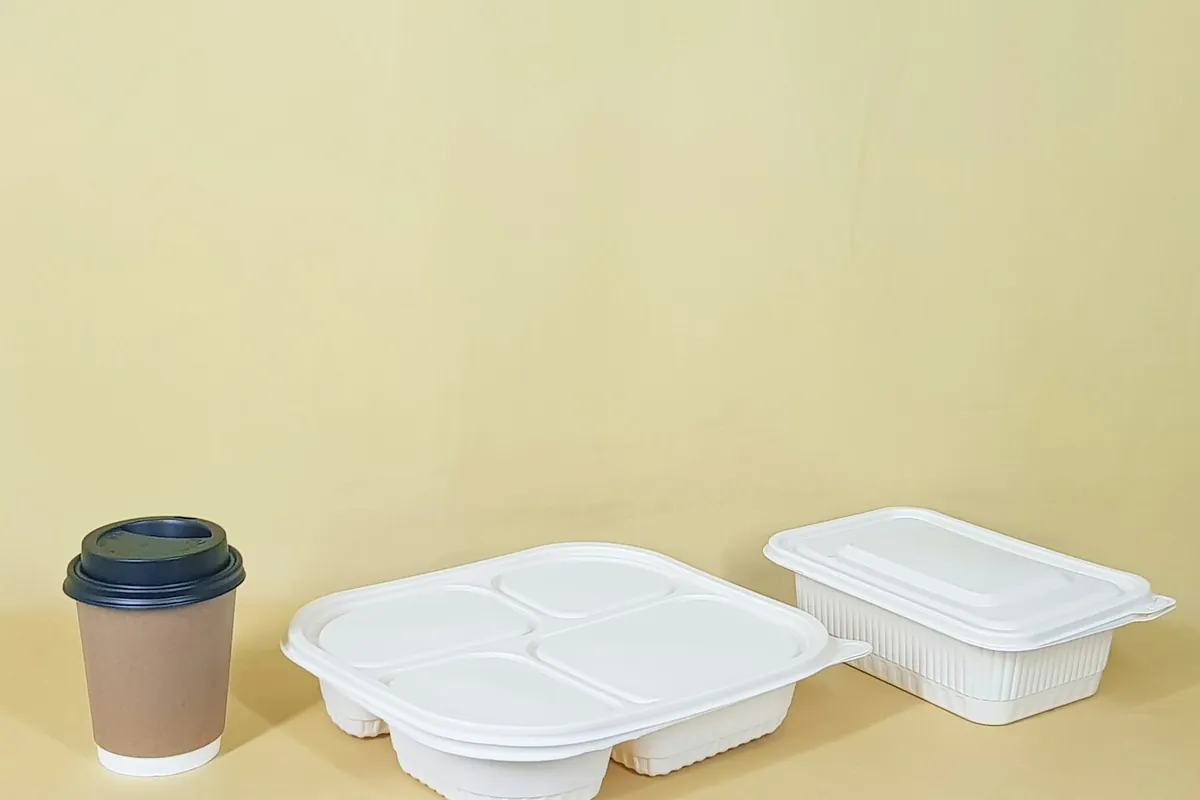
Does it really unfold into a plate?
Sort of, and it is worth knowing the honest version rather than the internet version.
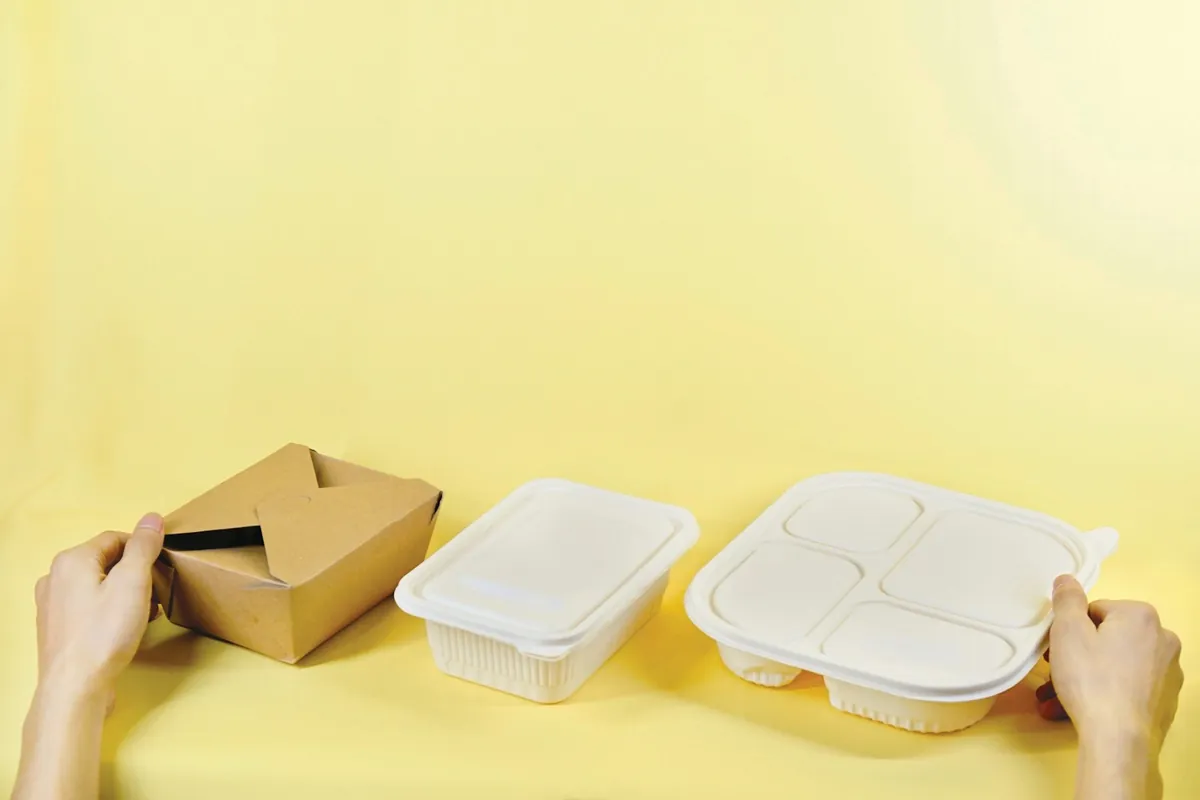
An oyster pail is built from one flat blank, so it will unfold back into a rough rectangle. If the box is clean and the wire handle is removed, you get a serviceable paper surface to eat from — useful when you are eating at a desk without a plate.
What it does not do is unfold into a flat, rigid, plate-like tray. The creases remain, the sides want to spring back, and once sauce has soaked the folds it tears. It works better as a demonstration than as dinnerware, and it does not work twice.
The genuinely useful version of this tip is simpler: whatever the container, open it. Trapped steam does more damage to takeout than distance does, and that applies to every row of the table above.
Reading the packaging
You can tell a fair amount about how a kitchen thinks from how it packs an order.
Signs of care
- Fried items in a separate bag or vented container
- Sauce in its own cup when you asked
- Rice packed apart from the sauced dish
- Soup in a sealed cup, carried upright
What to ask for
- Separate containers for crisp and sauced items
- Sauce on the side for anything battered
- Rice separate if you are keeping leftovers
- An extra bag if you have a long drive
None of that is a special request. It takes a second at the counter and it is the difference between a good meal at home and a disappointing one. Our guide to storing and reheating leftovers covers what to do with the containers after the meal — briefly, move the food out of them.
The environmental question, briefly
Worth being straightforward rather than preachy. Takeout packaging is single-use by design, and the shift from paperboard to plastic tubs improved the food and worsened the waste.
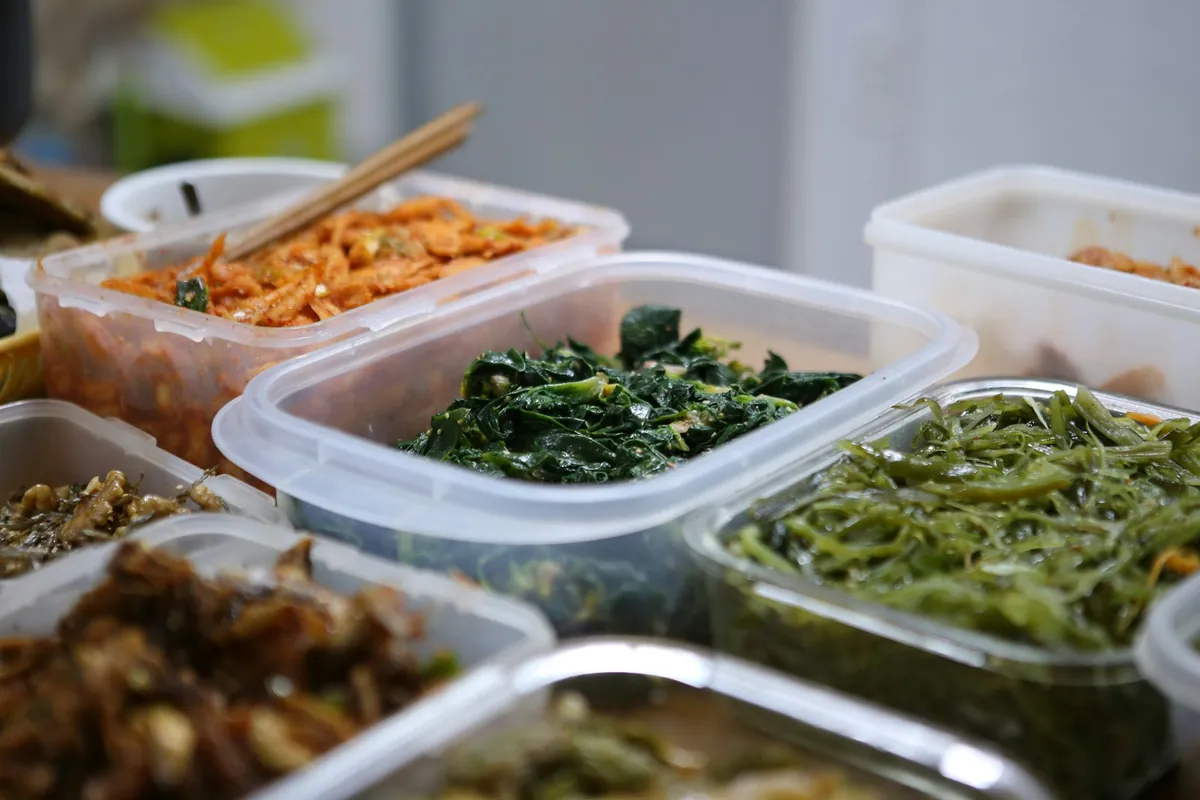
Two things a customer can actually do: order in when convenient rather than out, which eliminates the packaging entirely, and reuse the plastic tubs, which are genuinely durable food containers and better than most things sold for the purpose. The folded paper boxes are recyclable in principle and usually not in practice once sauce has soaked them.
That is the whole extent of the useful advice. Anything more is a policy question rather than an ordering one.

Frequently asked questions
Why is Chinese food served in those white boxes?
Because the container suited the job. It is an oyster pail, patented in the United States in the 1890s, and Chinese-American restaurants adopted it because it folded flat for storage, assembled in seconds and held sauced food without leaking.
What is an oyster pail?
A paperboard container folded from a single blank, originally used to carry live oysters home before refrigerated transport. The base has no glued seam — the folds tuck under so pressure from the contents tightens them, which is why it can hold liquid.
Can you unfold a Chinese takeout box into a plate?
Partly. It unfolds into a rough rectangle you can eat from, which is useful at a desk. It does not become a flat rigid tray — the creases spring back and the paper tears once sauce has soaked it. Remove the wire handle first.
Can you microwave a Chinese takeout container?
Never with the wire handle attached. Beyond that it depends on the container: plastic tubs are usually microwave-safe and paperboard boxes generally are not. Move food to a plate or bowl if you are unsure, and cover it.
Which container is best for takeout food?
A sealed plastic tub for anything sauced, and a vented bag or open container for anything fried. The seal that keeps sauce in also keeps steam in, which is exactly what turns a crisp coating soft.
The short version
An oyster container from the 1890s, adopted because it worked, kept because it looked like something, and now largely replaced by plastic tubs that microwave and reseal.
It half-unfolds into a plate. And whatever yours arrives in, open it as soon as you get home.
Order from China King
Ask for fried items packed separately — it takes a second and it travels better.
Sources
- Oyster pail — on the container’s origin, patent history and adoption by Chinese restaurants.