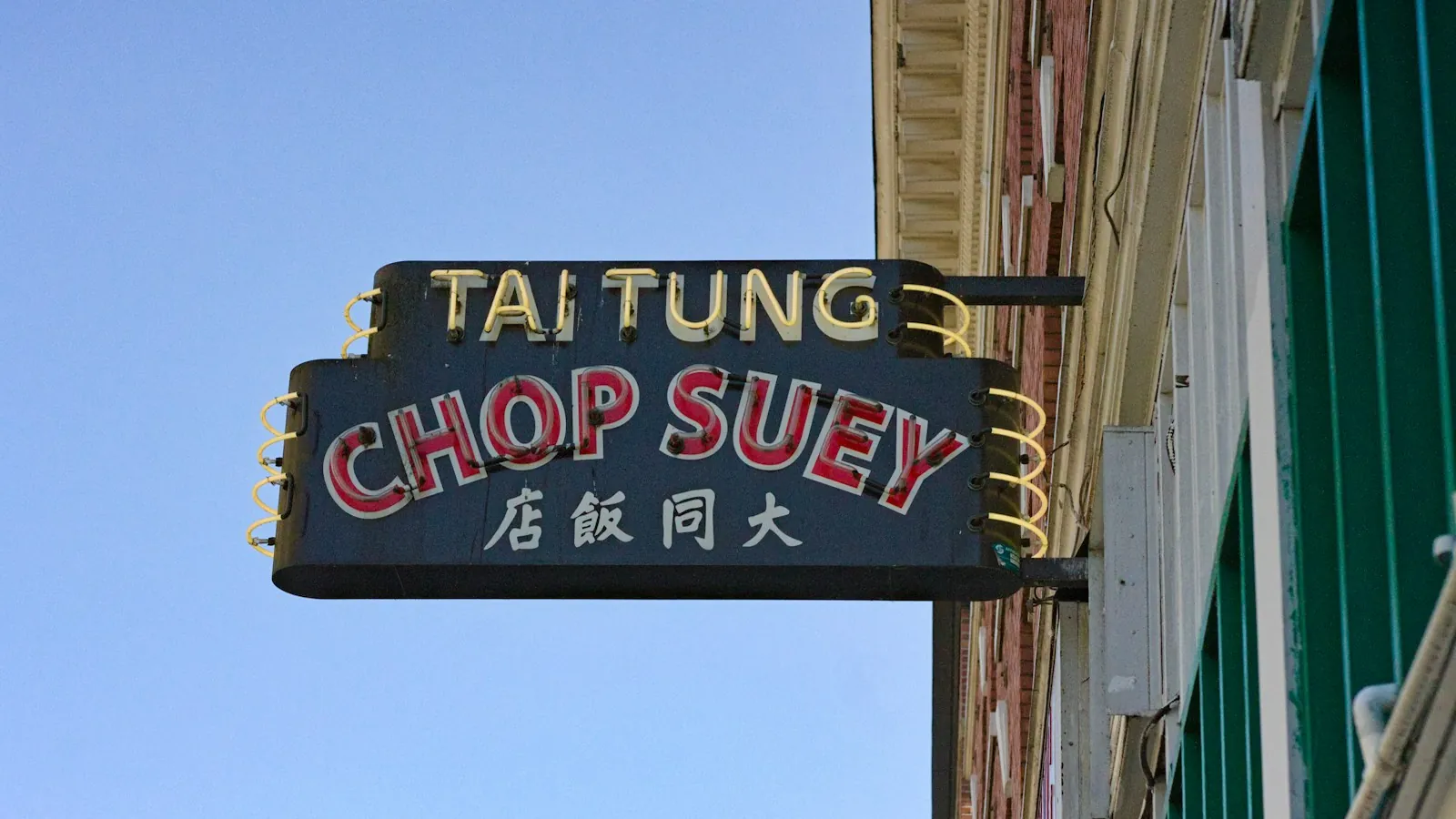
Chop suey has the strange distinction of being one of the best-known Chinese restaurant dishes and one of the least understood. The name does not describe an ingredient, a region or a cooking method, which is why the menu gives you nothing to go on.
Chop suey is a stir-fry of meat and mixed vegetables — typically bean sprouts, cabbage, celery and water chestnuts — held together in a light, starch-thickened sauce and served over rice. The name comes from a Cantonese phrase meaning odds and ends, which describes the mixed vegetables rather than any one ingredient.
What is actually in it
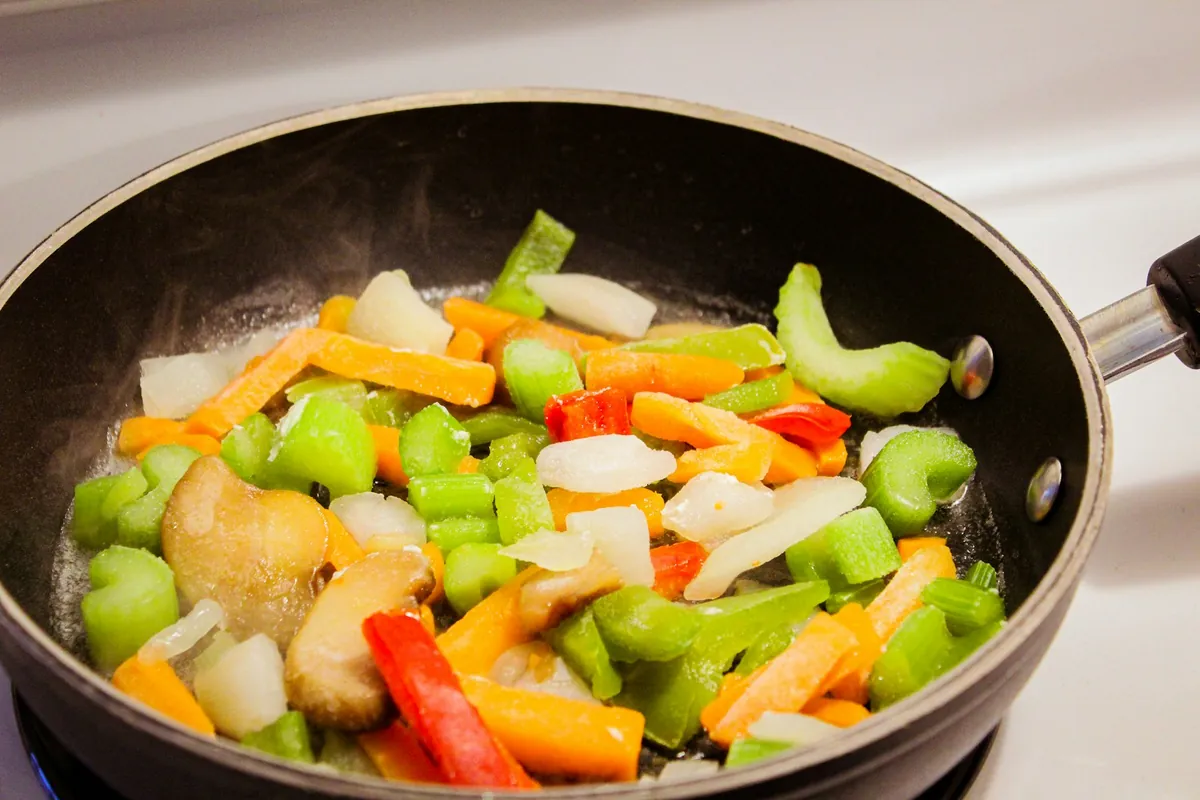
Chop suey is defined by its vegetables more than by its protein. The meat is usually sliced thin and present in modest quantity; the bulk of the dish is a mix of crisp vegetables cooked briefly so they keep some bite.
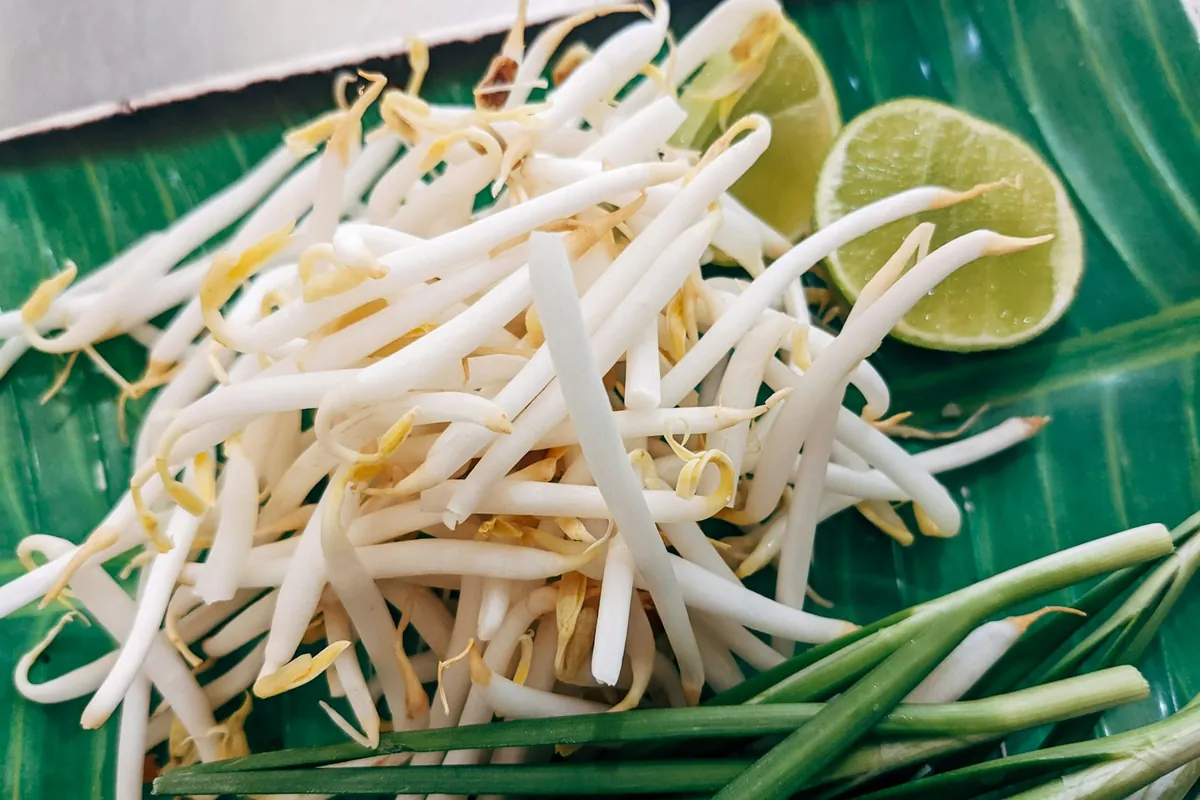
- Bean sprouts — the signature, and the reason the dish eats light.
- Celery and cabbage — cut on a slant, cooked just enough to soften slightly.
- Water chestnuts — for crunch that survives the wok.
- Onion and mushroom — common but not universal.
- A light sauce — usually a clear or pale brown sauce thickened with cornstarch, rather than a heavy glaze.
That last point matters when you are choosing. Chop suey is not a sweet dish and not a heavily sauced one. It sits at the mild, savory end of the menu.
Where the name comes from
Chop suey is a Chinese American dish, developed by Chinese cooks in the United States rather than imported whole from China. The name is generally traced to a Cantonese term meaning assorted or miscellaneous pieces, and the dish became one of the defining plates of Chinese restaurants in America through the late nineteenth and twentieth centuries.
Its history is genuinely interesting, but it is not what you need at the counter. What you need is the next section.

The thing menus never tell you: chop suey and chow mein
Look at almost any Chinese restaurant menu and you will find a Chop Suey section and a Chow Mein section listing the same proteins at the same prices. That is not a coincidence.
In American Chinese cooking the two are closely related: broadly the same stir-fry, with the starch being the main difference. Chop suey is served over rice. Chow mein brings noodles into the dish. If you have ever wondered why the two lists look identical, that is why.
| Feature | Chop Suey | Chow Mein | A sauced entree |
|---|---|---|---|
| Starch | Rice | Noodles | Rice, ordered separately |
| Vegetables | The bulk of the dish | Substantial | Usually secondary to the protein |
| Sauce | Light, thin, savory | Light to moderate | Often thicker, sometimes sweet |
| Texture | Crisp vegetables, soft overall | Depends on the noodle style | Varies |
| Flavor | Mild and savory | Mild and savory | Ranges from mild to sweet or spicy |
| Order it for | A light, vegetable-heavy plate | The same, with noodles | A stronger, more defined flavor |
If you want the comparison between the noodle sections themselves, we cover that separately in lo mein vs chow mein vs mei fun.

Chop suey, subgum and the other names on the menu
Two words turn up around the chop suey and chow mein sections and confuse people, so they are worth decoding while you are here.
- Subgum means a mixture, usually of several vegetables and often more than one protein. A subgum dish is the more elaborate version of a mixed stir-fry, not a different cooking method.
- House special normally signals the same idea in plainer language: more than one protein in the same dish, and often a slightly higher price to match.
Both are useful when you are ordering for two people who want different things, because they put several proteins on one plate instead of forcing a choice.

Who chop suey suits
Order chop suey if
- You want a vegetable-heavy plate without much sauce
- You prefer mild, savory flavors over sweet or spicy
- You are balancing a table that already has rich dishes
- You like crisp textures in a stir-fry
Choose something else if
- You want a bold or sweet sauce
- You want the protein to be the main event
- You dislike bean sprouts, which are central here
- You want something that reheats with its texture intact
How to order it well
- Pick the protein by weight. Shrimp and chicken keep the dish light; beef and roast pork make it more substantial.
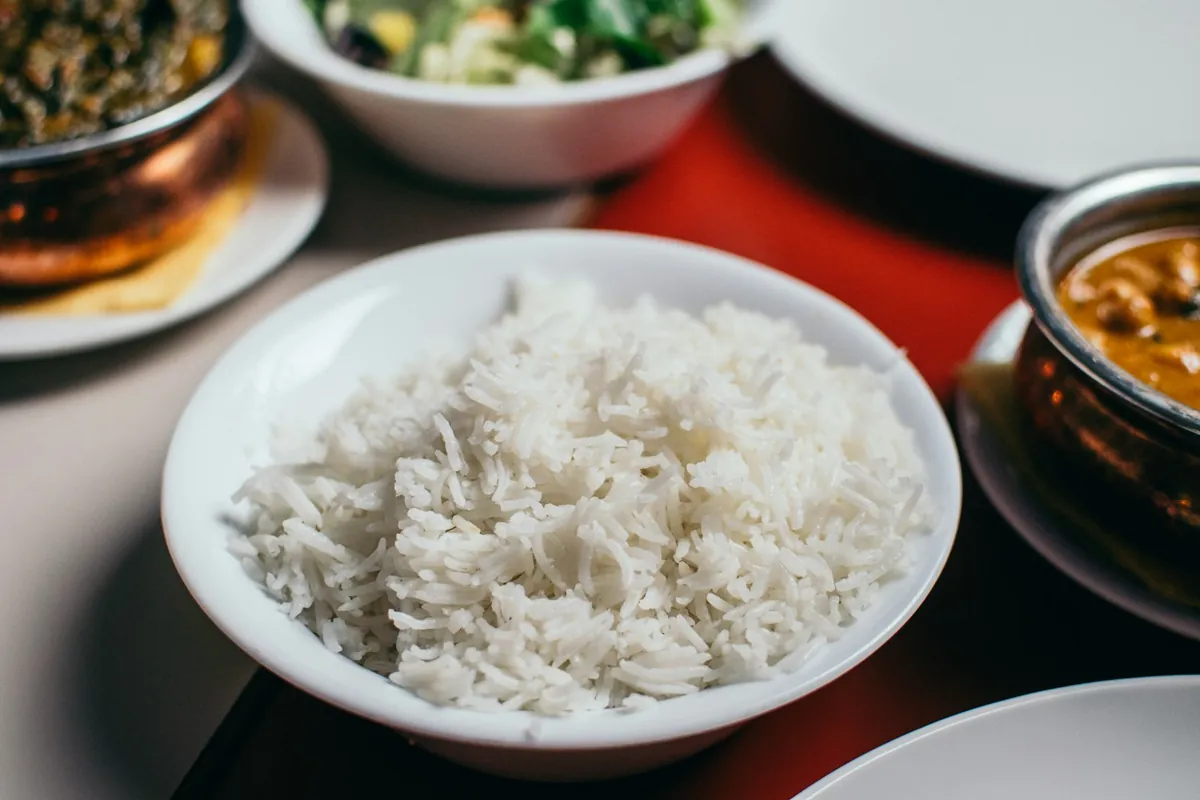
- Order rice with it if it is not included. Chop suey is designed to be eaten over rice, and it is thin enough that it needs the base.
- Eat it fresh. Bean sprouts are the first thing to go soft, so this is not the dish to leave in the fridge for two days.
- Use it as a balance dish. If the rest of the order is sweet or fried, chop suey is the plate that stops the meal feeling heavy.
Frequently asked questions
Is chop suey a real Chinese dish?
It is a real dish with genuine Chinese roots, developed by Chinese cooks in the United States rather than brought over unchanged from China. That makes it authentically Chinese American, which is its own culinary tradition rather than an imitation of one.
What is the difference between chop suey and chow mein?
In American Chinese restaurants the main practical difference is the starch: chop suey is served over rice, while chow mein brings noodles into the dish. The vegetables, sauce and proteins are broadly similar, which is why menus list the same options under both.
Is chop suey spicy?
No. It is one of the milder dishes on a Chinese menu, built on savory flavors rather than heat or sweetness. If you want spice you would normally add a different dish to the order rather than expect it here.
Does chop suey come with rice?
It is meant to be eaten over rice, but whether rice is included depends on the restaurant and on whether you are ordering an entree or a combination plate. Check when you order so you are not left with a sauced stir-fry and nothing under it.
The short version
Chop suey is the mild, vegetable-forward, lightly sauced plate on a Chinese menu, served over rice. It is a good choice when the rest of your order is rich, and a poor choice if you were hoping for a bold sauce.
And if you like it, order the chow mein version next time — you will recognise most of what is on the plate.
Chop suey in Fayetteville
China King lists six chop suey dishes on Walter Reed Road, in small and large sizes.
Sources
- Encyclopaedia Britannica: chop suey — on the dish’s ingredients and origins.
- Chop suey — on the name and its development in the United States.