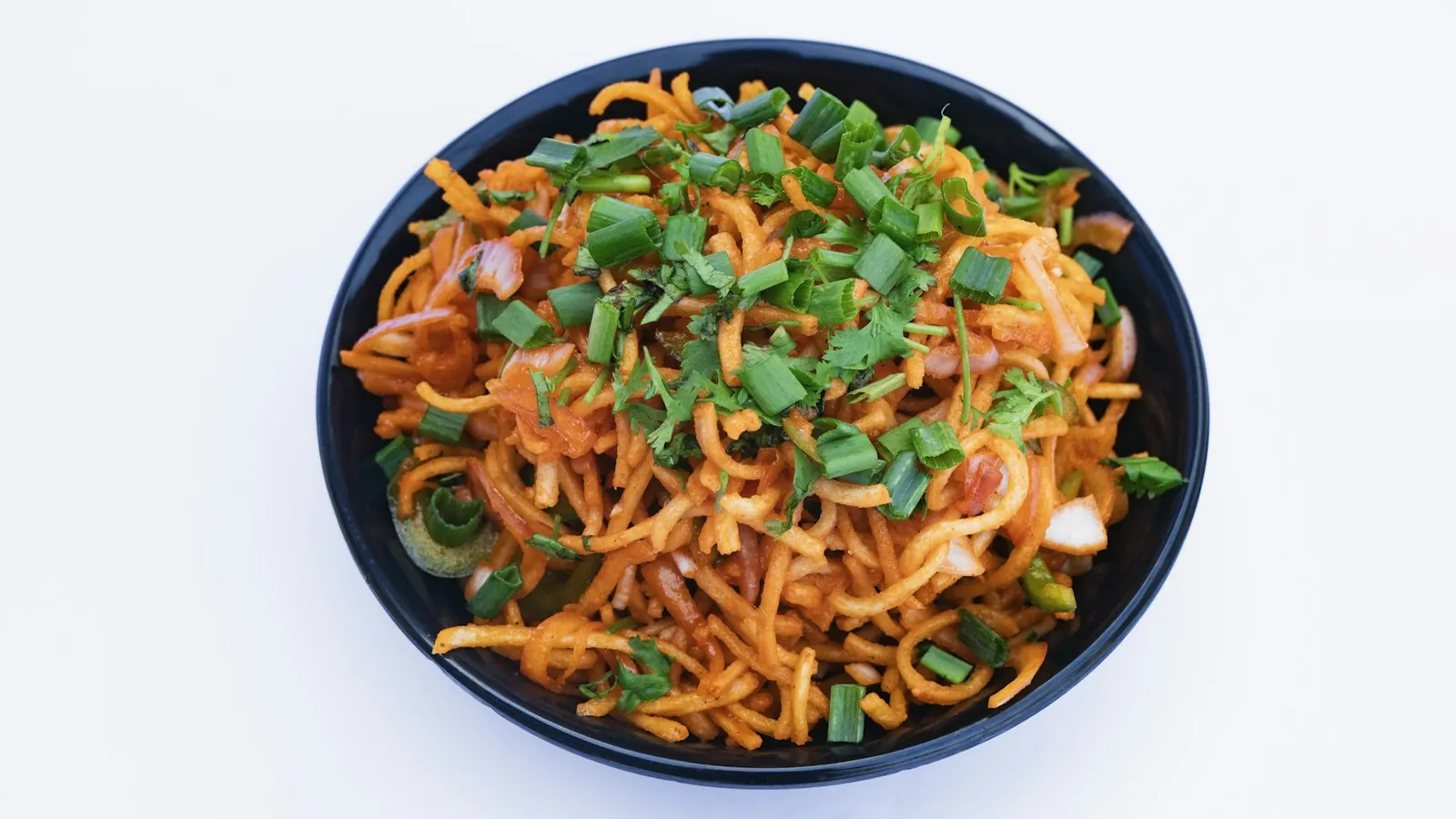
Three noodle sections, near-identical names, and no explanation on the menu. This is the single most common point of confusion in a Chinese restaurant, and it takes about two minutes to clear up for good.
Lo mein is soft wheat noodles tossed with sauce. Chow mein is wheat noodles stir-fried harder, often with some crispness. Mei fun is thin rice noodles, stir-fried dry and light. So the first question is wheat or rice, and the second is how saucy you want it — lo mein is the sauciest, mei fun the driest.
Start with the noodle, not the name
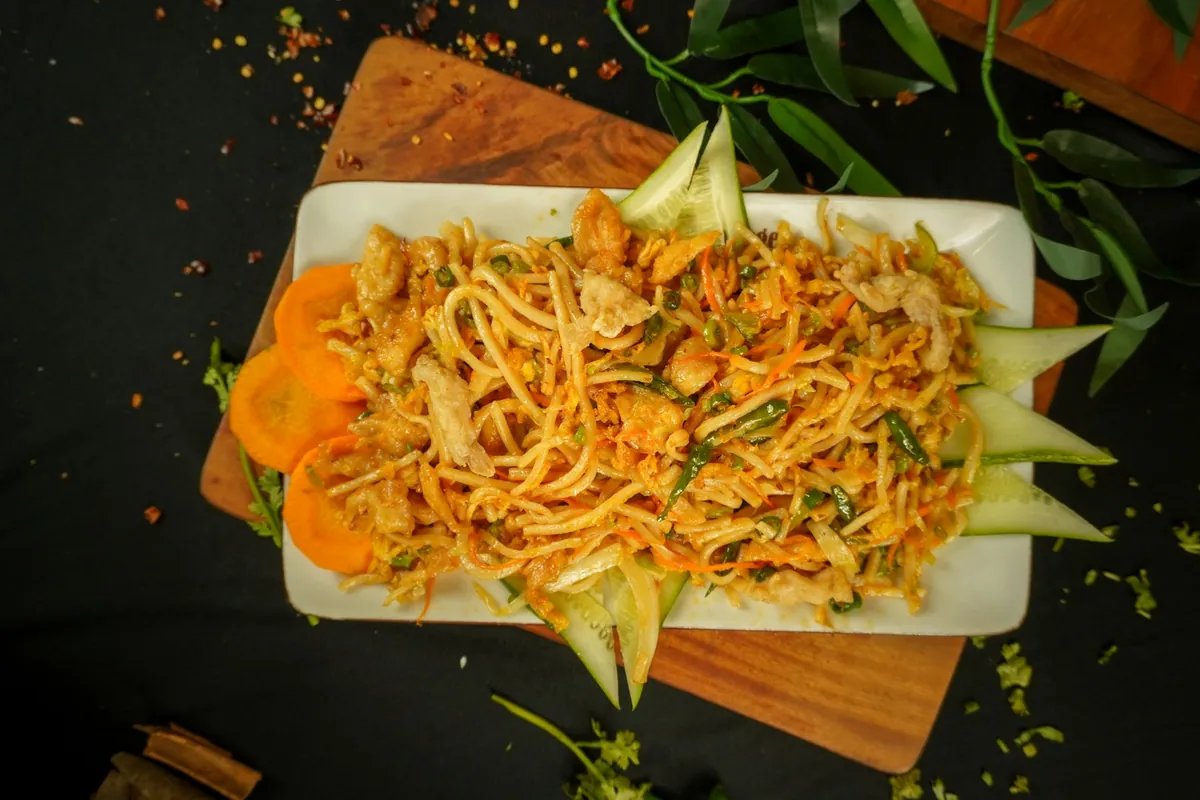
All three names describe a noodle plus a cooking method, so once you can read them the menu becomes much easier.
- Lo mein — “lo” means tossed or stirred. Wheat noodles, boiled first, then tossed with sauce and ingredients.
- Chow mein — “chow” means stir-fried. Wheat noodles, cooked harder in the wok.
- Mei fun — thin rice noodles. Usually written chow mei fun, meaning stir-fried rice vermicelli.
Notice that lo mein and chow mein share the same word for noodle, mein. They use the same family of wheat noodle. What separates them is entirely in the cooking.
Lo mein: soft and saucy
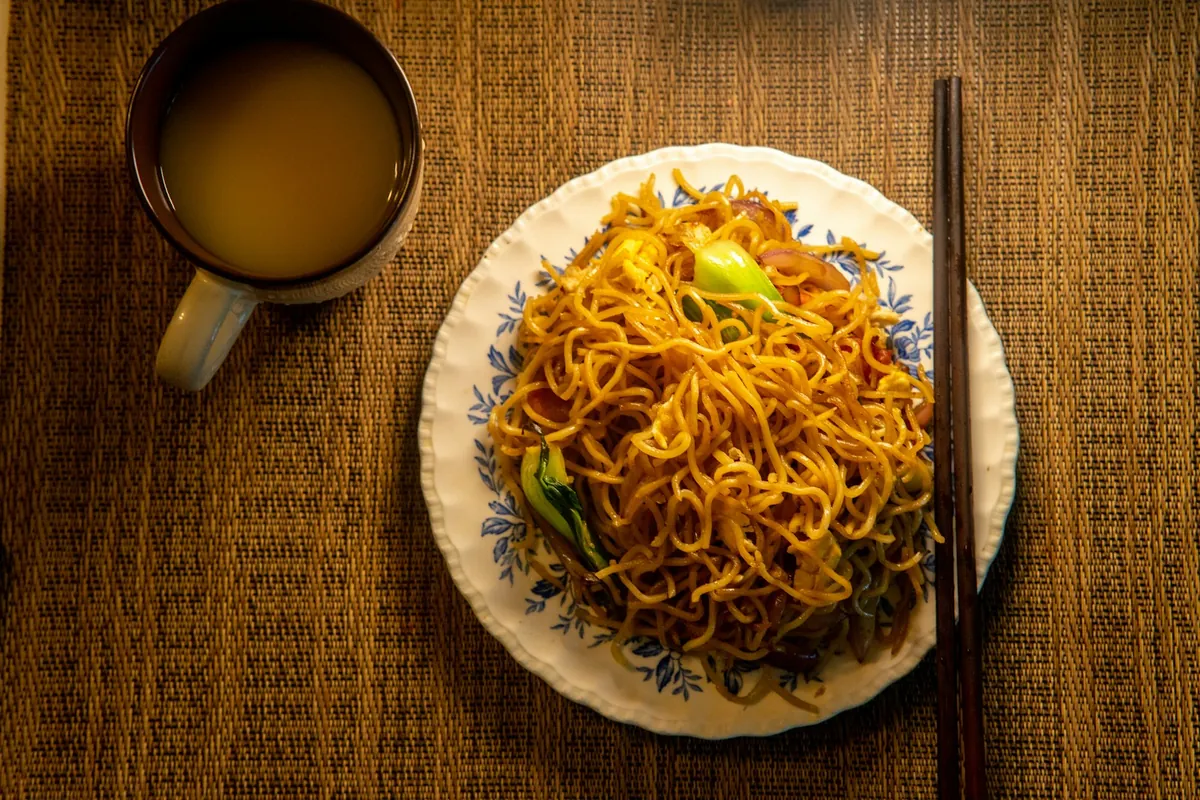
Lo mein noodles are boiled until fully soft, then combined with the sauce, meat and vegetables at the end. Because the noodles are not fried hard, they stay pliable and absorb sauce, which is why lo mein is the heaviest and most coated of the three.
This is the safe order. It is familiar, it reheats better than the alternatives, and it is the one most people picture when they think of Chinese noodles.
Chow mein: firmer, with more contrast
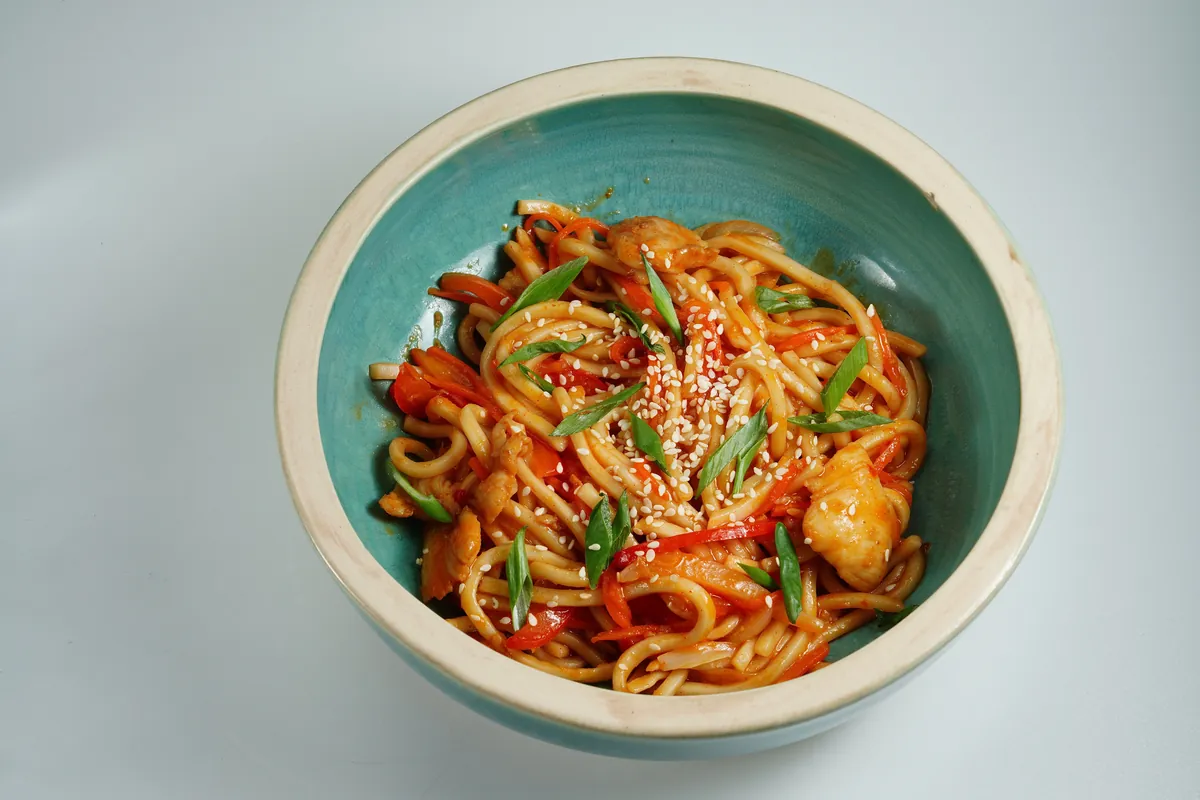
Chow mein is where regional variation causes most of the confusion, because the same name covers genuinely different plates depending on where you are and which kitchen is cooking.
In some styles the noodles are pressed and fried until parts are properly crisp, then topped with a sauced stir-fry. In others they are stir-fried through but kept firmer and less sauced than lo mein. Either way, the defining quality is that the noodle has been worked harder in the wok, so it is drier and has more bite.
If a menu describes chow mein as crispy, expect real crunch. If it does not, expect a firm stir-fried noodle rather than a soft one.
Mei fun: light and dry
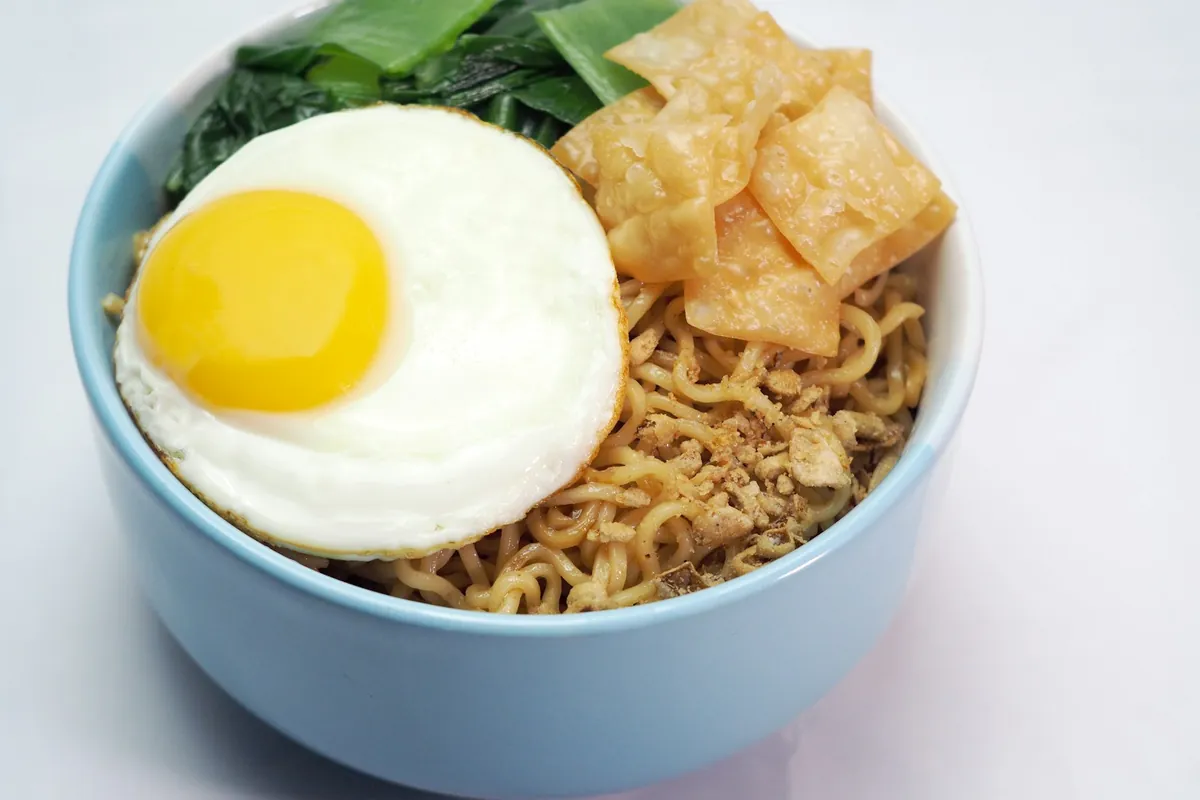
Mei fun is the outlier, because the noodle is made from rice rather than wheat. The strands are very fine, they stay separate instead of clumping, and the finished dish is the driest of the three. Seasoning coats the noodles rather than pooling.
It is the one to order when lo mein feels too heavy. The curry-seasoned Singapore version is the biggest change in flavor if you want something clearly different from your usual. There is more detail in our full guide to chow mei fun.
The comparison, side by side
| Feature | Lo Mein | Chow Mein | Chow Mei Fun |
|---|---|---|---|
| Noodle made from | Wheat | Wheat | Rice |
| Noodle size | Thick, round | Thinner, varies | Very thin, round |
| Cooking | Boiled, then tossed | Stir-fried harder | Softened, then stir-fried quickly |
| Texture | Soft, chewy | Firm, sometimes crisp | Light, separate strands |
| Sauce | Most | Moderate | Least |
| Reheats | Best of the three | Loses crispness | Acceptable, can dry out |
| Order it for | Comfort and familiarity | Texture and contrast | A lighter plate |
Which should you order?
Work backwards from what you want the meal to feel like rather than from the name.
Choose lo mein when
- You want the familiar, saucy noodle
- You are ordering for a mixed group including children
- You expect leftovers and want them to reheat well
- The rest of your order is dry or crisp
Choose chow mein or mei fun when
- You want texture rather than sauce (chow mein)
- You find lo mein too heavy (mei fun)
- You are ordering several sauced entrees already
- You want to try something genuinely different
Small or large?
All three usually come in two sizes, and the gap between them is larger than the price difference suggests. A small is a single serving. A large is built to be shared, or to leave you with a second meal.
The practical rule: if the noodles are the center of your meal, order a large. If they are one dish among several on a shared table, a small is plenty, and it leaves room for the entrees you actually chose the restaurant for.
A note on wheat, rice and allergies
Rice noodles are not the same thing as a gluten-free dish. Soy sauce and many stir-fry seasonings contain wheat, and woks are shared between orders throughout a service. If wheat is a medical issue rather than a preference, speak to the restaurant directly rather than choosing by noodle type.
Building a balanced order
The practical reason to know the difference is balance. If your entrees are already sauced — something in a brown or sweet sauce, say — a second saucy noodle makes the whole meal taste the same. Pairing a sauced entree with a drier noodle gives the table contrast.
Frequently asked questions
Which is healthier, lo mein or chow mein?
It depends entirely on how each kitchen prepares them, so no general answer is reliable. Preparation, oil and portion size vary far more between restaurants than the two dishes differ from each other. If you need specific nutrition information, ask the restaurant.
Is chow mein always crispy?
No. Some kitchens fry the noodles until genuinely crisp, others stir-fry them through while keeping them firm. Menus that say “crispy” are signalling the first style. If it matters to you, ask before ordering.
What is chow mein fun?
That phrase usually comes from mixing up two menu names. Chow mein is a wheat noodle dish and chow mei fun is a rice noodle dish. If you searched for chow mein fun, the rice noodle dish, mei fun, is most likely the one you want.
Which noodle dish is best for a group?
Lo mein is the most universally liked and the most forgiving if the food sits for a while. For a larger order, one lo mein plus one drier noodle gives people a choice and stops the meal tasting uniform.

The short version
Wheat or rice first, then how much sauce you want. Lo mein soft and saucy, chow mein firmer with more bite, mei fun light and dry. Everything else is which protein you feel like.
The most useful thing you can do is order the same protein two different ways on separate visits. One comparison teaches you more than any description.
Compare them yourself
China King lists lo mein, chow mein and chow mei fun with the same proteins, so the noodle is the only thing that changes.
Sources
- Chow mein — on regional variations in how the noodles are cooked.
- Encyclopaedia Britannica: noodle — on wheat and rice noodle types.