Mei fun shows up on almost every Chinese takeout menu, usually in its own section, and it is one of the dishes people order least often simply because they are not sure what it is. If you have been choosing lo mein by default, this is the noodle worth understanding.
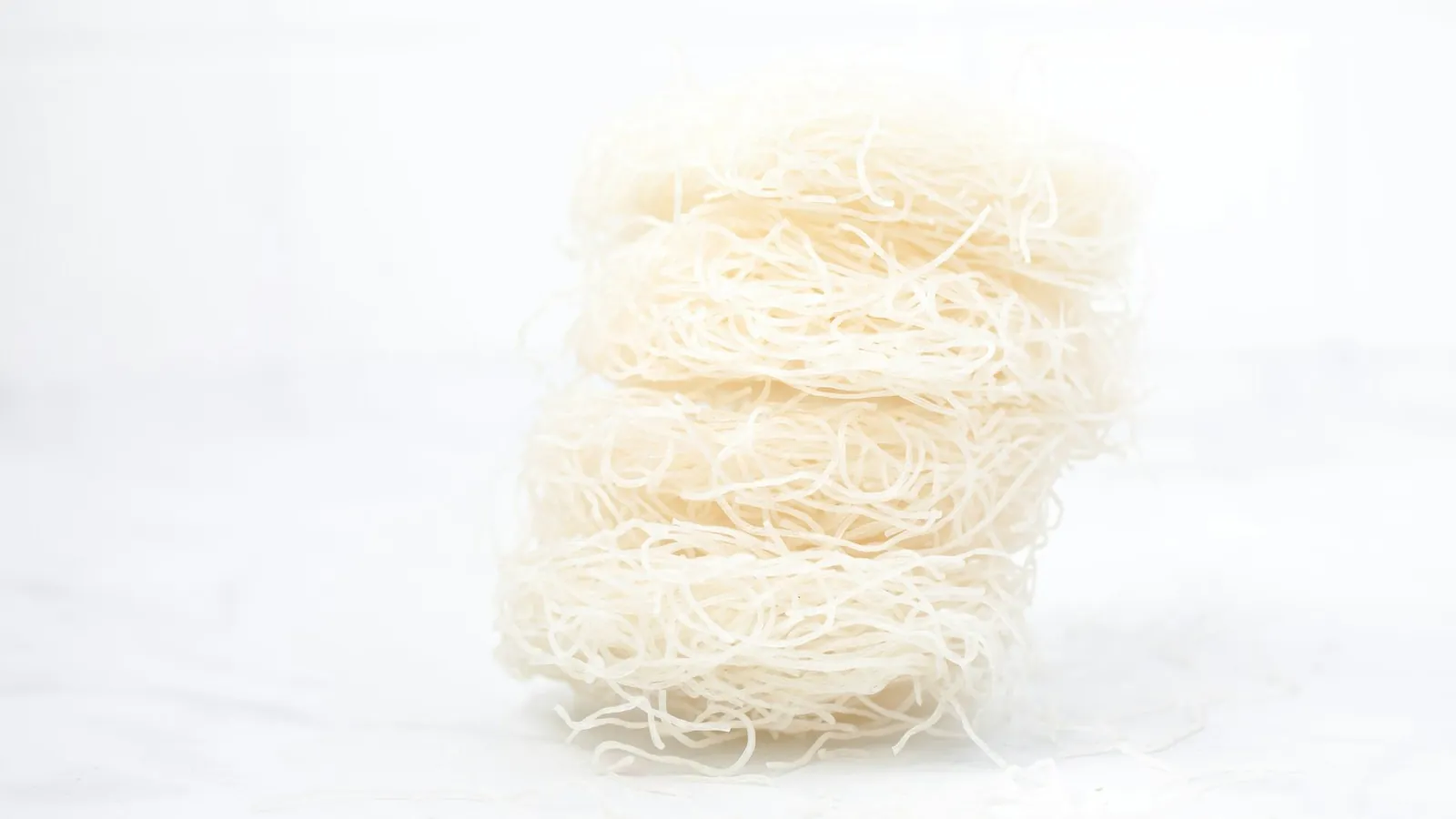
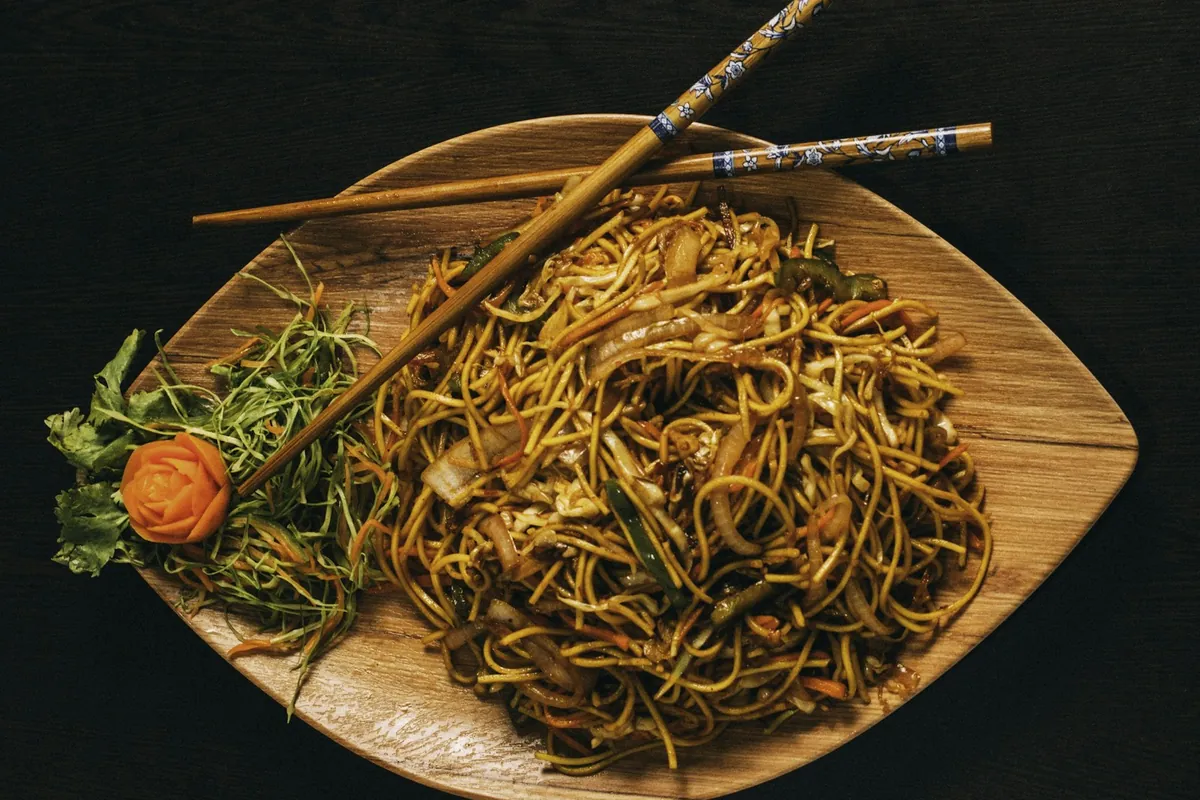
Chow mei fun is stir-fried rice vermicelli. Mei fun means thin rice noodles and chow means stir-fried, so the name simply describes thin rice noodles cooked in a wok with meat or seafood, vegetables and seasoning. The noodles are much thinner than lo mein, made from rice rather than wheat, and the finished dish is drier and lighter than a saucy noodle plate.
What the name actually means
Chinese menu names are usually descriptive rather than decorative, and this one is a good example. Break it into two halves and the dish explains itself.
- Mei fun (also written mai fun, mi fen or rice vermicelli) is the noodle: thin, round, brittle when dry, made from rice flour and water.
- Chow is the cooking method: stir-fried over high heat in a wok.
So “chow mei fun” is a category rather than one fixed recipe, in the same way “fried rice” is. What changes between listings is the protein and the seasoning, which is why menus show several versions together.
How rice noodles differ from wheat noodles
This is the part that matters most when you are deciding what to order. Lo mein and chow mein are both made from wheat noodles, which are stretchy and chewy and hold a heavy sauce well. Rice vermicelli behaves differently: the strands are fine, they separate easily, and they absorb seasoning rather than carrying a pool of sauce.
Dried rice vermicelli is soaked or briefly boiled before it goes anywhere near the wok, then stir-fried quickly so the strands stay separate. Because the noodles are so thin, the seasoning tends to be applied as a dry or light coating rather than a thick gravy. That is why a plate of chow mei fun looks and eats lighter than the same weight of lo mein.
What usually goes into it
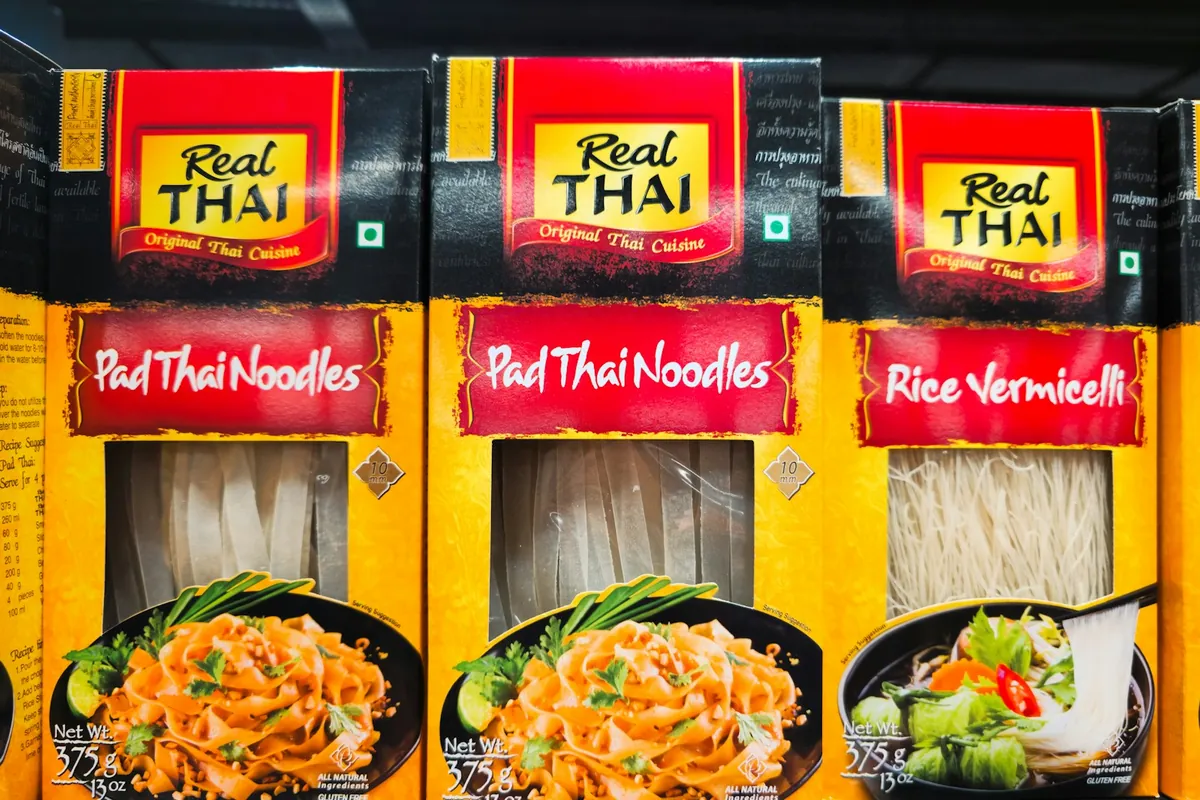
The mix varies by kitchen, but a restaurant chow mei fun generally has four components working together.
- The noodle — softened rice vermicelli, kept loose so it does not clump.
- A protein — roast pork, chicken, beef, shrimp, or a combination.
- Vegetables — commonly bean sprouts, onion, cabbage and scallion, cut fine so they match the noodle.
- Seasoning — soy-based, sometimes with curry powder in the Singapore style.
Everything is cut small and thin. That is deliberate: a fine noodle needs fine ingredients, otherwise each forkful is unbalanced.
Singapore mei fun, explained
If a menu lists Singapore mei fun, that is the curry-seasoned version, usually yellow-tinted from curry powder and often made with a mix of shrimp and roast pork. Despite the name it is not a dish from Singapore — it is a Hong Kong creation that became a fixture on Chinese restaurant menus abroad.
It is worth knowing because the curry version tastes noticeably different from the plain version. If you order “mei fun” expecting a mild soy-seasoned noodle and receive a curry plate, that is the difference. Most menus list it separately for exactly that reason — on our mei fun menu it appears as its own item rather than as a seasoning option.
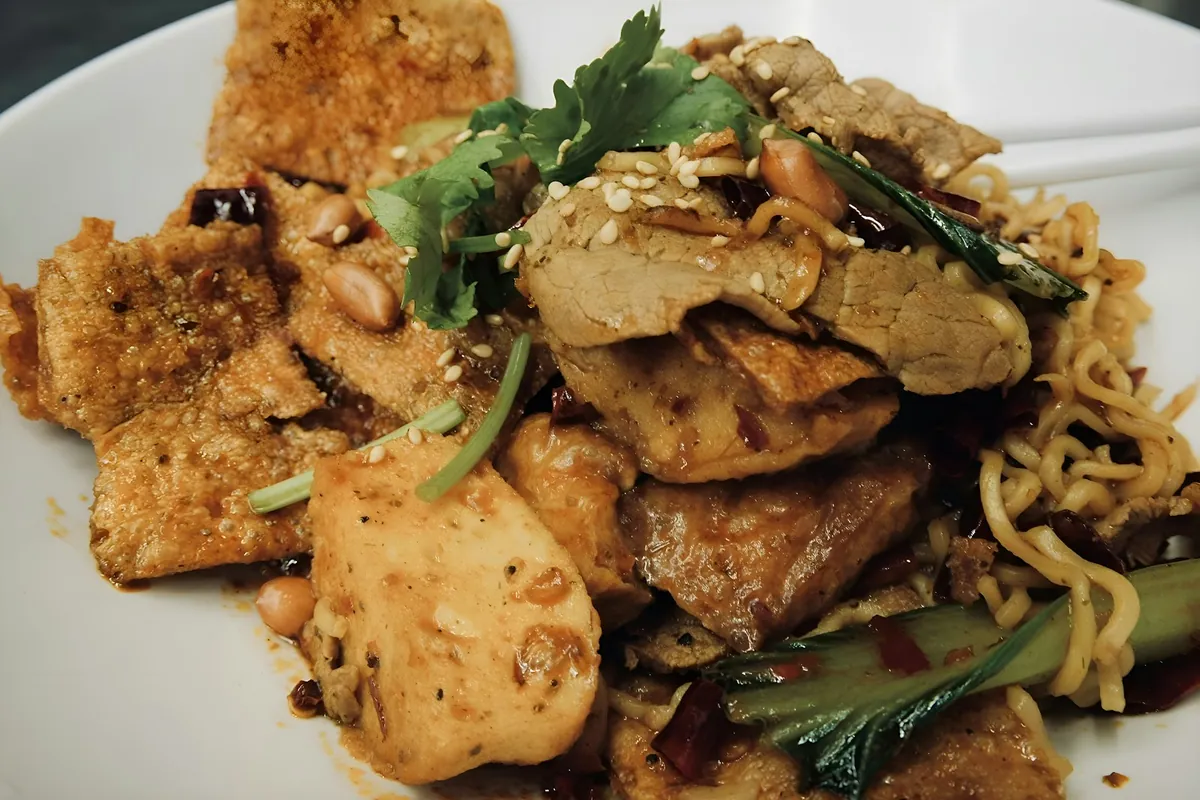
Chow mei fun compared with the other noodle dishes
Most menus put lo mein, chow mein and mei fun near each other, and the differences are easy to miss. Here is how they actually compare.
| Feature | Lo Mein | Chow Mein | Chow Mei Fun |
|---|---|---|---|
| Noodle base | Wheat | Wheat | Rice |
| Thickness | Thick, round | Varies; often thin | Very thin, round |
| Texture | Soft, chewy | Crisp or partly crisp, depending on style | Light, separate strands |
| Sauce level | Saucy, tossed | Lighter | Driest of the three |
| Contains wheat | Yes | Yes | Noodle is rice-based, but seasonings may still contain wheat |
| Good if you want | A soft, saucy noodle | Some crunch and contrast | Something lighter and less heavy |
One important caution on that last row: rice noodles themselves contain no wheat, but soy sauce and other seasonings commonly do, and shared wok surfaces are normal in a busy kitchen. Rice noodles are not the same thing as a gluten-free dish. If you are managing a wheat allergy or celiac disease, speak to the restaurant directly rather than assuming, and read the FDA’s guidance on food allergies for how allergens are handled in prepared food.

Which one should you order?
Chow mei fun suits you if
- You find lo mein too heavy or too saucy
- You like a noodle that stays distinct rather than clumping
- You are ordering several dishes and want a lighter base
- You want to try the curry-seasoned Singapore style
Stay with lo mein if
- You want a soft, substantial, sauce-coated noodle
- You are feeding people who prefer familiar textures
- You want a dish that reheats well the next day
- You are pairing it with a dry, crisp main dish
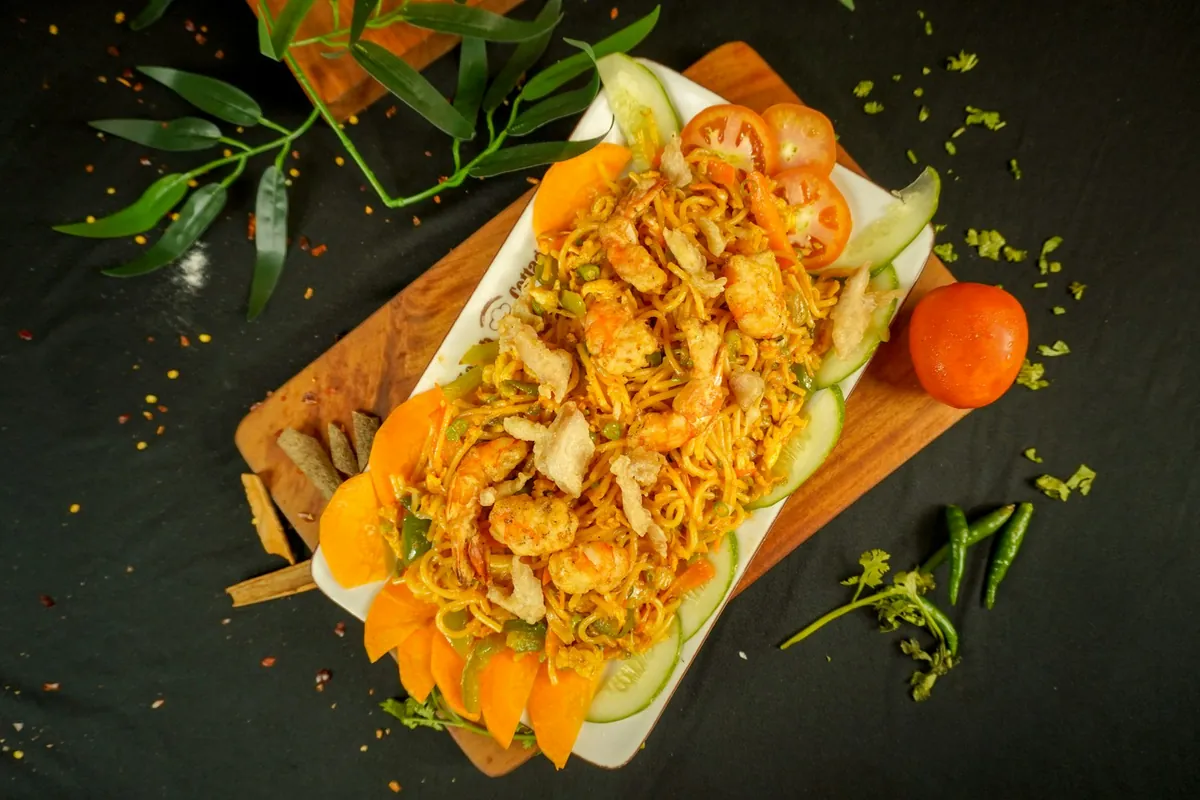
How mei fun appears on a Chinese restaurant menu
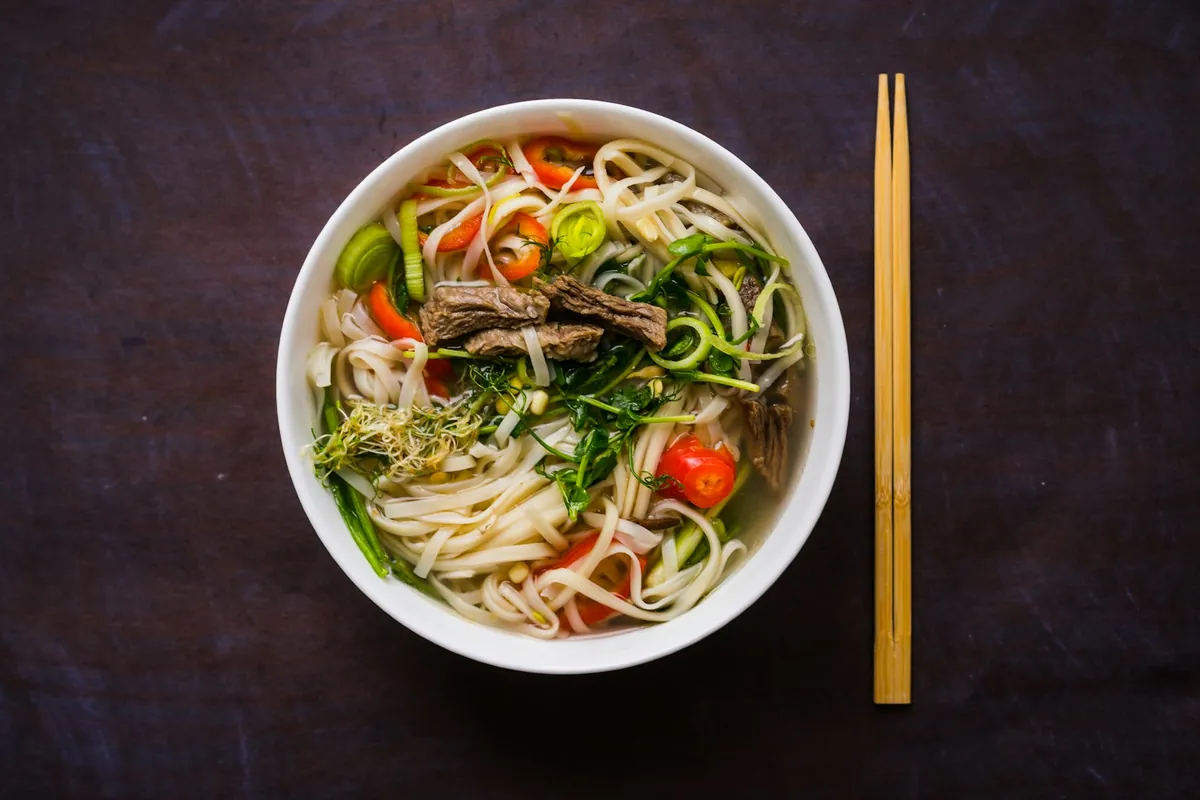
Mei fun almost always gets its own menu section rather than sitting inside the lo mein list, because the noodle is genuinely different. Listings are usually organized by protein, so you choose the version rather than the dish.
Frequently asked questions
Is mei fun the same as chow mein?
No. Chow mein is made with wheat noodles and mei fun is made with thin rice noodles. The confusion is understandable because some menus list a dish called “chow mein fun”, but the noodle base is the clearest way to tell them apart: wheat for chow mein, rice for mei fun.
Is chow mei fun spicy?
The standard soy-seasoned version is not spicy. Singapore mei fun is seasoned with curry powder, which gives it warmth and a mild kick rather than strong heat. If spice level matters to you, ask when ordering, since kitchens season to their own house standard.
Is mei fun gluten-free?
The noodle itself is made from rice, but the finished dish is usually not gluten-free. Soy sauce and other seasonings frequently contain wheat, and woks are shared between dishes. Treat it as a wheat-containing dish unless the restaurant confirms otherwise.
Does chow mei fun travel well as takeout?
It travels better than most noodle dishes. Because it is drier than lo mein, it is less likely to turn soft or sit in liquid on the way home. Keep the container flat and eat it while it is still warm for the best texture.
What is the difference between mei fun and pad thai?
Both use rice noodles, but they come from different cuisines and taste quite different. Pad thai is a Thai dish built on tamarind, fish sauce and palm sugar with peanuts and lime. Chow mei fun is Chinese and is seasoned with soy or curry, without the sweet-sour tamarind base.
The short version
Chow mei fun is stir-fried thin rice noodles, and the reason to order it is texture: light, separate strands instead of a heavy, sauced tangle. If you have worked your way through the lo mein list and want something that feels less filling without giving up a noodle dish, this is the one to try next.
The curry-seasoned Singapore version is the bigger leap in flavor, so if you want a genuine change from your usual order, start there.
Try it in Fayetteville
China King serves seven versions of chow mei fun on Walter Reed Road, alongside our lo mein and chow mein sections.
Sources
- Rice vermicelli — background on the noodle and its regional names.
- U.S. Food and Drug Administration: food allergies — cited above on allergen handling.