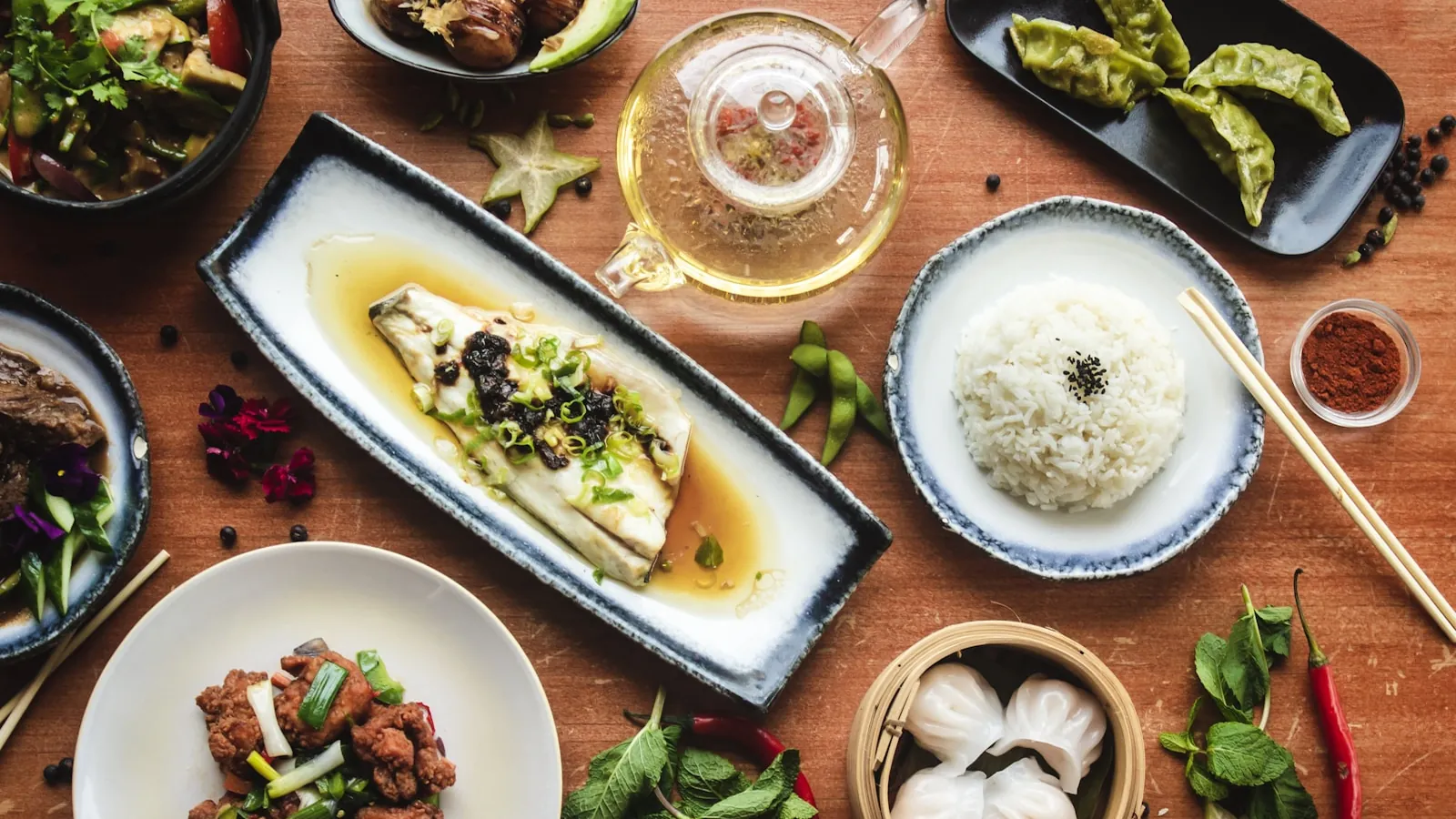
This is the decision people actually make at the counter, and it usually gets made on autopilot. Rice or noodles is not a coin flip — the two behave differently in a meal, and picking the wrong one is why an order sometimes feels heavier or blander than you expected.
Order fried rice if you want a dry, seasoned dish that reheats well and works alongside sauced entrees. Order lo mein if you want a soft, saucy noodle dish that feels more like a meal on its own. Fried rice is the better team player; lo mein is the better solo order.
They are not the same kind of dish
Both get treated as “the starch”, which is where the confusion starts. In practice they behave differently.
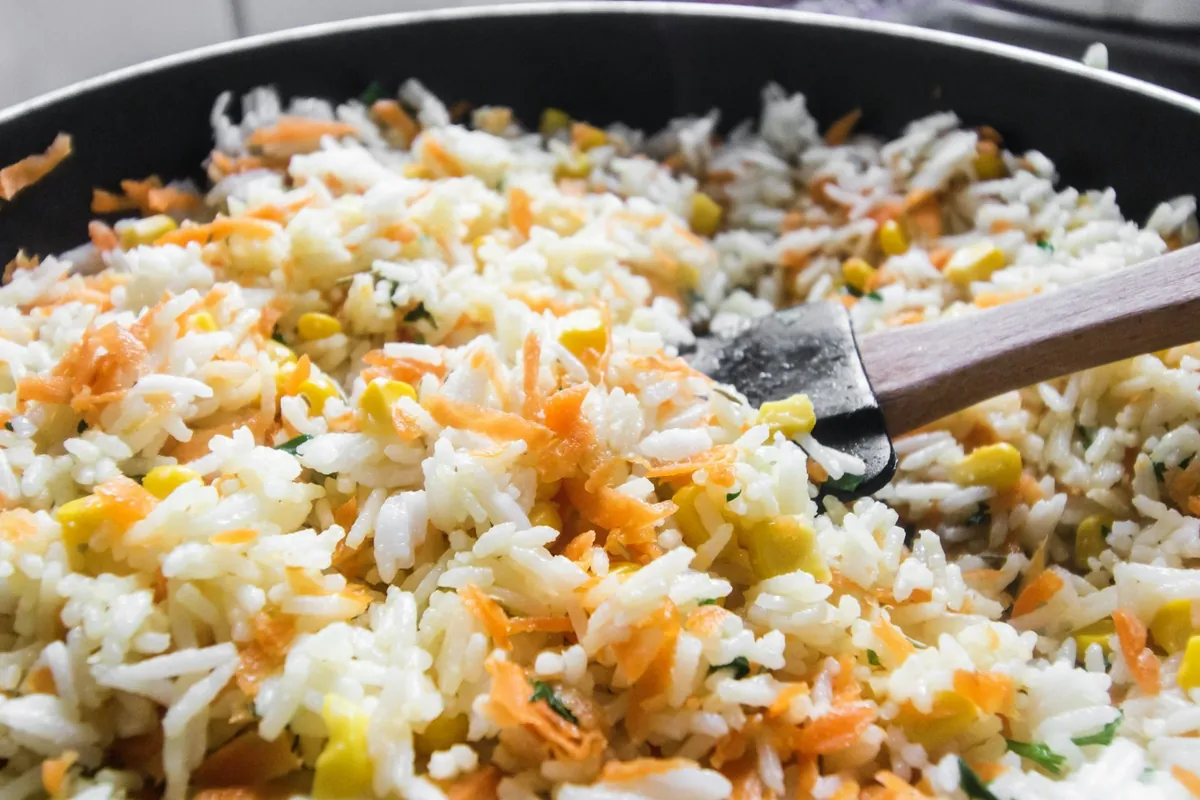
Fried rice is dry. The grains are separate, the seasoning is light, and there is no sauce pooling at the bottom of the container. That makes it a good surface for something else — you can spoon a sauced entree over it and the rice absorbs what it needs.
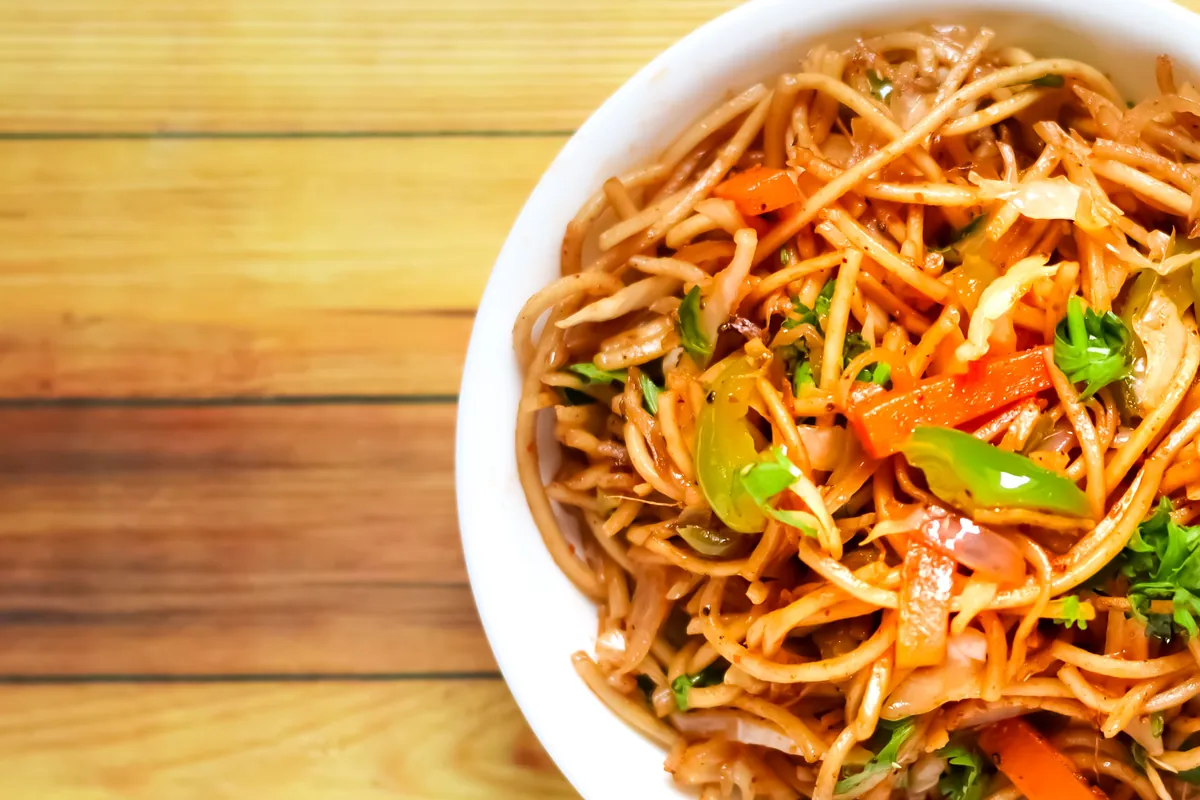
Lo mein is wet. The noodles are boiled soft and tossed with sauce, so the dish arrives already coated and already flavored. Put a sauced entree on top and you have two sauces competing.
Side by side
| Feature | Fried Rice | Lo Mein |
|---|---|---|
| Base | Cooked, cooled rice | Soft wheat noodles |
| Texture | Dry, separate grains | Soft, slippery, coated |
| Sauce | Light seasoning only | Tossed through |
| Contains egg | Usually, cooked through it | Usually in the noodle itself |
| Works under a sauced entree | Yes | Not really |
| As a standalone meal | Good | Better |
| Reheats | Very well | Well |
| Travels | Very well | Very well |
How to decide in ten seconds
Ask one question: is this dish supporting the meal, or is it the meal?
- Supporting. You have ordered two or three sauced entrees to share. Choose fried rice, or plain white rice if the entrees are heavily sauced.
- The meal. You are ordering one thing for yourself. Choose lo mein — it has protein, vegetables and sauce already in it, so it stands on its own.
- Both. Feeding four or more people, get one of each. The contrast is the point, and it stops the table tasting uniform.
Fried rice wins when
- You have sauced entrees to go over it
- You want the best leftovers on the menu
- You are feeding children who like plain food
- You want something that is not slippery to eat
Lo mein wins when
- You are ordering a single dish for yourself
- You want something comforting and saucy
- Nothing else in the order has a sauce
- You want the most filling option per container
The mistake almost everyone makes
Ordering fried rice and lo mein and three sauced entrees for two people. Both are substantial dishes, not sides, and together they crowd out the food you were actually looking forward to.
For two people, one starch is normally enough. For four, one of each. Our guide to how much Chinese food to order per person has a rule that scales properly.
Size changes the answer
Both come in small and large, and the size you pick matters as much as the choice between them.
A small of either is a single serving. A large is designed to be shared or to leave leftovers. Where people go wrong is ordering a large of both for two people, on the assumption that they are side dishes. They are not — a large lo mein alone will feed two people who are also having an entree.
If you are unsure, order one large rather than two smalls of different things. You get the same amount of food, usually for less money, and the table is not competing for two starches at once.
What about plain white rice?
It is the forgotten third option and often the right one. If your entrees are sauced — anything in a brown, garlic or sweet sauce — plain rice lets those dishes taste like themselves instead of competing with a seasoned base. It is also the cheapest thing on the menu.
Fried rice is a dish. Plain rice is a base. If you already have three dishes you are excited about, you want a base.
What goes well with each
Once you have picked your starch, the rest of the order gets easier, because the two want different company.
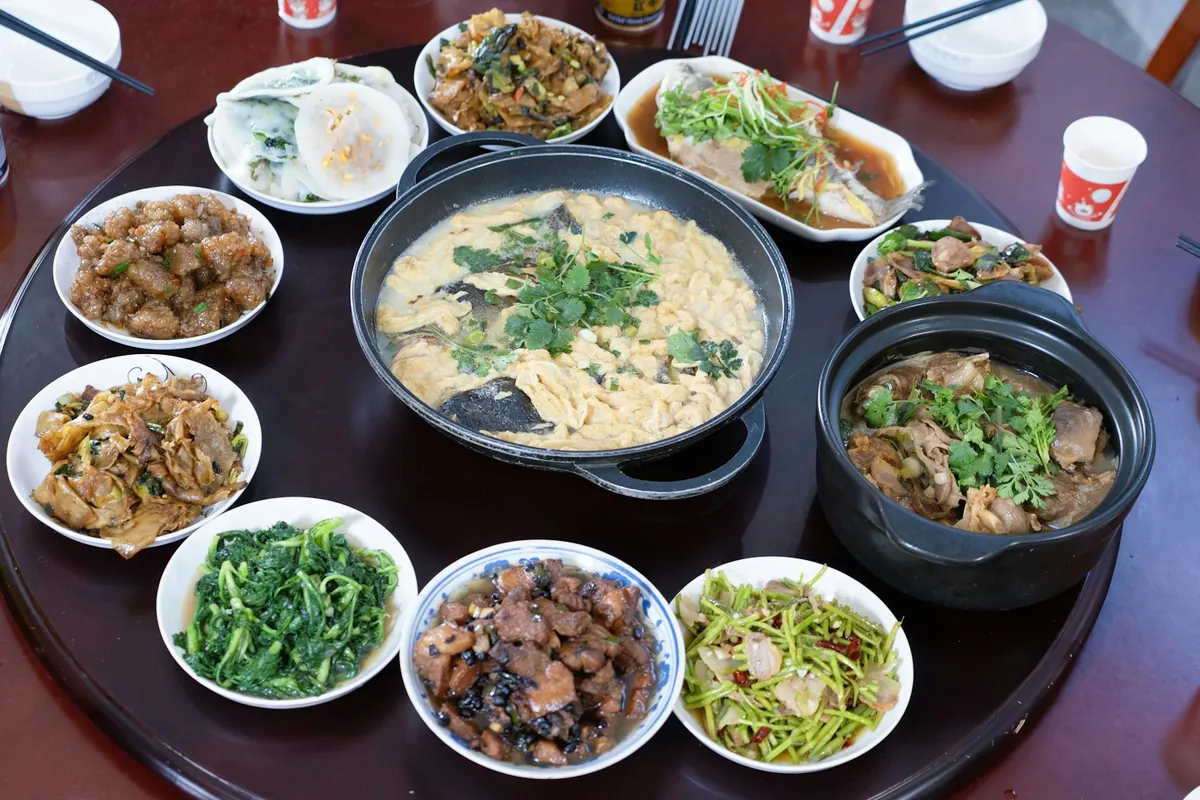
Fried rice pairs well with anything sauced. Beef with broccoli, a garlic sauce dish, sweet and sour pork, chicken with vegetables — all of these want something dry underneath them. It also works alongside a soup, because neither is competing for the same role.
Lo mein pairs better with dry or crisp dishes. Fried appetizers, boneless ribs, or a crisp chicken dish give you contrast rather than sauce on sauce. If you are having lo mein as the center of the meal, add something with texture rather than another sauced entree.
The one combination to avoid is lo mein plus a heavily sauced main plus fried rice. That is three sources of sauce and starch competing, and it is the order people most often regret.
Choosing the version
Both are listed by protein, and the same logic applies to each: pick a protein that is not already on the table. If you have ordered a chicken entree, a roast pork fried rice or a beef lo mein adds variety where a chicken version would just repeat.
House special versions of either put several proteins in one dish, which is the simplest choice when you are sharing and cannot agree.
Frequently asked questions
Which is more filling, fried rice or lo mein?
Lo mein usually feels more filling per container because the noodles are dense and coated in sauce. Fried rice is lighter per spoonful, which is part of why it works better alongside other dishes rather than instead of them.
Can I order both?
For a group of four or more, yes — one of each gives the table contrast. For one or two people it is usually too much starch, and the entrees end up going uneaten.
Which is better for leftovers?
Fried rice. It is low in moisture and has no crisp coating to lose, so it reheats close to how it started. Lo mein also keeps well but can dry out or clump a little.
Is one healthier than the other?
There is no reliable general answer, because preparation, oil and portion size vary far more between restaurants than the two dishes differ from each other. If you need specific nutrition information, ask the restaurant directly.
The short version
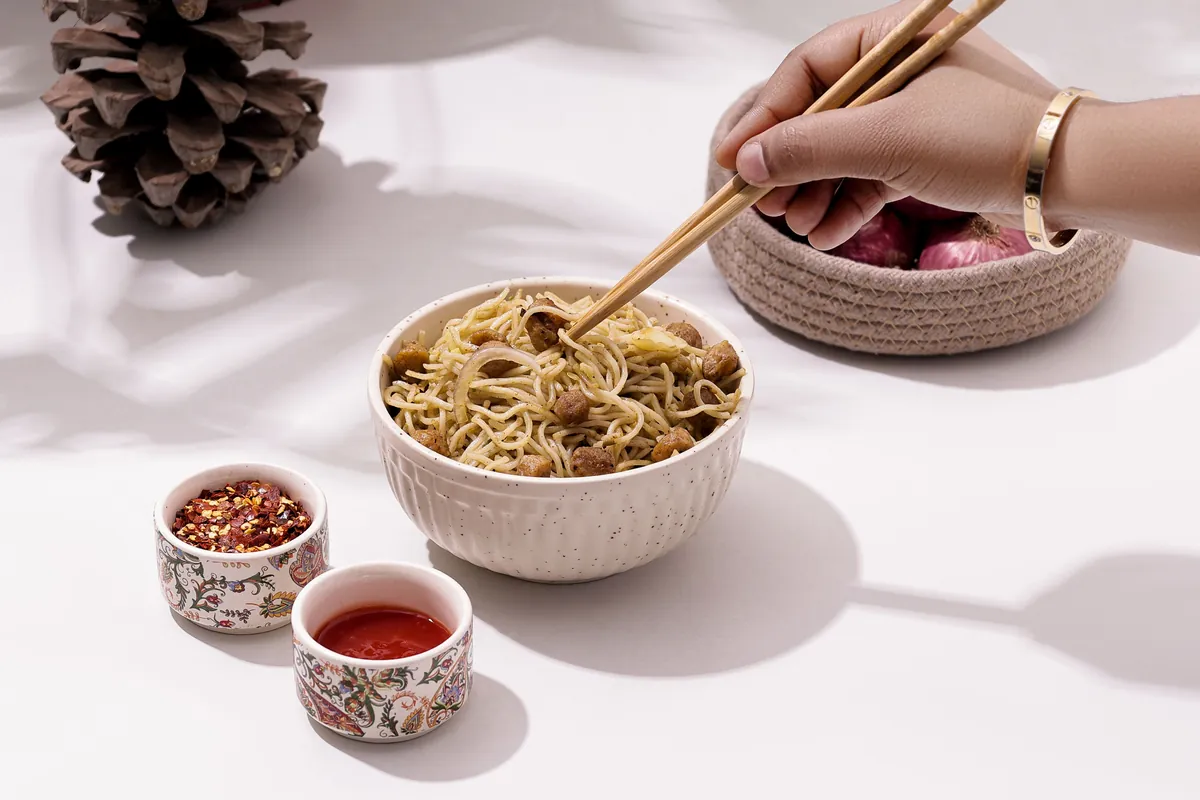
Fried rice supports a meal; lo mein is a meal. Ordering several sauced dishes to share? Rice. Ordering one thing for yourself? Noodles. Feeding a crowd? One of each, and skip the second entree you were about to add.
Rice or noodles in Fayetteville?
China King lists nine fried rice dishes and seven lo mein dishes on Walter Reed Road.
Sources
- Encyclopaedia Britannica: noodle — on wheat noodle types and how they are made.