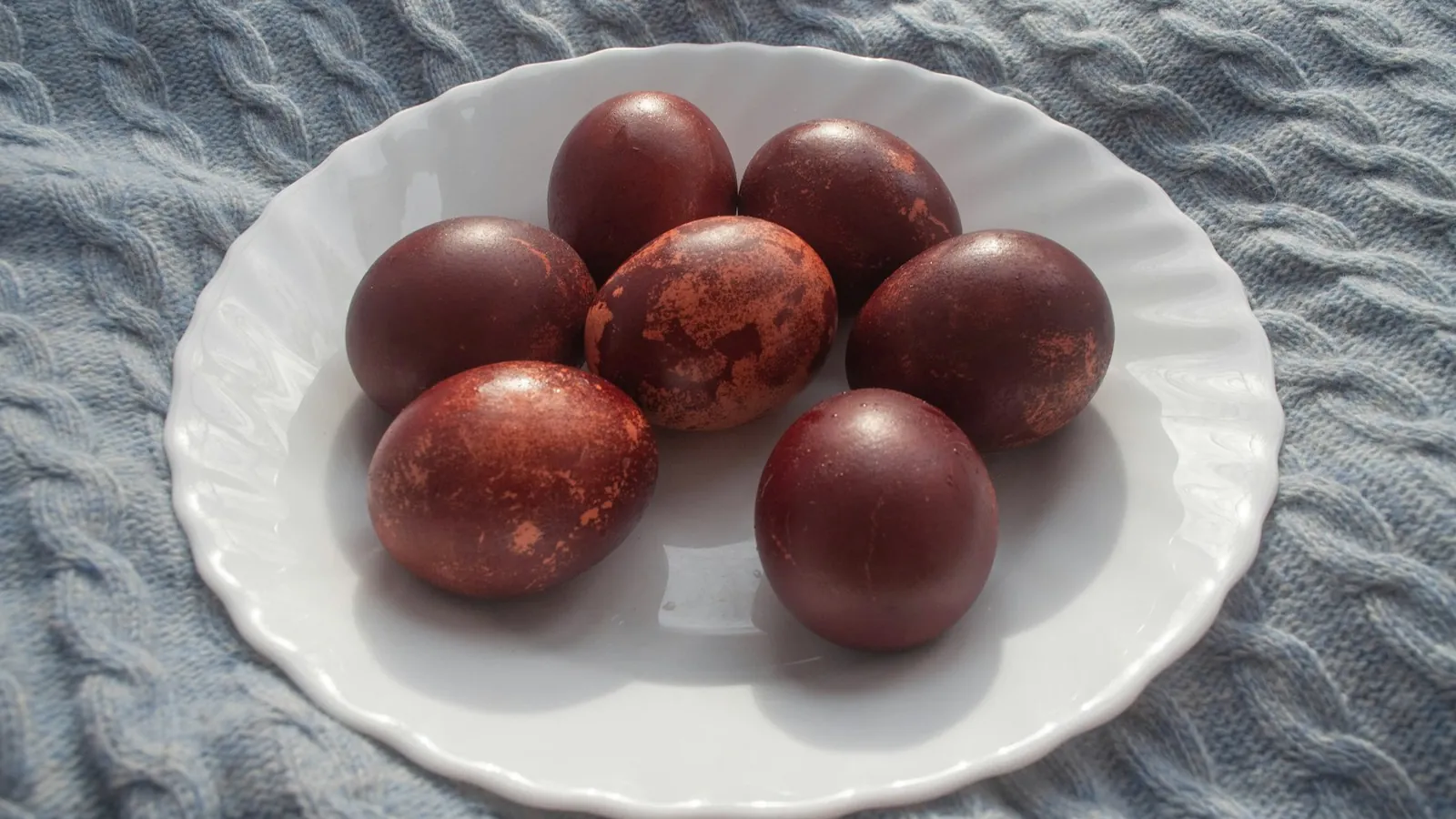
The century egg is the single food most often held up as evidence that Chinese cuisine is strange. It is black, it is translucent, and it looks like something that went wrong. It is also an ordinary preserved food made by a method no more alarming than the one that produces cheese, and it deserves a straight explanation rather than a reaction shot.
A century egg is a duck or chicken egg cured for weeks in an alkaline mixture. The alkalinity changes the proteins — the white becomes a translucent amber jelly and the yolk turns dark green and creamy. It is not rotten, not fermented and not a century old. The name is an exaggeration.
What the process actually does
Eggs are packed in a mixture that is strongly alkaline — traditionally clay, ash, salt, quicklime and rice hulls, and in modern commercial production a controlled alkaline solution.
Over several weeks to a few months, that alkalinity works through the shell and raises the pH inside the egg. High pH denatures the proteins in the white, turning it from opaque liquid to a firm translucent jelly, and drives chemical changes in the yolk that darken it to grey-green and soften it to a creamy consistency.
That is the whole mechanism, and it is worth naming what it is not. There is no rotting: the alkaline environment prevents the bacteria that spoil food. There is no fermentation in the sense that yogurt or soy sauce involves fermentation — our guide to soy sauce covers what genuine fermentation looks like. This is a chemical cure, closer in principle to the alkaline treatment used on pretzels or on corn for masa.
The “thousand year” and “century” names describe the appearance rather than the age. A commercial egg is ready in weeks.
What it tastes like
Much milder than it looks, which is the consistent surprise.
The white is largely neutral — savory and jelly-like with very little flavor of its own. The yolk carries the taste: rich, creamy, faintly sulphurous, and distinctly savory in a way that reads as deeply eggy rather than as anything unpleasant.
The comparison people find most useful is a strong cheese. Not in flavor, but in structure: an assertive, ammoniac edge over a rich base, which is off-putting on first encounter and becomes appealing quickly if you let it. A well-made egg has that edge faintly; an old or poorly made one has it strongly, which is worth knowing when judging a first experience.
| Fresh egg | Century egg | |
|---|---|---|
| White | Opaque, liquid | Translucent amber-brown jelly |
| Yolk | Yellow, firm or runny | Dark grey-green, creamy |
| Smell | Neutral | Faintly sulphurous, ammoniac |
| Taste | Mild | Rich, savory, mild in the white |
| Cooked? | Raw until cooked | Cured, ready to eat |
How it is eaten
Rarely alone, and almost always with something to balance it.
With congee. The classic pairing, usually with shredded pork, where the richness of the yolk melts into the plain rice porridge. Our guide to congee covers that dish, and this is its most famous topping.
With pickled ginger. Sliced into wedges and served with sweet pickled ginger as a cold appetizer. The sharpness of the ginger against the richness of the yolk is the entire logic of the pairing.
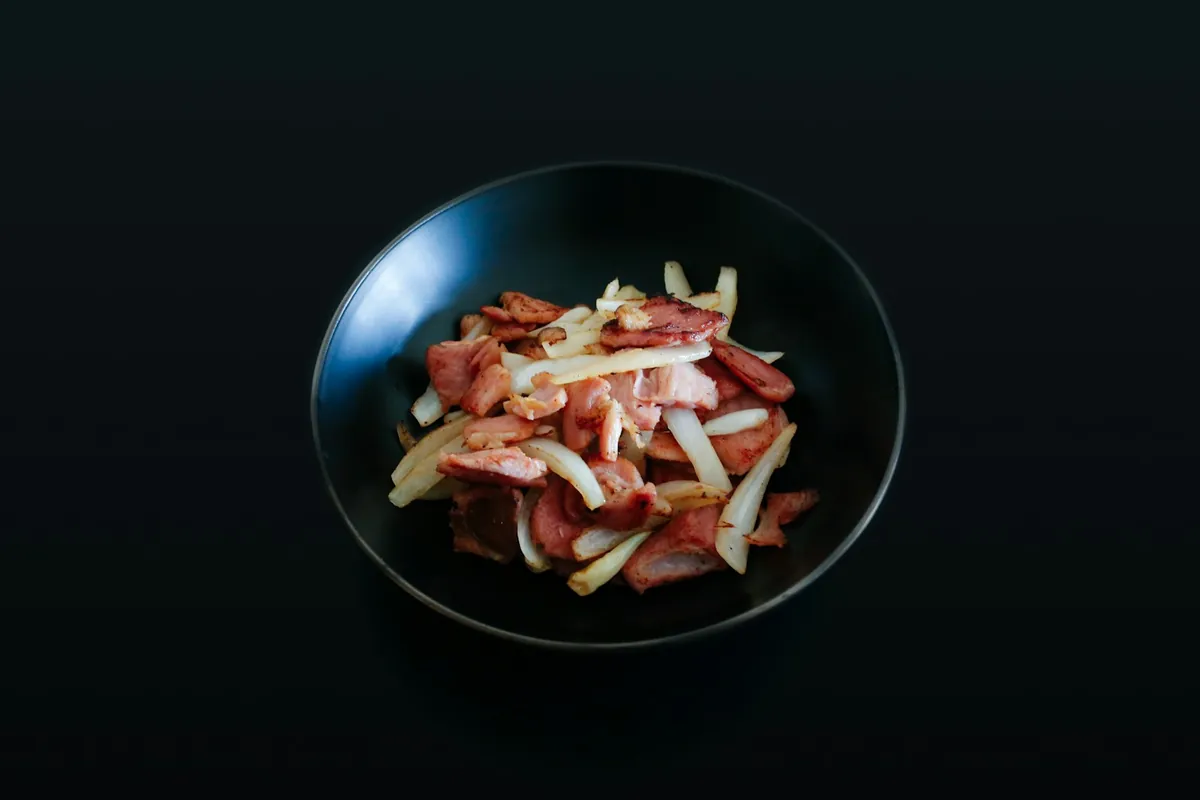
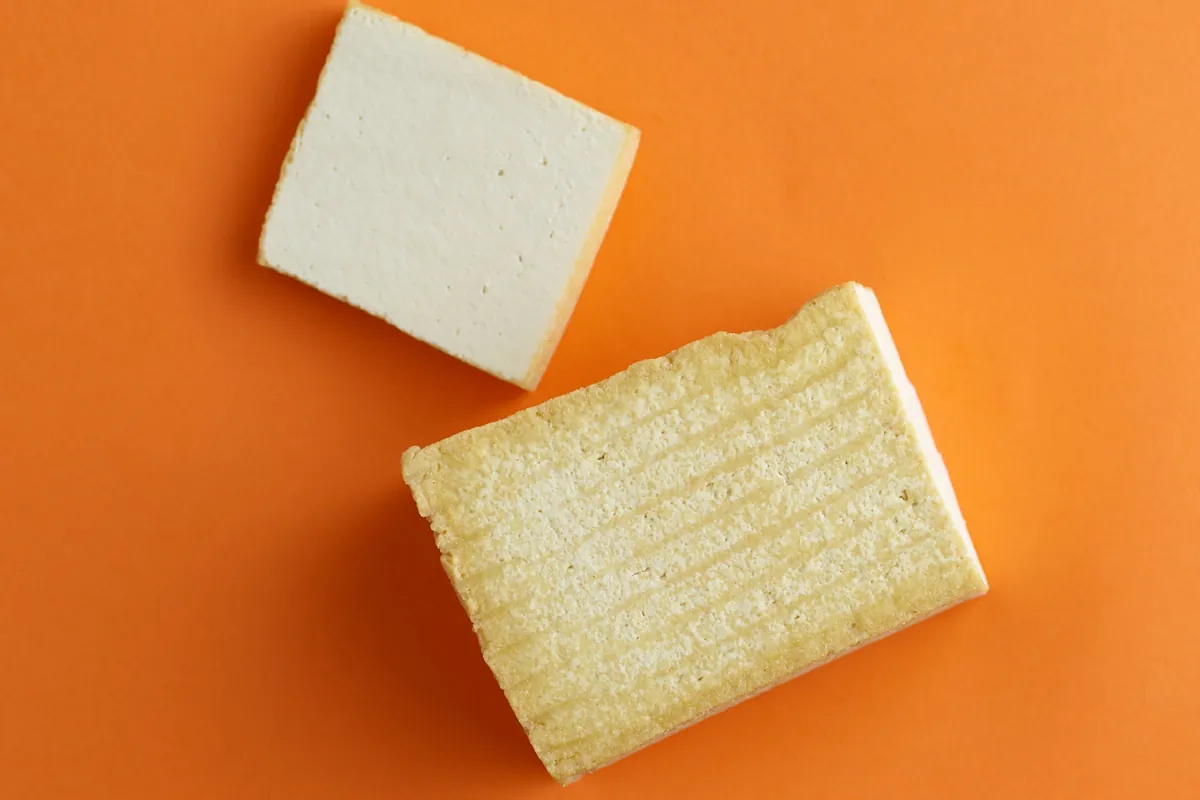
With tofu. A cold dish of silken tofu topped with chopped century egg and soy, which is common and takes no cooking at all.
It is not usually cooked further. The cure has already done the work, and heat mostly makes the texture worse.
The safety question, handled properly
Worth addressing directly because it is a genuine question rather than squeamishness.
The historical concern is real: traditional and some older commercial production used lead oxide in the curing mixture to speed and stabilize the process. That is a legitimate health issue, it was documented, and it led to regulation. Modern commercial production in regulated markets uses lead-free methods, and products sold in the United States are subject to food safety and labelling requirements.
The practical advice follows from that rather than from folklore: buy from a reputable retailer, look for lead-free labelling where it is offered, and treat unlabelled products of unknown provenance with the same caution you would apply to any imported food.
The cure itself is not the hazard. An alkaline environment is inhospitable to the microbes that cause foodborne illness, which is precisely why the method preserves eggs in the first place. Our guide to food storage and safety covers the general principles.
Trying one, if you want to
A good first encounter
- In congee, where it is diluted
- With pickled ginger to cut it
- Bought fresh from a busy grocery
- Eaten cold, as intended
A poor first encounter
- Alone, on a plate, as a dare
- An old egg with a strong ammonia smell
- Cooked or heated
- Approached as a challenge
The right-hand column describes how most Westerners meet it, which explains a great deal about its reputation. A food eaten as a dare is not being tasted; it is being survived.
Its actual place in Chinese eating is unremarkable: a cheap, shelf-stable savory ingredient that adds richness to plain food. That is a much duller description than the one it usually gets, and a much more accurate one.
Frequently asked questions
What is a century egg?
A duck or chicken egg cured for weeks in a strongly alkaline mixture. The high pH turns the white into a translucent amber jelly and the yolk dark green and creamy. It is not rotten, not fermented and not a hundred years old.
How long does a century egg actually take?
Weeks to a few months, depending on the method. Commercial production is at the shorter end. The “century” and “thousand year” names describe how the egg looks rather than how long it took to make.
What does a century egg taste like?
Much milder than it looks. The white is nearly neutral and jelly-like; the yolk is rich, creamy and savory with a faint sulphurous edge. The useful comparison is a strong cheese — assertive over a rich base, and easier to like than to look at.
Are century eggs safe to eat?
The alkaline cure itself preserves rather than spoils. The genuine historical concern was lead oxide used in some traditional and older commercial curing, which led to regulation; modern regulated production uses lead-free methods. Buy from reputable retailers and look for lead-free labelling.
How should I eat one for the first time?
In congee, or sliced with sweet pickled ginger. Both dilute the richness and give it something to work against. Eating one alone as a dare is how most people meet it, and it is the worst possible introduction.
The short version
An egg cured in alkali for weeks until the white sets to jelly and the yolk turns dark and creamy. A chemical cure, not rot, not fermentation, and nowhere near a century.
Milder than it looks, best in congee or with pickled ginger, and thoroughly ordinary once you stop treating it as a spectacle.
Order from China King
No century eggs — but the soups and appetizers are on the menu.
Sources
- Century egg — on the curing method, the chemistry and the lead-oxide history.
- FDA: Safe food handling — on general food safety practice.