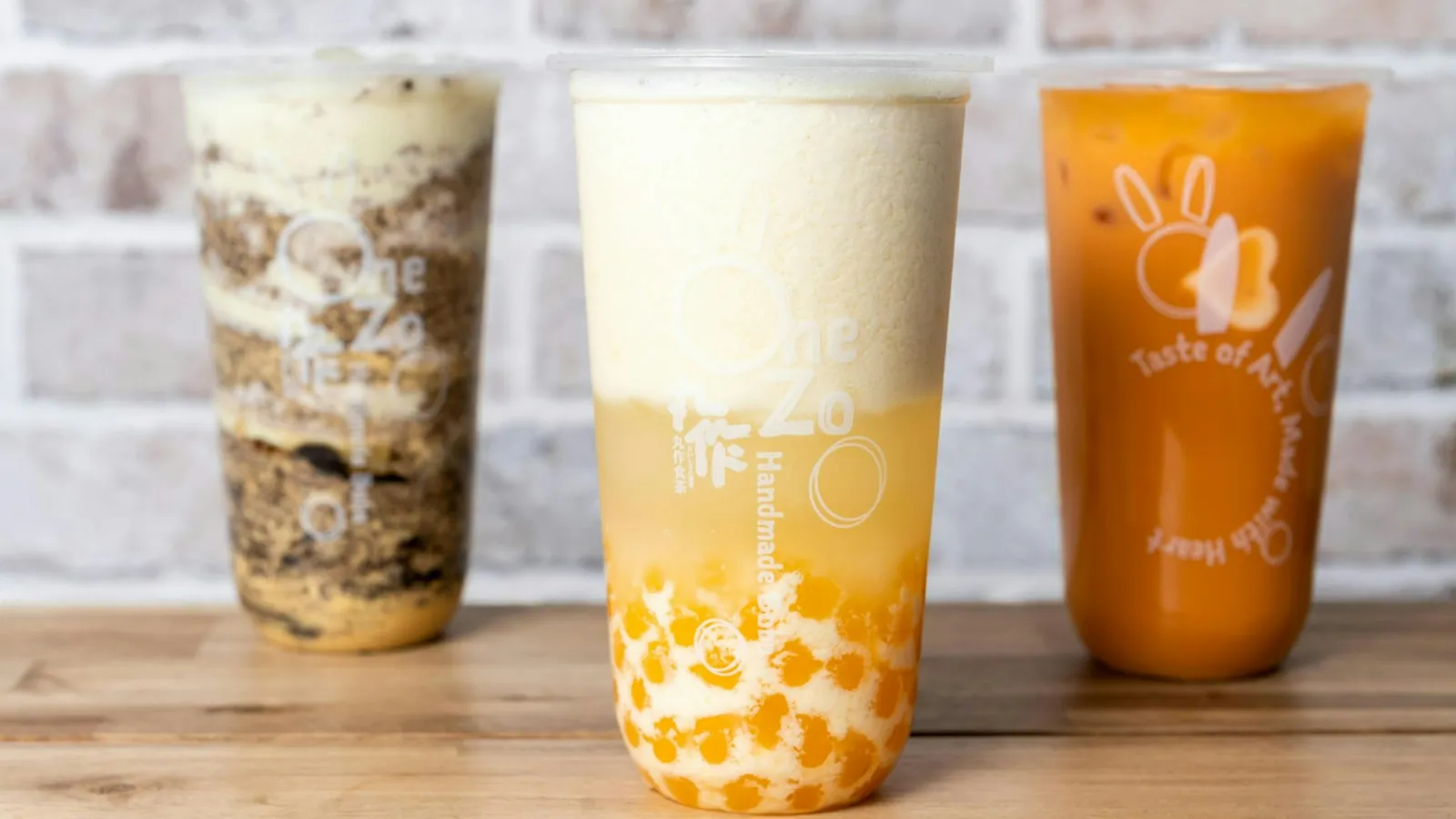
Bubble tea is the most successful Asian drink export of the last forty years, it is sold within a few doors of a great many Chinese restaurants, and it is not Chinese. It is also not really a tea in the way most people mean, and the “bubble” is not what most people think.
Bubble tea is Taiwanese, invented in the 1980s. It is sweetened tea with milk, shaken, served cold over chewy tapioca pearls you drink through a wide straw. “Bubble” originally referred to the foam from shaking, not the pearls — though almost everyone now means the pearls.
Where it came from
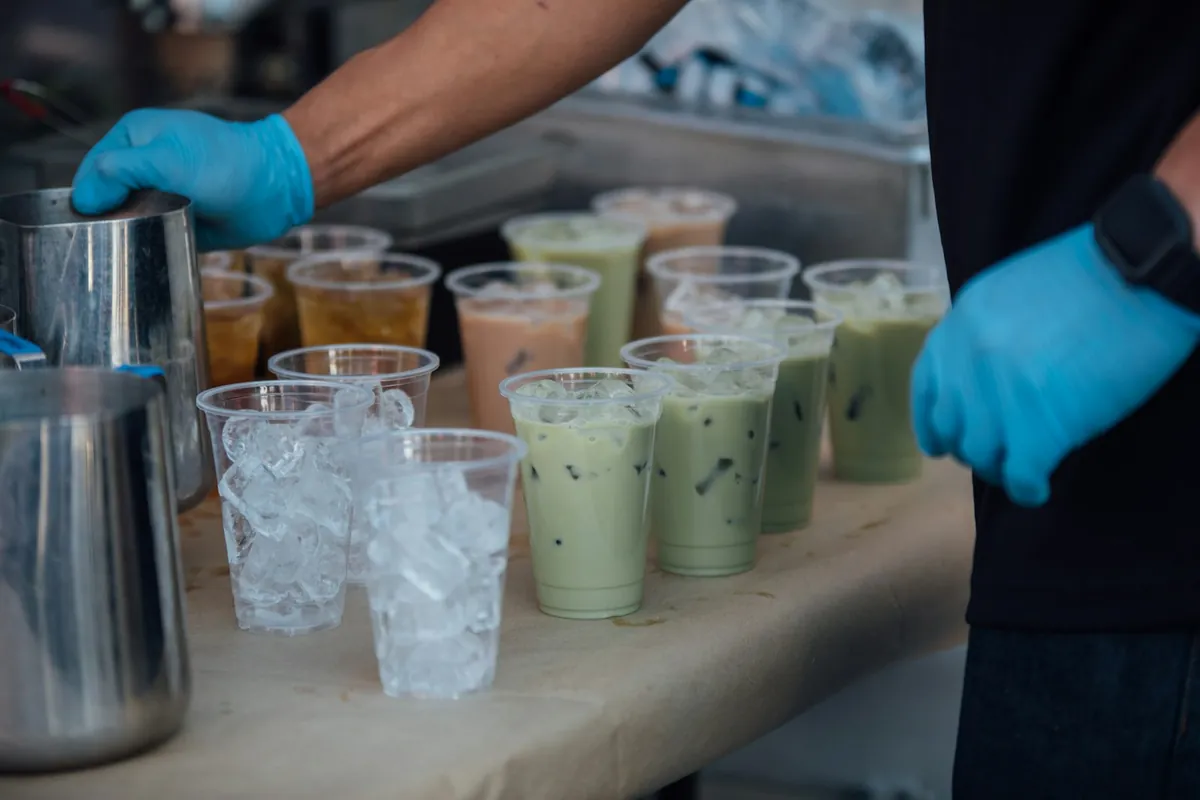
Taiwan, in the 1980s, in a tea shop. Two establishments in different Taiwanese cities both claim the invention and the dispute has never been settled — a pattern that will be familiar from the fortune cookie, which has the same problem between two California cities.
The elements were already there. Taiwan had a strong tea culture, cold shaken tea was already being sold, and tapioca pearls were an existing dessert ingredient. Somebody put them together, and the format spread through Taiwan, then East and Southeast Asia, then everywhere.
The name is worth explaining because it misleads. Shaking sweetened tea produces a layer of foam on top, and those bubbles gave the drink its name. The tapioca pearls came to be called bubbles later by association, and now the original meaning has been almost entirely displaced.
It is called boba in much of the United States, which comes from a Chinese slang term for the pearls. Bubble tea and boba refer to the same thing.
What is actually in it
| Component | What it is |
|---|---|
| Tea base | Usually black or green tea, brewed strong |
| Milk | Dairy, non-dairy creamer, or a plant milk |
| Sweetener | Sugar syrup, usually adjustable by percentage |
| Tapioca pearls | Cassava starch, boiled then steeped in syrup |
| Ice | Shaken in; also adjustable |
The pearls are the part people ask about. They are made from tapioca — starch extracted from the cassava root — rolled into balls, boiled until translucent and chewy, then soaked in sugar syrup. They have almost no flavor of their own beyond the syrup, and the point of them is entirely texture.
That texture has a name in Chinese food vocabulary: QQ, meaning a springy, bouncy chewiness that is considered a desirable quality rather than an oddity. Western food culture has no real equivalent word, which is part of why the pearls divide people so sharply.
Ordering it, if you have not before
Bubble tea shops ask more questions than most drink counters, and the questions are the useful part.
Sugar level. Usually offered as a percentage — 100%, 75%, 50%, 25%, zero. A standard bubble tea at full sweetness is a sweet drink, and most regulars order at 50% or below. This is the single most useful thing to know before your first order.
Ice level. Same scale. Less ice means less dilution and a stronger drink.
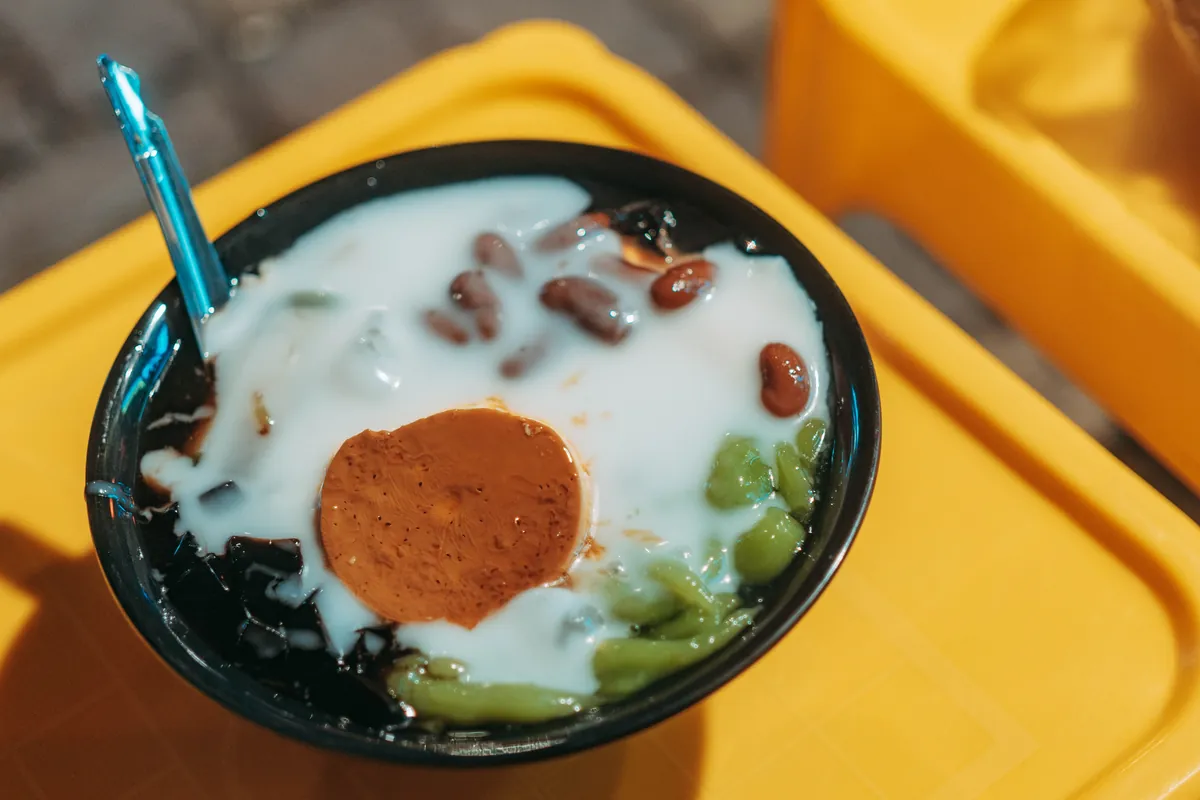
Toppings. Tapioca pearls are the default, but shops carry grass jelly, popping boba filled with juice, aloe, pudding and red bean. You can also have none.
Tea base. Black tea is the standard and the most robust against milk. Green and oolong are lighter. Some shops do a roasted oolong that is genuinely worth seeking out.
For a first order
- Classic milk tea, black tea base
- Sugar at 50%
- Tapioca pearls, regular
- Less ice, if the shop offers it
Worth knowing
- Pearls are meant to be chewy, not soft
- They harden if the drink sits too long
- The wide straw is functional
- Fruit teas usually come without milk
Why it is not on Chinese restaurant menus
Three practical reasons, and none of them is about the drink being unpopular.
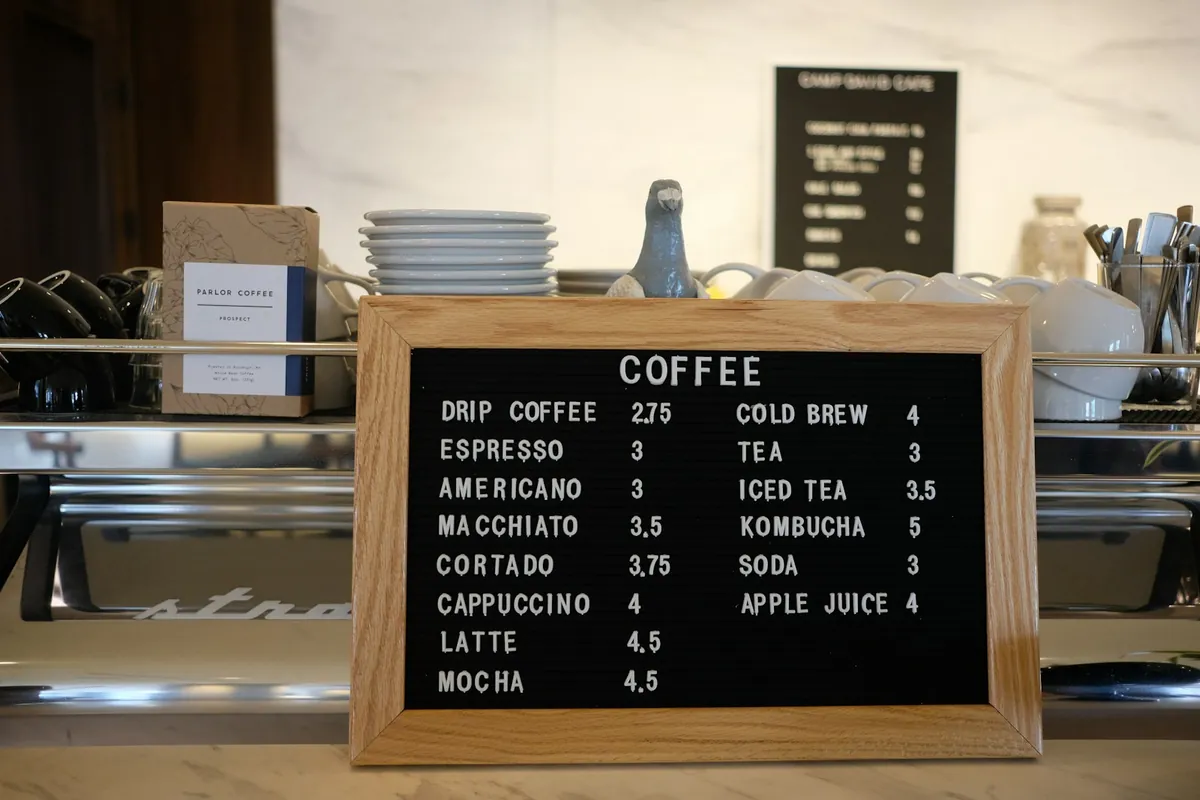
It is a different trade. Bubble tea shops brew tea in batches, cook pearls in cycles through the day, and operate a sealing machine and a shaker station. That is a beverage business, not something a wok kitchen has room or staff for.
The pearls have a short window. Cooked tapioca is good for a few hours and then hardens. A restaurant selling a handful of drinks a day would be throwing most of a batch away.
It is Taiwanese, not Chinese. American Chinese menus absorbed plenty from elsewhere — teriyaki is Japanese and on many of them — but those crossovers were kitchen items, not a separate drinks operation.
What Chinese restaurants do sell is covered in our guide to what to drink with Chinese food: soft drinks, iced tea, and in a dining room, hot tea.
Does it go with Chinese food?
Honestly, not especially, and it is worth saying why rather than pretending otherwise.
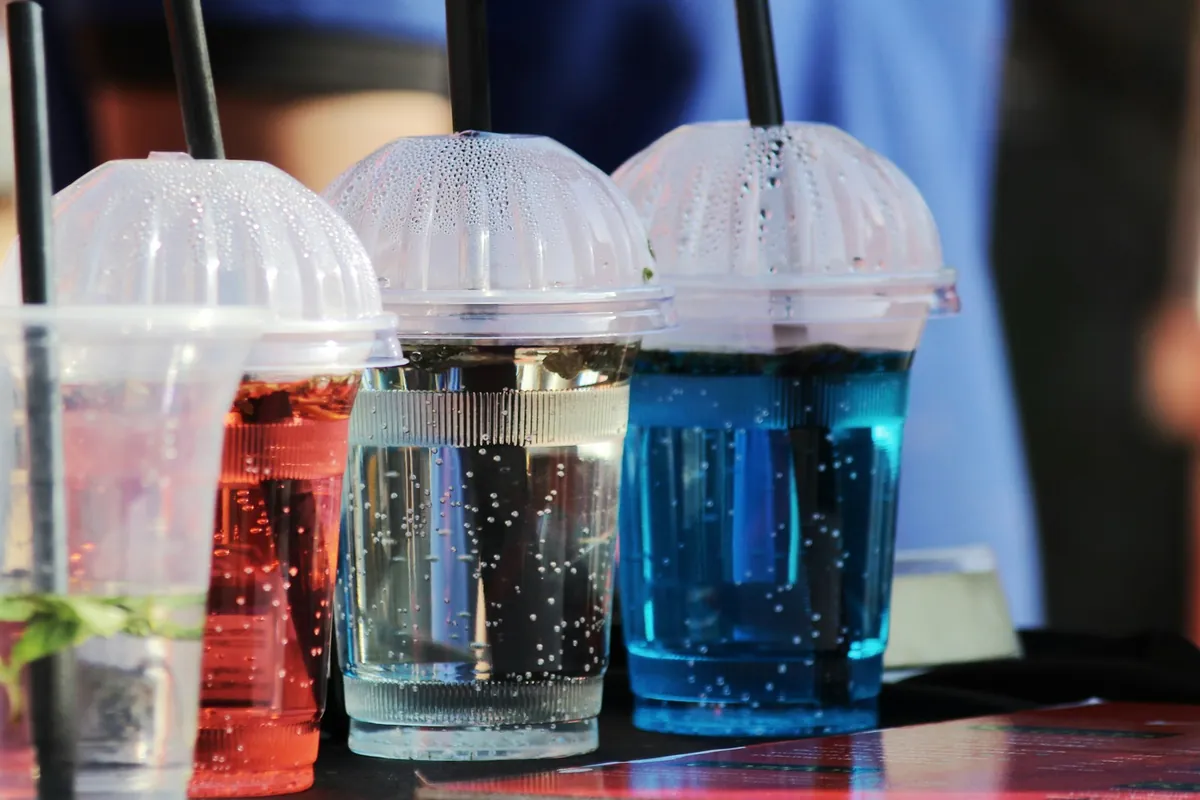
Bubble tea is sweet, cold, creamy and filling. Chinese takeout is savory and often already sweet in places, and the traditional pairing is hot unsweetened tea precisely because it cuts through oil rather than adding to the load.
A full-sugar milk tea alongside a fried dinner is a great deal of sugar and richness at once. If you want both, the sensible order is bubble tea afterwards, as a dessert, which is roughly how it is treated in Taiwan anyway.
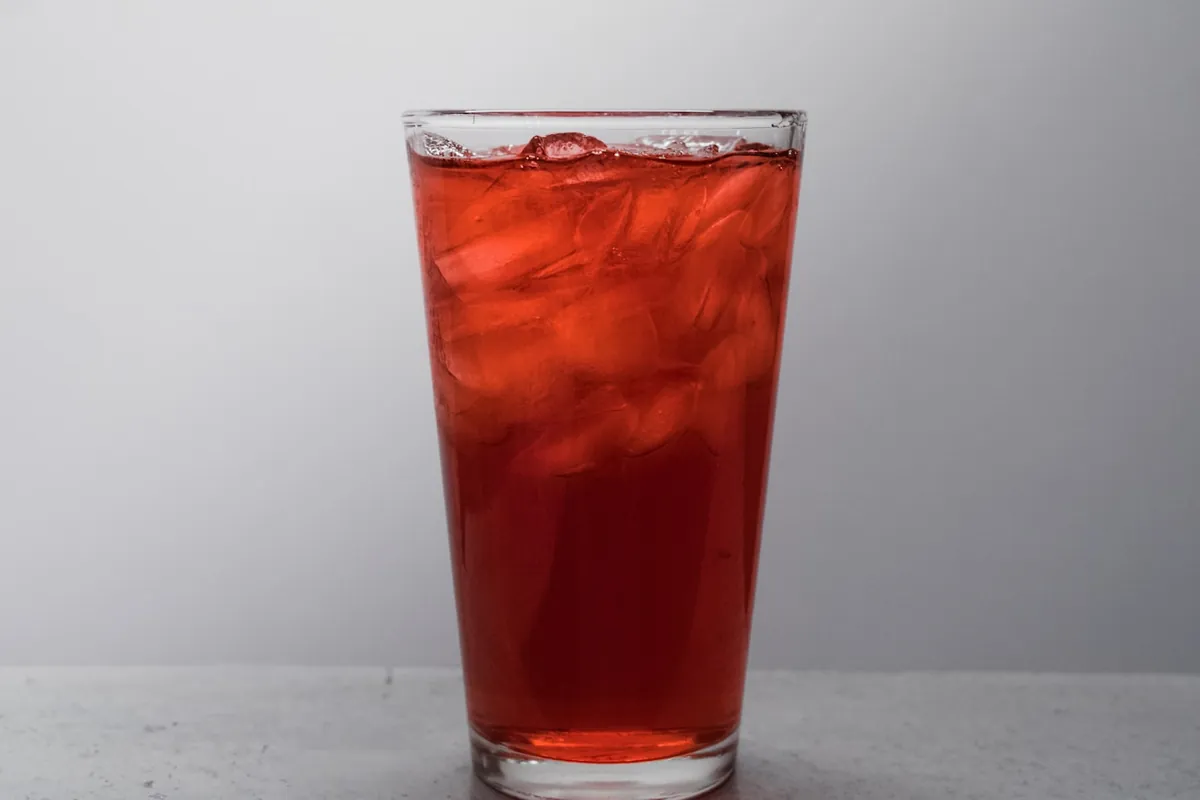
The exception is a fruit tea without milk, which is sharper and lighter and sits far better next to savory food.
Frequently asked questions
What is bubble tea?
Sweetened tea with milk, shaken and served cold over chewy tapioca pearls, drunk through a wide straw. It originated in Taiwan in the 1980s. Sugar and ice levels are usually adjustable when you order.
Is bubble tea Chinese?
No, it is Taiwanese — invented in the 1980s, with two shops in different Taiwanese cities both claiming it. It spread through Asia and then worldwide, but it is not part of the Chinese restaurant tradition and is not on Chinese takeout menus.
What are boba pearls made of?
Tapioca, which is starch extracted from the cassava root. The starch is rolled into balls, boiled until translucent and chewy, then steeped in sugar syrup. They have little flavor of their own — the point of them is texture.
Why is it called bubble tea?
Originally for the foam produced by shaking the sweetened tea, not for the pearls. The tapioca came to be called bubbles later by association, and that meaning has now almost entirely displaced the original one.
What sugar level should I order?
Fifty percent is a good first order. Full sweetness is genuinely sweet and most regulars order at half or less. Ice level is adjustable on the same scale, and less ice means less dilution.
The short version
Taiwanese, from the 1980s. Shaken sweet milk tea over chewy tapioca pearls, with the sugar level up to you. The “bubbles” were originally the foam.
Not on Chinese menus because it is a separate beverage trade, and not a natural partner for a savory Chinese meal. Order it after, as dessert.
Order from China King
Soft drinks, lemonade and sweet tea — and the food to go with them.
Sources
- Bubble tea — on its Taiwanese origin, the competing claims and the meaning of the name.
- Britannica: cassava — on the root that tapioca starch comes from.