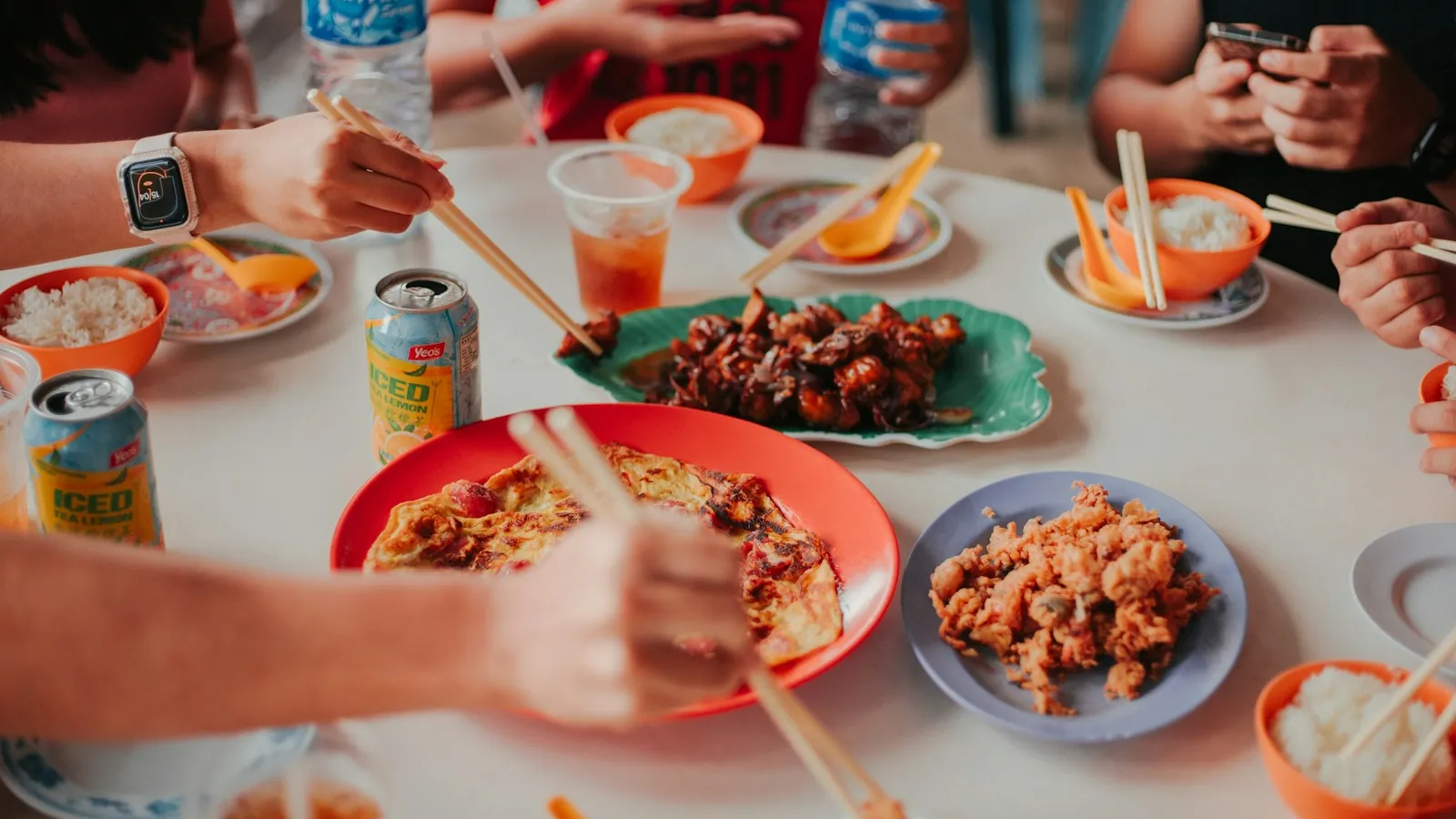
Chinese menus look risky to a cautious eater: unfamiliar names, unclear spice levels, and dishes that arrive looking nothing like the description. In practice a Chinese restaurant is one of the easier places to feed a fussy child, once you know which parts of the menu to stay in.
Chicken fried rice, plain or chicken lo mein, sweet and sour chicken and egg drop soup between them cover almost every cautious eater. All four are mild, none contain chili, and all four are familiar in texture.
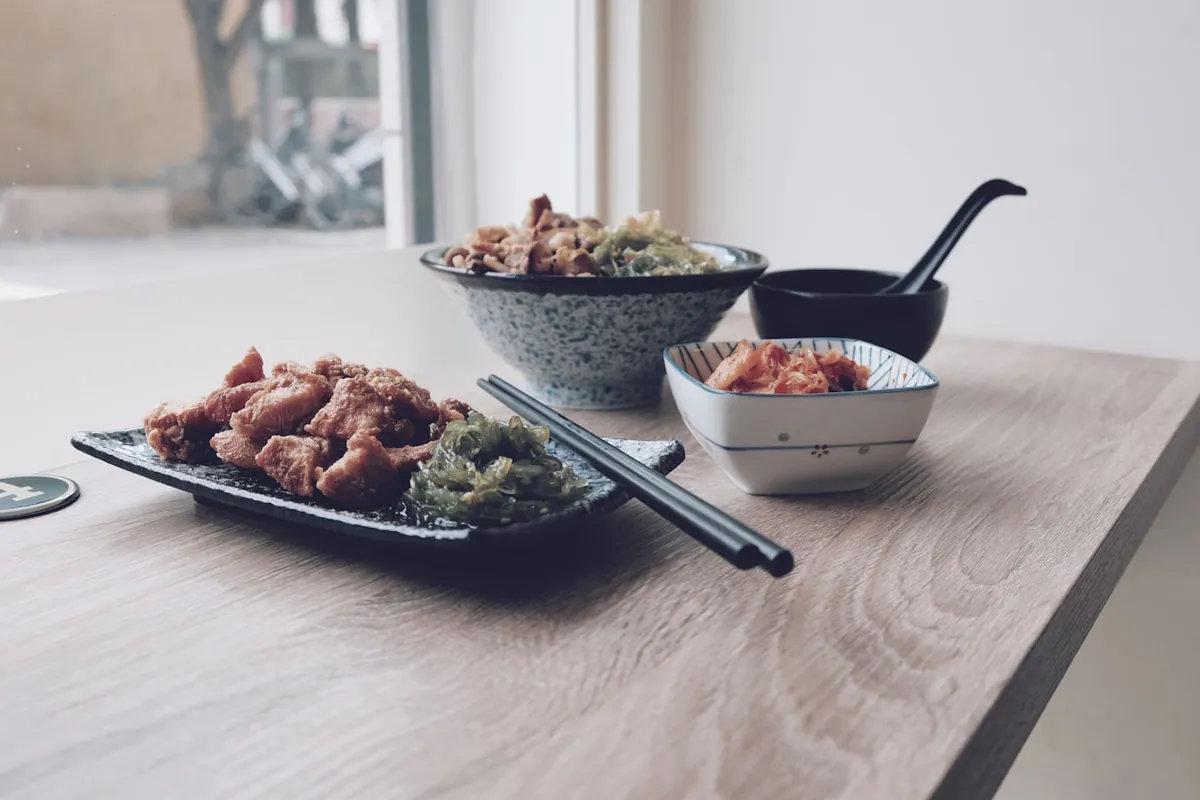
Why these four work
It is not really about flavor — it is about predictability. Children reject food that surprises them, and these four are consistent from one visit to the next.
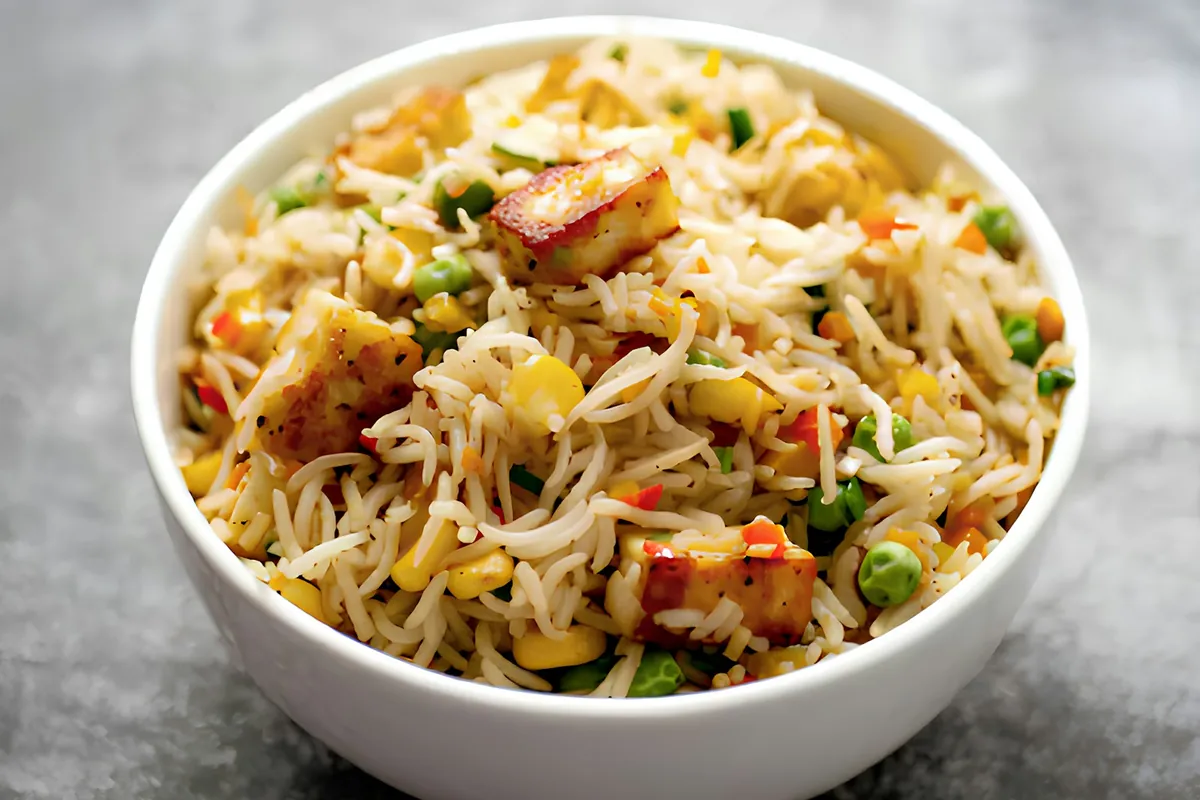
- Chicken fried rice — rice, egg, small vegetables and chicken. Nothing hidden, nothing wet, and the pieces are small.
- Lo mein — soft noodles that eat like pasta, which most children already accept.
- Sweet and sour chicken — battered chicken with a sauce served separately, so a child who does not want sauce can simply skip it.
- Egg drop soup — the mildest thing on the menu, and easy to eat with a spoon.
That last point about sweet and sour matters more than it sounds. A dish where the sauce arrives on the side is a dish you can adjust at the table, which is exactly what you want with an unpredictable eater.
What tends to go wrong
Four things, in rough order of how often they cause trouble.
- Unexpected heat. Spice levels vary between kitchens, and a dish that was mild somewhere else may not be here.
- Wet textures. Many children who eat chicken happily will refuse the same chicken in a glossy sauce. Sauce-on-the-side solves this.
- Visible vegetables. Not the presence of vegetables, but the size — large pieces of pepper or onion get picked out, while the fine dice in fried rice usually does not.
- Assembly. Dishes that arrive as components, like moo shu with its pancakes, are interesting for adults and fiddly for a hungry six-year-old.
How to ask, so it actually works
Restaurant staff field these questions all day. Being specific gets better results than being polite and vague.
- “No spice at all” rather than “mild” — mild means different things in different kitchens.
- “Sauce on the side” for anything battered, and for egg foo young.
- “Is there anything spicy in this?” before ordering a dish you do not know.
- Ask about the vegetables if large pieces are a problem — some dishes can be made with a finer cut.
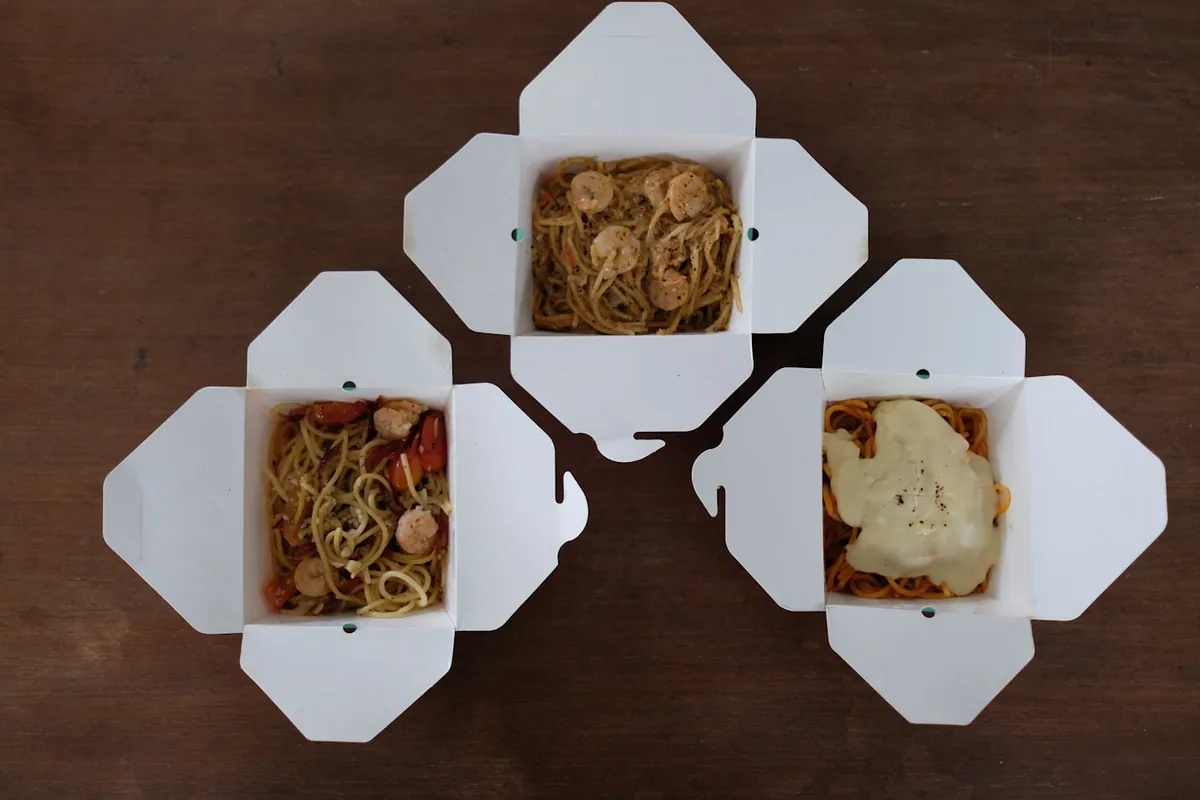
A safe-to-adventurous ladder
| Dish | Why it works | Watch for |
|---|---|---|
| Egg drop soup | Mildest thing on the menu | Contains egg |
| Chicken fried rice | Dry, small pieces, familiar | Contains egg and soy |
| Lo mein | Eats like pasta | Soft, sauced texture |
| Sweet and sour chicken | Sauce usually separate | Battered and fried |
| Boneless ribs | Finger food, no sauce needed | Sweet, and fried |
| Chicken with broccoli | Two recognizable ingredients | Brown sauce coating |
| Sesame chicken | Sweet and mild, no chili | Contains sesame |
| Steamed dishes | Nothing hidden, no sauce | Plainer than some children like |
Work down that list over a few visits rather than jumping to the bottom of it. A child who liked lo mein last time is far more likely to try chicken with broccoli than to try something from the spicy section.
Portioning for children
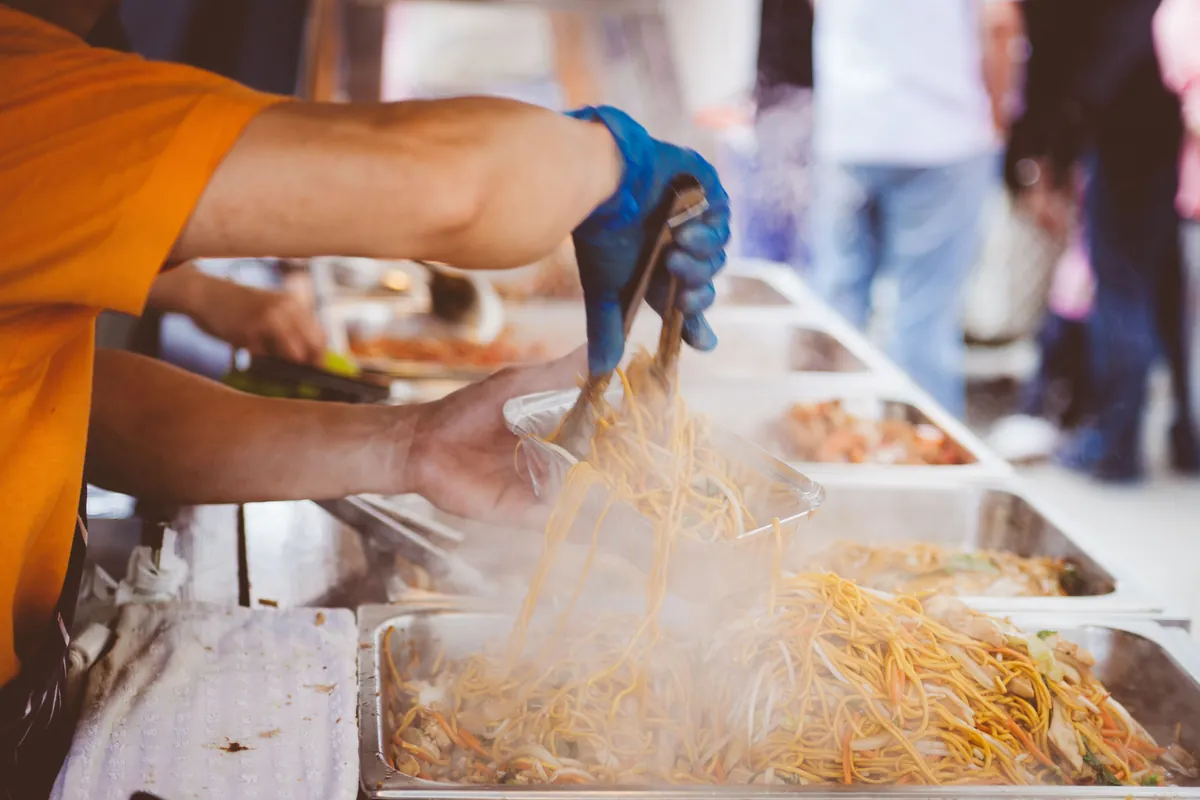
Chinese portions are built for sharing, which makes children easy to feed and easy to over-order for.
Two younger children will usually share one small entree between them, or eat from the shared dishes without needing their own. A combination plate works well for an older child who wants their own plate, because the portion is already sized and everything arrives together.
For counting a whole order, treat two young children as one adult. Our guide to how much Chinese food to order per person has the full rule, and combination plates explained covers the single-plate format.
Allergies and children: be direct
This part deserves more care than the rest. Chinese kitchens use shared woks and shared fryers, soy sauce commonly contains wheat, several dishes contain egg, and nuts appear in more places than the dish names suggest — Kung Pao normally contains peanuts or cashews, and there are cashew and almond dishes on many menus.
If your child has a food allergy, tell the restaurant clearly when you order rather than choosing by dish name, and do not rely on a dish being “plain” to be safe. The FDA’s guidance on food allergies explains why prepared foods need checking rather than inferring.
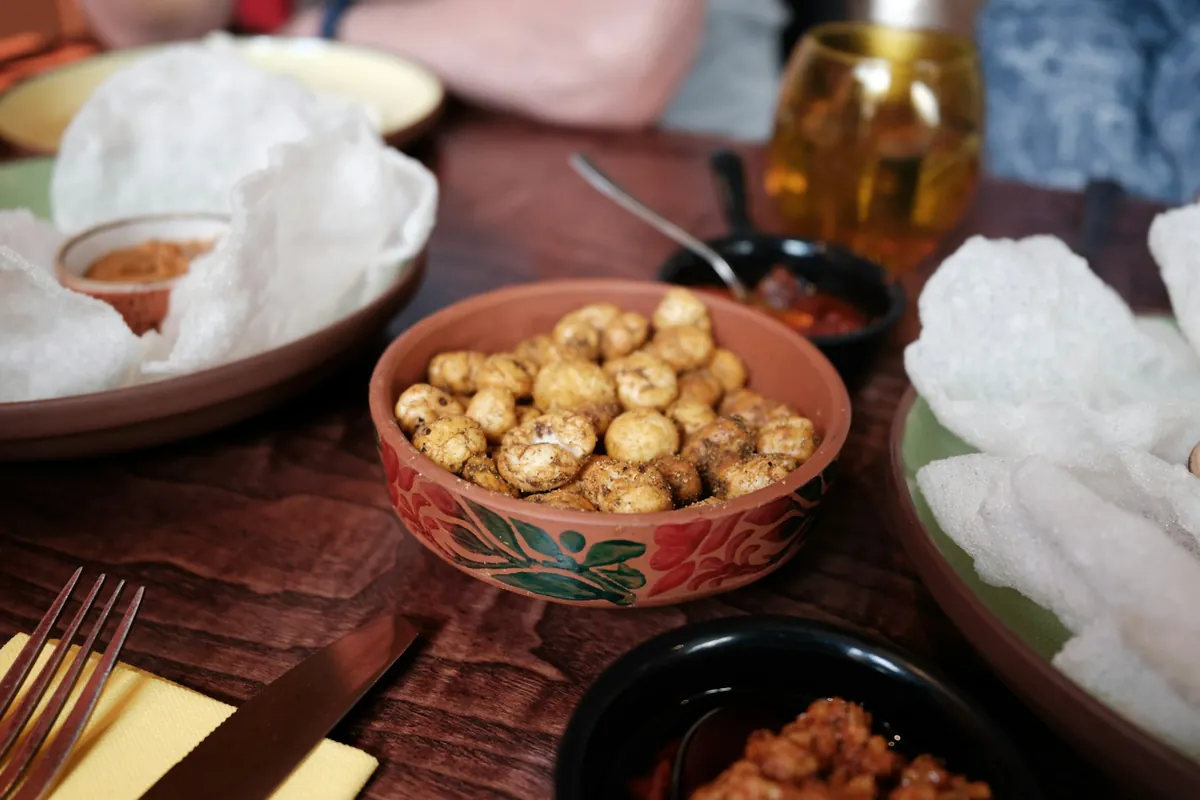
Making takeout work at home
A few things that reduce friction once the food is on the table.
- Serve onto plates rather than from containers. A child who sees a mixed container may refuse it; the same food plated in separate piles usually goes down.
- Keep the sauces separate so you control how much goes on.
- Give the fried items out first — they are the ones that lose texture fastest.
- Order one thing you know will be eaten, even if you are trying something new alongside it.
Frequently asked questions
What Chinese food is best for kids?
Chicken fried rice, chicken lo mein, sweet and sour chicken and egg drop soup are the most reliable. All are mild, none contain chili, and the textures are familiar, which matters more to a cautious eater than flavor does.
How do I make sure a dish is not spicy?
Ask for no spice at all rather than asking for it mild, because mild means different things in different kitchens. It is also worth asking directly whether a dish you do not recognize contains anything spicy.
Do Chinese restaurants have a children’s menu?
Most do not, and they do not usually need one. Portions are built for sharing, so children can eat from the shared dishes, and a combination plate works as a single-child portion when they want their own.
Which Chinese dishes have no sauce?
Fried rice is dry, steamed dishes come without a heavy sauce, and battered items such as boneless ribs or sweet and sour can be ordered with the sauce on the side. That last option is the most useful for a child who dislikes wet food.
How much Chinese food do children eat?
Less than you expect. Two younger children will often share one small entree, or eat from the shared dishes without their own order. For counting a whole order, treat two young children as one adult.
The short version
Stay with fried rice, lo mein, sweet and sour and egg drop soup at first. Ask for no spice rather than mild, get sauces on the side, and plate the food rather than serving from containers.
Then move one step down the ladder each visit. That is how a cautious eater ends up ordering chicken with broccoli on their own.
Family ordering in Fayetteville
China King has mild options, combination plates and family packs on Walter Reed Road.
Sources
- U.S. Food and Drug Administration: food allergies — cited above on allergens in prepared food.