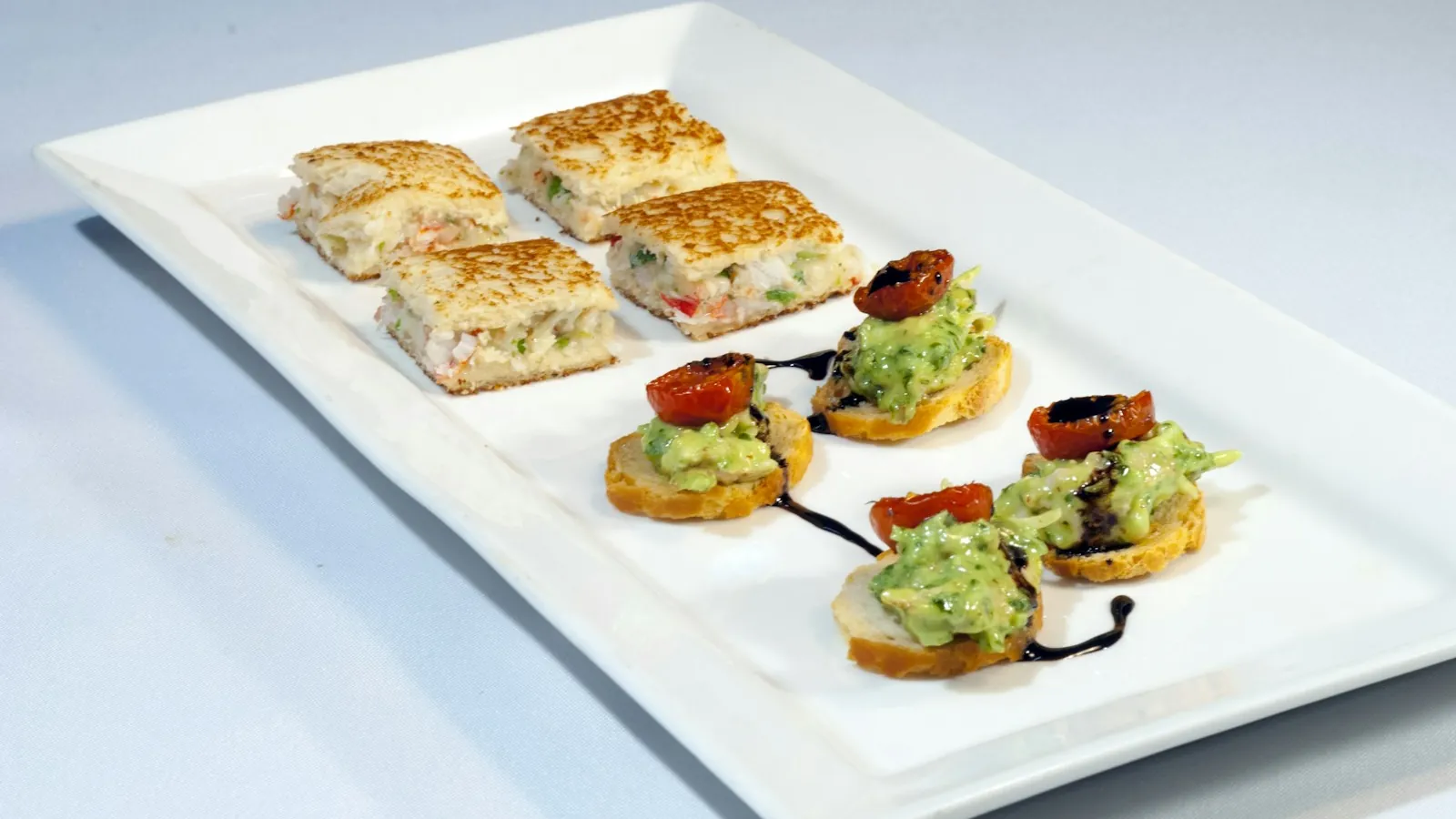
The pu pu platter is the most theatrical thing on a Chinese takeout menu and the least explained. It arrives as a shared tray of assorted fried appetizers, sometimes with a small flame in the middle, and the menu almost never tells you what is on it.
A pu pu platter is a mixed appetizer tray for sharing, usually holding four to eight different fried items — egg rolls, spare ribs, chicken wings, crab rangoon, fried shrimp, teriyaki beef and similar. Contents vary by restaurant, so it is always worth asking what is on the current version.
Where the name comes from
Not from China. The word comes from Hawaii, where pupu means a small dish or snack served with drinks. It entered American restaurant vocabulary through the mid-twentieth-century tiki restaurant boom, where Polynesian-themed dining rooms served assorted appetizer trays, often with a small hibachi burner in the middle.
Chinese-American restaurants adopted the format because it suited them: a way to sell a selection of the fried appetizers they already made, at a price that felt like an occasion. The tiki styling faded, the platter stayed.
This is why you will not find a pu pu platter in China, and why the spelling varies so much between menus. There is no single correct rendering of a Hawaiian word that reached Chinese-American menus by way of a Polynesian restaurant trend.
What is usually on it
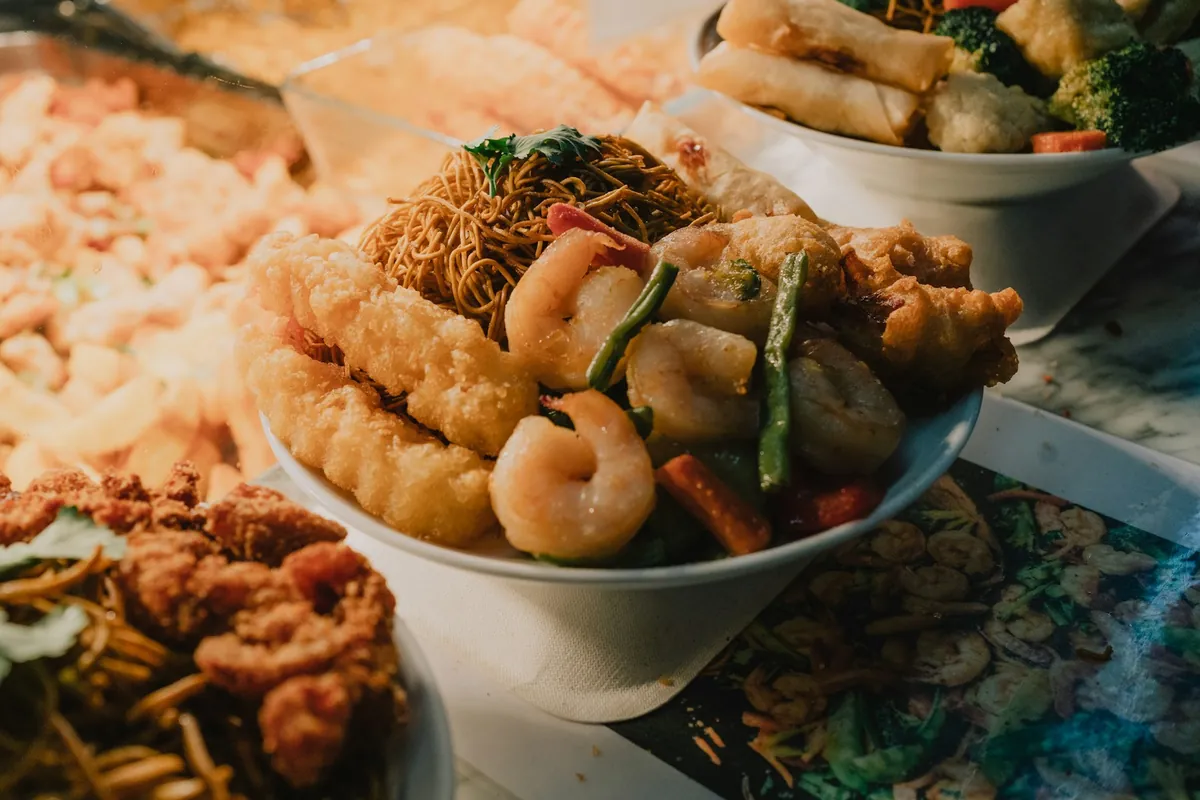
There is no fixed list, but most platters are drawn from the same pool of items. A typical selection includes some combination of the following.
| Item | What it is | Why it is included |
|---|---|---|
| Egg roll | Fried cabbage-filled roll | The familiar anchor of the tray |
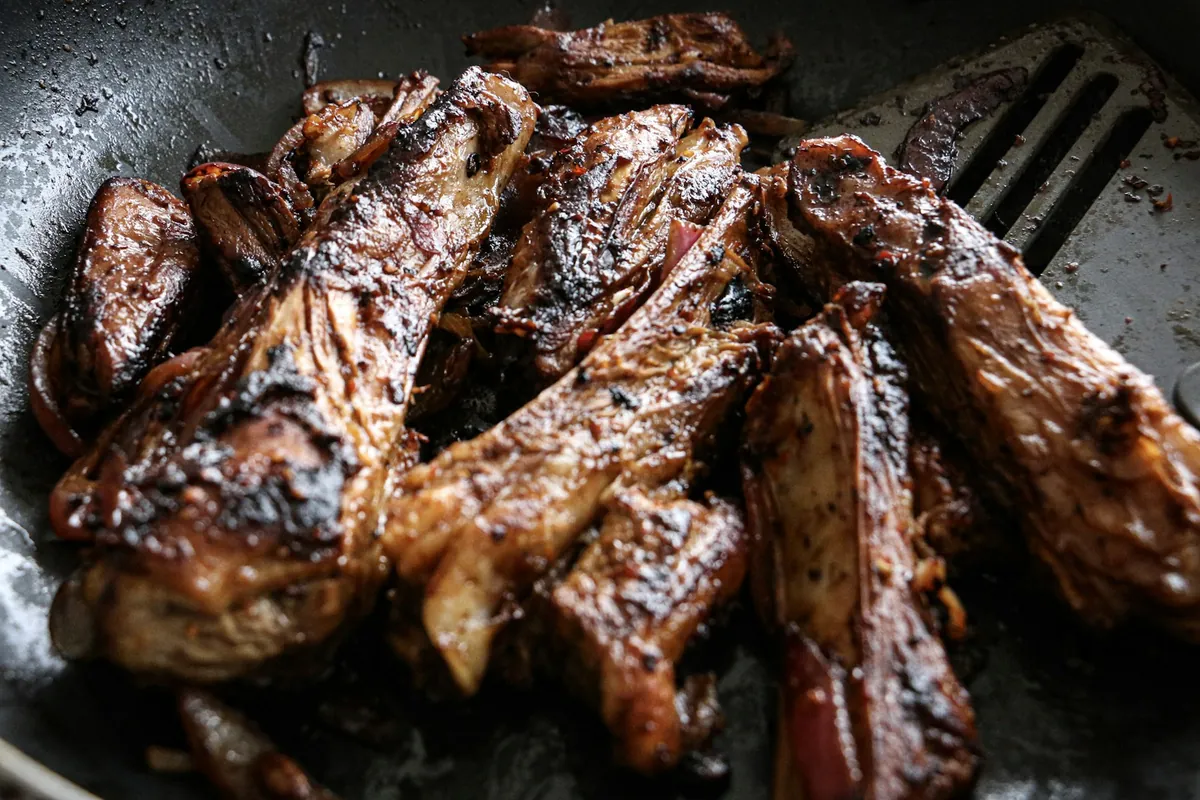
| BBQ spare ribs | Glazed bone-in pork | The substantial item |
| Crab rangoon | Fried cream cheese parcel | The rich, mild crowd-pleaser |
| Chicken wings | Fried whole wings | Handheld, filling |
| Fried shrimp | Battered shrimp | The seafood element |
| Beef teriyaki | Skewered marinated beef | Sweet and savory contrast |
| Fried wonton | Crisp filled parcel | Texture and volume |
Most of those have their own guides: chicken wings, spare ribs, crab rangoon and egg rolls.
Is it worth ordering
It depends entirely on what you would have ordered instead.
The platter makes sense when you have a table of people who cannot agree, when you want variety without committing to full orders of several appetizers, or when the sharing itself is the point. It is a good opening for a group, and the visual arrival does something no individual appetizer does.
It makes less sense when you already know what you want. A platter for two typically gives you one or two of each item, which is enough to taste but not enough to satisfy anyone who came specifically for the ribs. If your table wants crab rangoon, ordering crab rangoon gets you more of them for less money.
Order the platter if
- Your group cannot agree on appetizers
- Someone at the table is new to the menu
- You want variety more than volume
- It is an occasion and the arrival matters
Order individually if
- You already know which appetizer you want
- Someone avoids one of the usual components
- You want the best value per piece
- You are ordering for takeout rather than dining in
The flame, and whether it still happens
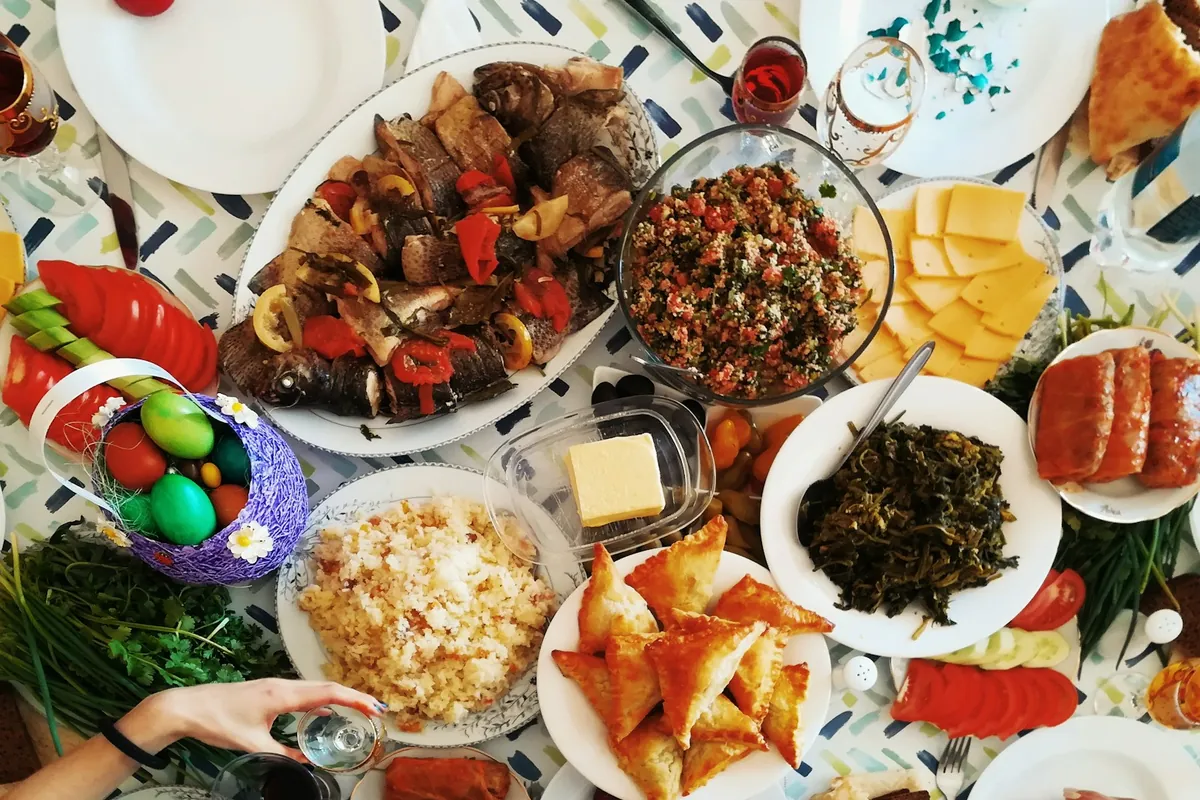
The classic presentation includes a small burner in the center of the tray, holding a flame you can use to warm skewers. It came from the tiki-restaurant era along with the name.
Many restaurants no longer do it. Open flames on a dining table have obvious practical and insurance implications, and almost nobody sends one out with a takeout order. If the flame is part of what you are after, ask when you book or when you order — it is not something to assume.
The food is identical either way. The burner warms; it does not cook.
Ordering one for takeout
A platter is the single worst thing on a Chinese menu to have delivered, and it is worth being blunt about why.
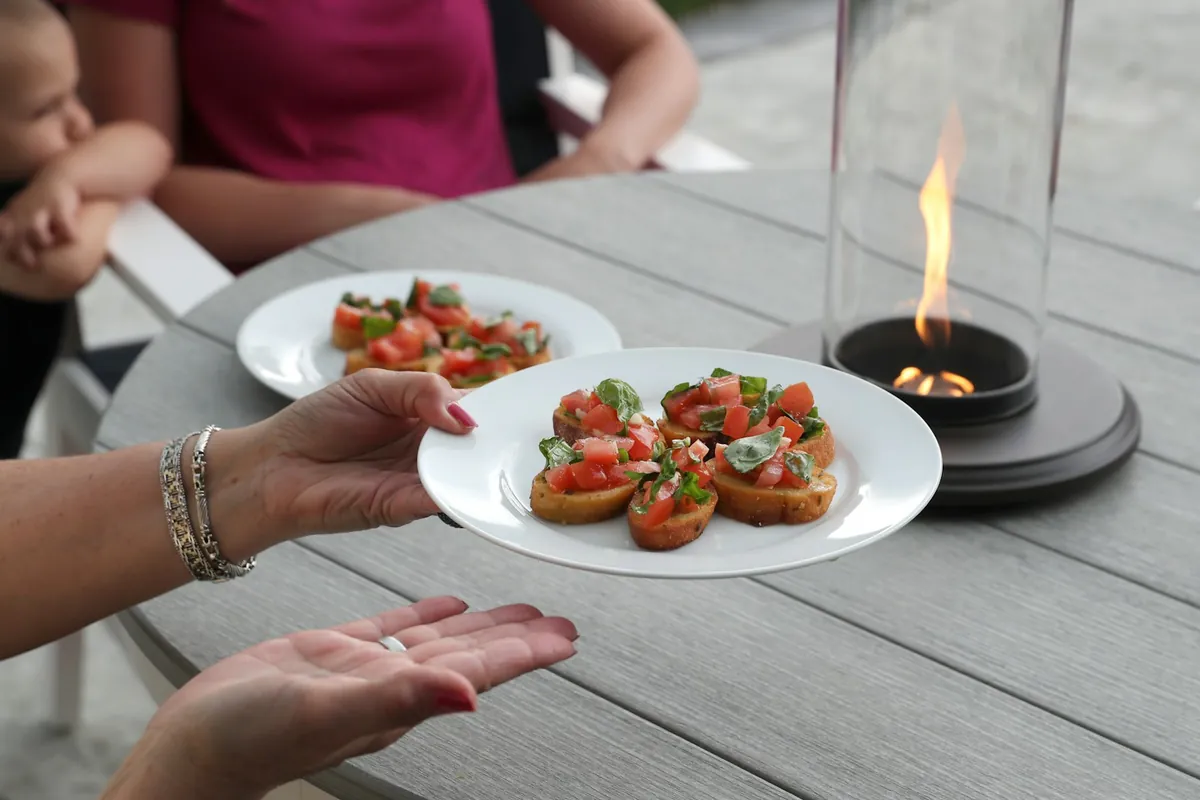
Every item on it is fried, and fried food in a closed container steams itself soft. On a platter the problem compounds, because the items sit against each other and share moisture — the crab rangoon softens the egg roll, and the ribs sweat onto everything. What arrives at a table crisp arrives at a house uniformly limp.
If you want the platter experience, eat it in. If you want fried appetizers at home, order one or two items separately, ask for them to be packed in separate containers, and open the lids the moment you get through the door.
Frequently asked questions
What is on a pu pu platter?
A mixed selection of fried appetizers for sharing, most often including egg rolls, spare ribs, chicken wings, crab rangoon, fried shrimp and beef teriyaki. There is no fixed list and contents vary between restaurants, so ask what is on the current version.
Is a pu pu platter Chinese?
Not originally. The name is Hawaiian, where pupu means a small snack, and the format reached Chinese-American menus through mid-century Polynesian tiki restaurants. It is a Chinese-American creation rather than a Chinese dish.
How many people does a pu pu platter feed?
Platters are usually sized and priced for two, giving one or two pieces of each item. As a starter before main dishes it stretches to three or four people, but it is a tasting selection rather than a filling course.
Does a pu pu platter still come with a flame?
Sometimes, but many restaurants have dropped the burner and almost none include it with takeout. Ask when you order if it matters to you. The burner only warms the food, so its absence does not change what you are eating.
Is a pu pu platter good value?
It is good value for variety and poor value for volume. If your table wants to try several things, it works well. If everyone wants the same item, ordering that item individually gets you more food for the money.
The short version
A shared tray of fried appetizers with a Hawaiian name and a tiki-restaurant history. Good for groups who cannot decide, weak value if you already know what you want, and genuinely poor as a takeout order.
Ask what is on it before you order. The list is different at every restaurant, and it changes.
Appetizers in Fayetteville
China King lists a pu pu platter for two, along with the fried appetizers individually.
Sources
- Pupu platter — on the Hawaiian origin of the name and the tiki-restaurant route onto American menus.