Fifteen chicken fingers for less than six dollars is the kind of line that makes people read a menu twice. The fried chicken finger is the highest-volume, lowest-cost item on most Chinese takeout menus, and it is nothing like the chicken tenders sold anywhere else.
Chinese chicken fingers are small strips of chicken in a light, often eggy batter, deep fried and served plain with sauce on the side. They are battered rather than breaded, which makes them lighter and smoother than an American chicken tender, and they come in counts of a dozen or more.
What makes them different from chicken tenders
The coating, and it is not a small difference.
An American chicken tender is breaded: dredged in flour, dipped in egg, then rolled in breadcrumbs or a seasoned flour coating that gives it a rough, craggy, crunchy surface. That texture is the whole point.
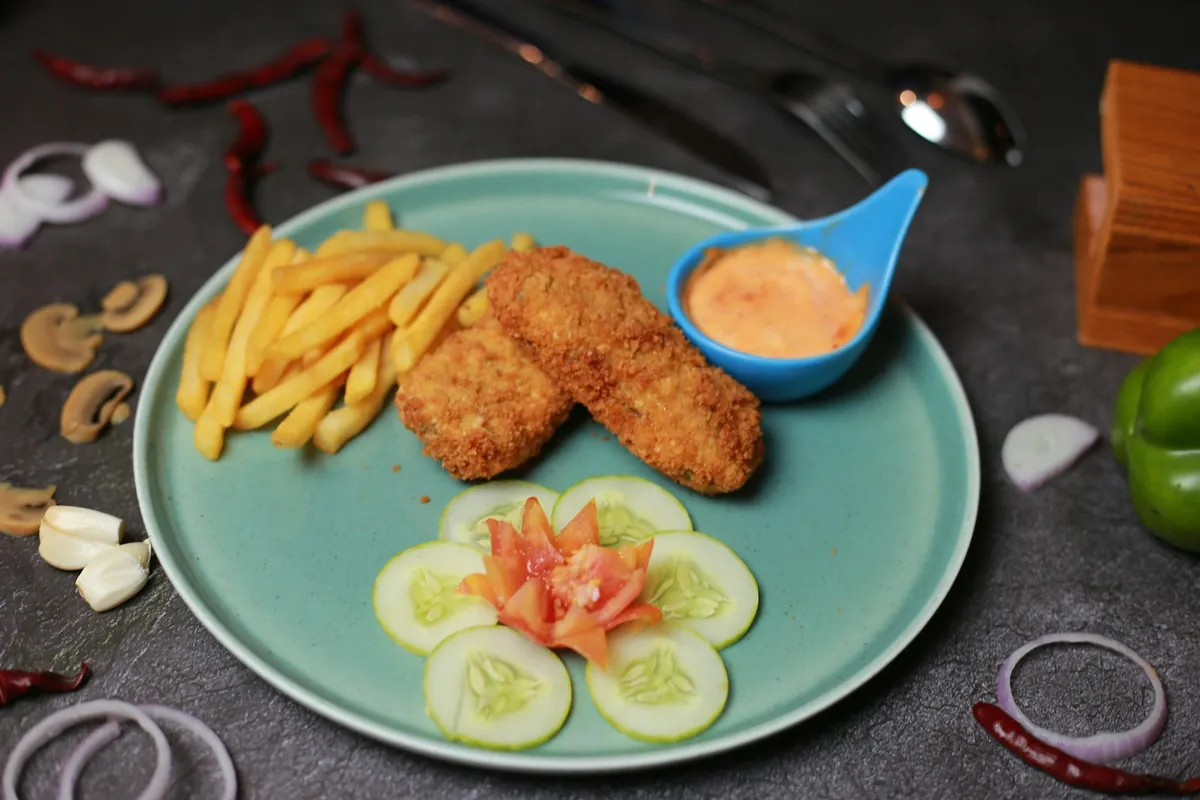
A Chinese chicken finger is battered: the chicken goes into a wet batter, often egg-heavy, and straight into the oil. It comes out smooth, pale gold, puffed slightly, and much lighter. There is no crumb, no rough edges and no heavy seasoning in the coating.
The result is a milder, softer bite that depends on dipping sauce for its flavor. If you have eaten fried wontons or a sweet and sour dish, you already know this batter — it is the same family of coating used across the fried side of the menu.
Why the count is so high
Because the pieces are small. A Chinese chicken finger is genuinely finger-sized, often half the size of a tender, which is how a menu can offer fifteen of them at a snack price.
That changes what the dish is for. Fifteen small pieces is a shared item, and it is the reason chicken fingers are one of the most common things ordered for a table with children on it. Our guide to Chinese food for children and picky eaters covers the rest of that ground.
| Item | Coating | Typical count | Flavor | Needs sauce? |
|---|---|---|---|---|
| Fried chicken finger | Light wet batter | A dozen or more | Mild, plain | Yes |
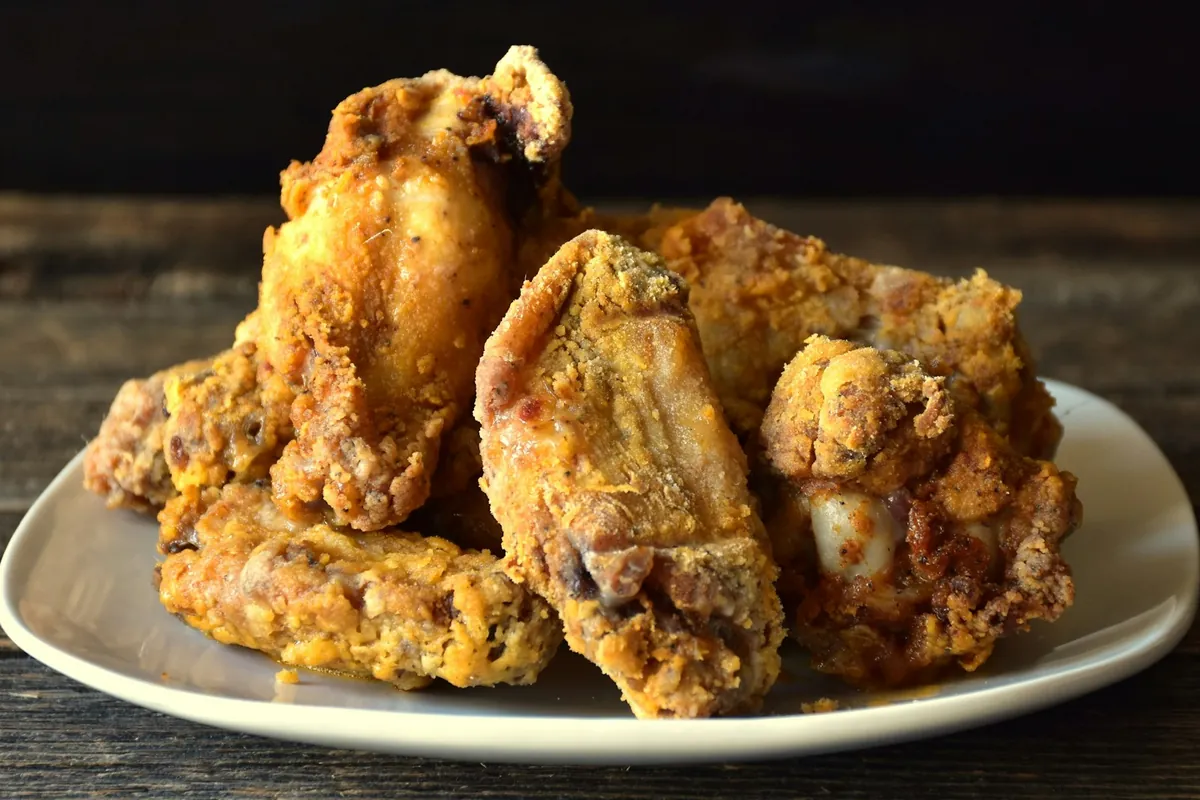
| Fried chicken wings | Light batter or dusting | Four or eight | Seasoned in the coating | Optional |
| Fried crab stick | Batter | Four | Mild, slightly sweet | Optional |
| Fried scallops | Batter | Ten | Sweet, firm | Optional |
| Spare rib tips | None or light | By the container | Heavily seasoned | No |
Read that column on the right and the pattern is clear: chicken fingers are the only item in the section that arrives deliberately unseasoned. Everything else carries its own flavor. Our guides to wings, fried scallops and rib tips cover the rest.
The sauce is not optional
This is the practical thing to know. A plate of plain battered chicken with nothing on it is dull, and the dish is designed on the assumption that you will dip.
What arrives depends on the kitchen: sweet and sour sauce, duck sauce, hot mustard, or a soy-based dipping sauce, usually in small packets or cups. Some kitchens include them automatically and some do not, so it is worth asking when you order rather than discovering the gap at home.
Sweet and sour is the most common pairing and the one children reliably prefer. Hot mustard is the interesting choice, and considerably stronger than it looks — a very small amount is enough.
Ordering them well
They work well
- For a table with children
- As a shared item for a group
- When you want volume at low cost
- With two or three dipping sauces to choose from
They work less well
- As the interesting dish on a table
- Without any sauce at all
- After a long delivery
- Alongside several other fried items
One order is genuinely enough for a family alongside main dishes. Fifteen pieces of fried chicken is more food than the price suggests, and it fills people up before the rice arrives — our guide to how much to order per person covers portioning a full order.
The one thing to check before ordering
Chicken fingers are the item most likely to arrive as something other than what you pictured, because the name is used loosely across the industry. Some kitchens serve exactly what is described above. A few serve larger breaded tenders under the same name, and a few serve boneless pieces closer to a nugget.
If it matters — and with children it usually does — a single question at the counter settles it. Ask whether they are battered or breaded, and how big the pieces are. Both answers take a second and neither is a strange thing to ask.
Takeout notes
Chicken fingers suffer more from travel than almost anything else in the fried section, and the reason is their size. Small pieces have a high surface-to-volume ratio, so proportionally more of each piece is coating — and coating is what steam ruins.
Fifteen of them stacked in a closed container also trap heat against each other, which accelerates the process. Vent the lid immediately, spread them out if you can, and eat them before the main dishes rather than after. Our guide to pickup or delivery explains why.
They reheat poorly. A wet batter that has gone soft does not come back crisp, it comes back tough.
Frequently asked questions
What are Chinese chicken fingers?
Small strips of chicken in a light, often egg-based wet batter, deep fried and served plain with dipping sauce on the side. They are battered rather than breaded, which makes them smoother and lighter than an American chicken tender.
Are chicken fingers the same as chicken tenders?
No. Chicken tenders are breaded, giving a rough crunchy crust, and are usually larger. Chinese chicken fingers use a wet batter with no breadcrumb, so they come out smooth and pale, and they are small enough that a dozen or more make one order.
Why do you get fifteen chicken fingers in an order?
Because the pieces are small — often half the size of a chicken tender. That is how a menu can list fifteen at a snack price, and it makes the dish a shared item rather than a single portion.
What sauce goes with Chinese chicken fingers?
Sweet and sour is the most common and the usual choice for children. Duck sauce, hot mustard and soy-based dipping sauces are the other options. The chicken is deliberately unseasoned, so the sauce is part of the dish rather than an extra.
Do chicken fingers travel well?
Less well than most fried items. Small pieces are mostly coating, and coating is what trapped steam softens — and fifteen of them stacked together hold heat against each other. Vent the container immediately and eat them first.
The short version
Small strips of chicken in a light wet batter, fried plain, fifteen to an order, with the sauce doing the flavoring. Smoother and lighter than a breaded tender, and much better value.
Ask for the dipping sauces, open the container as soon as you get home, and eat them before anything else.
Chicken fingers in Fayetteville
China King lists fried chicken fingers fifteen to an order with the fried foods.
Sources
- FDA: Safe food handling — on holding times for cooked food.