
No ingredient in Chinese cooking has been argued about more than monosodium glutamate. It has been the subject of a moral panic, a decades-long scientific reassessment, and a great many restaurant signs. It is worth setting out what is actually established and what is not.
MSG is a salt of glutamic acid, an amino acid found naturally in tomatoes, cheese, mushrooms and seaweed. The US Food and Drug Administration classifies it as generally recognized as safe. Controlled studies have not established a causal link to the symptom cluster once called “Chinese Restaurant Syndrome” at normal dietary amounts, though some people report sensitivity to large doses.
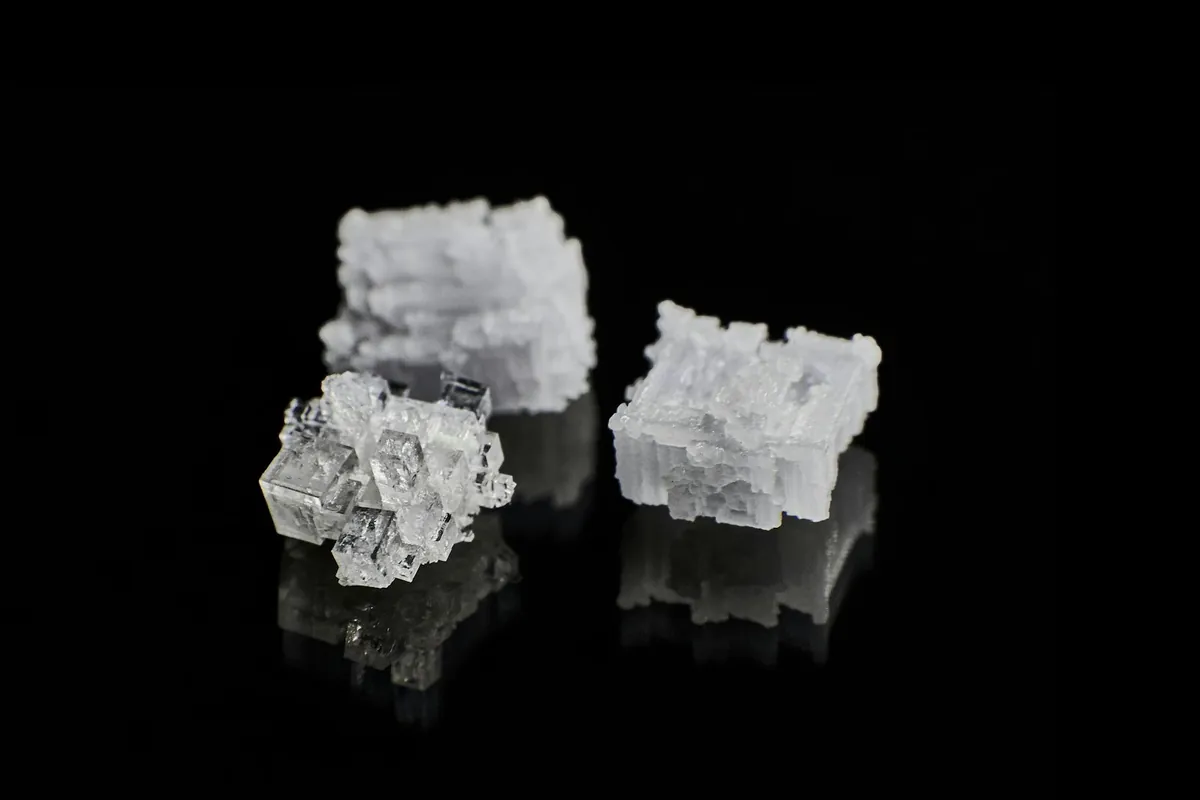
What MSG actually is
Glutamic acid is one of the most common amino acids in the food supply, occurring naturally in parmesan, ripe tomatoes, mushrooms, soy sauce and seaweed. In free form it produces the savory taste called umami.
Monosodium glutamate is that same compound bound to sodium so it can be handled as a dry crystal — the form isolated in Japan in the early twentieth century by a chemist working on what made seaweed broth taste savory. Chemically, the glutamate your body encounters from MSG and the glutamate it encounters from a tomato are indistinguishable.
That last point is the one most often missing from the argument. There is no separate metabolic pathway for added glutamate.
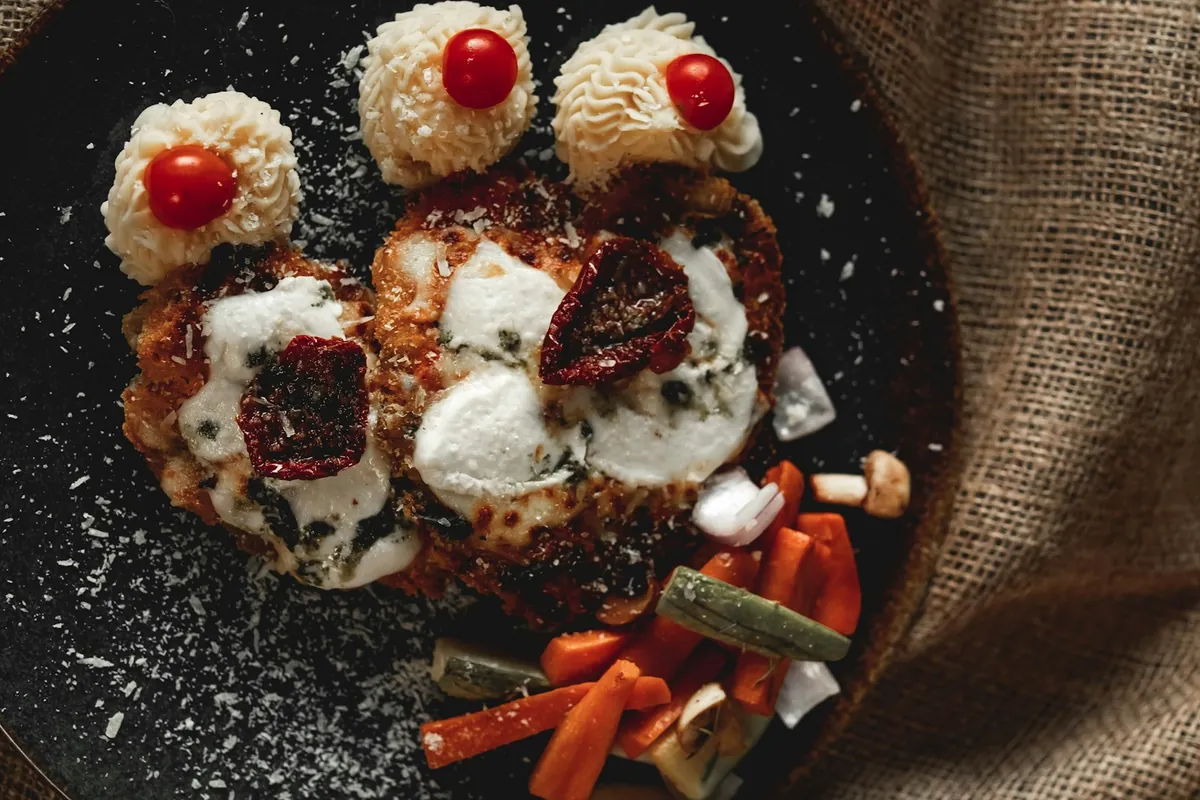
Where the controversy came from
In 1968 a letter to a medical journal described numbness and palpitations after eating at Chinese restaurants, speculating about several causes including MSG. The phrase “Chinese Restaurant Syndrome” followed, and it fixed in public memory in a way the subsequent research never managed to dislodge.
Two things are worth noting. The letter was a single anecdotal report, not a study. And the syndrome was named after an ethnicity rather than a compound — MSG was already used widely in processed foods and canned soups, and no comparable syndrome was named after any of those.
Subsequent controlled trials, including double-blind studies, have generally failed to reproduce the symptom cluster when participants did not know whether they had received MSG. That is the finding that matters scientifically.

What the FDA says
| Question | Position |
|---|---|
| Is MSG approved for use in food? | Yes — classified as generally recognized as safe |
| Must it be labeled? | Yes, when added — listed as “monosodium glutamate” |
| Can a product claim “No MSG” if it contains natural glutamate? | No — the FDA considers such claims misleading |
| Are short-term reactions reported? | Yes, in some individuals after large amounts |
| Is a causal link to serious harm established? | No |
That fourth row is important and often lost in the crossfire. Saying the panic was disproportionate is not the same as saying nobody has ever reacted to anything, and this article is not going to tell anyone their experience did not happen.
What the evidence does not support is the idea that MSG in the quantities used in cooking is dangerous, or that Chinese restaurant food is distinctively risky because of it.
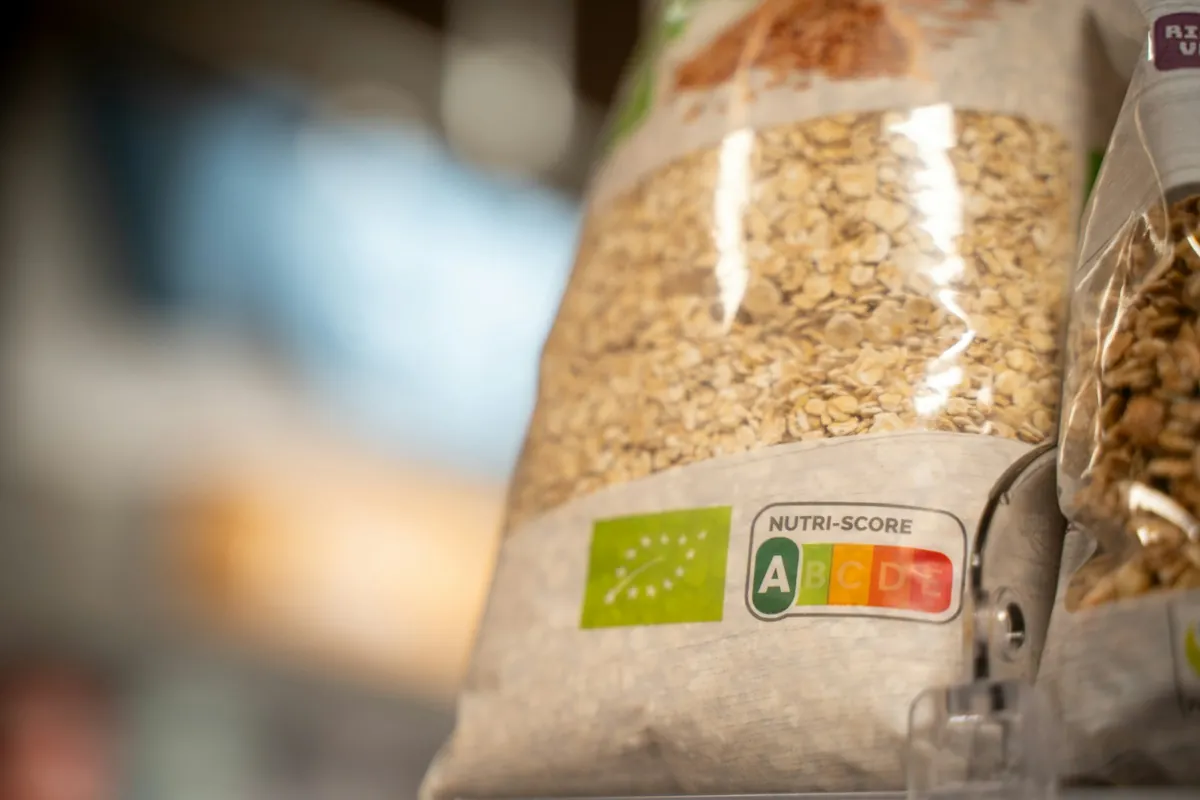
The practical question: does your food contain it?
That depends entirely on the kitchen, and it is a reasonable thing to ask.
Some restaurants use MSG. Some do not. Many use ingredients that contain glutamate naturally or as part of a compound seasoning — soy sauce, oyster sauce, stock bases and bouillon powders all contribute glutamate whether or not a shaker of MSG is ever opened. Our guide to Chinese sauces covers what goes into the sauces themselves.
This is why “no MSG” signs are a blunter instrument than they appear. A kitchen can truthfully add no MSG and still produce food containing substantial free glutamate, because that is what soy sauce and stock are.
If you want to avoid added MSG
- Ask the restaurant directly about the dishes you want
- Ask about stock bases and seasoning powders too
- Expect naturally occurring glutamate regardless
- Steamed dishes with sauce on the side involve the least seasoning
What will not help
- Assuming a “no MSG” sign means no glutamate
- Avoiding Chinese food specifically
- Reading the menu, which will not say
- Assuming all kitchens do the same thing
Our guide to steamed Chinese dishes covers the part of the menu prepared with the least seasoning, which is the practical route for anyone who wants to keep it simple.
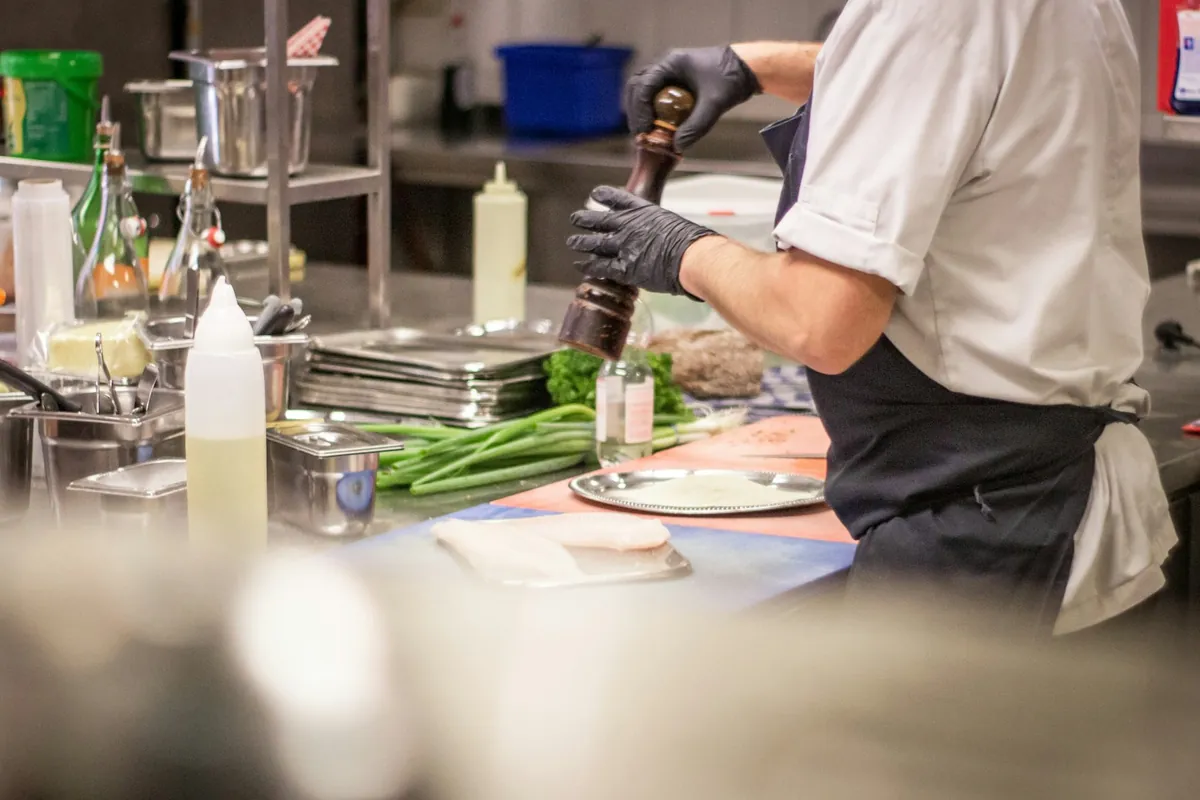
Why kitchens use it at all
Because it does something no other single ingredient does as cheaply: it deepens savoriness without adding its own flavor.
Salt makes food salty. Sugar makes it sweet. Glutamate makes food taste more like itself — it raises the savory dimension of a stock or a sauce so that a broth tastes more like broth. In a kitchen turning out dozens of dishes an hour from shared sauce bases, that is genuinely useful.
This is not a Chinese practice. MSG is used across processed food globally — snack seasonings, instant noodles, canned soups, stock cubes, fast food. The association with one cuisine is a historical accident of that 1968 letter.

What to do with all this
If you have never noticed a reaction, there is no evidence-based reason to avoid MSG. If you believe you react to it, ask restaurants and avoid what troubles you — you do not owe anyone a double-blind trial to justify a preference.
The one thing worth dropping is the idea that Chinese food is uniquely suspect. That part has not held up.
Frequently asked questions
What is MSG?
Monosodium glutamate — a salt of glutamic acid, an amino acid that occurs naturally in tomatoes, parmesan, mushrooms, soy sauce and seaweed. It provides the savory taste called umami, and the glutamate from MSG is chemically identical to the glutamate in those foods.
Is MSG bad for you?
The FDA classifies MSG as generally recognized as safe, and controlled studies have not established a causal link to the symptom cluster once attributed to it at normal dietary amounts. The FDA does acknowledge that some people report short-term symptoms after large amounts.
Does Chinese food contain more MSG than other food?
Not inherently. MSG is used widely across processed foods, snack seasonings, instant noodles and stock cubes. The association with Chinese food comes from a 1968 letter to a medical journal rather than from any distinctive pattern of use.
Does a “no MSG” sign mean the food has no glutamate?
No. Soy sauce, oyster sauce and stock bases all contain glutamate naturally, so a kitchen can add no MSG and still serve food with substantial free glutamate in it. The FDA also treats “no MSG” claims as misleading when a product contains natural glutamate.
How can I find out whether a dish has added MSG?
Ask the restaurant, and ask about stock bases and seasoning powders as well as MSG itself. The menu will not say, practice varies between kitchens, and it is a normal question that takes a moment to answer.
The short version
MSG is a salt of an amino acid that is already in your tomatoes and your parmesan. The FDA considers it safe. The syndrome named after Chinese restaurants has not survived controlled testing, and it was named after a cuisine rather than a compound in the first place.
If it bothers you, ask and avoid it. If it does not, there is nothing here to worry about.
Questions about our food?
Call us and ask — about MSG, ingredients, or anything else on the menu.
Sources
- FDA: Questions and answers on monosodium glutamate — on GRAS status, labeling rules and reported reactions.
- Britannica: monosodium glutamate — on the compound, its discovery and its use in food.