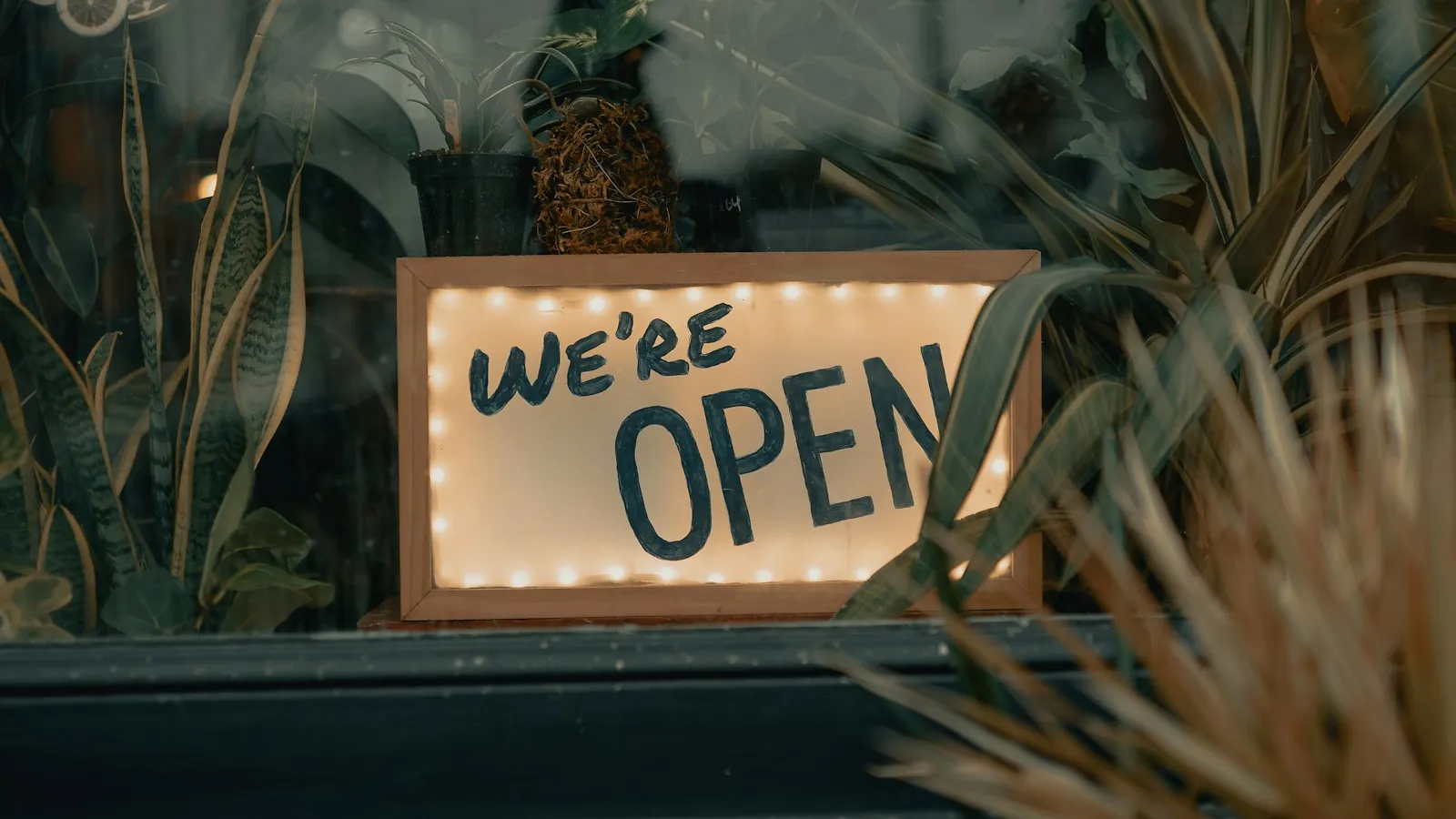
On December 25th, most American restaurants are closed and Chinese restaurants are busy. That pattern is old enough and consistent enough to have become a tradition in its own right, and the reasons behind it are more interesting than “they just stay open”.
Chinese restaurants are typically open on Christmas because the holiday is not part of the tradition most of their owners come from, so there is no reason to close. That created a reliable option on a day when little else is open — and a century-old association with American Jewish communities, for whom it is now genuinely traditional.

The straightforward reason
Christmas is a Christian holiday, adopted widely as a secular American one. For a family-run restaurant whose owners do not observe it, December 25th is a Tuesday.
There is also a commercial logic that reinforces it. A restaurant that opens when its competitors close captures a whole city’s worth of demand for one day, and in the takeout trade that day is one of the busiest of the year. Closing would mean giving up the single best trading day on the calendar for a holiday the household is not marking.
Staffing follows the same reasoning. Many small Chinese restaurants are run by a family plus a few employees, and if nobody in that group is celebrating, there is no rota problem to solve.
The Jewish-American tradition
This is the part worth telling properly, because it is a real piece of American social history rather than a joke about a movie and an egg roll.
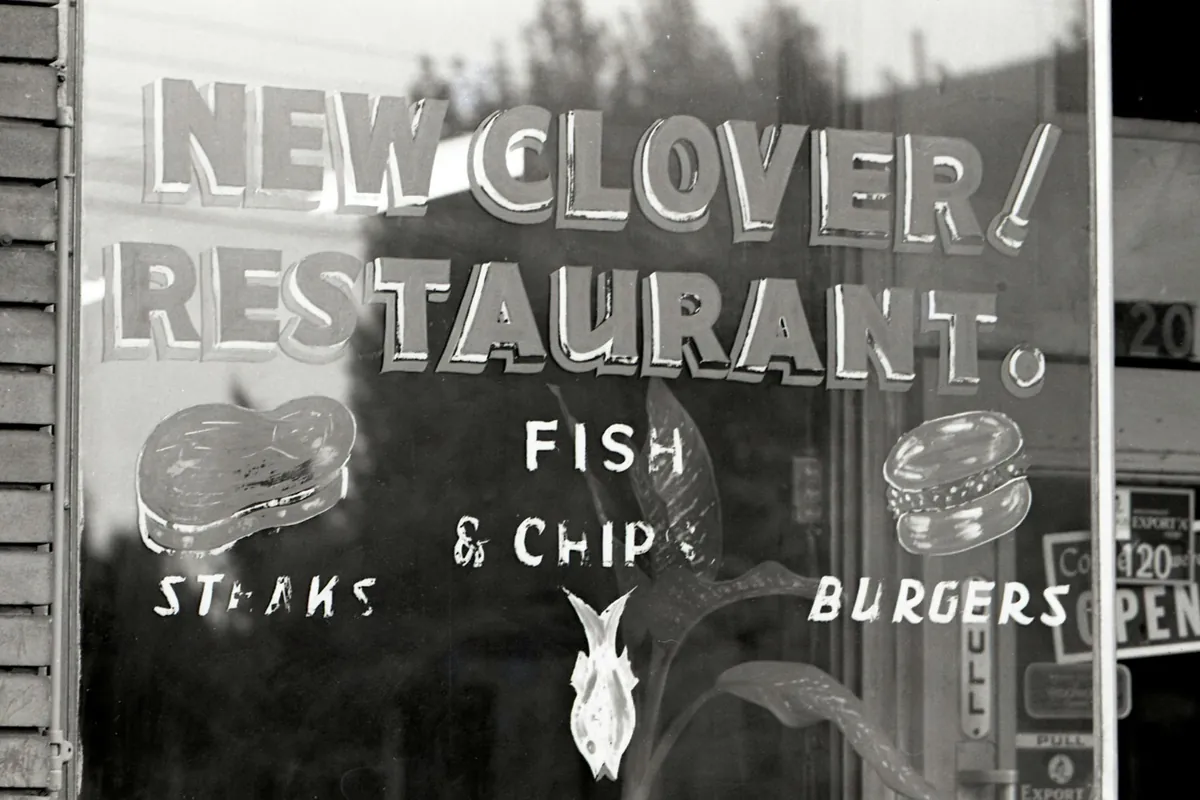
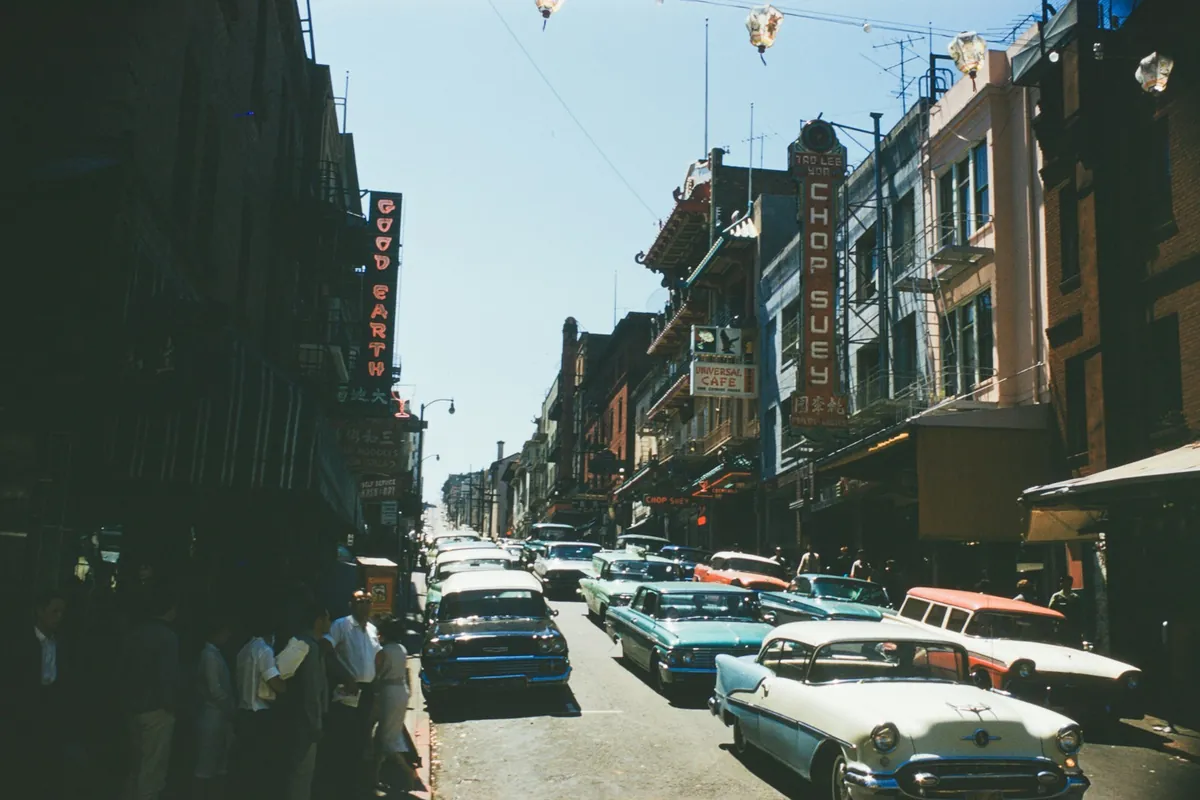
Jewish immigrants and Chinese immigrants arrived in American cities in the same decades and often settled in adjacent neighborhoods — the Lower East Side of New York being the most documented case. Both communities were outsiders to the dominant Christian culture, and both ran small family businesses.
Chinese restaurants offered something specific that mattered: they were open on Christmas and on Sundays, they were inexpensive, and their food contained no dairy. That last point is not incidental. Jewish dietary law prohibits mixing meat and milk, and Chinese cooking — unlike Italian or French cooking of the period — essentially never combines them. A Chinese restaurant was not kosher, but it avoided one of the most visible violations, which made it what scholars have called “safe treyf”: non-kosher food that did not feel transgressive in the same way.
Pork and shellfish are of course prohibited too, and are everywhere on a Chinese menu. Part of what made the arrangement work was that those ingredients arrived chopped, wrapped and unrecognizable rather than served whole — which is a genuinely different psychological experience from a pork chop on a plate.
How it became a fixed tradition
Traditions become traditions by repeating for long enough that nobody remembers starting them.
The Christmas pairing of Chinese food and a movie — the other thing reliably open — has been documented since the early twentieth century and is now handed down within families as a thing you simply do. It has even been referenced in a US Supreme Court confirmation hearing.
It has also broadened well beyond its origin. Plenty of people who order Chinese food on Christmas are not Jewish and are not making any statement at all — they are cooked out, or hosting, or alone, or simply looking at a city where one kind of restaurant has its lights on.

What to order on a day like that
Practically, Christmas is a high-volume day for a takeout kitchen, and ordering well means ordering with that in mind.
Order this way
- Call early — ideally well before the dinner rush
- Choose section dishes, which are fastest
- Order a family pack rather than many separate dishes
- Collect it yourself if you can
Expect this
- Longer waits than usual, especially for delivery
- Reduced hours in some cases, not extended ones
- Some items unavailable late in the day
- Cash or card queues at the counter
Our guides to family packs and how much to order per person cover feeding a group, and how takeout kitchens work explains why the section dishes come out fastest when a kitchen is under pressure.
A note on assuming
The one thing worth saying plainly: being open on a holiday is a choice each restaurant makes, not a rule.
Some Chinese restaurants close on December 25th. Many close instead for Lunar New Year — often for several days, with a sign in the window a week beforehand. Others reduce hours on both.
So the courteous and practical thing is to call rather than assume, on any holiday. Turning up at a locked door with a car full of expectations is avoidable with one phone call.
The other holidays
The Christmas pattern generalizes, with one significant exception.
Thanksgiving, New Year’s Day and most federal holidays follow similar logic: many Chinese restaurants stay open because the day carries no obligation for the household, and demand is high because other options are closed.
| Holiday | Usually open? | Demand | Why |
|---|---|---|---|
| Christmas Day | Often, yes | Very high | No obligation for the household; few alternatives open |
| Thanksgiving | Often, yes | High | Same logic; also a heavy cooking day people opt out of |
| New Year’s Day | Often, yes | Moderate | Widely observed but not a closing obligation |
| July 4th, Labor Day | Usually, yes | Moderate | Ordinary trading days for most kitchens |
| Lunar New Year | Often closed | n/a | The household’s own most important holiday |
Lunar New Year is the exception and runs the other way. It is the most important holiday of the year for many Chinese families, it falls between late January and mid February depending on the lunar calendar, and it is the one time a restaurant is most likely to be closed. Our guide to Lunar New Year foods covers what is eaten and why.
Frequently asked questions
Why are Chinese restaurants open on Christmas?
Because Christmas is generally not part of the tradition the owners come from, so there is no reason to close — and because a restaurant that opens when competitors close captures a whole day’s demand. For many family-run kitchens there is no staffing conflict either.
Why do Jewish families eat Chinese food on Christmas?
It began with proximity: Jewish and Chinese immigrant communities settled in adjacent neighborhoods, and Chinese restaurants were open on Christmas, inexpensive, and served food containing essentially no dairy — avoiding the prohibition on mixing meat and milk. Repetition over a century turned that into tradition.
Are all Chinese restaurants open on Christmas?
No. It is a choice each restaurant makes, and some close or reduce hours. Many are more likely to close for Lunar New Year instead, which is the holiday that matters most to the household. Always call to check.
When should I order on a busy holiday?
Earlier than you think, and before the dinner rush. Choose section dishes over chef’s specials, since those are assembled from ready components and come out fastest, and collect the order yourself if delivery times have stretched.
Do Chinese restaurants close for Lunar New Year?
Many do, often for more than one day. It falls between late January and mid February depending on the lunar calendar, and restaurants that close usually post a notice in advance. It is the holiday most worth checking about.
The short version
Open because the day carries no obligation, busy because everything else is shut, and traditional because two immigrant communities lived next door to each other for a century.
Order early, and call ahead rather than assuming — on Christmas and especially around Lunar New Year.
Order from China King
Call ahead on any holiday to check our hours before you set out.
Sources
- American Chinese cuisine — on the cuisine’s development and its place in American communities.
- Britannica: kosher — on Jewish dietary law, including the separation of meat and milk.