Dim sum is the thing people mean when they say they want “proper Chinese food”, and it is almost never available from the restaurant they are ordering from. That is not a failing of the takeout menu. The two formats are genuinely incompatible, and understanding why explains a lot about both.
Dim sum is a Cantonese tradition of small steamed and fried dishes, served in the morning and early afternoon, usually with tea, and chosen from carts or a ticked order sheet. It is not on takeout menus because it depends on being eaten within minutes of leaving the steamer.
What dim sum actually is
The name translates roughly as “touch the heart”, and the format is a meal built from small plates rather than main courses. A table orders many items, each holding three or four pieces, and keeps ordering as it goes.
It comes from Guangdong and Hong Kong, and it is traditionally tied to yum cha — literally “drink tea”. The tea is not an accompaniment in the way a drink usually is; it is half the point, and the meal is named after it. Tea is refilled constantly, and there is a whole etiquette around it.
The timing is the part most people get wrong. Dim sum is a morning and early-afternoon meal. A restaurant serving it properly is busiest at eleven on a Sunday and has usually stopped by mid-afternoon. Turning up at seven in the evening expecting dim sum is like turning up for brunch at dinner time.
The items you will meet
| Dish | What it is | Cooked |
|---|---|---|
| Har gow | Shrimp dumplings in a translucent wrapper | Steamed |
| Siu mai | Open-topped pork and shrimp dumplings | Steamed |
| Char siu bao | Fluffy white buns filled with roast pork | Steamed |
| Cheung fun | Wide rice noodle rolls with a filling, in soy | Steamed |
| Lo bak go | Pan-fried radish cake | Fried |
| Spare ribs | Small rib pieces in black bean sauce | Steamed |
| Egg tarts | Custard tarts in flaky pastry | Baked |
Two things stand out from that list. Most of it is steamed, not fried — which is the opposite of the balance on an American takeout menu. And the wrappers are the craft: a har gow wrapper is meant to be thin enough to see the shrimp through and strong enough not to tear, which is a genuinely difficult thing to make.
Why a takeout kitchen cannot do it
Three reasons, and they compound.
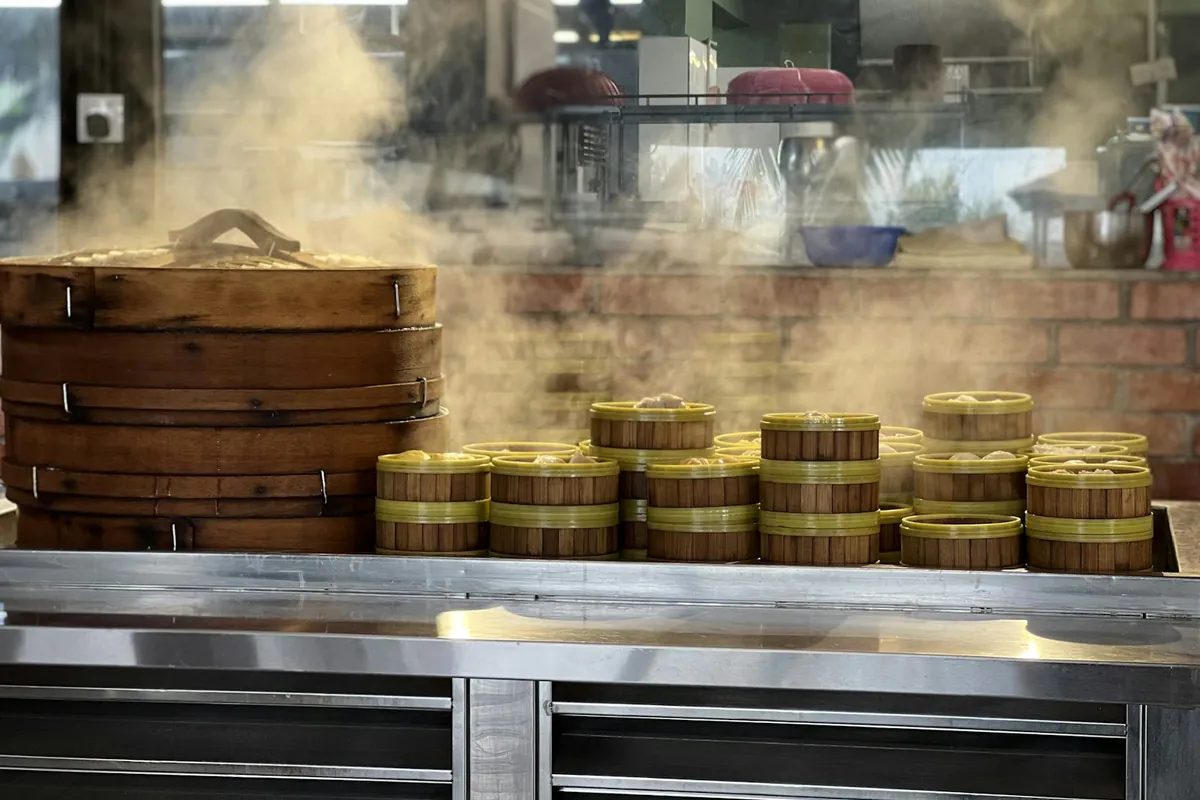
Steamed food has no shelf life outside the steamer. A har gow is at its best for about two minutes. The wrapper is deliberately thin, and it goes from delicate to gummy as it sits and cools. There is no version of that dish that survives a bag and a car.
The skills are different. A takeout kitchen is built around a wok station and a fryer, with prep done in bulk beforehand — our guide to how takeout kitchens work covers that system. Dim sum requires a pastry and dumpling specialist folding by hand, continuously, throughout service. It is a different trade in the same cuisine.
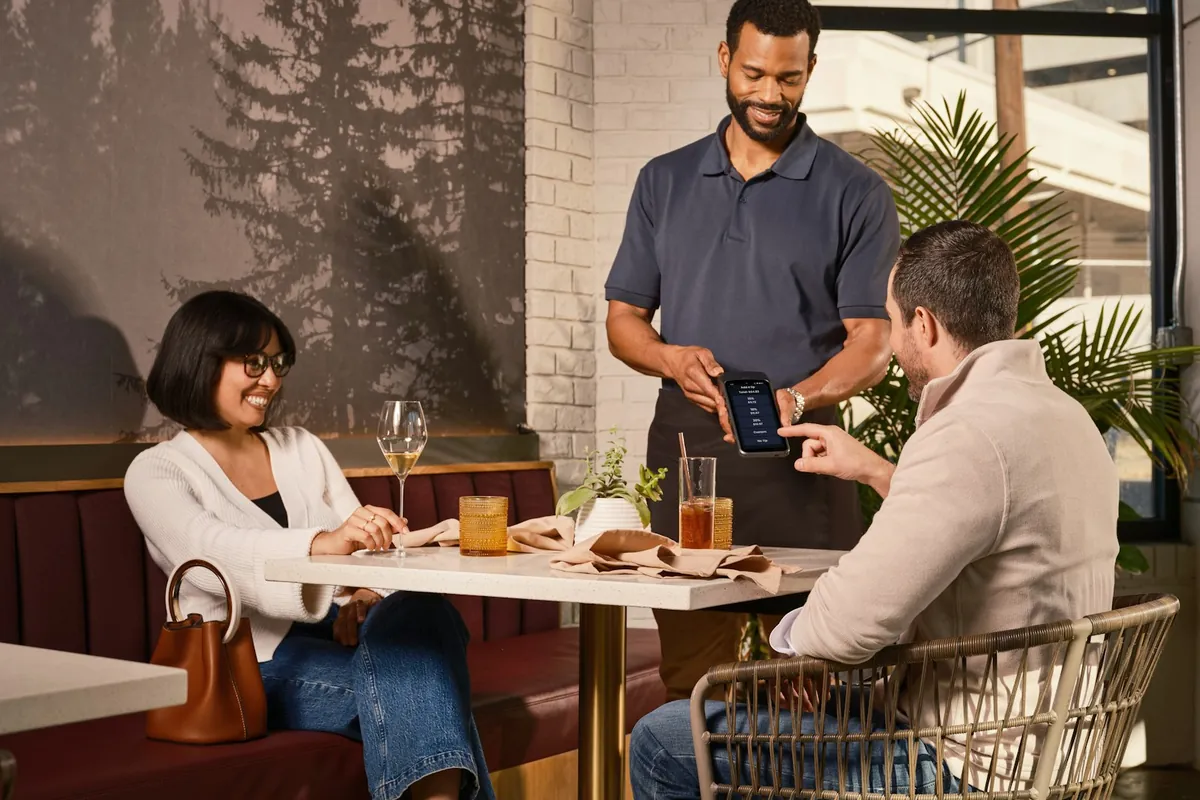
The service model is opposite. Dim sum is ordered incrementally over an hour or more, in a room, from carts or a sheet. Takeout is a single order, packed and handed over. You cannot compress one into the other.
What the takeout menu has instead
Some genuine relatives, and it is worth knowing which are which rather than expecting substitutes.
Dumplings are the closest thing. Boiled or pan-fried dumplings on an appetizer list are cousins of siu mai and har gow — thicker wrappers, larger, built to travel. Our guide to dumplings and wontons covers how the wrapper thickness changes everything.
Spare ribs appear in both traditions, though differently: small pieces steamed in black bean sauce at dim sum, larger roasted racks on a takeout menu. Our guide to spare ribs and rib tips covers the takeout versions.
Roast pork is the same ingredient in both. The pork inside a char siu bao is the pork running through eight sections of a takeout menu — see our guide to roast pork.
What has no takeout equivalent: cheung fun, the egg tarts, and the steamed buns. Those need to be eaten where they were made.
How to order dim sum if you find it
Do this
- Go late morning, not evening
- Order a few things and then order again
- Start with har gow and siu mai
- Accept the tea — it is part of the meal
Avoid this
- Ordering everything at once
- Expecting rice or a main course
- Rushing — it is a long meal by design
- Skipping the fried items entirely
One piece of etiquette worth knowing: when someone pours your tea, tapping two fingers on the table beside the cup is a conventional way of saying thank you without interrupting the conversation. It is widely used and nobody minds if you do not know it.
Why the distinction matters
Because “authentic Chinese food” is doing a lot of unhelpful work in most conversations.
Dim sum is not a more authentic version of takeout food. It is a different regional format with a different purpose, a different time of day and a different kitchen behind it. Comparing them is like comparing a bakery to a diner: both real, both skilled, not substitutes.
American Chinese takeout is its own tradition with about 150 years behind it — our guide to how it came to be covers that. Wanting dim sum is a reasonable thing to want. It just means wanting a different restaurant, usually in a different city, at a different hour.
Frequently asked questions
What is dim sum?
A Cantonese tradition of small steamed, fried and baked dishes eaten as a meal made of many little plates, traditionally with tea. The name translates roughly as “touch the heart”, and it is served in the morning and early afternoon rather than at dinner.
Why is dim sum not on Chinese takeout menus?
Because it does not survive the trip. Steamed dumplings with deliberately thin wrappers are at their best for a couple of minutes. It also needs a dumpling specialist folding continuously, which is a different trade from a wok-and-fryer takeout kitchen.
What should a beginner order at dim sum?
Har gow and siu mai first — shrimp dumplings and open-topped pork dumplings, the two benchmarks. Add char siu bao for something substantial and one fried item for contrast, then order more as you go rather than all at once.
What time is dim sum served?
Late morning to early afternoon, traditionally. Restaurants doing it properly are busiest around late morning at weekends and often stop by mid-afternoon. It is not an evening meal.
Is dim sum more authentic than takeout Chinese food?
It is a different regional format rather than a more authentic version of the same thing. Dim sum is a Cantonese daytime tradition; American Chinese takeout is its own cuisine with roughly 150 years of history. Neither substitutes for the other.
The short version
Small steamed and fried plates, eaten with tea in the late morning, ordered a few at a time from a cart or a sheet. Cantonese, skilled, and impossible to put in a bag.
Dumplings, spare ribs and roast pork are the parts of it that reach a takeout menu. The rest needs a table.
Order from China King
Dumplings, fried wontons and BBQ spare ribs — the takeout relatives of the dim sum table.
Sources
- Dim sum — on the tradition, the staple dishes and its Cantonese origins.
- Britannica: Chinese cuisine — on regional Chinese cooking traditions.