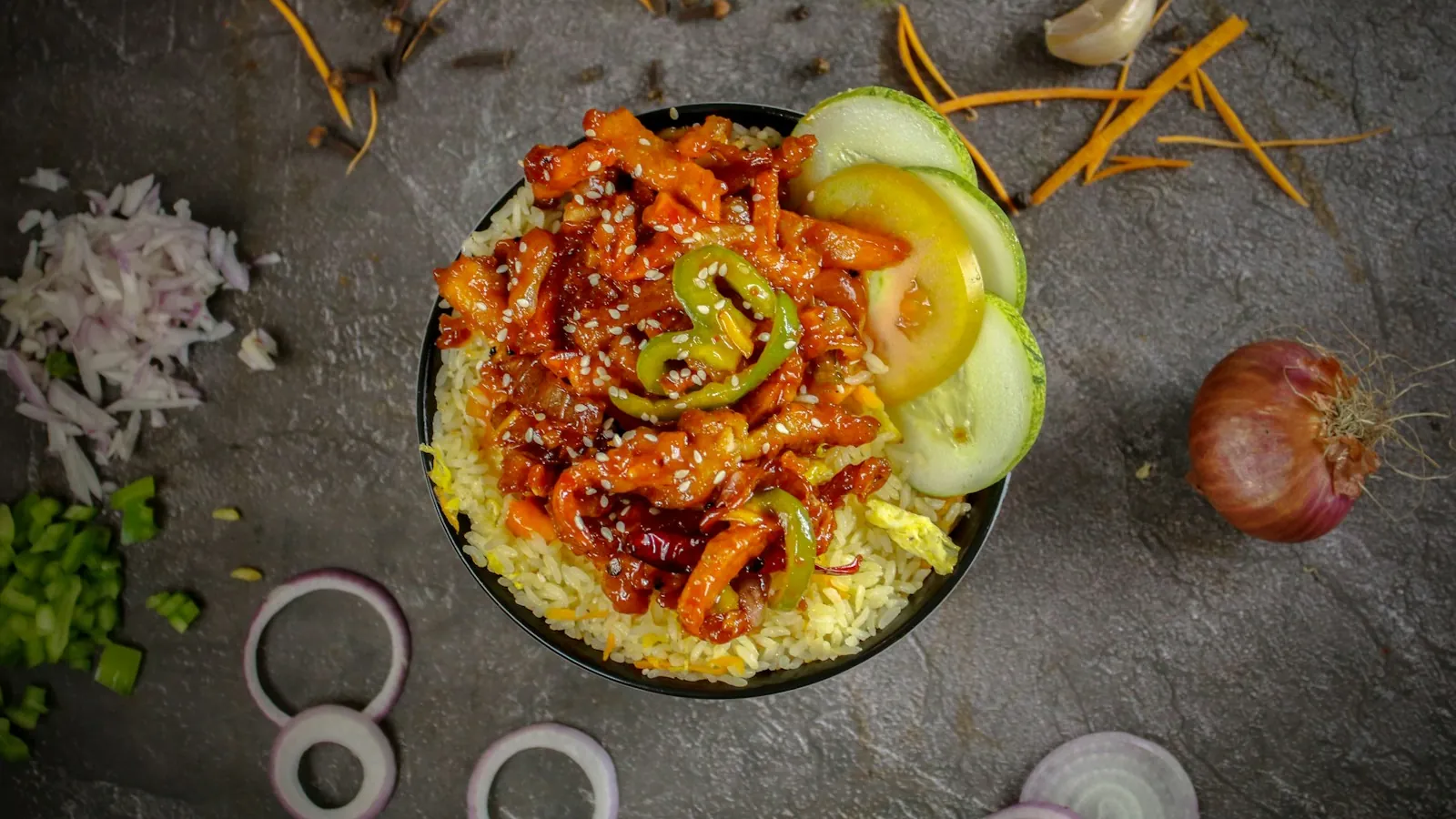
There is a category of thing in Chinese food that people eat for years without identifying. White discs that crunch. Pale ivory strips with a faint sourness. Miniature corn cobs. All three appear across a menu without ever being the point of a dish, and none of them is what most people guess.
Water chestnuts are not chestnuts — they are the crisp corm of an aquatic plant, and they stay crunchy no matter how long they cook. Bamboo shoots are the young shoots of bamboo, sliced and cooked. Baby corn is real corn, just picked very young, before the kernels develop.
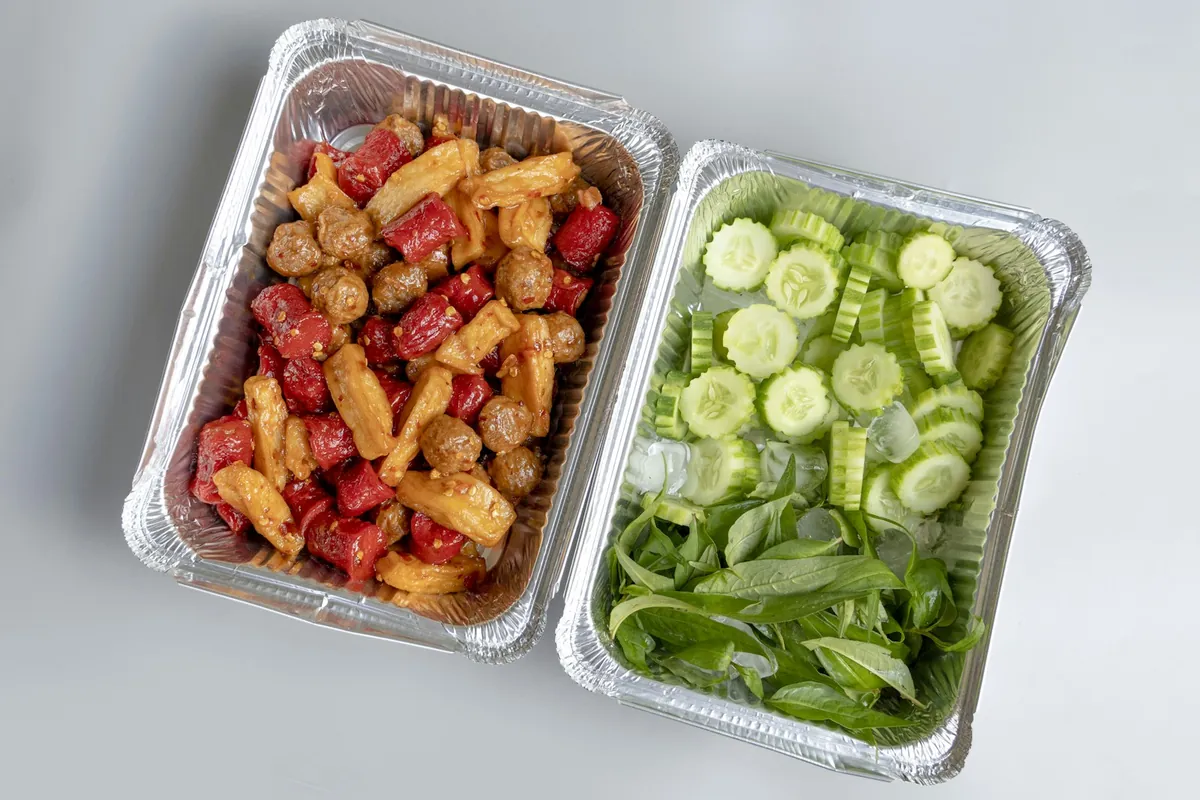
Water chestnuts
The most misidentified ingredient on the menu, starting with the name.
A water chestnut is not a nut and is not related to the chestnut. It is the corm — a swollen underground stem — of a sedge that grows in flooded paddies and marshes. Peeled, it is white, about the size of a coin, and faintly sweet.
What makes it valuable is a genuinely unusual property: it stays crunchy after cooking. Most vegetables soften because heat breaks down pectin in their cell walls. Water chestnuts contain a heat-stable compound that keeps those walls rigid, so they emerge from a braise or a wok as crisp as they went in.
That is why they are everywhere in Chinese cooking. In a dish where everything else has gone soft, they are the texture. Our guide to moo goo gai pan covers a dish where they play that role directly.
This is also why they are usually canned in Western markets: the crunch survives canning better than almost any other vegetable.
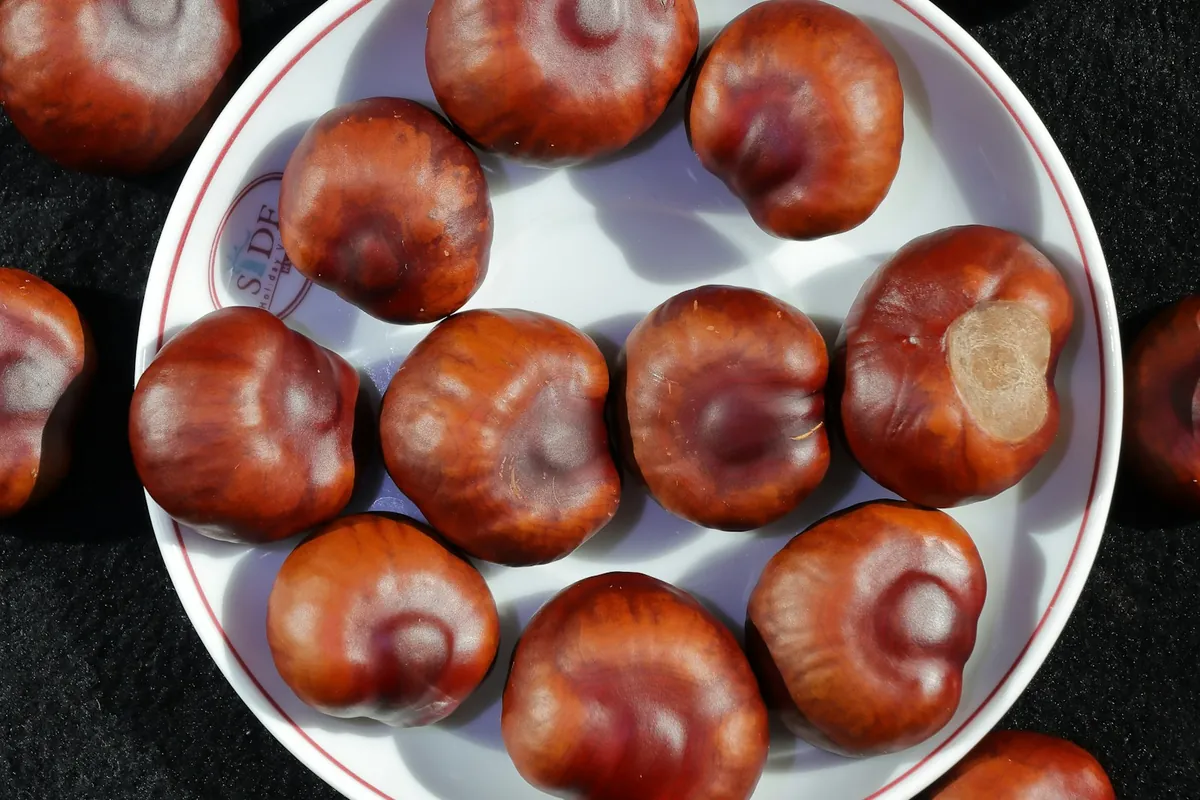
Bamboo shoots
Exactly what the name says, which makes them the honest one of the three.
These are the young shoots of bamboo, harvested shortly after they break ground and before they toughen. Sliced into strips or wedges, they are pale ivory, slightly fibrous, and mildly sweet with a faint sourness that comes from processing.
One point worth knowing: raw bamboo shoots contain natural compounds that are toxic and must be boiled before eating. That is why they reach kitchens already canned or pre-boiled — anything served in a restaurant has been through that step. They contribute structure rather than flavor.
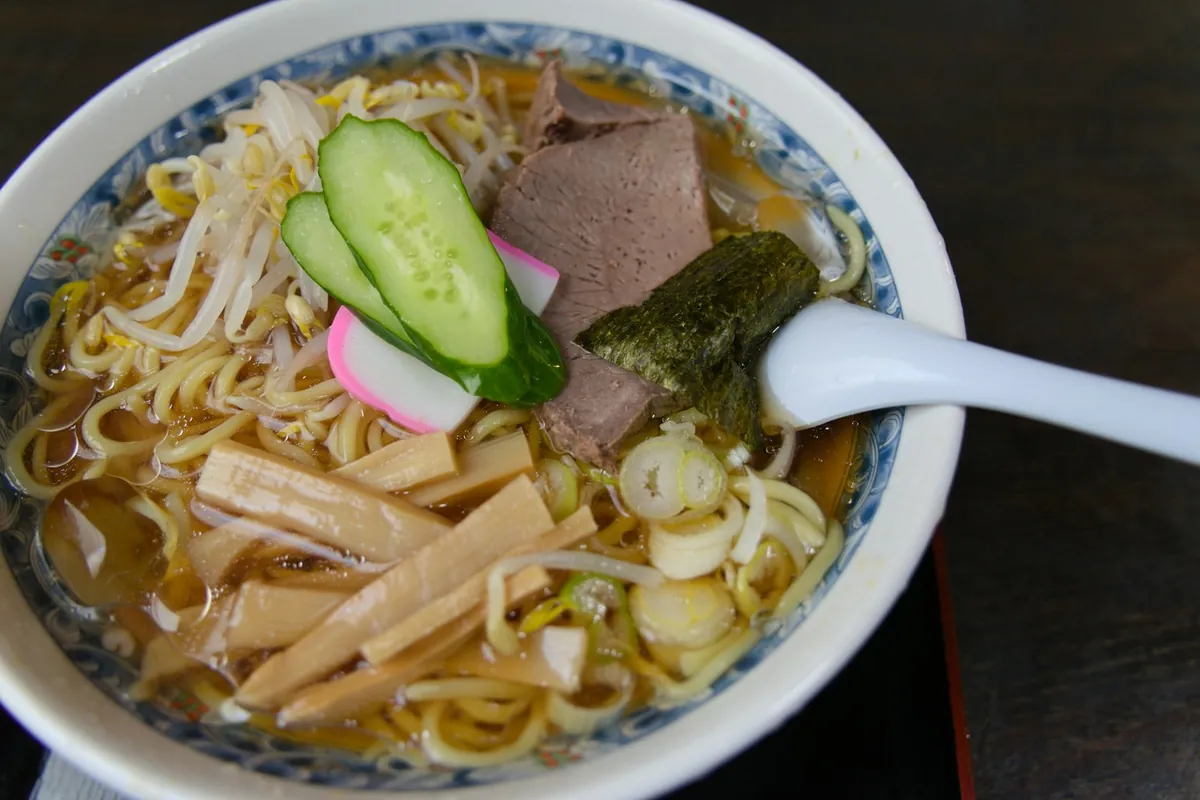
Baby corn
The one people most often assume is artificial, and the one that is most straightforwardly ordinary.
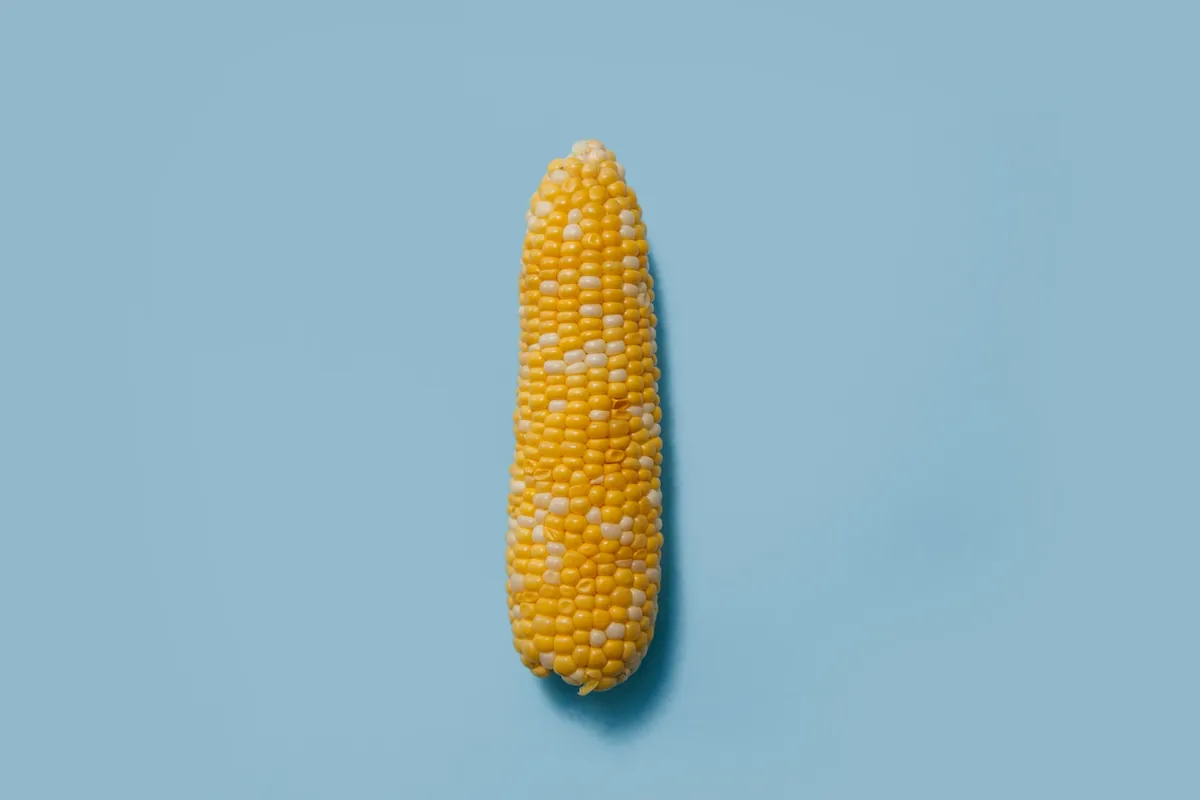
Baby corn is corn: ordinary maize harvested very young, before the kernels develop. The whole cob is edible because the core has not yet turned woody. It tastes mildly sweet and vegetal rather than like corn on the cob, and its job in a dish is as much visual as textural.
| Water chestnut | Bamboo shoot | Baby corn | |
|---|---|---|---|
| What it is | Corm of an aquatic sedge | Young bamboo shoot | Very young maize |
| Looks like | Small white discs | Pale ivory strips | Miniature cobs |
| Texture cooked | Stays crunchy | Firm, slightly fibrous | Tender-crisp |
| Flavor | Faintly sweet, clean | Mild, faintly sour | Mildly sweet, vegetal |
| Related to its name? | No — not a chestnut | Yes | Yes — real corn |
The others you will meet
Three more that generate the same question less often.
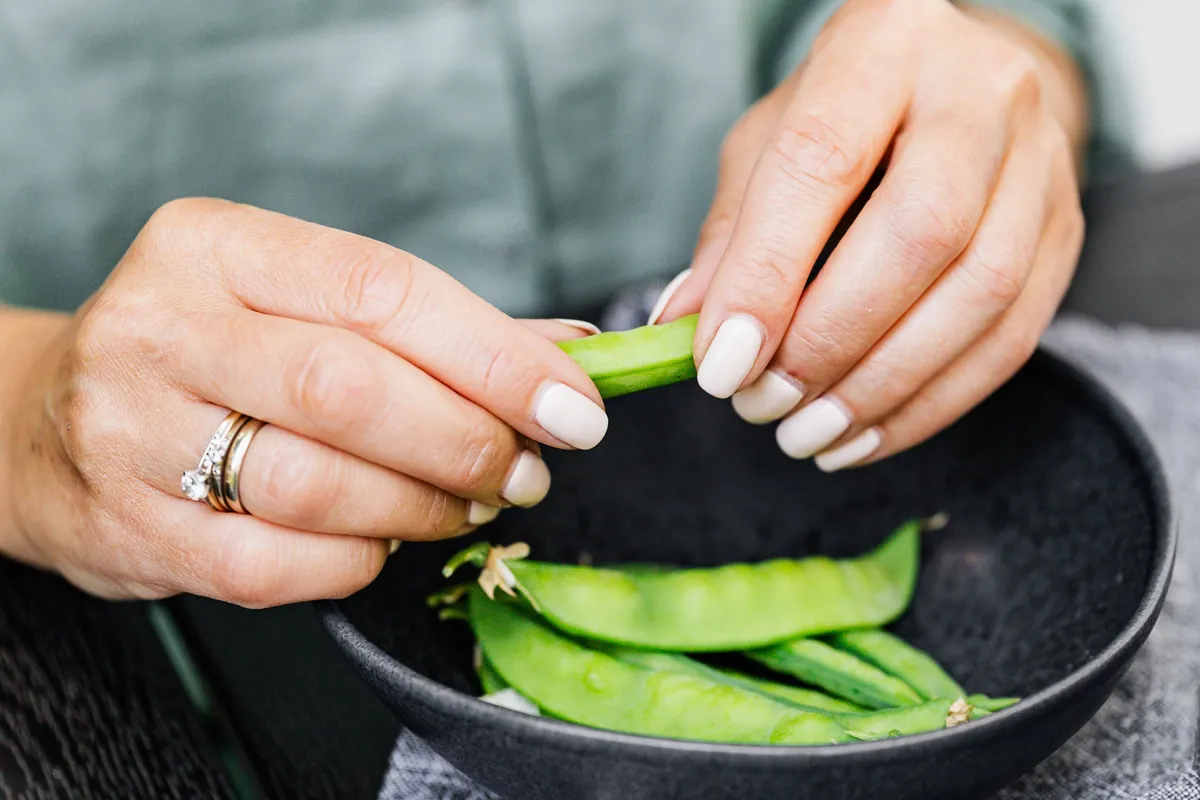
Snow peas are flat pea pods eaten whole, pod and all, before the peas inside swell. They are the bright green flat things, and they are the most delicate vegetable in the mix — they go from crisp to limp faster than anything else in a container.
Wood ear mushrooms are the dark, almost black, rubbery-looking strips in moo shu and some soups. They are a fungus, they have almost no flavor, and they are there entirely for their springy texture. Our guide to moo shu covers where they appear.
Napa cabbage is the pale, crinkly-leaved cabbage that forms the bulk of many vegetable dishes and most egg roll fillings. It cooks down to almost nothing, which is why an egg roll looks fuller before it is fried — our guide to egg rolls and spring rolls covers that.
Why these particular vegetables
They were not chosen at random, and the logic explains something about the whole menu.
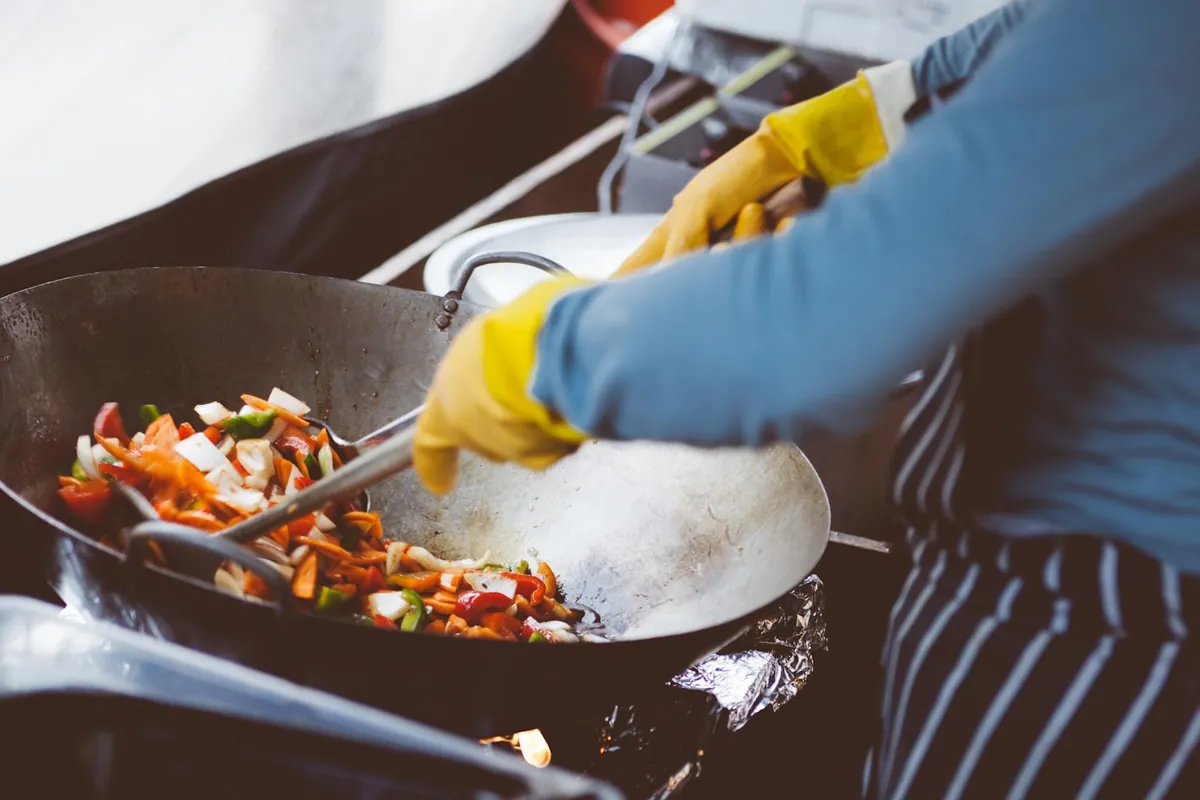
Stir-frying is fast and violent. A vegetable has to survive a very hot wok for ninety seconds without collapsing, and it has to hold up in a container afterwards. That rules out most tender vegetables and selects for exactly these properties: rigid cell walls, low water content, structural fiber.
Survives the wok and the drive
- Water chestnuts — stay crunchy regardless
- Bamboo shoots — fibrous enough to hold
- Baby corn — firm core
- Broccoli — dense florets
Suffers on the way home
- Snow peas — the first to wilt
- Bean sprouts — almost all water
- Napa cabbage — collapses to liquid
- Leafy greens generally
That is a practical ordering point, not just trivia. If your food has a long drive ahead of it, a dish built on water chestnuts and broccoli arrives in better shape than one built on sprouts and snow peas — our guide to pickup or delivery covers the rest.
If you want to cook with them
All three are sold canned, and canned is genuinely fine here in a way it is not for most vegetables. Drain and rinse them — the canning liquid carries a metallic note, and rinsing is the step most home cooks skip. Add water chestnuts and baby corn late, since they only want heating through.
Fresh water chestnuts are worth seeking out if you have an Asian grocer nearby. They are sold unpeeled, look like small brown bulbs, and taste sweeter and cleaner than canned. They are also a nuisance to peel, which is a fair trade-off to consider.
Frequently asked questions
What are water chestnuts?
Not chestnuts and not nuts. They are the corm — a swollen underground stem — of an aquatic sedge grown in flooded paddies. Peeled they are white, coin-sized and faintly sweet, and they stay crunchy however long they are cooked.
Why do water chestnuts stay crunchy?
They contain a heat-stable compound that keeps their cell walls rigid, so heat does not soften them the way it softens most vegetables. That property is exactly why Chinese cooking uses them: they provide texture in a dish where everything else has gone soft.
Is baby corn real corn?
Yes. It is ordinary maize harvested very young, before the kernels develop. The whole cob is edible because the core has not yet turned woody. It tastes mildly sweet and vegetal rather than like corn on the cob.
Are bamboo shoots safe to eat?
Cooked, yes. Raw bamboo shoots contain natural compounds that are toxic and must be boiled before eating, which is why they reach kitchens already canned or pre-boiled. Anything served in a restaurant has been through that step.
Are the canned versions as good as fresh?
For these three, closer than usual — the crunch survives canning unusually well. Drain and rinse them to remove the metallic note from the canning liquid. Fresh water chestnuts are sweeter if you can find them, though they are a nuisance to peel.
The short version
Water chestnuts are an aquatic corm, not a nut, and they stay crunchy because their cell walls resist heat. Bamboo shoots are exactly what they sound like and must be boiled first. Baby corn is real corn, picked early.
All three are on the menu because they survive a very hot wok. That is also why they survive the drive home.
Order from China King
Ask if you want a vegetable left out — it is one of the easiest changes to make.
Sources
- Chinese water chestnut — on the plant, the corm and why it stays crisp when cooked.
- Bamboo shoot — on harvesting and the need to boil them before eating.