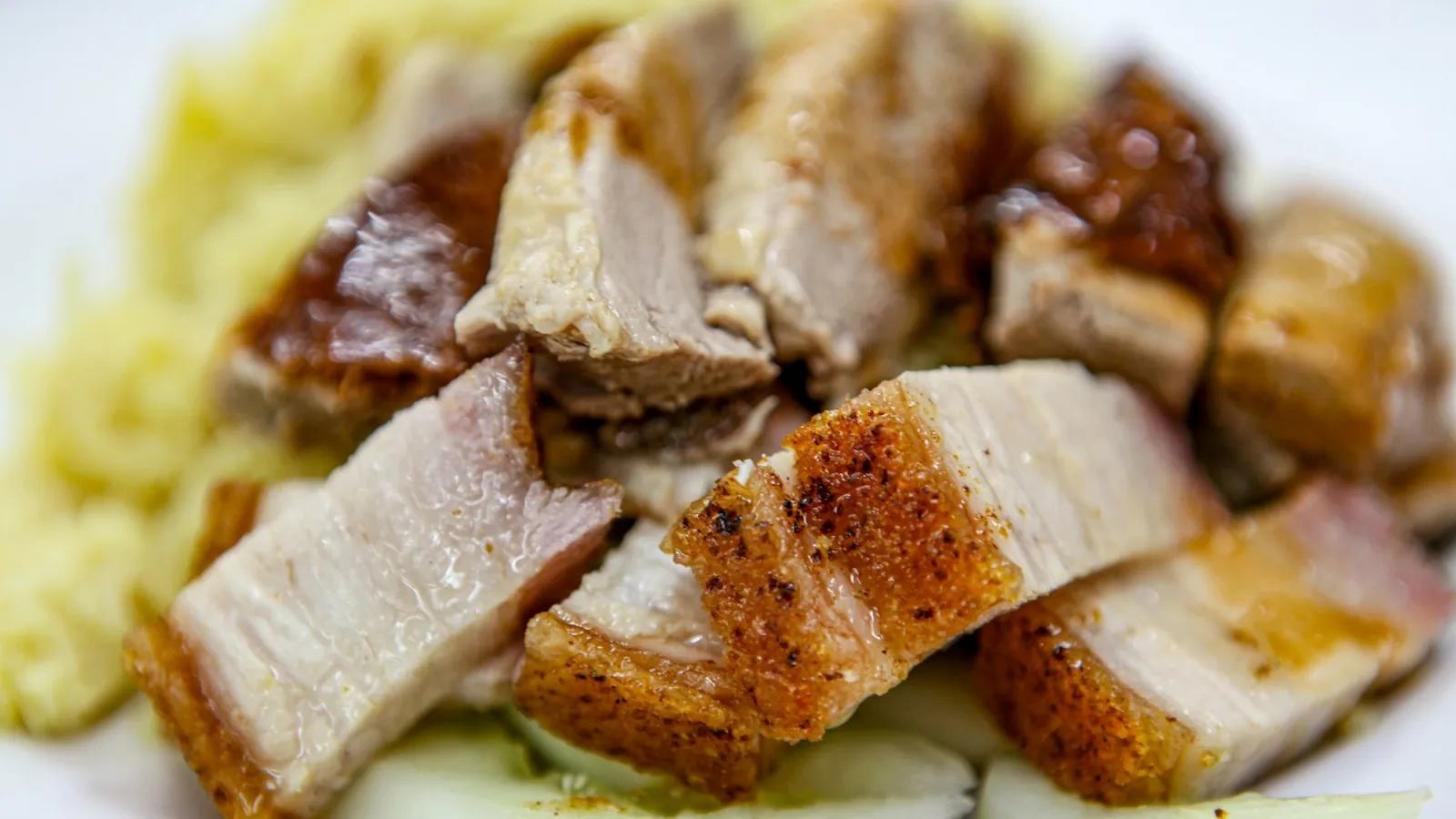
Mongolian beef has nothing to do with Mongolia. That is not a technicality — it is the most useful thing to know about the dish, because it stops you expecting something rustic and gamey and lets you order what it actually is: one of the sweetest and richest beef dishes on the menu.
Mongolian beef is thinly sliced beef, usually flash-fried or velveted, in a sweet dark soy-based sauce with plenty of scallion and onion. It is sweeter than most beef dishes and only mildly spicy at most. The name is a twentieth-century invention, not a regional cuisine.
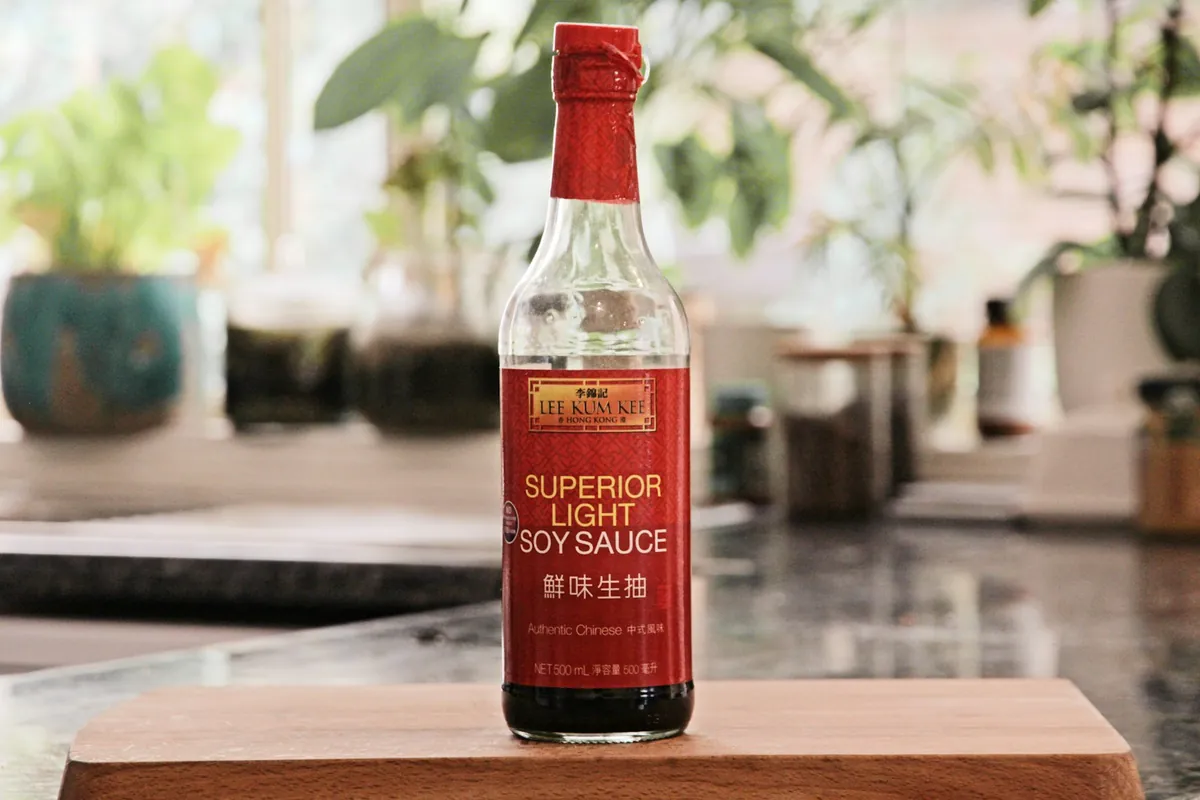
The name is marketing, not geography
The dish is generally traced to Taiwanese restaurants in the mid-twentieth century, where it was associated with a style of table-side grilling marketed as Mongolian barbecue. That style was itself a modern invention rather than a Mongolian tradition, and the sit-down dish that carries the name today is a further step removed.
Traditional Mongolian cooking is built around mutton, dairy and boiling — not soy sauce, not sugar, not scallions, and not the wok. Almost nothing in Mongolian beef comes from it.
So treat the name the way you would treat any other flavor label on this part of the menu: as a promise about taste rather than provenance. Our guide to chef’s specials covers how those names work generally.
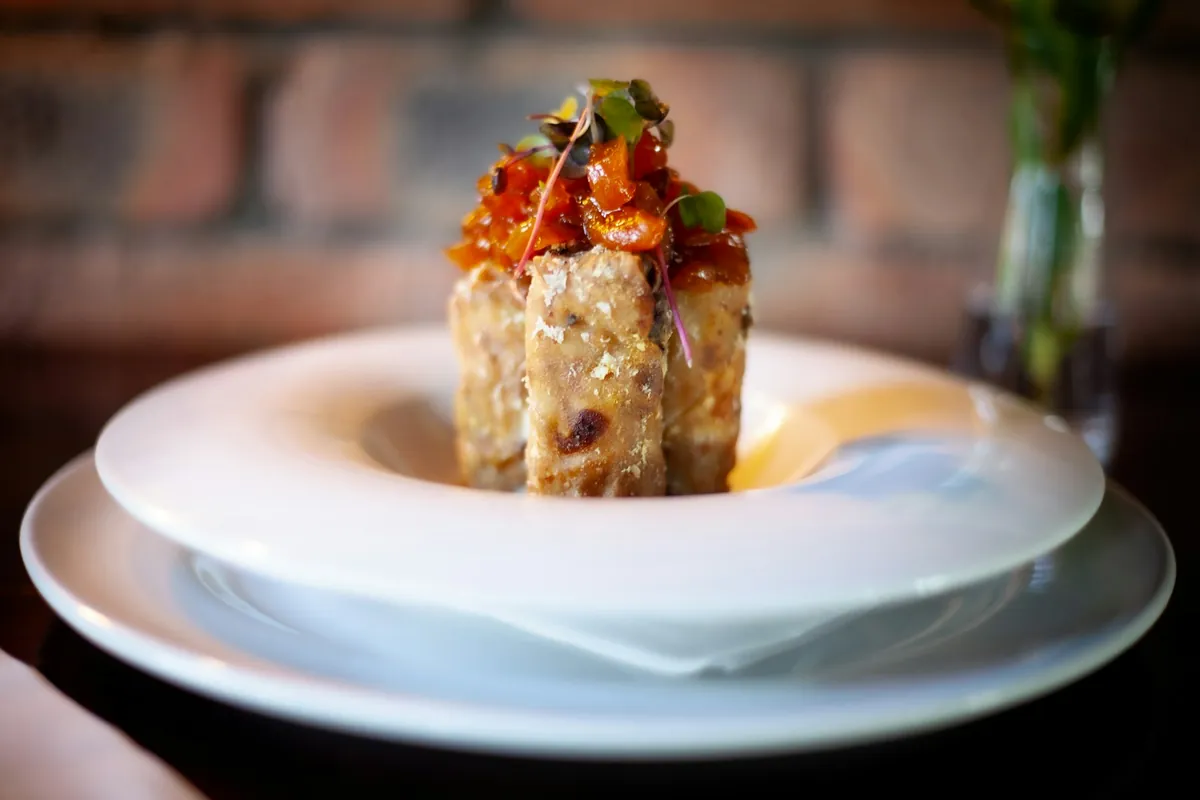
What is actually in it
Thinly sliced beef, cut across the grain, and a lot of scallion. Those two are constant. Onion is usually present in quantity as well, and some versions add dried chili.
The technique is what makes it distinctive. The beef is typically coated in a little cornstarch and flash-cooked at high heat, which gives it a silky exterior rather than a crisp one — not battered like a sweet-and-sour dish, but not bare either. That coating is what lets the sauce cling so heavily.
The sauce is soy-based, darkened and sweetened, thicker than a standard brown sauce and glossier. It is the sweetness that surprises people: this is closer in profile to the sweet fried chicken dishes than to beef with broccoli.
How it compares to the other beef dishes
| Dish | Sweetness | Heat | Vegetables | Sauce |
|---|---|---|---|---|
| Mongolian beef | High | None to mild | Scallion, onion | Thick, dark, glossy |
| Pepper steak with onion | Slight | None | Bell peppers, onion | Standard brown |
| Beef with broccoli | Slight | None | Broccoli | Standard brown |
| Beef with garlic sauce | None | Mild | Mixed | Savory, sharp |
| Szechuan beef | None | Medium to hot | Mixed | Chili-led |
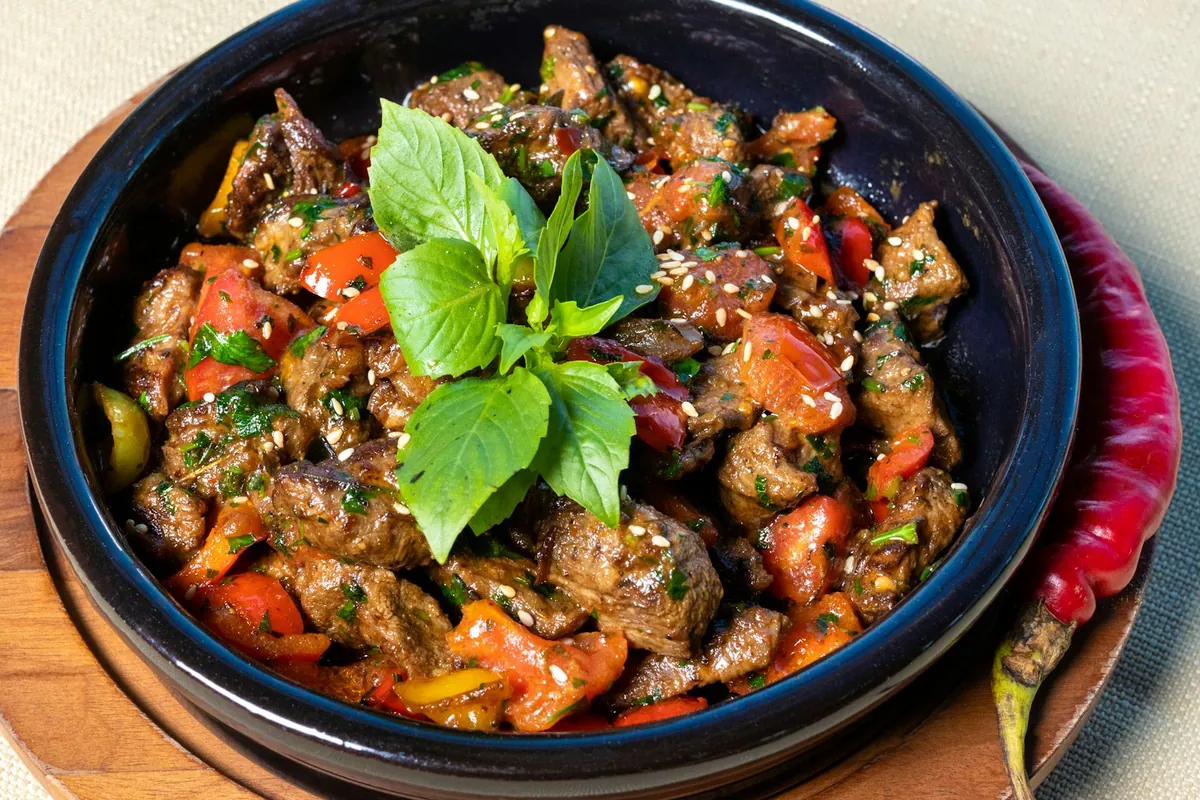
The comparison worth making is with pepper steak, because those two are the beef dishes most often chosen between. Our guides to pepper steak and the beef section cover both. Mongolian beef is the richer, sweeter, more assertive of the pair; pepper steak is the milder everyday one.
Is it spicy?
Usually not, or barely. Some kitchens add whole dried chilies, which look alarming on the plate and contribute far less heat than their appearance suggests — a whole dried chili releases very little unless it is broken open.
If you want real heat from the beef section, the Szechuan and Hunan dishes are built for it. Our guide to Szechuan, Hunan and Kung Pao covers those. Mongolian beef is sweet first and warm at most.
Order it if
- You want the beef dish to be the main event
- You like sweet, glossy sauces
- You are eating it with plain rice
- You want something richer than pepper steak
Order something else if
- You are ordering another sweet dish
- You want vegetables in the dish
- You are actually looking for heat
- You want a lighter plate
What to put with it
Plain steamed rice, and something green.
Mongolian beef is short on vegetables by design — scallion and onion are aromatics rather than a vegetable course — so a plate of it on its own is rich and one-note. A vegetable dish alongside fixes that completely, and the sweetness makes it a poor partner for a second sweet dish.
Fried rice underneath is a mistake here for the same reason it is with the sweet chicken dishes: seasoned rice and a heavy sweet sauce compete. Our guide to what goes with fried rice and lo mein covers building a balanced order.

Takeout notes
This is one of the better sweet dishes to take home, and the reason is that nothing is battered. There is no crisp coating to lose — the beef was silky rather than crunchy to begin with, so a closed container costs it very little.
The scallions do wilt, and the sauce thickens further as it cools, but neither ruins the dish. Reheated in a pan it holds up better than any battered dish would. Our guide to pickup or delivery covers how the rest of the menu travels.
Frequently asked questions
What is Mongolian beef?
Thinly sliced beef, flash-cooked at high heat, in a thick sweet dark soy-based sauce with plenty of scallion and onion. The beef is usually coated lightly in cornstarch, which gives it a silky texture and helps the sauce cling.
Is Mongolian beef from Mongolia?
No. It is generally traced to Taiwanese restaurants in the twentieth century and named after a style of grilling marketed as Mongolian barbecue, itself a modern invention. Traditional Mongolian cooking centers on mutton, dairy and boiling rather than soy, sugar and the wok.
Is Mongolian beef spicy?
Usually not. Some versions include whole dried chilies, which contribute much less heat than they appear to unless broken open. The dish is sweet first and warm at most — for real heat, the Szechuan and Hunan beef dishes are the ones built for it.
Mongolian beef or pepper steak?
Mongolian beef if you want the dish to be rich and sweet and the center of the meal. Pepper steak if you want something milder and more vegetable-forward that sits easier. They are the two beef dishes most often chosen between, and they are genuinely different.
Why is there no vegetable in Mongolian beef?
By design — the scallion and onion are aromatics rather than a vegetable course. That makes the dish rich and focused, and it is why ordering a vegetable dish alongside improves the meal noticeably.
The short version
Sliced beef, scallions, thick sweet dark sauce. Not from Mongolia, not really spicy, and richer than anything else in the beef family.
Plain rice under it, a vegetable dish beside it, and no second sweet dish on the table.
Mongolian beef in Fayetteville
China King lists Mongolian beef among the chef’s specials on Walter Reed Road.
Sources
- Mongolian beef — on the dish’s origins and its unrelated name.
- Britannica: Mongolia — background on the country and its traditional foodways.