Walk into any Asian grocery and there is a wall of leafy greens with names that do not translate helpfully, several of which look almost identical. They are not interchangeable, they cook differently, and picking the right one is the difference between a good vegetable dish and a disappointing one.
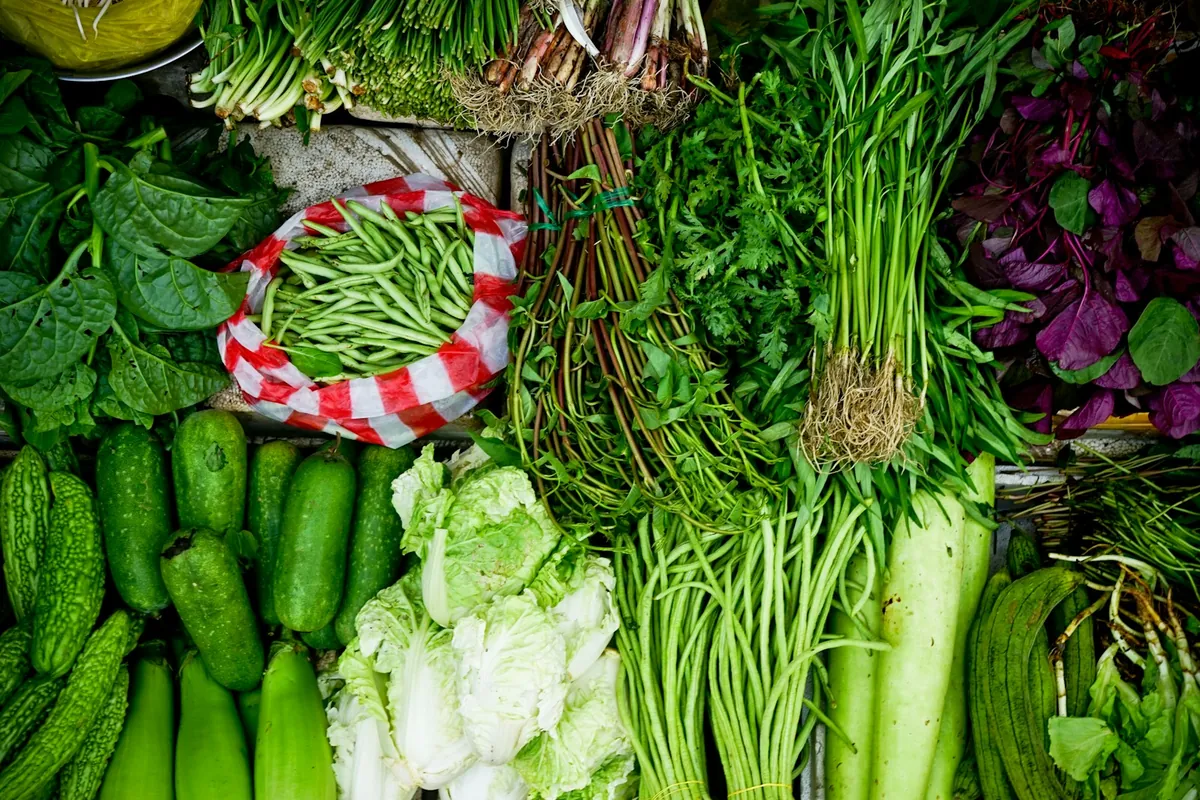
The three you will meet most are gai lan (Chinese broccoli — thick stems, slightly bitter), bok choy (white crunchy stems, tender leaves) and choy sum (slender, sweeter, quick to cook). All three are brassicas, and all three want high heat and a short cooking time.
The three you actually need to know
Gai lan, sold as Chinese broccoli or kai lan, has thick stems, broad blue-green leaves and small flower buds. It is the most robust of the three and the most assertive, with a pleasant bitterness that people either appreciate immediately or take a while to come round to. The stems are the best part and need slightly longer than the leaves.
Bok choy has a distinctive shape: a cluster of thick white stems flaring into dark green leaves. The stem is crisp and watery, almost like celery without the stringiness, and the leaf wilts in seconds. Baby bok choy is the same plant harvested young, and it is more tender throughout.
Choy sum is the slender one with yellow flowers, thinner stems and a noticeably sweeter, milder flavor. It cooks fastest of the three and is the gentlest introduction if bitterness is not something you enjoy.
| Green | Looks like | Tastes | Cooks in |
|---|---|---|---|
| Gai lan | Thick stems, broad leaves, small buds | Assertive, pleasantly bitter | 3–5 minutes |
| Bok choy | White stems flaring to dark leaves | Mild, watery, clean | 2–4 minutes |
| Baby bok choy | The same, small enough to cook whole | Milder and more tender | 2–3 minutes |
| Choy sum | Slender stems, yellow flowers | Sweet, mild | 2–3 minutes |
| Napa cabbage | Pale, tightly furled, crinkled | Very mild, sweet when cooked | Collapses fast |
| Water spinach | Hollow stems, arrow-shaped leaves | Grassy, distinctive | 1–2 minutes |
Why they are cooked the way they are
Two techniques dominate, and both exist to solve the same problem: these greens have stems and leaves that cook at completely different speeds.
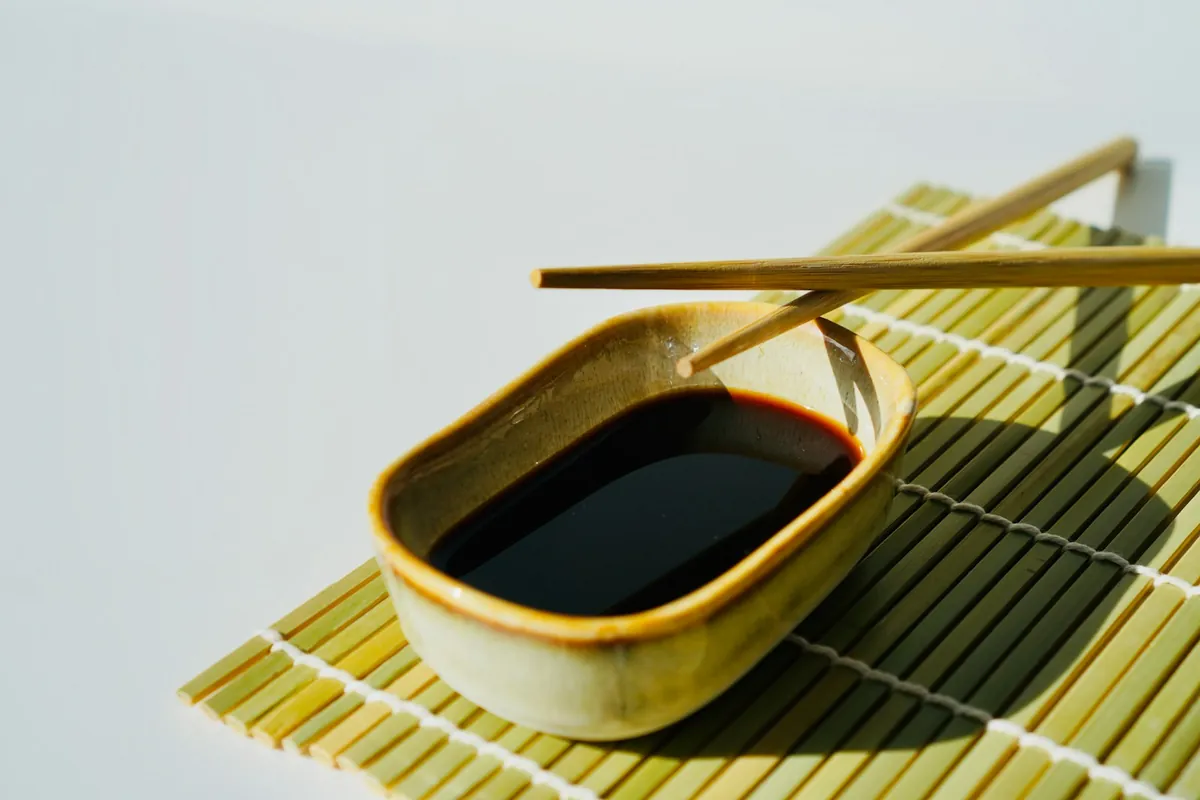
Blanching then dressing. The greens go briefly into boiling water, come out bright, and are dressed with oyster sauce or a garlic-soy mixture. This is how gai lan is most often served in Cantonese restaurants, and it is the most reliable method at home — boiling water is one heat source a domestic kitchen has plenty of, which our guide to Chinese cooking equipment explains is not true of stir-frying.
Stir-frying with garlic. Fast, high heat, garlic in the oil first, stems in before leaves. Our guide to the aromatics covers that opening move.
The stem-before-leaf rule is the one thing worth remembering. Cut the stems and add them thirty seconds to a minute ahead of the leaves, and everything finishes together. Throw the whole plant in at once and you get either raw stems or collapsed leaves.

What is on an American takeout menu instead
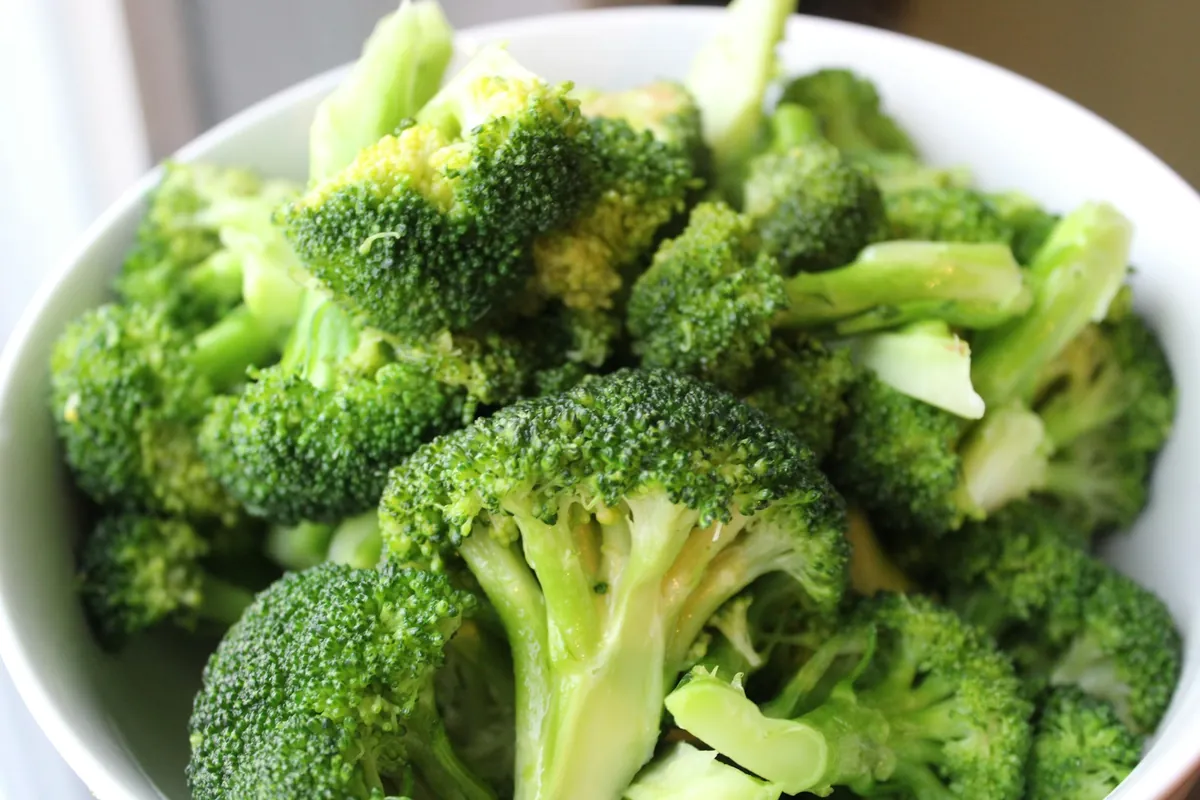
Mostly Western broccoli, and it is worth understanding why.
Chinese broccoli and Western broccoli are related but different plants, and the substitution happened for supply-chain reasons rather than culinary ones: Western broccoli was what American wholesalers stocked. Our guide to how American Chinese food came to be covers that pattern of adaptation, and our guide to the broccoli dishes covers the section that resulted.
The substitution worked well enough that broccoli now has a whole menu section of its own. It is denser, sweeter and less bitter than gai lan, and it holds up better in a container — which matters for a takeout business in a way it does not for a restaurant with tables.
Napa cabbage is the other one that made the crossing, though usually invisibly: it is the bulk of most egg roll fillings, as our guide to egg rolls and spring rolls notes.
Buying and keeping them
What to look for
- Firm, unwilted stems
- Leaves with no yellowing
- Closed or barely open flower buds
- Smaller plants, which are more tender
Keeping them
- Wrapped loosely, in the refrigerator
- Unwashed until you use them
- Two to four days at best
- Wash carefully — grit hides in the stem bases
Open yellow flowers are the main thing to avoid. They indicate the plant has bolted, which means tougher stems and more bitterness. A few closed buds are fine and are normal on choy sum, where they are part of the plant’s appeal.
The grit point is not fussiness. These greens grow low and sandy soil lodges where the stems meet, so a quick rinse under a tap does not do it. Separate the stems and wash the bases properly.
The bitterness question
Worth addressing directly, because it puts people off gai lan specifically.
The bitterness is a real characteristic of the plant and it is not a fault. It is also not constant: younger plants are milder, and it is more pronounced raw than cooked. Blanching reduces it noticeably, which is one reason the blanch-and-dress method is so common.
The traditional counter is a sauce with some sweetness and salt — oyster sauce being the classic pairing, as our guide to Chinese sauces covers. The combination of bitter green and sweet-savory sauce is the point of the dish rather than a way of hiding something.
If you actively dislike bitterness, choy sum and baby bok choy are the two to buy. Neither has it in any meaningful amount.
Frequently asked questions
What is gai lan?
Chinese broccoli — a brassica with thick stems, broad blue-green leaves and small flower buds. It is more assertive than Western broccoli, with a pleasant bitterness, and the stems are the best part.
What is the difference between bok choy and choy sum?
Bok choy has thick white stems flaring into dark leaves and tastes mild and watery. Choy sum is slender with yellow flowers, sweeter and milder, and cooks faster. Choy sum is the gentler of the two.
How do you cook Chinese greens?
Either blanch briefly and dress with oyster sauce, or stir-fry hard with garlic. Either way, add the stems thirty seconds to a minute before the leaves — they cook at different speeds and adding them together gives you raw stems or collapsed leaves.
Why is gai lan bitter?
It is a genuine characteristic of the plant rather than a fault. Younger plants are milder and blanching reduces it noticeably. The traditional pairing with a sweet-savory sauce like oyster sauce is the point of the dish, not a way of masking it.
Why do takeout menus use regular broccoli?
Supply rather than preference — Western broccoli is what American wholesalers stocked. It also holds up better in a container than leafy greens do, which matters more for a takeout business than for a restaurant with tables.
The short version
Gai lan for assertive and slightly bitter, bok choy for crisp and mild, choy sum for sweet and quick. All three want high heat and very little time.
Stems in first, leaves a minute later. And wash the stem bases properly — that is where the grit is.
Order from China King
The vegetable and broccoli sections are where the greens live on our menu.
Sources
- Chinese broccoli — on gai lan and its relationship to Western broccoli.
- Bok choy — on the plant, its varieties and how it is used.