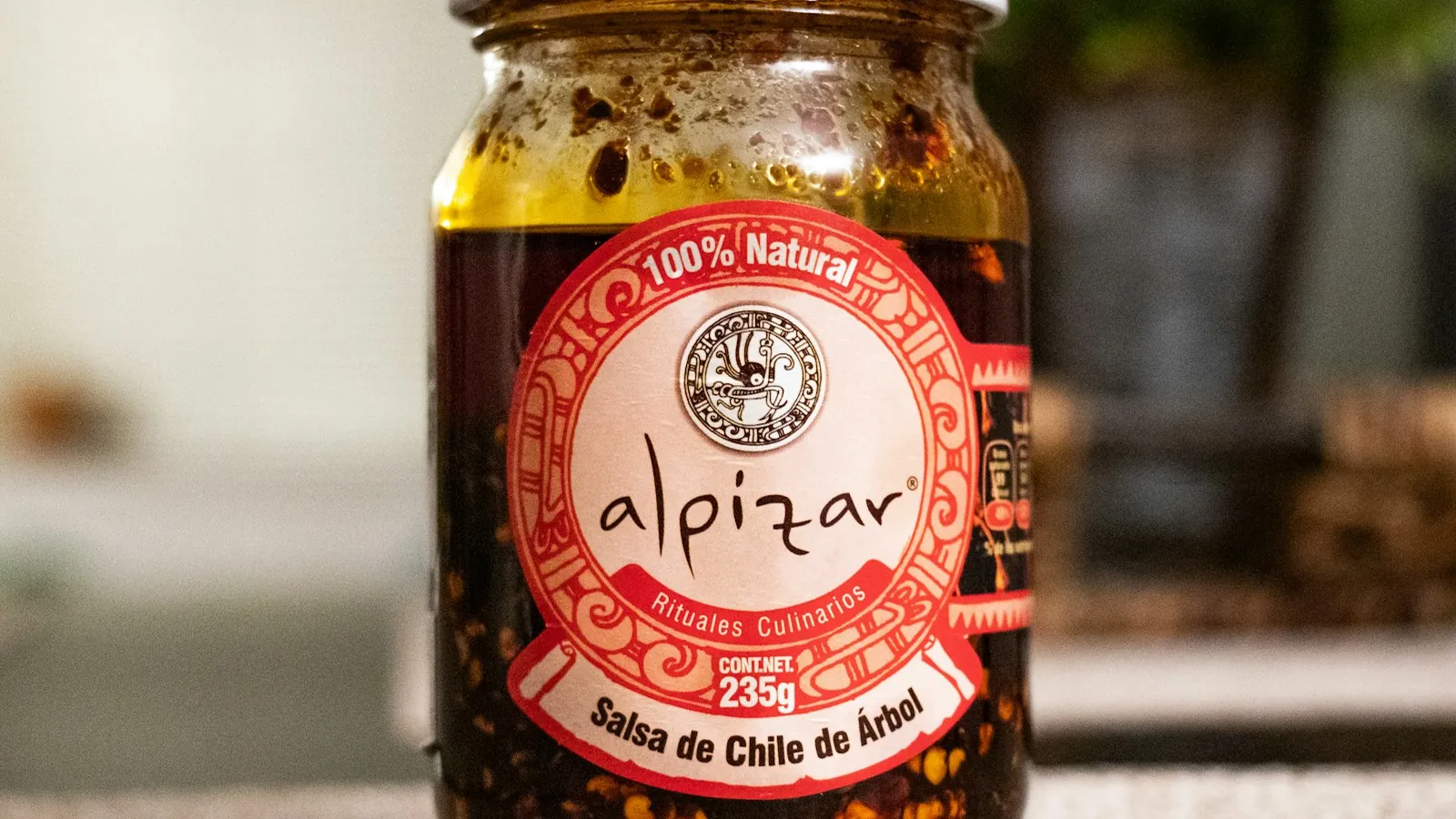
There is a jar sold in Chinese groceries at a price that makes people put it back down. XO sauce costs several times what any other Chinese condiment costs, contains no alcohol despite the name, and is worth understanding before you either buy it or dismiss it.
XO sauce is a chunky, savory condiment of dried scallop and dried shrimp with cured ham, chili, garlic and shallot, fried slowly in oil. It was invented in Hong Kong in the 1980s and named after XO cognac purely to signal luxury. There is no brandy in it.
Why it costs what it does
Because dried seafood is genuinely expensive, and XO sauce is mostly dried seafood.
Dried scallop — conpoy — is the main cost. Scallops are dried and aged, concentrating their flavor enormously, and good conpoy is a luxury ingredient in its own right, bought by weight and given as a gift. Dried shrimp is cheaper but still not cheap. Cured ham adds another premium component.
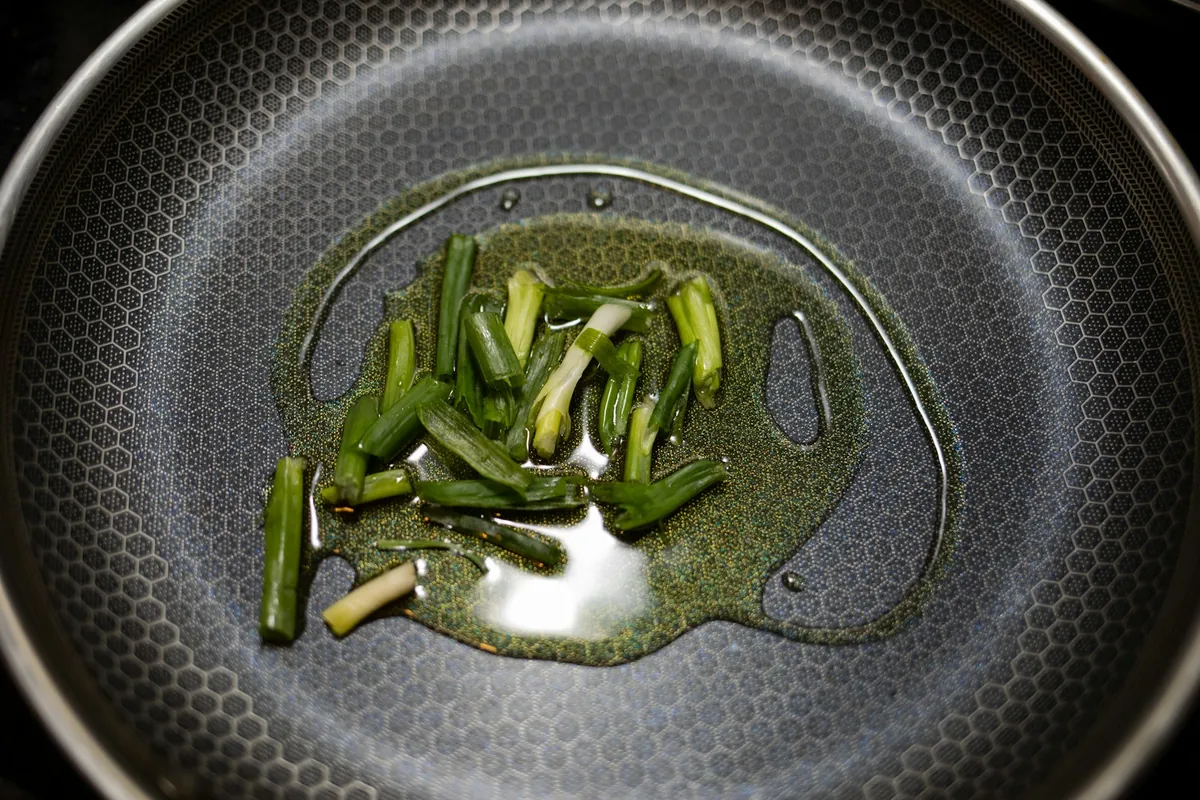
Those ingredients are then shredded by hand and fried slowly in oil until the whole thing is deeply savory. It is labor-intensive on top of being ingredient-intensive.
So the price is not a markup on a luxury name. The name came second: it was coined in Hong Kong to signal expense to diners who understood XO cognac as a status marker, and the sauce genuinely was expensive to make. Our guide to Chinese sauces covers the everyday condiments at the other end of the price range.
What it tastes like
Intensely savory, in a way that is difficult to describe without reaching for the word umami.
Dried seafood is concentrated glutamate, which is the compound behind savory depth — our guide to MSG covers that chemistry, and XO sauce is a natural, expensive route to the same sensation. On top of that sits chili heat, the sweetness of fried shallot, and a distinct smoky note from the ham.
It is chunky rather than smooth, and the texture is part of the point: shreds of scallop and crisp fried aromatics suspended in oil. A spoonful looks like very little and tastes like a great deal.
It is also salty and rich enough that a teaspoon is a serving. This is not a sauce you pour.
| Ingredient | Contributes |
|---|---|
| Dried scallop (conpoy) | The core savory depth; most of the cost |
| Dried shrimp | More depth, and a sharper marine note |
| Cured ham | Smokiness and salt |
| Chili | Heat, usually moderate |
| Shallot and garlic | Sweetness and aroma from slow frying |
| Oil | Carries everything and preserves it |
The allergen point
Worth stating plainly rather than in passing, because the name gives no warning at all.
XO sauce contains dried shellfish — scallop and shrimp are core ingredients, not optional extras. Nothing about the name “XO sauce” signals seafood, and it appears in dishes that are otherwise vegetarian-looking or plainly meat-based, such as fried rice or stir-fried greens.
Crustacean shellfish is a major allergen under United States labelling law, and scallops are molluscs, which is a separate category again. Our guides to scallop dishes and shrimp and seafood cover that distinction.
If you cook with it, read the label. If you encounter it on a restaurant menu and shellfish matters to you, ask — a dish described as “XO fried rice” gives no indication of what is in it unless you already know.
How to use it
Works well
- Stirred through plain fried rice at the end
- A teaspoon over steamed fish or tofu
- Tossed with stir-fried greens
- Straight, on plain rice or noodles
Works badly
- In an already heavily sauced dish
- Cooked long, which dulls it
- In quantity — it overwhelms
- Alongside another strong condiment
The principle is that XO sauce is a finishing condiment rather than a cooking sauce. It goes on at the end or at the table, the same way our guide to sesame oil describes for that ingredient. Long cooking flattens the aromatics you paid for.
The best demonstration is the simplest: a spoonful stirred into plain steamed rice. Nothing else in the bowl, so nothing competes. If you have bought a jar and are not sure what to do with it, start there.
Why it is not on American takeout menus
Cost, mainly, and the arithmetic is straightforward.
A takeout kitchen competes on value, with dishes priced in single figures — our guide to how takeout kitchens work covers the economics. A condiment costing several times what oyster sauce costs cannot be spooned into dishes at that price point.
There is also a demand question. XO sauce is a Hong Kong restaurant invention from the 1980s, decades after American Chinese menus had settled into their familiar shape — our guide to how American Chinese food came to be covers when that shape formed. It arrived too late to be absorbed.
Where you will find it: Cantonese and Hong Kong-style restaurants, usually as a named dish rather than a condiment on the table, and in jars at any decent Asian grocery.

Frequently asked questions
What is XO sauce?
A chunky savory condiment of dried scallop and dried shrimp with cured ham, chili, garlic and shallot, slowly fried in oil. It was invented in Hong Kong in the 1980s and is used as a finishing condiment rather than a cooking sauce.
Does XO sauce contain alcohol?
No. The name refers to XO cognac purely as a signal of luxury, in the way a product might be called “premium”. There is no brandy or any other alcohol in the sauce.
Why is XO sauce so expensive?
Because dried scallop is a genuinely expensive ingredient and the sauce is mostly dried seafood, with cured ham adding another premium component. It is also labor-intensive: the ingredients are shredded by hand and fried slowly.
Does XO sauce contain shellfish?
Yes — dried scallop and dried shrimp are core ingredients. The name gives no warning of this, and it appears in dishes that otherwise look shellfish-free. If shellfish matters to you, read the label and ask about any dish described as XO.
How do you use XO sauce?
As a finishing condiment, a teaspoon at a time: stirred into plain fried rice at the end, spooned over steamed fish or tofu, or tossed with plain greens. Long cooking dulls it, and it overwhelms an already sauced dish.
The short version
Dried scallop, dried shrimp and cured ham fried slowly with chili and shallot. Expensive because the ingredients are, not because of the name — which is borrowed from cognac and means nothing.
A teaspoon over plain rice is the whole demonstration. And it contains shellfish, which nothing about the name tells you.
Order from China King
No XO sauce — but call with any question about shellfish in our dishes.
Sources
- XO sauce — on its Hong Kong origin, ingredients and the borrowed name.
- FDA: Food allergies — on crustacean shellfish as a major allergen.